

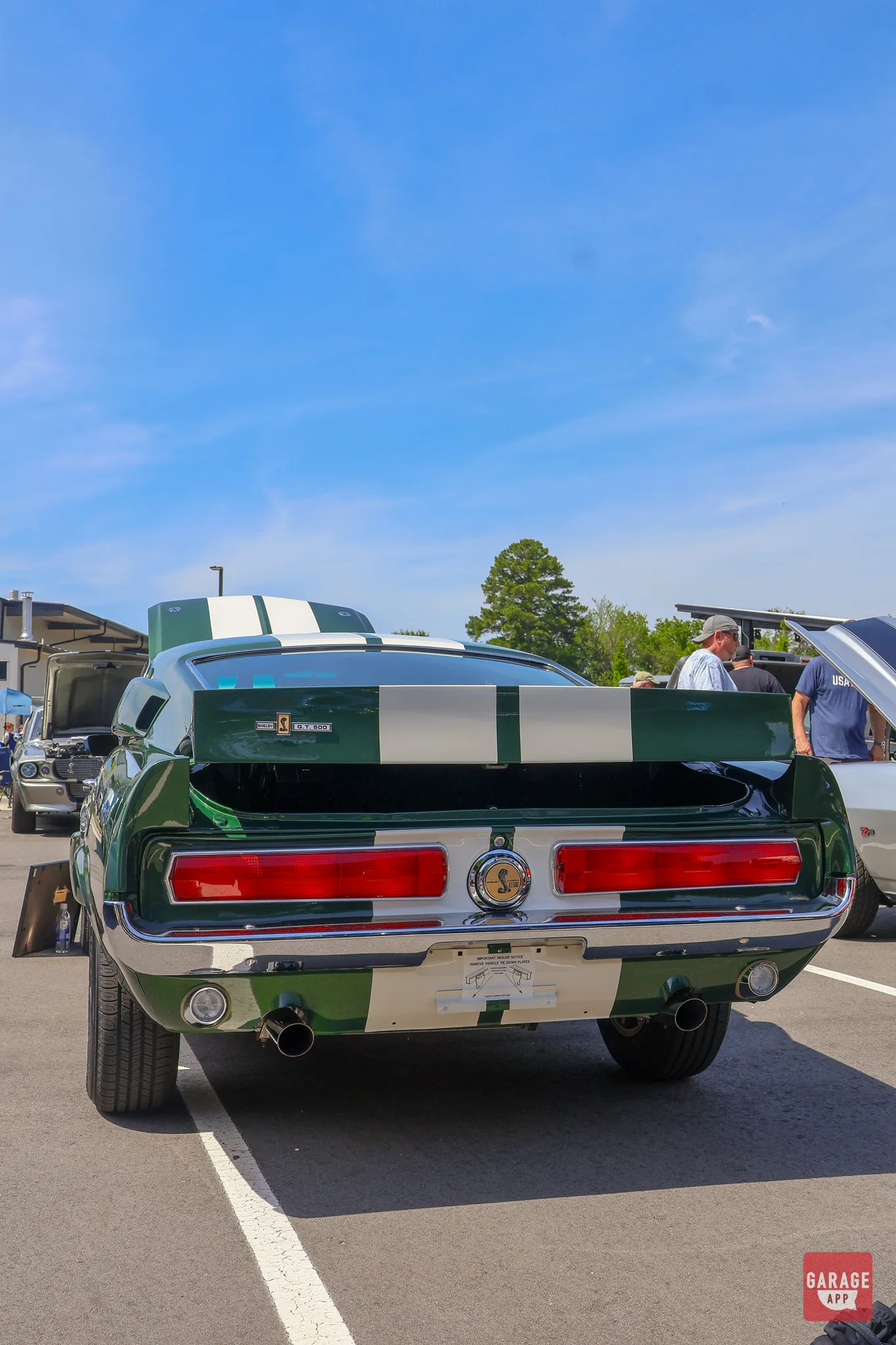
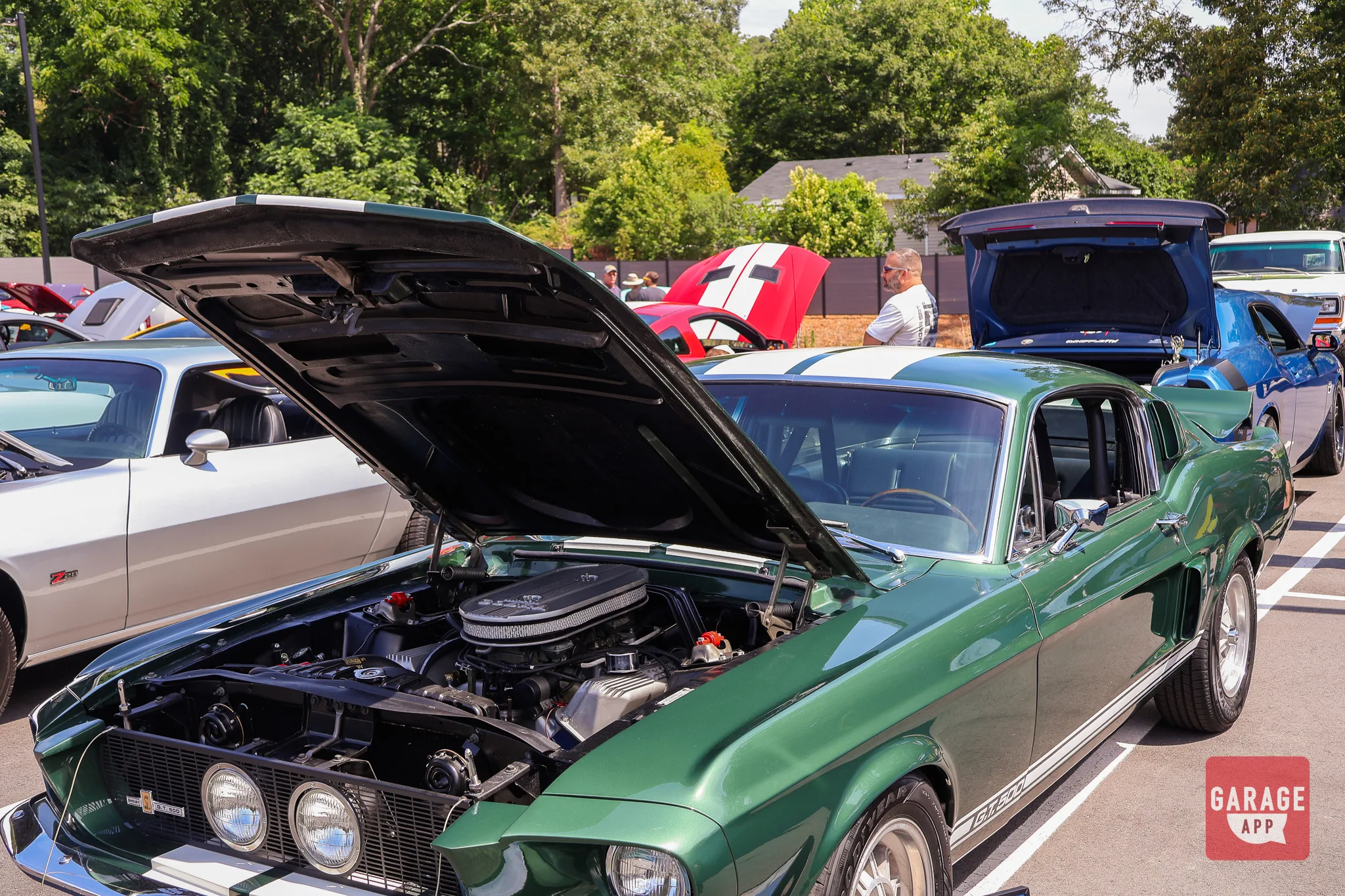
Some cars stop conversations. The 1968 Shelby GT500 is one of them. Pull into a parking lot with one and people set down their coffee, walk over, and start asking questions before they even say hello. That is exactly what happened at a recent Fuquay-Varina Cars and Coffee in North Carolina, where a beautifully kept GT500 shared the lot with modern performance cars and a steady crowd of curious enthusiasts.
This example had that unmistakable presence: long hood, wide stance, and paint that catches morning light in a way only old lacquer and endless care can manage. It was a perfect reminder of why the Shelby GT500 still sits near the top of nearly every serious muscle car conversation more than fifty years after it left the factory.
Why the 1968 Shelby GT500 Still Matters
The 1968 model year was a turning point for the Shelby program. Production had moved from Shelby American in California to the A.O. Smith facility in Michigan, and the cars grew a little more refined and grand-touring in character. That shift bothers purists to this day, but it also gave the GT500 a broader, more muscular identity that helped cement its legend. It is a favorite subject over in our classic and collector coverage.
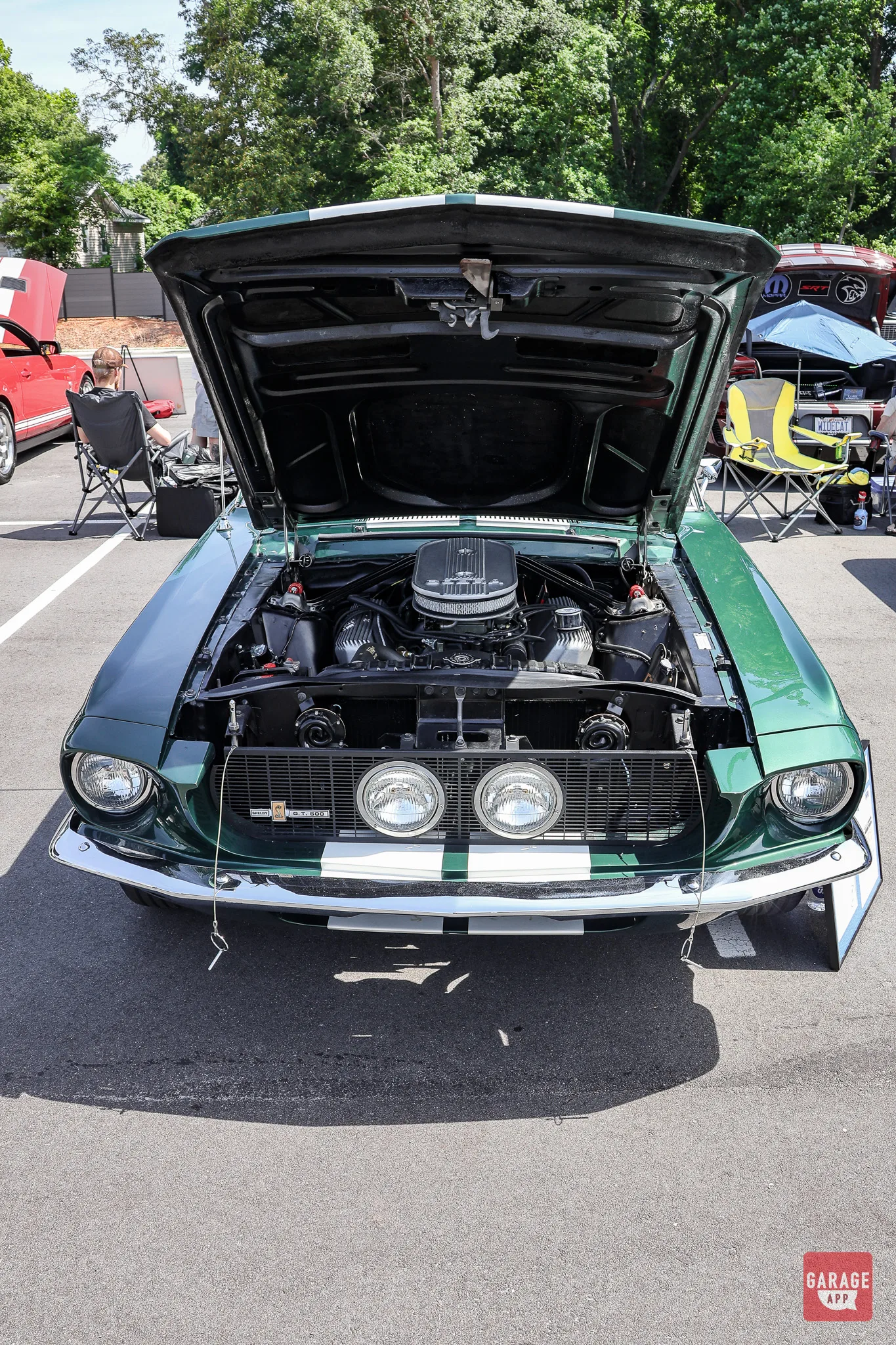
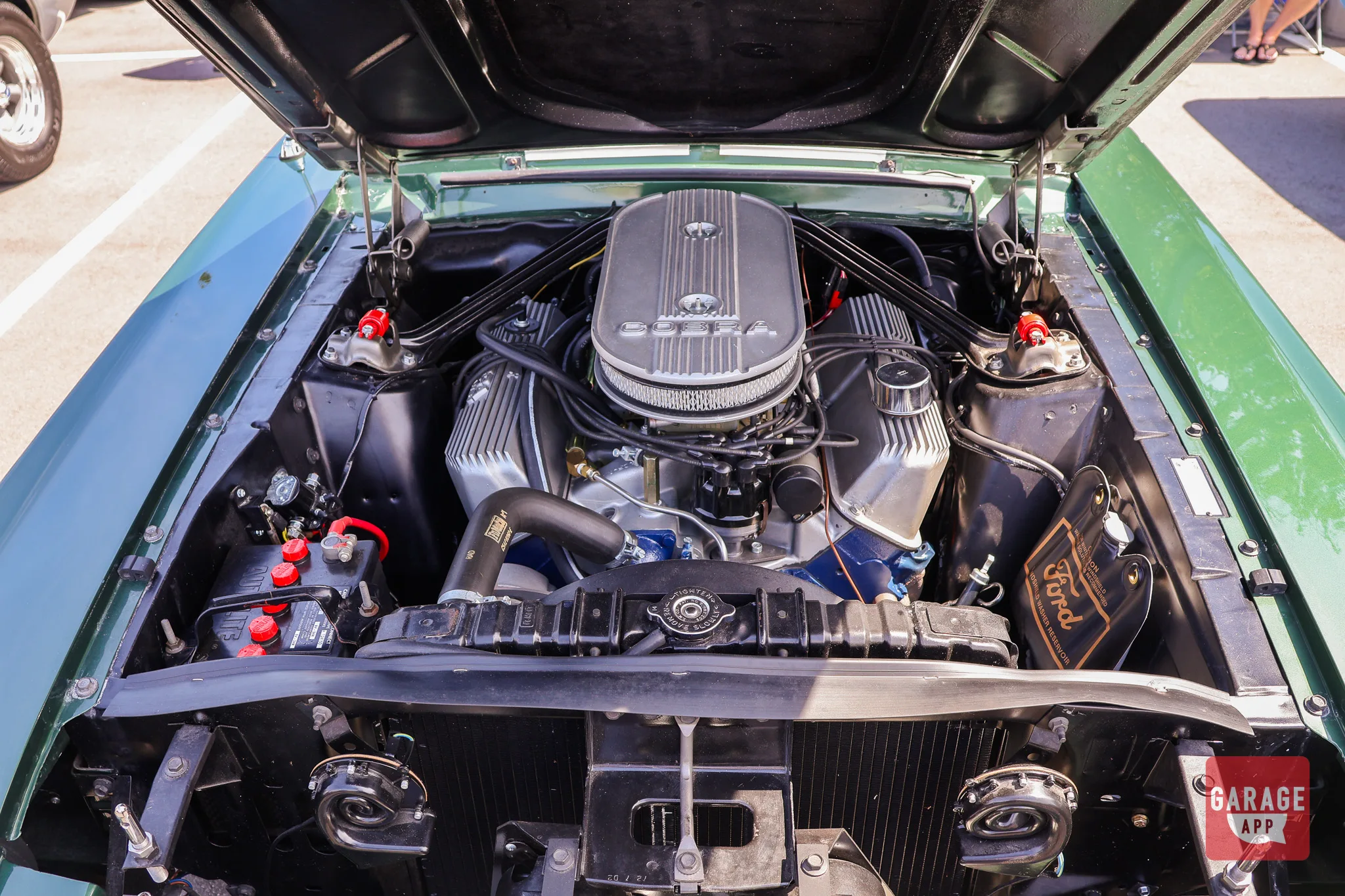
Under the hood sat a big block Mustang heart, the 428 Police Interceptor V8 in most GT500s, rated conservatively at 360 horsepower. Anyone who has driven one will tell you that number felt low even in period. Later in the year the GT500KR arrived with the 428 Cobra Jet, a fearsome engine that turned a stylish cruiser into a stoplight monster. The KR badge stood for King of the Road, and Carroll Shelby reportedly rushed to trademark the name before anyone else could grab it.
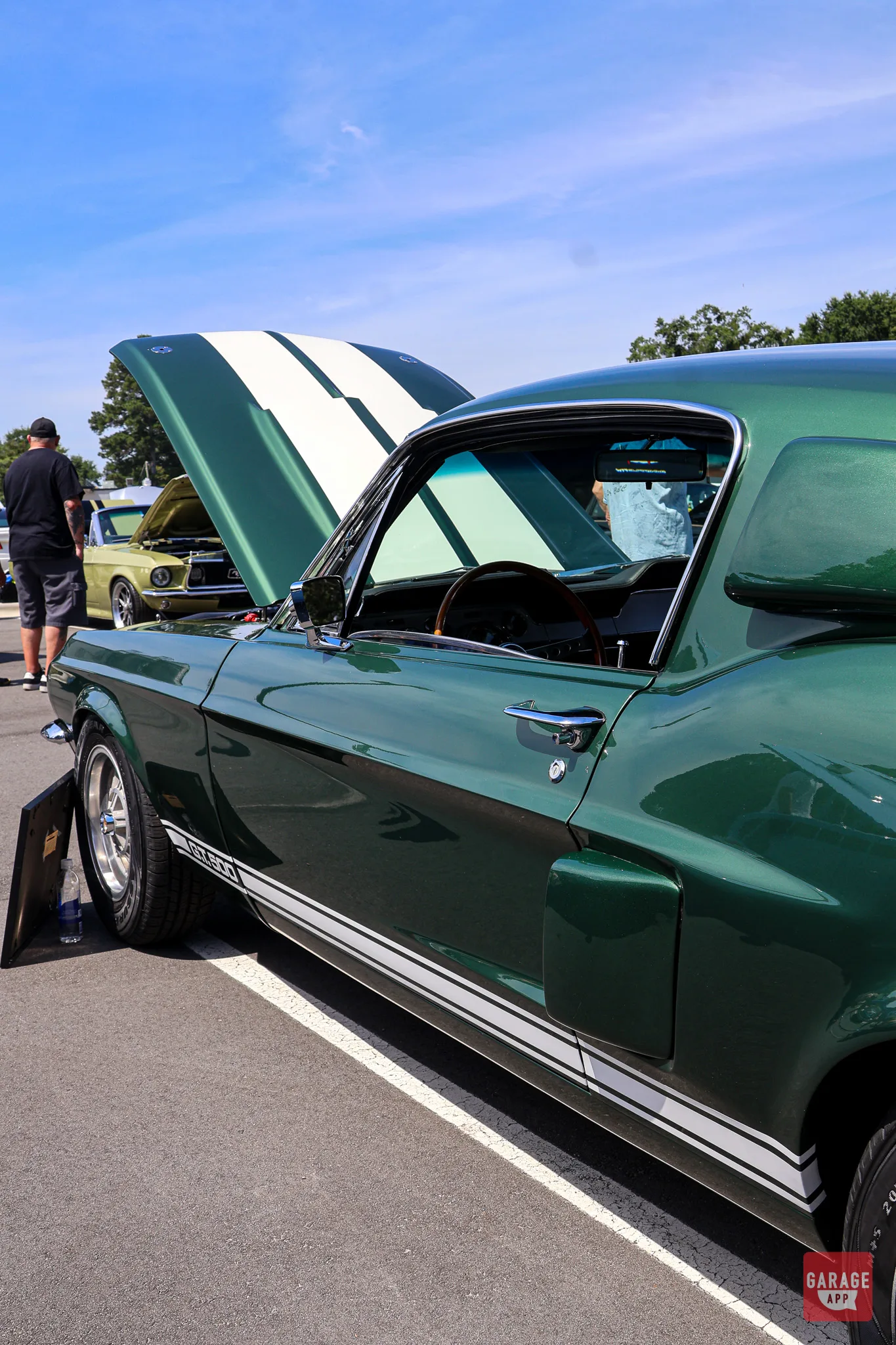
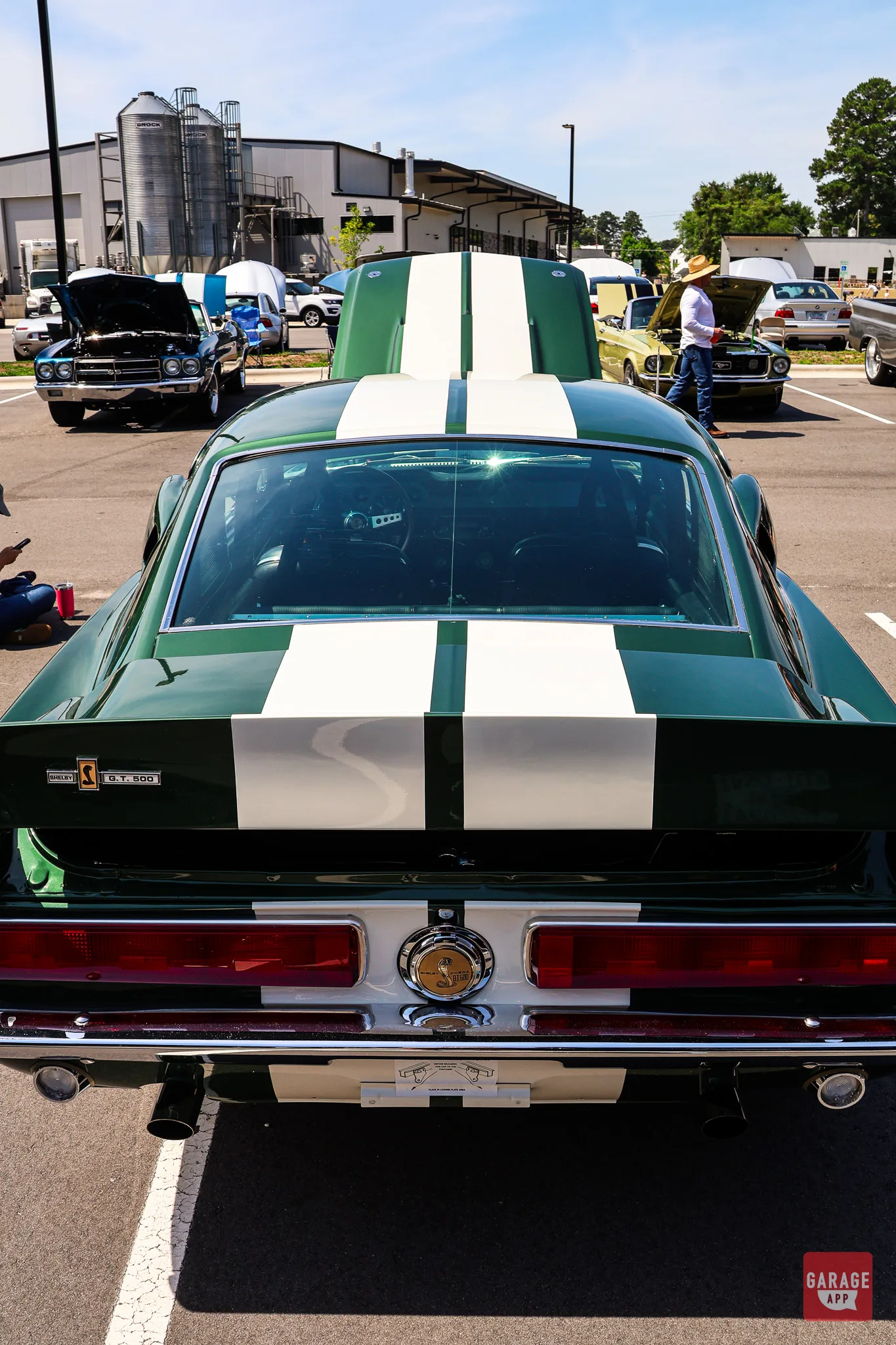
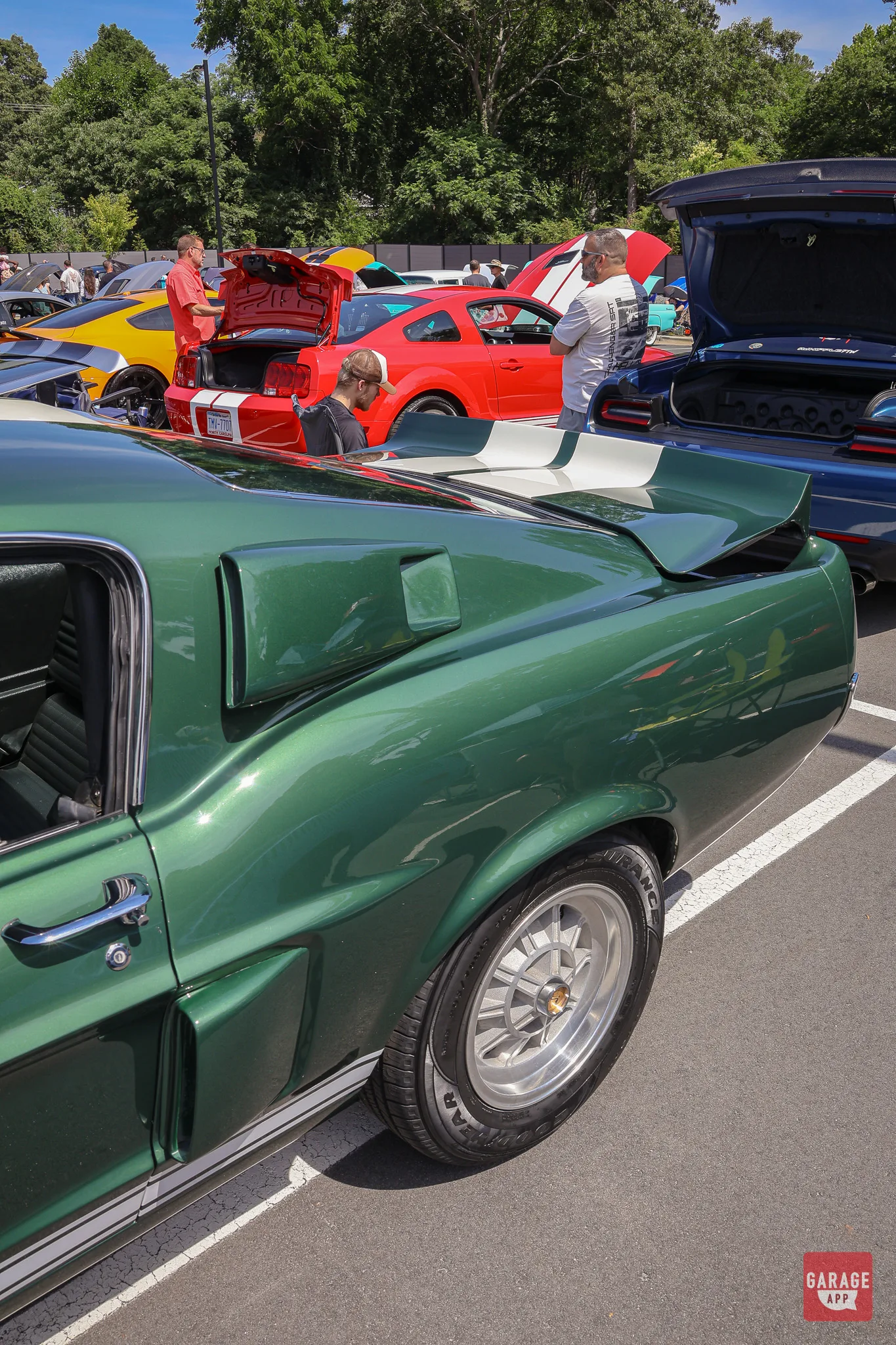
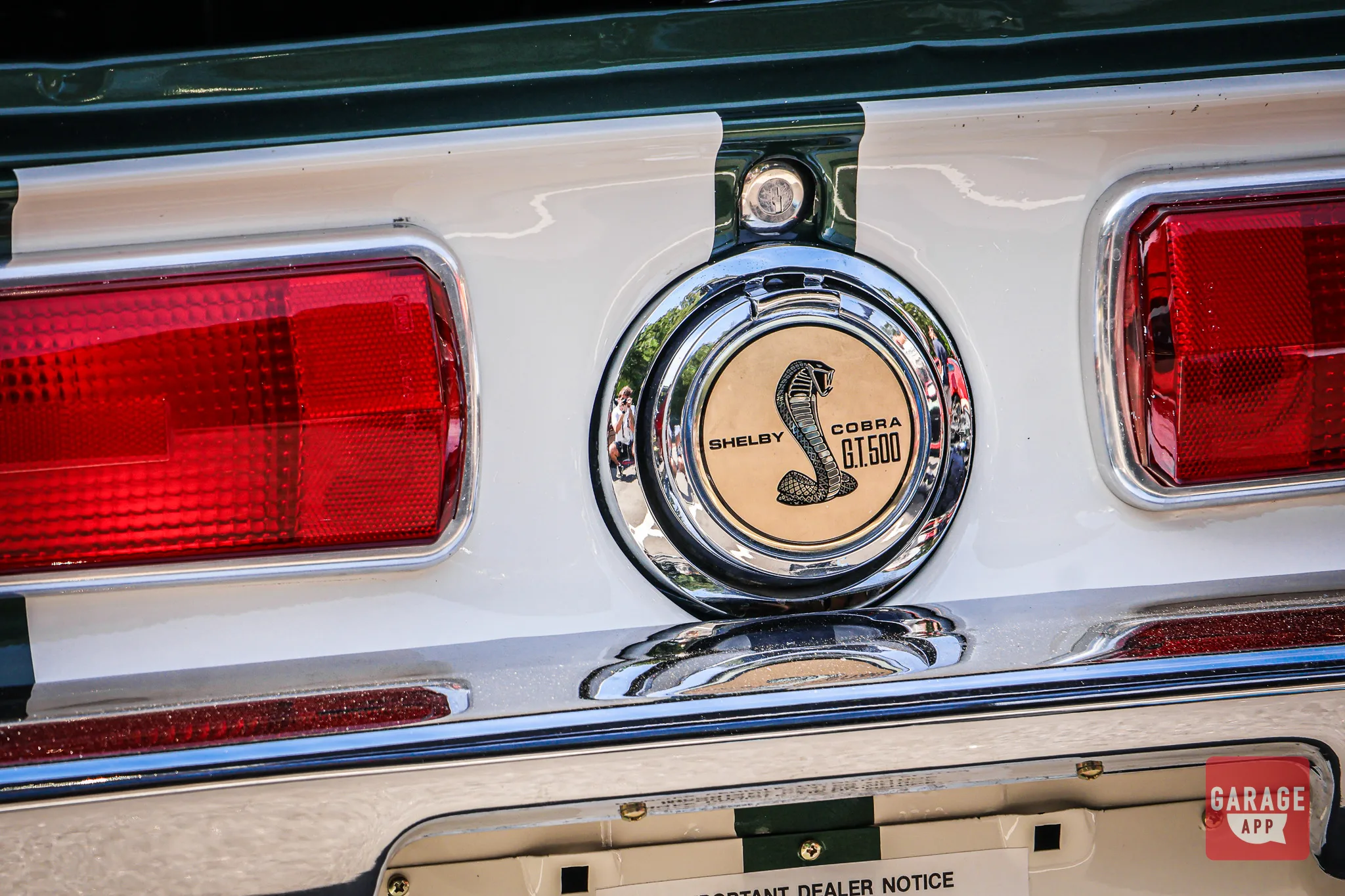
Styling is a huge part of the appeal. The 1968 cars wore fiberglass front and rear ends, sequential taillights borrowed from the Mercury Cougar, and a hood loaded with functional scoops. Sitting in a lot full of modern metal, this classic Mustang looked wider, lower, and meaner than almost anything around it. It is the shape people picture when they hear the word Mustang.
The Carroll Shelby Connection
You cannot talk about these cars without talking about Carroll Shelby. A former chicken farmer and Le Mans winner, Shelby took Ford's pony car and turned it into something that could embarrass European sports cars on a road course. His partnership with Ford Mustang engineering produced the GT350 and GT500, and those cars carried his name and his attitude into showrooms across the country.
Shelby understood that performance sold, but so did image, and his fingerprints are on everything from the suspension tuning to the marketing. The GT500 delivered both, which is a big reason the cars command serious money today. A clean, documented 1968 GT500 regularly trades well into six figures, and KR variants climb higher.
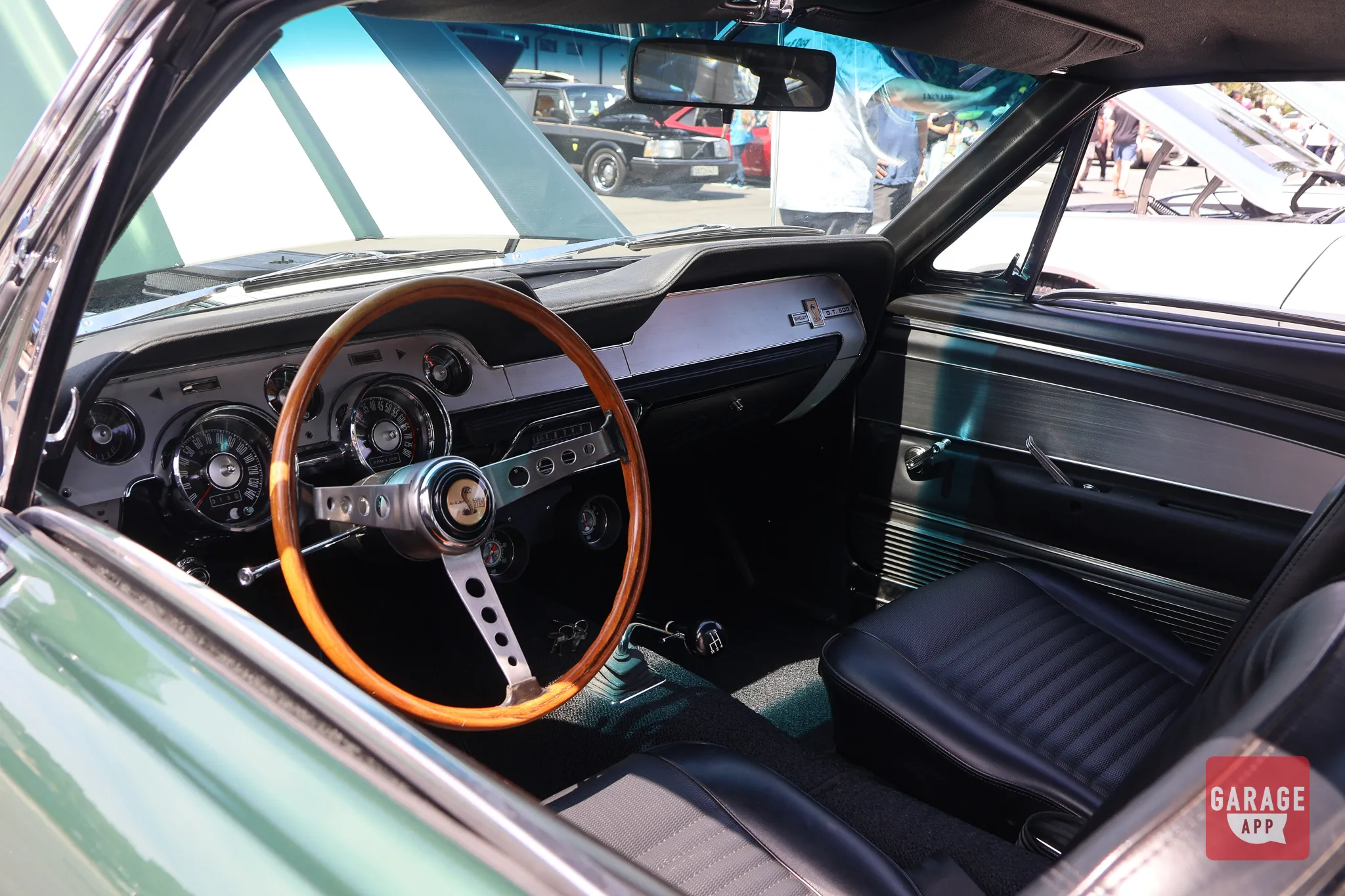
If you ever get the chance to check the data plate and Shelby registry number on a GT500, take it. Original drivetrain and documented history can double the value of an otherwise similar car.
Racing Heritage That Built the Legend
The Shelby name earned credibility on the track long before the GT500 rolled off the line. The earlier GT350 competition cars dominated SCCA B-Production racing, and that motorsport DNA trickled straight into the street cars. When buyers looked at a GT500 in 1968, they were not just buying a fast Ford. They were buying into a story that included Cobras, Daytona Coupes, and hard-won victories against Ferrari at Le Mans.
It only takes about five minutes to build a car that goes fast. It takes a lifetime to build a car that people remember.
Attributed to the spirit of Carroll Shelby's approach
That heritage is exactly why these cars belong at events surrounded by people who appreciate them. Standing next to the GT500 at Fuquay-Varina, you could hear owners of newer cars trading stories about the Total Performance era with the guy who brought the Shelby. You can find plenty more of those conversations across our shows and events coverage.
Why Cars and Coffee Events Keep History Alive
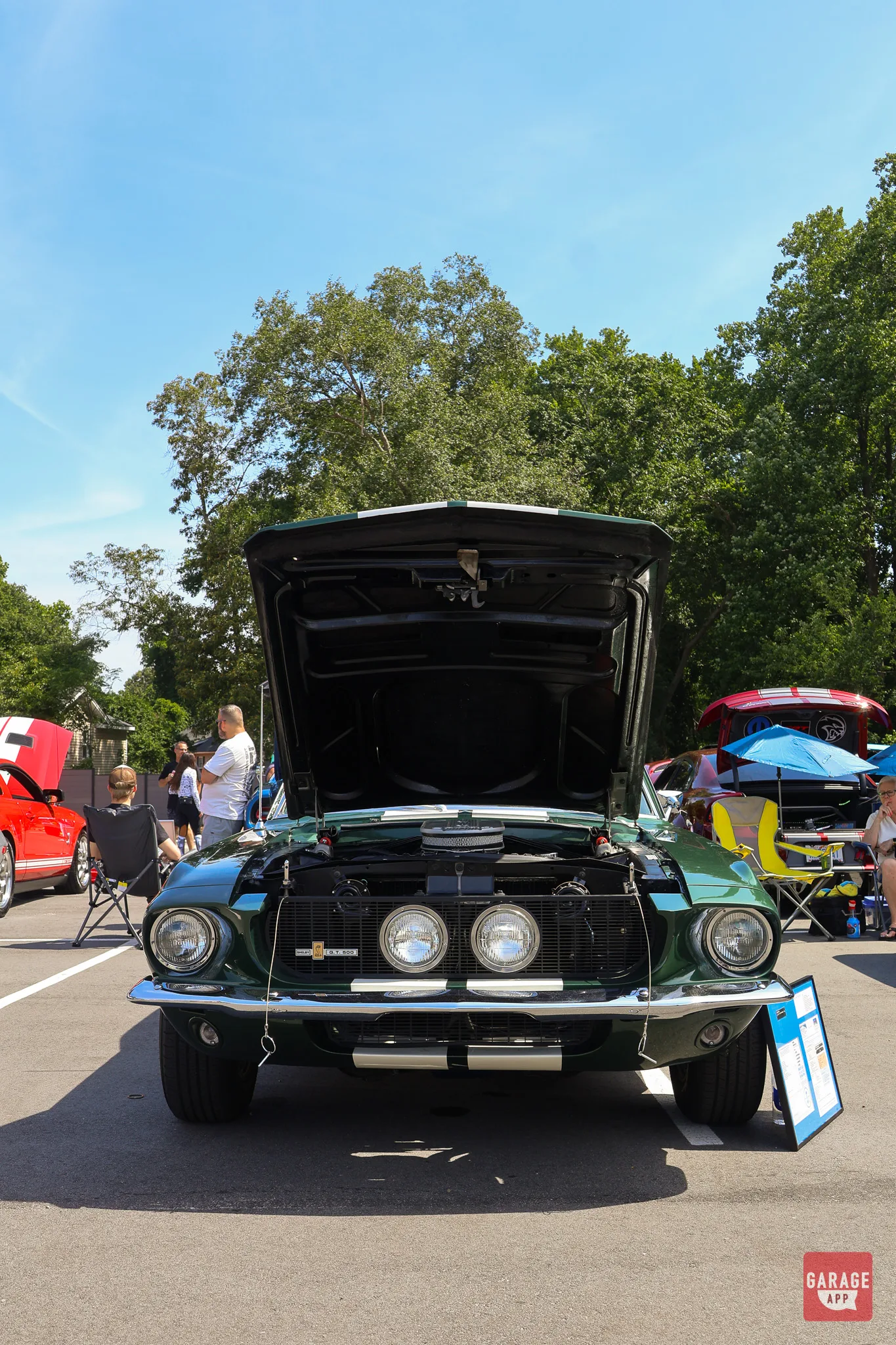
There is something special about seeing a car like this in a relaxed setting rather than behind a velvet rope at a museum. Cars and Coffee gatherings put rare machines within arm's reach, and the owners are usually happy to pop the hood and answer questions. That accessibility does more for preserving automotive community knowledge than any glossy magazine spread ever could.
The Fuquay-Varina Cars and Coffee scene is a great example. On any given weekend you might find restored muscle cars parked next to modern turbocharged sports cars, JDM builds, and the occasional exotic. That mix is the whole point. A teenager who shows up to admire a new Supra might walk away obsessed with a big block Mustang they never would have seen otherwise. To zoom out, our state-by-state Cars and Coffee guide for 2026 shows just how far the culture reaches.
- Knowledge sharing between owners who have chased down parts and learned the quirks of these cars.
- Inspiration for younger enthusiasts who get to see and hear classics in person instead of on a screen.
- Connection between owners of similar cars who might otherwise never cross paths.
- Preservation of history through stories, photos, and the simple act of keeping these cars on the road.
For a deeper look at that particular meet, the Fuquay-Varina Cars and Coffee recap covers the vibe and variety, and the crowd stays friendly to newcomers. Thinking of starting one of your own? Our guide on how to organize a car meet walks through the details.
Bring your own coffee and arrive early. The best cars often show up first and leave before the crowd peaks, so the golden hour for spotting rare metal is usually the first 45 minutes.
A Snapshot of the Fuquay-Varina Crowd
What makes local meets so rewarding is the unpredictability. One week the Shelby is the star. The next it might be an air-cooled Porsche, a clean E30 BMW, or a home-built restomod that took someone three years of weekends. You can browse more standout cars in the ongoing featured vehicles collection from nearby Triangle-area meets, including the Cars and Coffee scene in Morrisville and Raleigh.
That variety is also why event photography is such a big part of the hobby. If you like documenting what rolls in, our video and photography coverage has tips for capturing cars like the GT500 in their best light. And if a hard-core BMW crowd is more your thing, the Europäisch Raleigh BMW community is worth a look.
Finding Local Car Meets With GarageApp
The hardest part of this hobby is often just knowing where and when things happen. Word of mouth works, but plenty of great events fly under the radar until you happen to be scrolling the right forum at the right time. That is the gap GarageApp is built to close.
Instead of hunting through scattered Facebook groups, you can use GarageApp to find car meets near me, upcoming Cars and Coffee gatherings, track days, and weekend cruises in one place. For classic Ford enthusiasts especially, that means you are far less likely to miss the morning a genuine 1968 Shelby GT500 rolls into your local lot. You can even dig into specific makes and models to see what is out there.
- Search classic car events and Cars and Coffee meets happening near your location.
- Build a digital profile for your own car so fellow owners can find you.
- Connect with other classic Ford enthusiasts or owners of your specific make and model.
- Plan cruises and group drives to and from events with people you actually want to ride with.
The community side is what keeps people coming back. Talking to the owner, swapping build stories over in our builds and restorations section, and finding out about the next meet is what turns a one-off visit into an ongoing part of your week. If you are new to all this, the Cars and Coffee events guide is a solid starting point. Ready to go faster? Our first track day guide covers what to expect.
Setting up your car's profile before your first meet gives you an easy conversation starter. People love pulling up each other's builds and specs right there in the parking lot.
Interesting Facts About the 1968 GT500
- The 1968 GT500 introduced the GT500KR mid-year, packing the 428 Cobra Jet engine that made the car a legitimate drag strip threat.
- Production numbers were relatively low, which helps explain why survivors command such strong collector value today.
- The sequential rear taillights came straight from the Mercury Cougar parts bin.
- Convertible versions of the 1968 Shelby are especially prized and far rarer than the fastbacks.
- Ford's marketing leaned hard on the Shelby name, and the association with Carroll Shelby still adds a premium at auction decades later.
These details matter when you are standing in front of one. Knowing that the KR badge means King of the Road, or that the taillights are shared with a Cougar, turns a quick glance into a genuine appreciation for how these cars were built. It is the sort of context we cover all the time on the GarageApp blog.
Go See One in Person
Photos and videos are great, but they cannot capture the sound of a 428 firing up on a cool morning or the way a crowd naturally forms around a car this significant. If you have never experienced a classic Mustang like the GT500 up close, a local meet is the place to fix that. Once you catch the bug, planning a proper weekend drive or route to the next one is half the fun, and it is often how people find their local car and motorcycle clubs. Grab a coffee, find a meet, and go see the cars that built American muscle history while you still can.