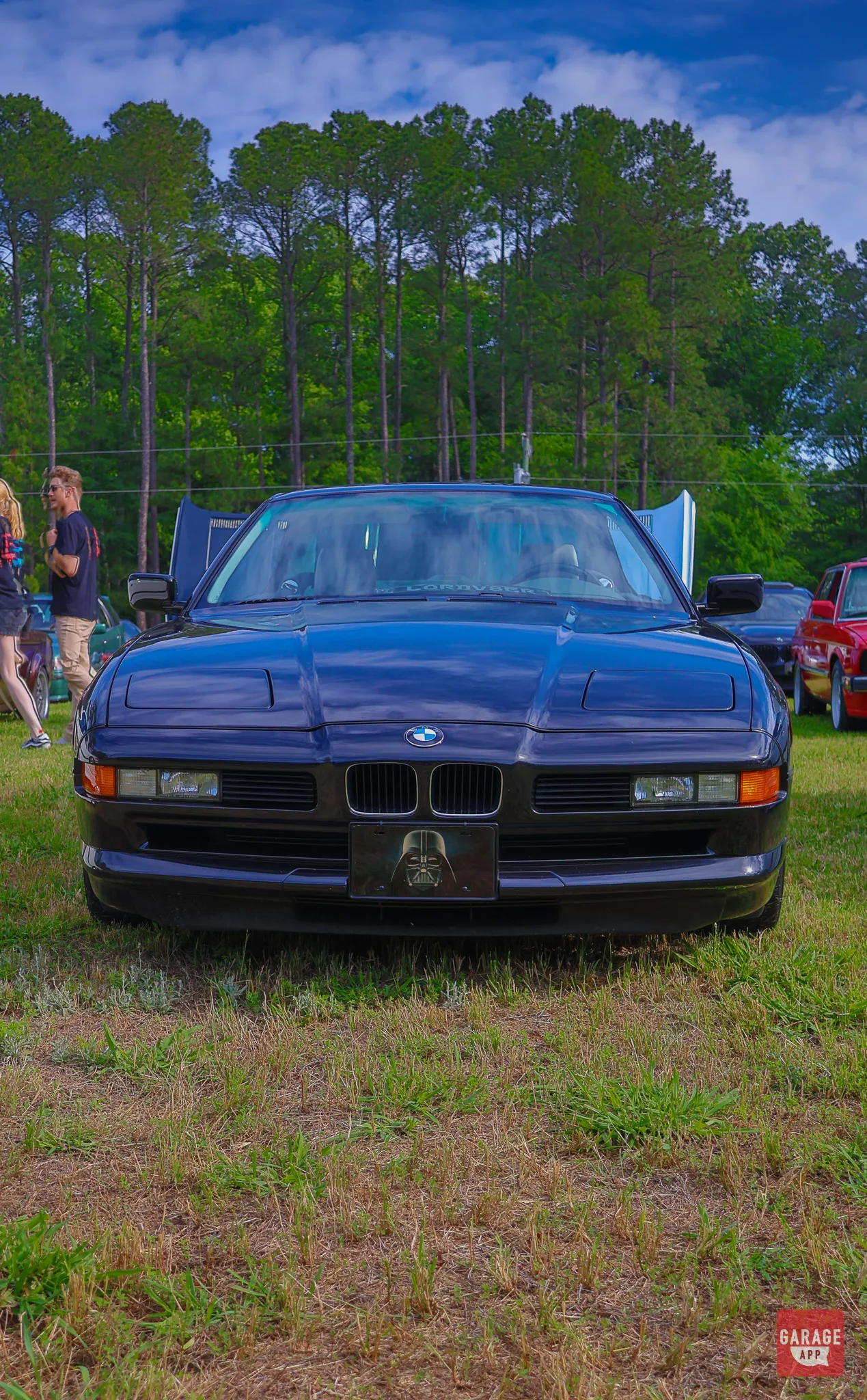

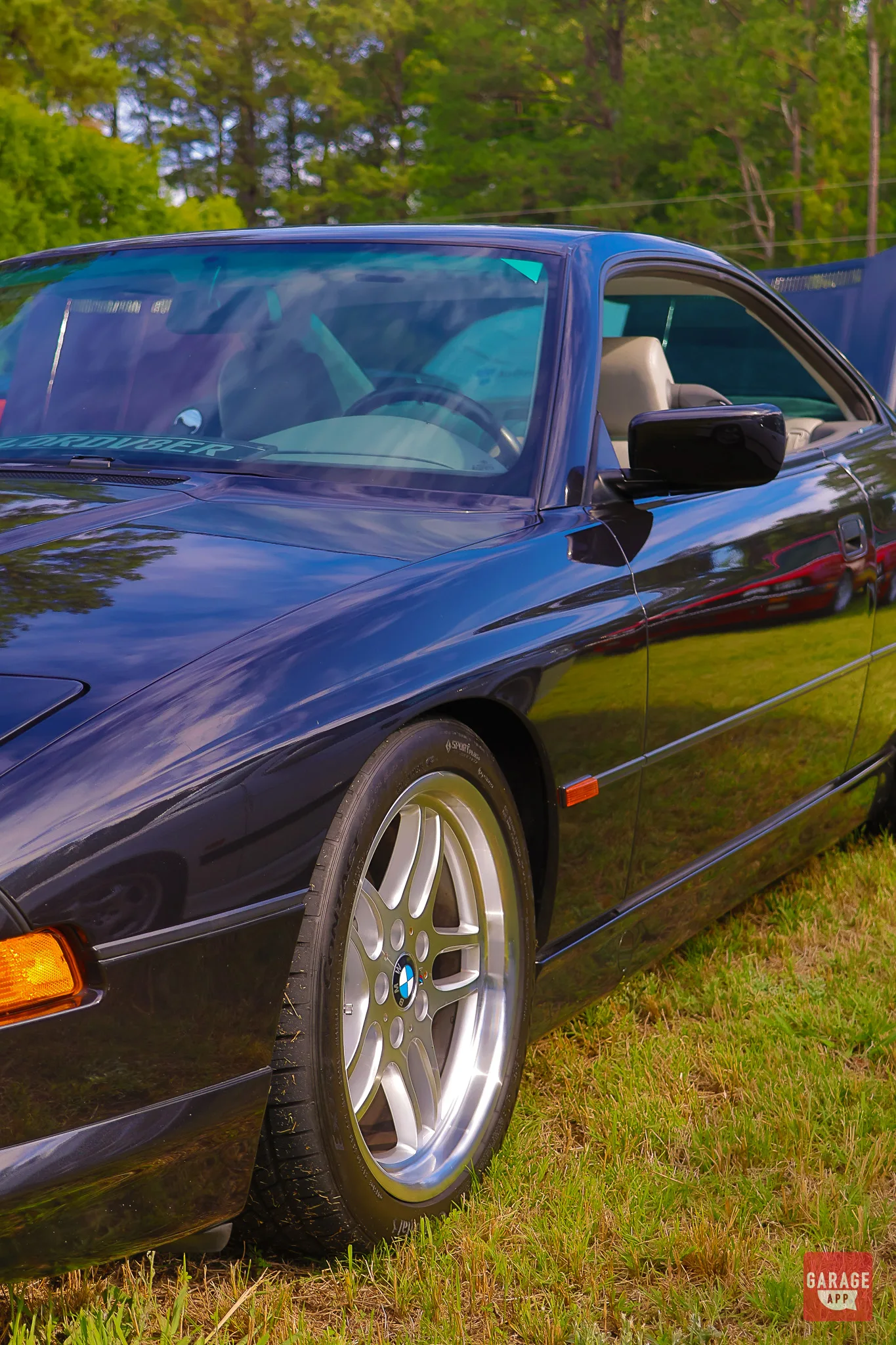
There are grand tourers, and then there is the BMW 840Ci. Park a black E31 under a streetlight and it stops looking like a 30-year-old coupe. The long hood, the low roofline, the flush pillarless glass, all of it reads like something BMW might unveil next year. The E31 was BMW's technological flagship in the 1990s, and the more time you spend with a well-kept example, the more you understand why the BMW E31 has become a genuine collector icon.
The Origins of the BMW E31 8 Series
The BMW 8 Series arrived in 1989 to replace the E24 6 Series, and it was a completely different animal. Where the E24 was elegant and restrained, the E31 was BMW throwing everything it had at a single car. This was the brand's halo model, developed with an enormous budget and packed with technology that would trickle down through the range for years.
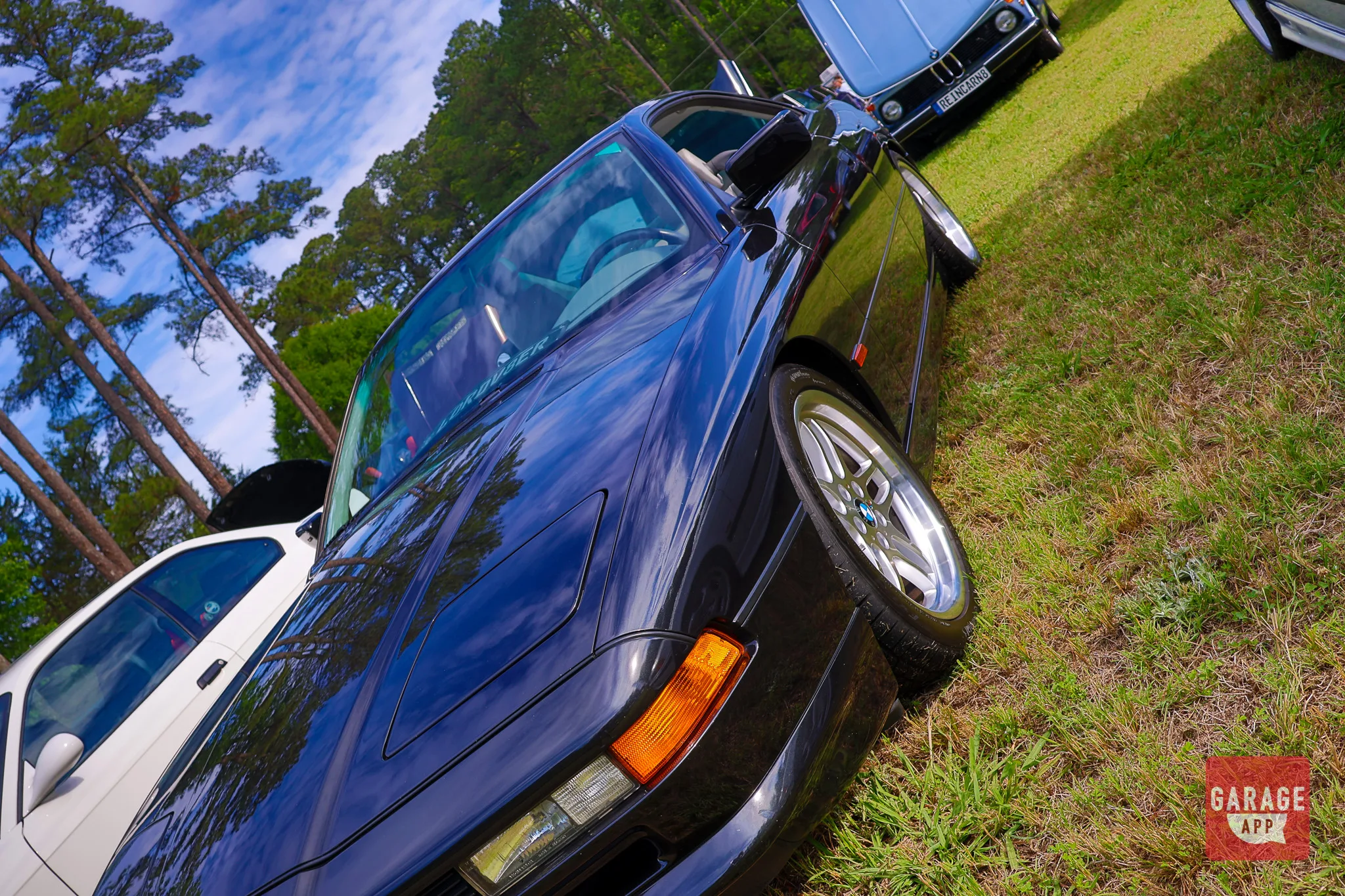
The E31 introduced things enthusiasts still talk about. Pop-up headlights that flip up from that seamless nose. A CAN bus electrical architecture that was cutting edge at the time. Multilink rear suspension and clever chassis engineering built for sustained high speed. This car was born on the autobahn, meant to cover huge distances at three-figure speeds without the driver breaking a sweat.
When shopping an E31, ask whether the pop-up headlight motors have ever been serviced. They are a known weak point and a smooth, even lift on both sides tells you the car has been cared for.
The BMW 840Ci and the Rise of the V8 Grand Tourer
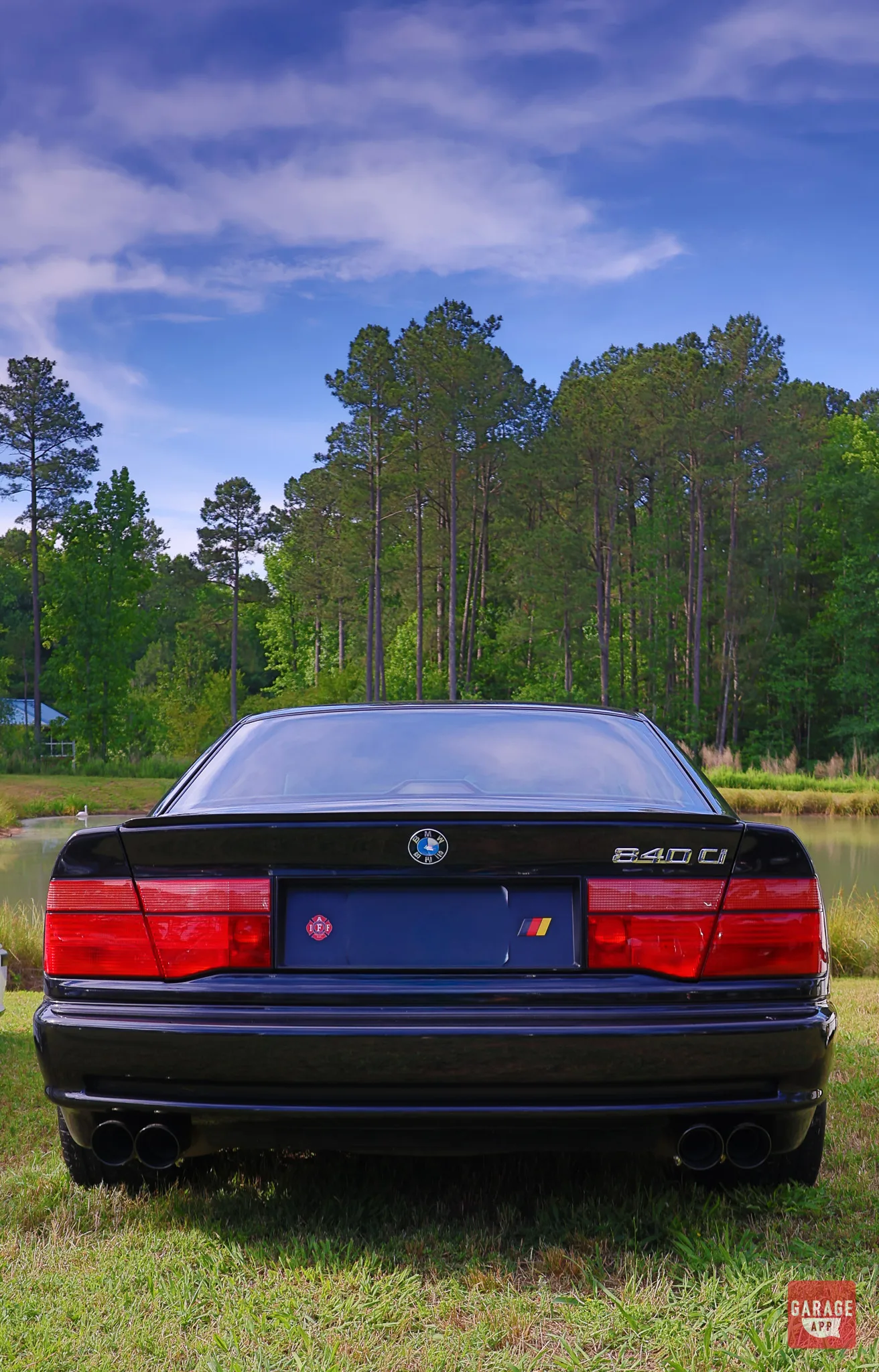
The E31 BMW 840Ci joined the lineup in 1993 as the V8 model, positioned below the V12 850i. Early cars used the BMW M60 engine, a 4.0 liter naturally aspirated V8, and later cars moved to the 4.4 liter M62. Both engines matter enormously in BMW history. The M60 was BMW's first modern V8 in decades and it set the template for a generation of smooth, torquey eights.
What makes the 840Ci special is balance. The V12 850i is glorious, but heavy over the nose. The BMW V8 coupe feels lighter on its feet, more willing to change direction, and easier to live with day to day. It still delivers that effortless surge of naturally aspirated torque, the kind of delivery that modern turbo engines have largely traded away for outright numbers.
The 840Ci is the thinking enthusiast's 8 Series, all the drama of the shape with a lighter, more honest chassis underneath.
Common sentiment among E31 owners
How It Compares
Against its rivals, the BMW grand tourer carved its own identity. The Mercedes-Benz SL of the era leaned toward open-top luxury. The Jaguar XJS was older in feel and softer in intent. Within BMW's own range, the 850CSi was the hardcore driver's version and the 850i the flagship. The 840Ci sat in the sweet spot, offering the same iconic silhouette with the naturally aspirated V8 that many now consider the connoisseur's choice.
Design That Still Looks Modern Today
Design chief Claus Luthe led BMW's styling during this period, and the E31 is arguably his masterpiece. The proportions are pure grand tourer. A long hood, a cabin pushed rearward, a wide low stance, and that dropping roofline into short rear glass. There is barely a bad angle on the car.
In black, the E31 becomes something else entirely. Darker colors hide the subtle surface changes just enough to let the body lines do the talking. The pillarless windows drop into that unbroken flank, the kidney grilles sit low and understated, and the whole thing looks poured rather than assembled. It is quiet, confident luxury rather than shouting for attention. That restraint is a big part of why so many enthusiasts call the E31 one of the most beautiful cars BMW ever built.
Black E31s reward obsessive paint care. A single-stage correction and a proper sealant will make those long body panels look wet from across a parking lot.
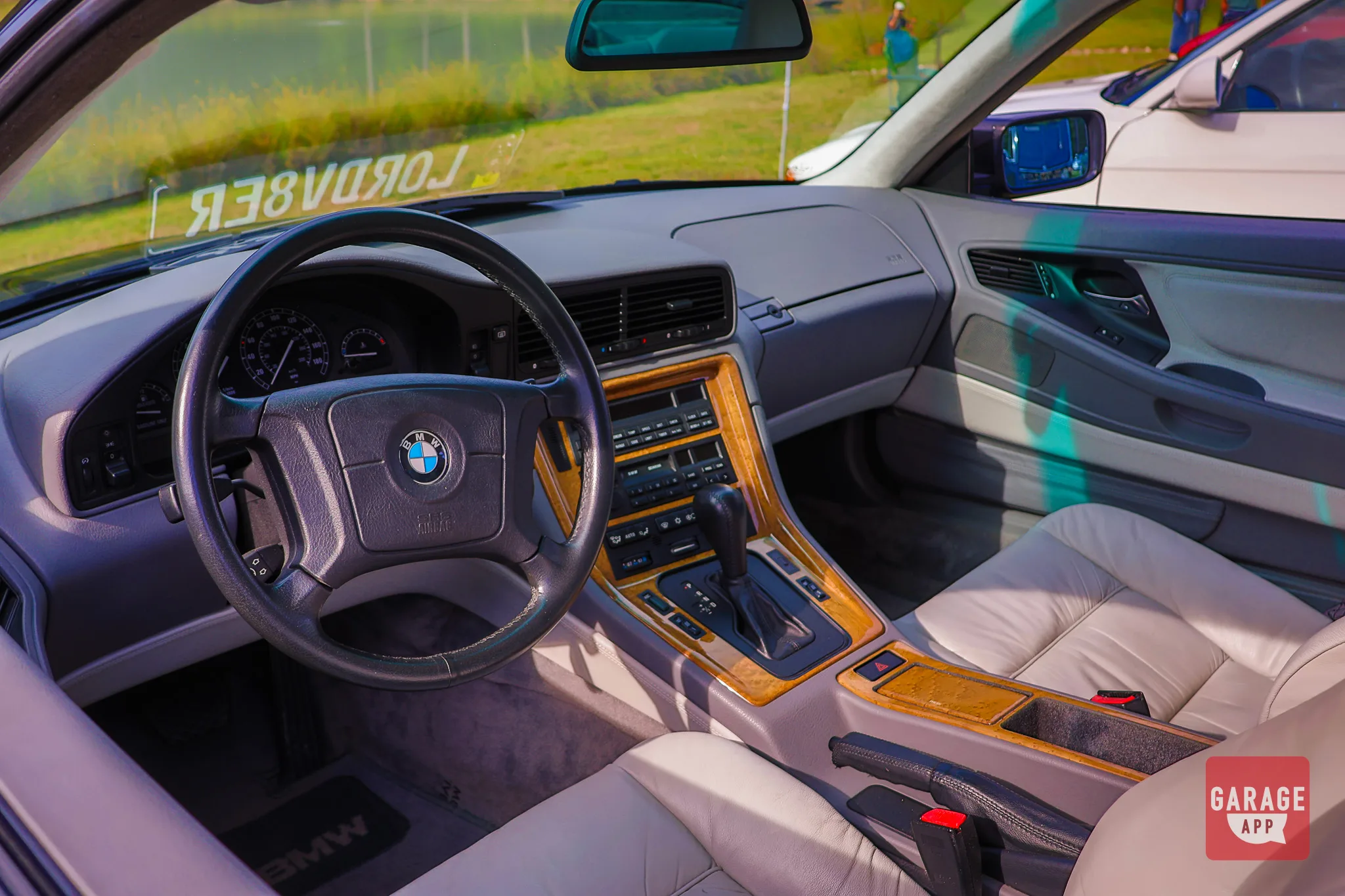
Inside the E31 Cockpit
Open the long door and the BMW E31 interior wraps around you. The dashboard curves toward the driver in a way that feels intentional and focused, with everything angled for the person behind the wheel. Gray leather ages beautifully in these cars, and the material quality still holds up against far newer luxury coupes.
This is a cabin built for distance. The seats are deep and supportive, the driving position is low and planted, and the whole environment is calm at speed. There is real switchgear you can operate by feel, analog gauges you can read at a glance, and none of the screen-heavy distraction of modern interiors. Spend a few hours in one and the phrase grand touring starts to make total sense again.
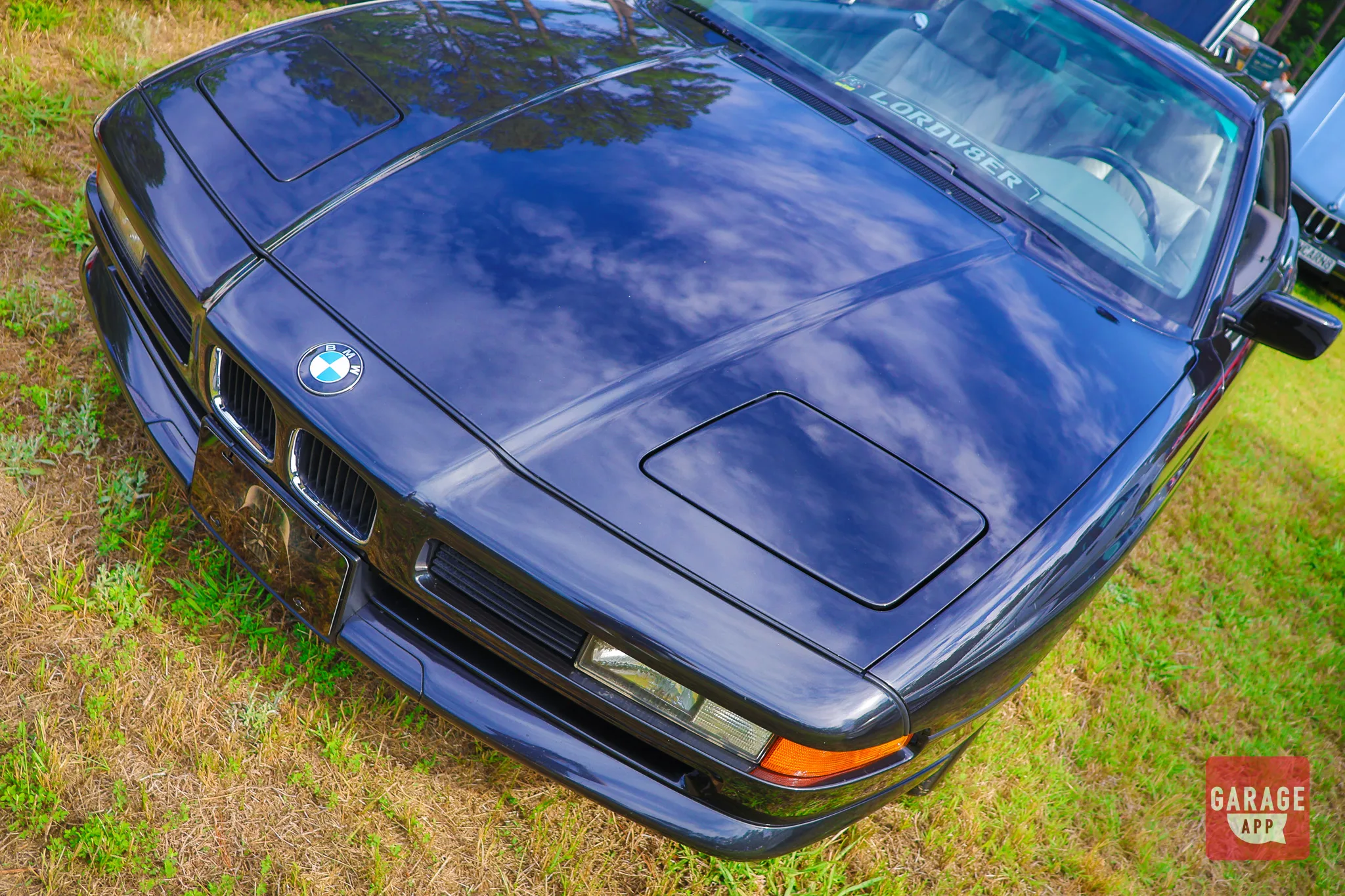
Driving the BMW 840Ci in the Modern Era
This is where the 840Ci earns its reputation. On a modern road it feels wonderfully analog without feeling old. The rear-wheel drive chassis is beautifully balanced, the steering has weight and feedback, and the V8 pulls with a smooth, linear muscle that turbo cars simply cannot replicate. Electronic throttle control was advanced for its day, and it gives the throttle a progressive, natural feel.
The soundtrack is understated but addictive, a deep V8 hum that swells rather than shouts. It is not trying to be a sports car. It is a car built to devour highways, to make a 500 mile drive feel like an afternoon, and it does that as well now as it did in 1994. If you have enjoyed the analog character of something like the 2019 Porsche 991 Speedster, the E31 offers that same honesty in a very different, more relaxed package.
This is exactly the kind of car enthusiasts love to document and share. Logging the miles, tracking the service history, and connecting with other owners keeps these machines alive, and a proper digital car garage makes it easy to keep every record and photo in one place.
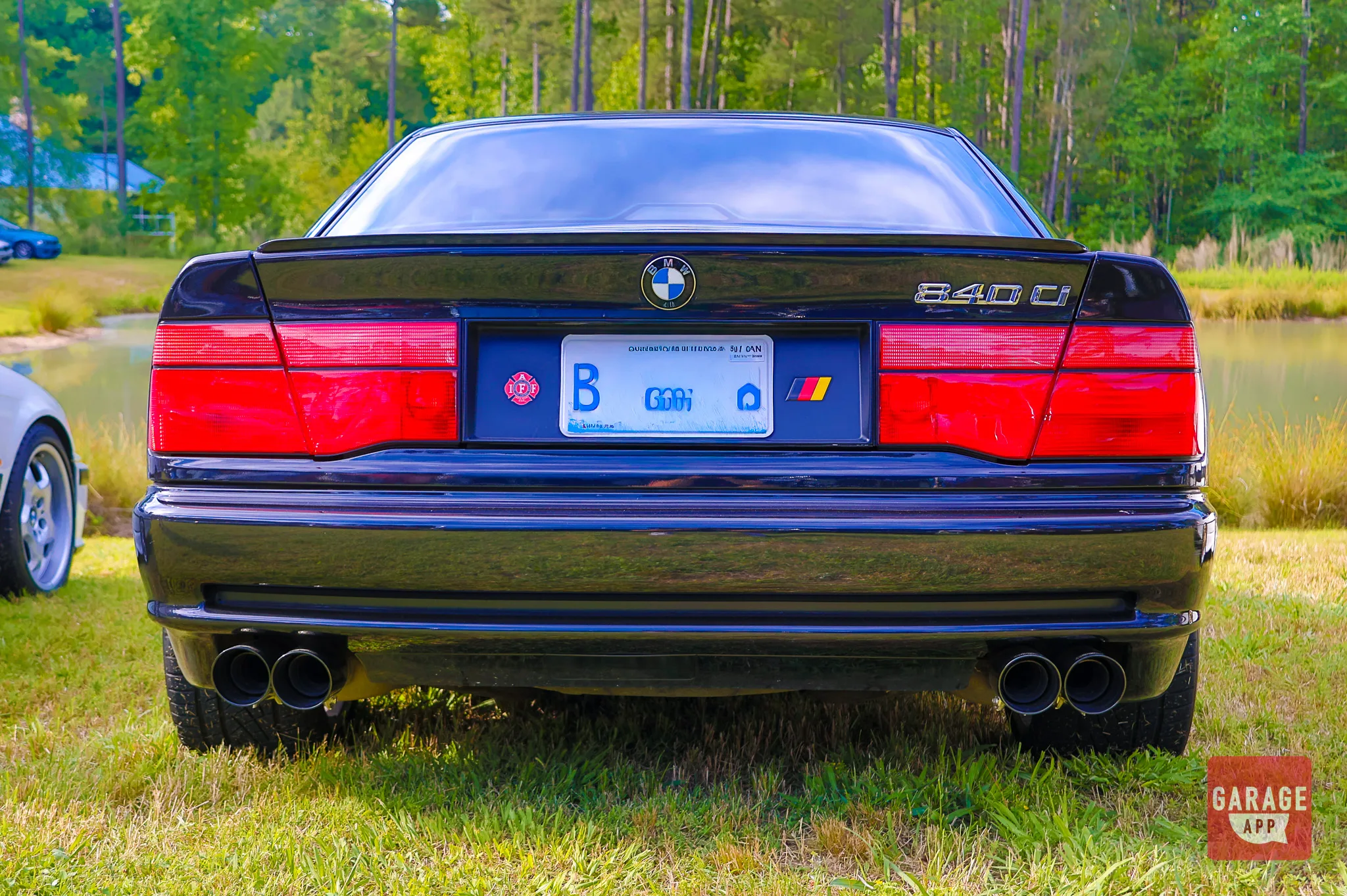
Collector Interest and the Future of the E31
For years the E31 was underrated. It was expensive to buy new, complex to maintain, and it lived in the shadow of the V12 850i. That quiet period is over. As appreciation for analog grand tourers has grown, BMW collector cars like the 840Ci have finally started to climb in value, and clean examples now command serious money.
Ownership is a commitment, and honesty matters here. The electronics can be fussy, cooling systems need attention, and the V8s reward proper preventive maintenance with excellent reliability. Parts availability has improved thanks to a strong enthusiast community. What buyers really chase is originality, documented service history, and a car that has been loved rather than neglected.
- Prioritize documented service records over a low price.
- Budget for cooling system and suspension refresh on unknown cars.
- Black examples in original gray leather are especially sought after.
- Naturally aspirated BMW M60 engine cars appeal to purists.
- Well-kept, unmodified E31s see the strongest collector demand.
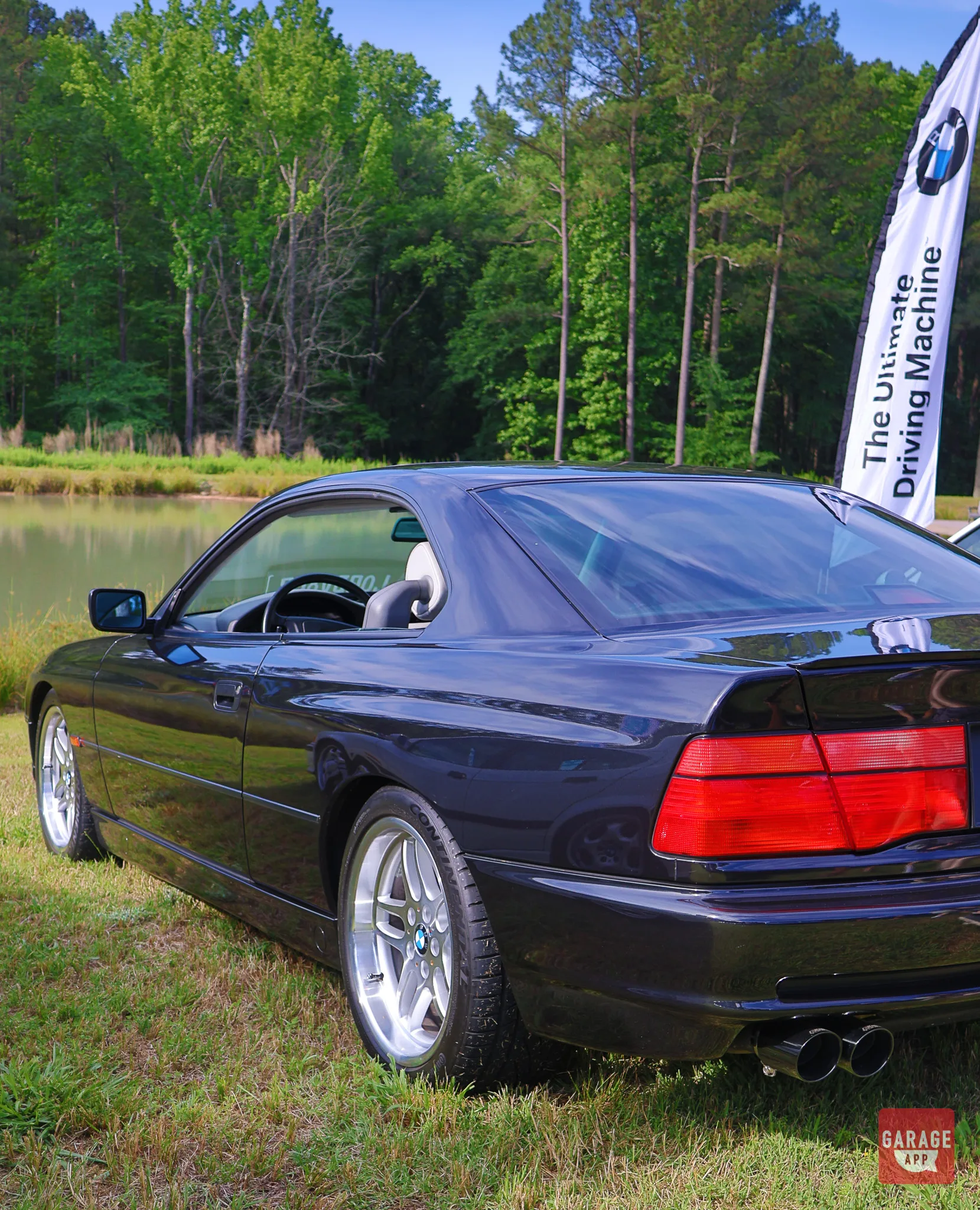
The bigger story is cultural. Classic German grand touring is having a moment, and enthusiasts are preserving these cars through clubs, drives, and shows. The E31 fits right into that world, a naturally aspirated V8 coupe from an era that valued engineering ambition over spec-sheet bragging. If you love the era, the BMW Z8 modern classic makes a fascinating companion piece to the 840Ci.
The BMW 840Ci review verdict is simple. It is a beautiful, capable, deeply satisfying grand tourer that offers something modern luxury coupes have quietly lost. Pop-up headlights, a real V8 soundtrack, a driver-focused cabin, and timeless proportions. The BMW 8 Series history is full of icons, and the black E31 840Ci is one of the very best.