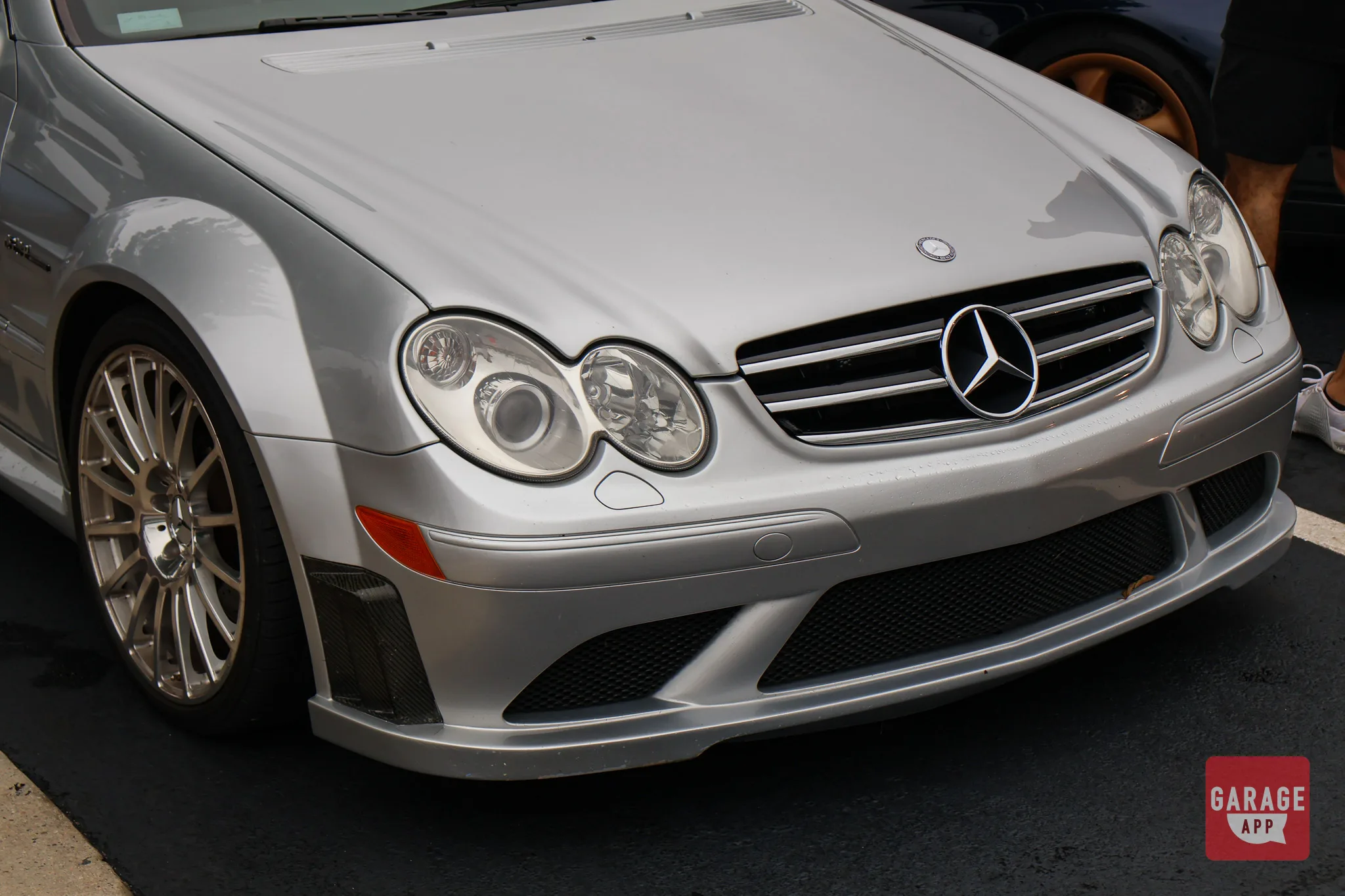

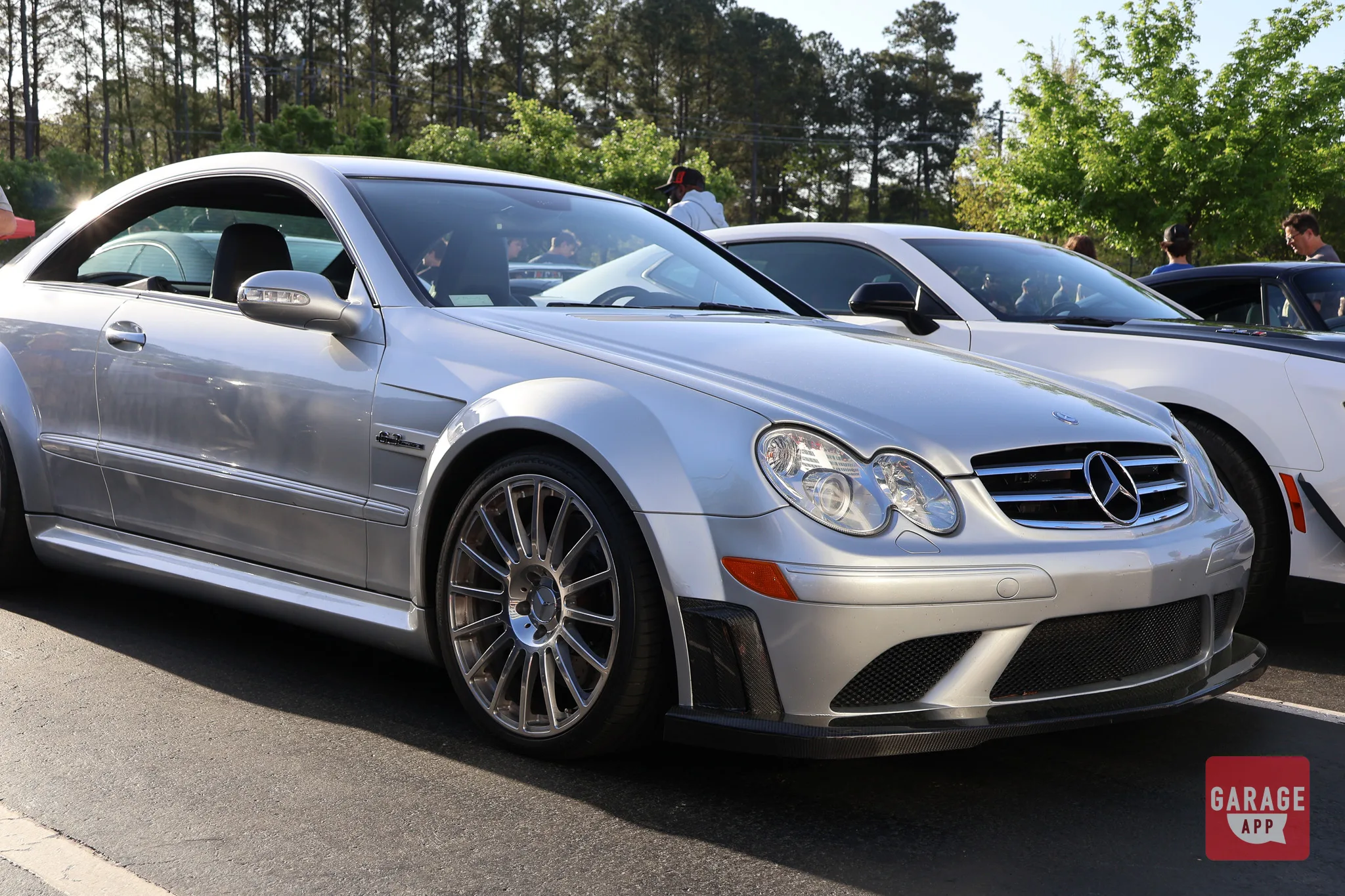
The Most Extreme CLK AMG Ever Built
There are fast Mercedes-Benz coupes, and then there is the 2009 Mercedes-Benz CLK 63 AMG Black Series. This is the car that took a comfortable grand tourer and turned it into something closer to a weapon. AMG did not just bolt on a bigger engine and call it a day. They widened it, stiffened it, stripped weight where it counted, and tuned the chassis until the CLK became a genuinely intimidating machine on a back road.
Most people forget that this car traces its DNA back to the CLK 63 AMG Safety Car that paced Formula 1 grids. That connection was not just marketing fluff. The Black Series carried over the spirit of a purpose-built track car and made it road legal, which is exactly why so many enthusiasts still talk about it as one of the greatest AMG cars ever built.
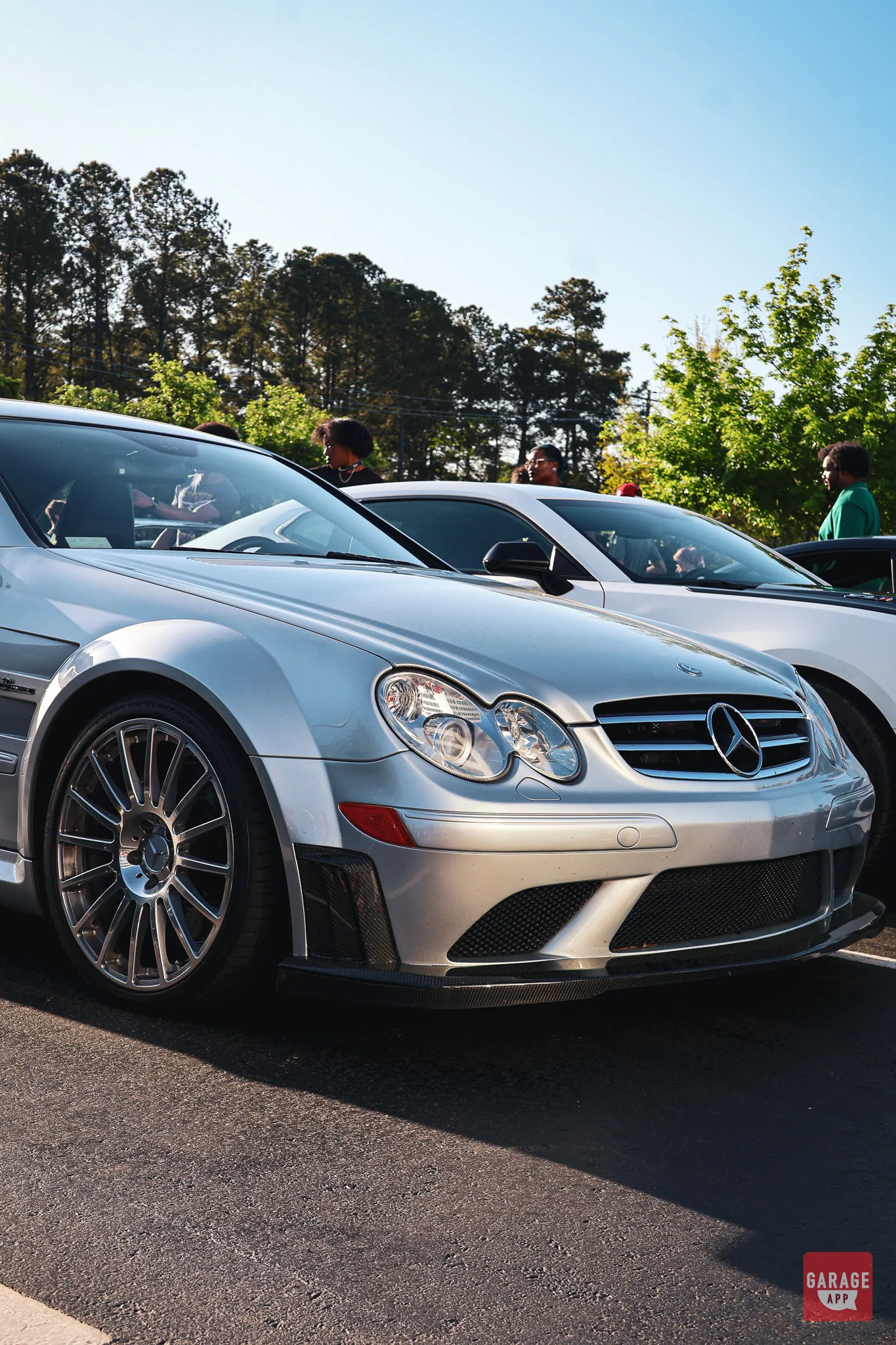
Production numbers were small. AMG built only a few hundred examples for any given market, and that scarcity has only fueled its rise as a serious Mercedes collector car. Values have climbed steadily, and clean, low-mileage examples now command money that would have seemed absurd when these cars were new.
If you are tracking values on a model like this, log every sale you spot. Building a simple price history over a few years tells you far more about a market than any single auction headline.
Iridium Silver Metallic and the Look That Sells
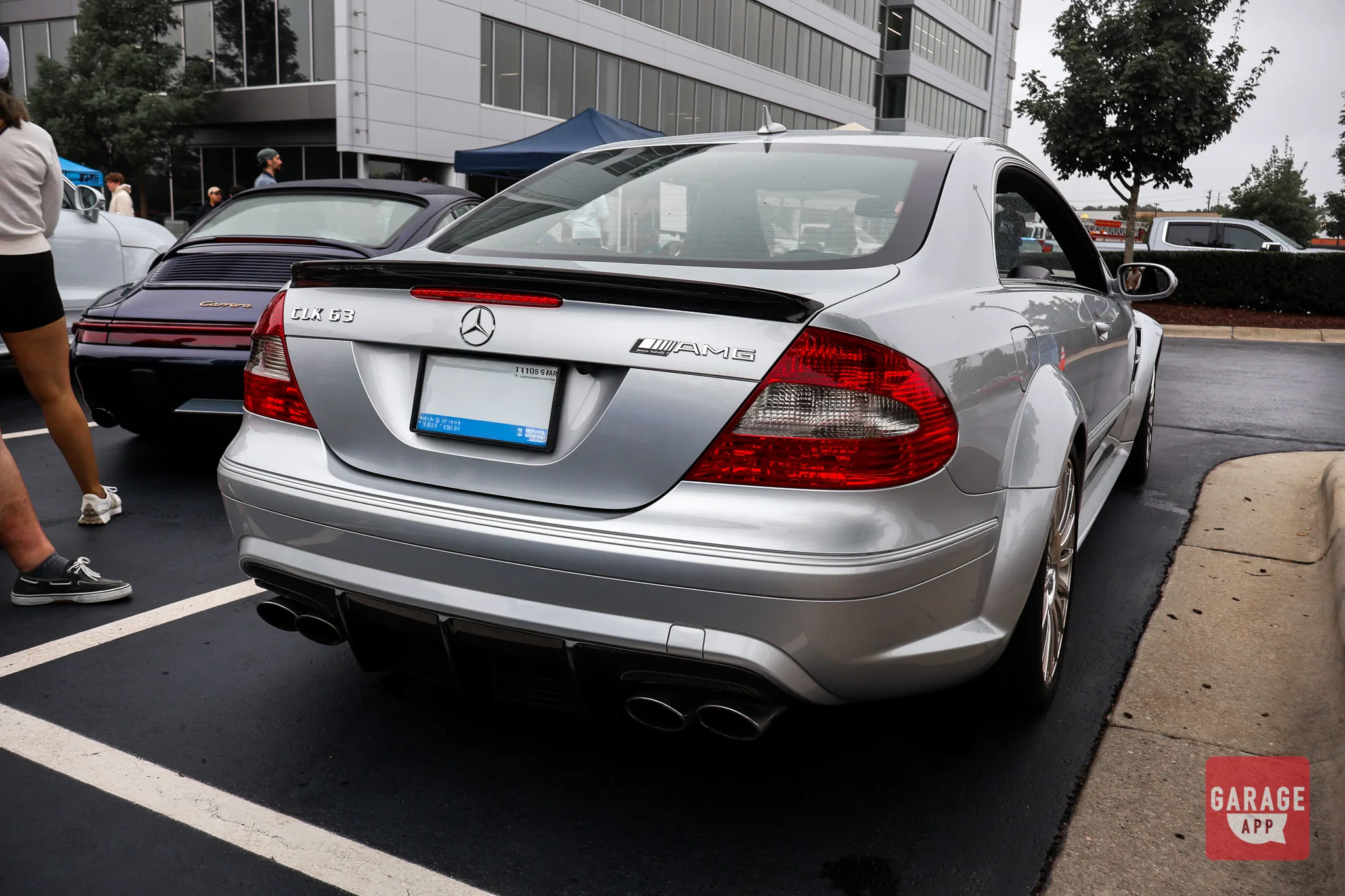
Color matters enormously on a car this aggressive, and Iridium Silver Metallic is one of the signature finishes for the Black Series. There is a reason buyers gravitate toward it. The cool silver tone catches every crease and curve of the dramatically widened bodywork, and it throws hard shadows across those flared fenders in a way darker colors simply hide.
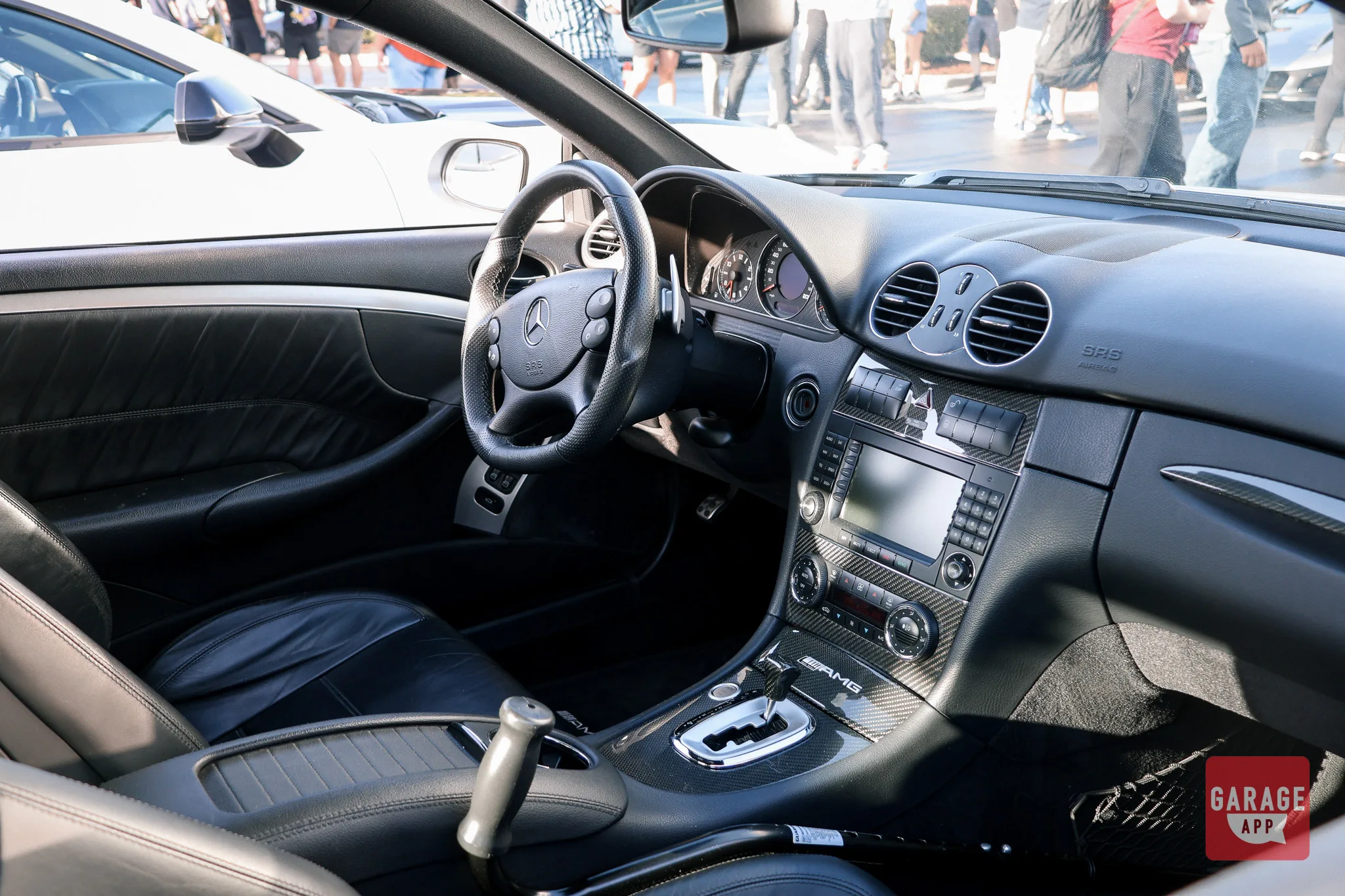
Factory colors like Iridium Silver carry weight with collectors because they tie a car back to its original spec. A repainted example or an unusual respray can knock real money off the value, while a documented, factory-finished car in a desirable shade tends to lead its segment. Originality is currency in this world, and the right paint is part of that.
Performance: The Glorious M156 V8
At the heart of this car sits the legendary 6.2-liter naturally aspirated AMG M156 V8. No turbos, no supercharger, just twelve and a half pints of displacement breathing freely and spinning toward a redline that makes the hair on your arms stand up. In the Black Series it produces 500 horsepower, and more importantly, it produces a soundtrack that no modern forced-induction AMG can match.
The M156 does not whisper. It announces itself, then dares you to chase the redline again.
Common refrain among AMG owners
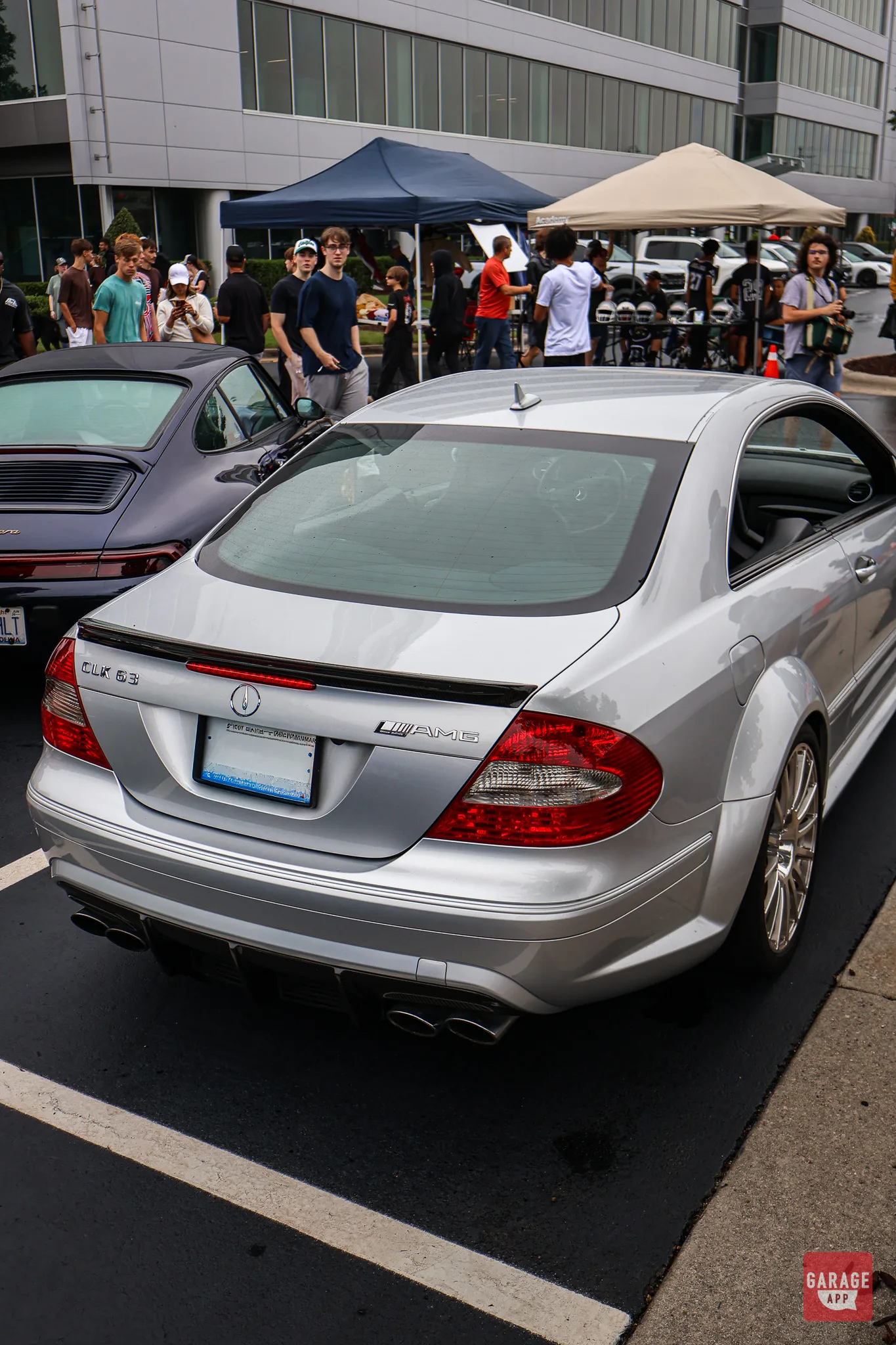
The M156 V8 is widely regarded as one of AMG's greatest engines for a reason. It was the first V8 designed entirely in-house by AMG rather than adapted from a standard Mercedes block, and it revs with an urgency you rarely feel in a big-displacement engine. The way it builds power feels linear and honest. You always know exactly what your right foot is doing.
Power Sent to the Rear
The Black Series is strictly rear-wheel drive, and AMG tuned the chassis to make the most of it. Power runs through the AMG Speedshift 7-speed transmission to a mechanical limited-slip differential, which sharpens corner exits and gives the car a playful, trustworthy attitude when you start leaning on it. It is the kind of setup that rewards smooth inputs and punishes laziness, exactly as a car like this should.
The M156 has a known history with head bolts on early examples. Ask any seller for documentation showing the updated bolts were fitted, and factor a service inspection into your buying budget.
Driving Experience: A Road-Legal Track Car
Calling the CLK 63 Black Series a road-legal race car is not hyperbole. AMG extensively revised the suspension, recalibrated the steering, and stiffened the chassis far beyond what the standard CLK ever needed. The result is a car that feels alert and slightly nervous at low speed, then comes alive the harder you push it. This is peak analog AMG performance, plain and simple.
There is very little electronic interference between you and the road. The throttle response is immediate, the steering tells you what the front tires are doing, and the whole car reacts the instant you ask it to. Drivers who came from later turbocharged AMGs often describe the Black Series as a revelation because of how directly it communicates.
And then there is the noise. The naturally aspirated V8 fills the cabin with a hard, metallic bark that climbs into something almost frantic near the top of the rev range. You find yourself dropping a gear just to hear it again. If you want a sense of how this analog character compares to other modern enthusiast machines, our look at the 2019 Porsche 911 Speedster covers similar territory from a very different angle.
Design: Wider, Lower, Angrier
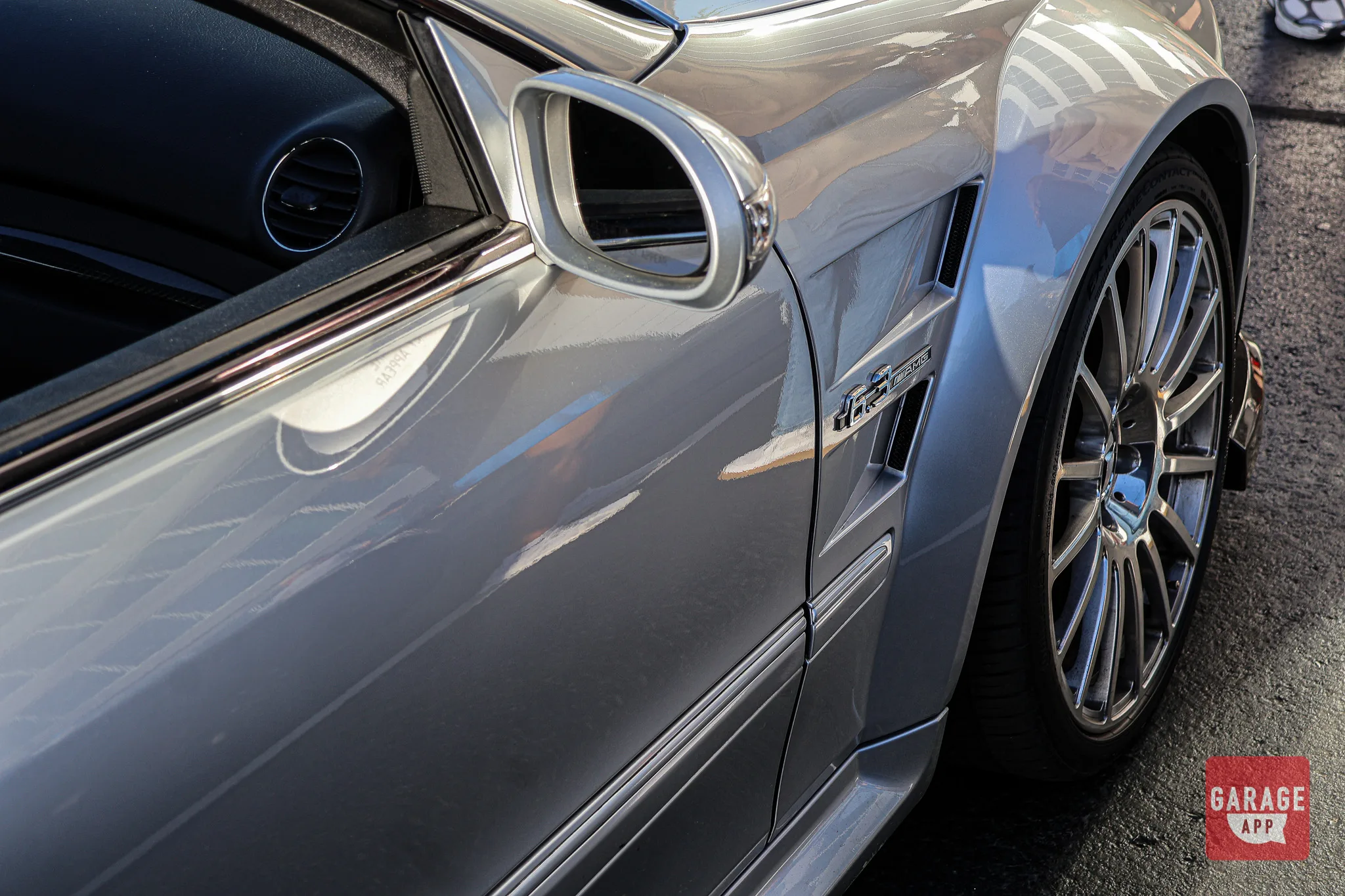
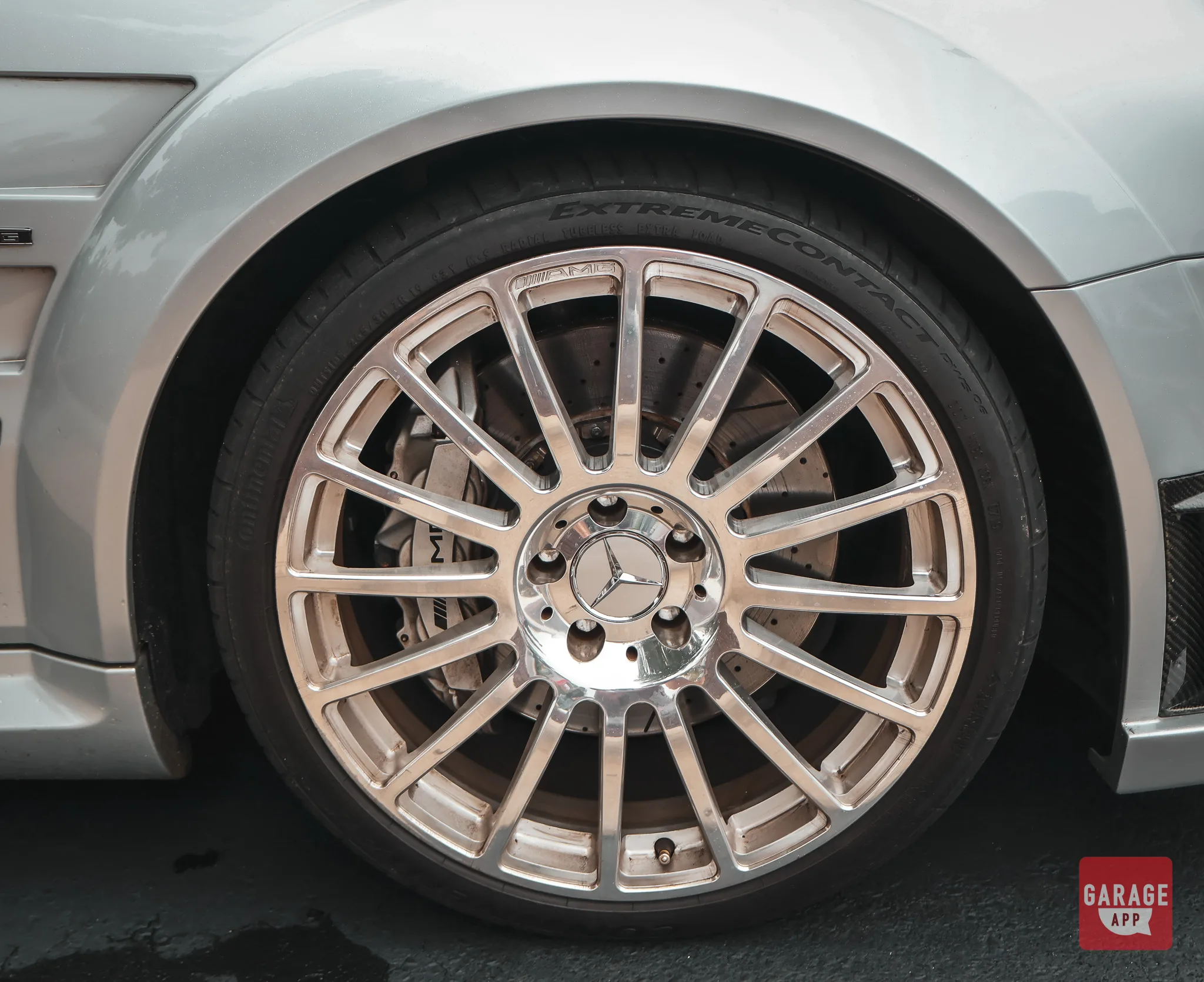
You cannot mistake a Black Series for a regular CLK 63. The fenders are dramatically widened front and rear to cover a much broader track, and they give the car a planted, muscular stance that the standard coupe never had. Up front there is an aggressive bumper with functional air intakes feeding cooling to the engine and brakes. Carbon-fiber components appear throughout, trimming weight and adding a bit of menace.
The fixed rear spoiler is the finishing touch. It is not subtle, and it is not meant to be. Every visual change serves a purpose, and the whole package looks significantly more serious than the comfortable coupe it started life as.
The Blueprint for Everything That Followed
This car set the template for the Black Series models that came after it. The C63 Black Series, the SLS Black Series, and eventually the AMG GT Black Series all drew from the philosophy AMG established with the CLK. Wider bodies, sharper chassis tuning, and a relentless focus on driving feel became the recipe, and it started here.
More than that, the CLK 63 Black Series marks the end of an era. It sits at the tail end of AMG's golden age of large-displacement, naturally aspirated V8 engines before turbocharging took over the lineup. That historical weight is a huge part of why collectors treat it the way they do. It represents naturally aspirated V8 perfection at the exact moment that formula was about to disappear.
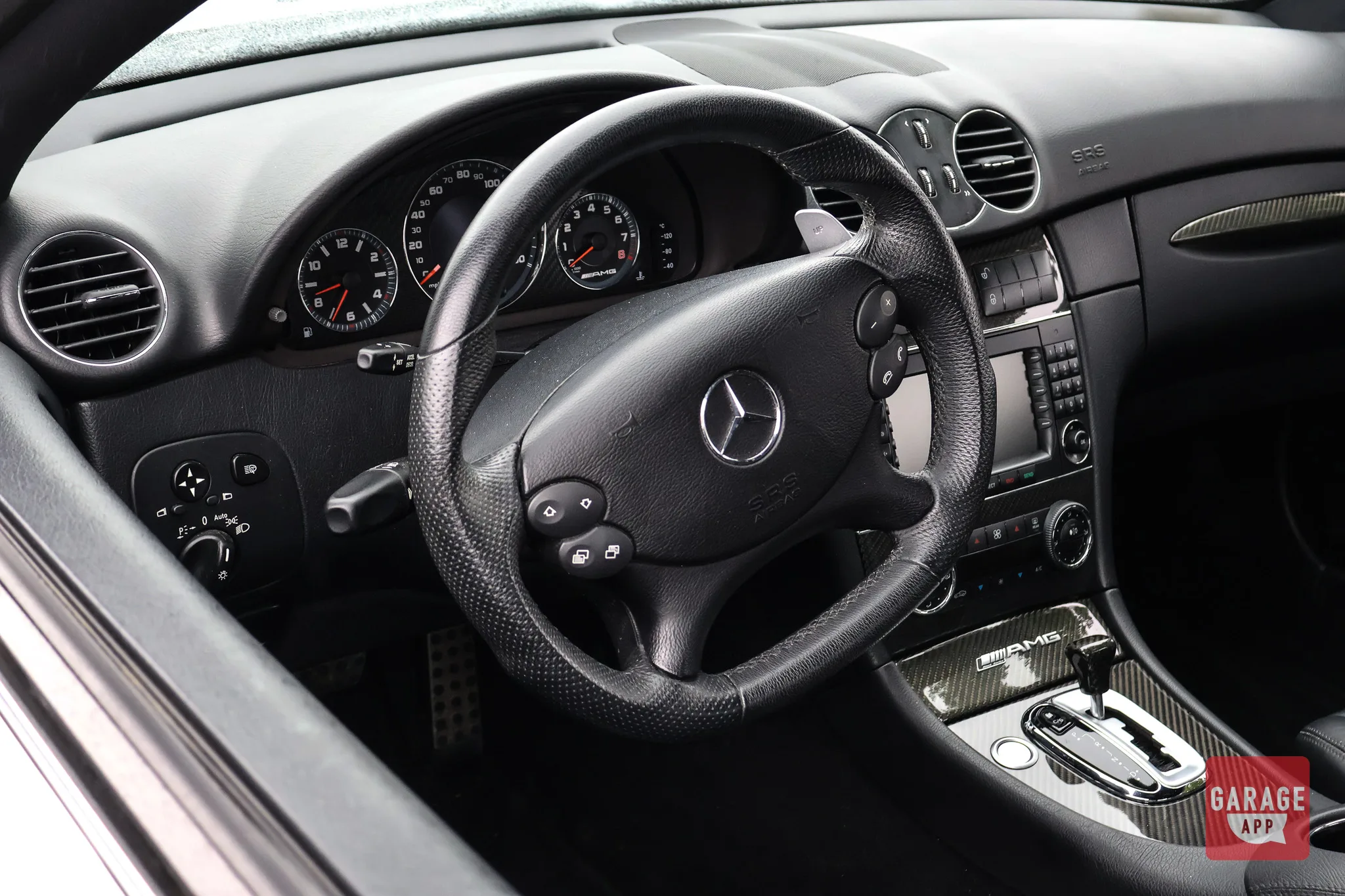
Where It Stands Among Collectors
Comparisons to its rivals are inevitable, and enthusiasts love pitting the CLK 63 Black Series against the BMW M3 GTS of the same era. Both were limited, track-focused, naturally aspirated specials, and both have become serious collector targets. The Mercedes brings more drama and a bigger engine, while the BMW is sharper and lighter, but both are now firmly in modern performance icon territory. If you enjoy this kind of analog hardware, the BMW E46 M3 in Laguna Seca Blue and the Lexus LC 500 are worth a look as well, since both celebrate the joy of a great naturally aspirated engine.
Keeping a car like this involves more than just driving it. Tracking service history, documenting originality, and logging modifications all protect its value over time. A lot of owners use GarageApp to build a clean digital record of exactly this kind of car, and that paper trail matters enormously when these models change hands.