
The Last of a Breed
There are Porsches you admire, and there are Porsches you ache for. The Porsche 993 Targa lands firmly in the second camp. Built from 1995 to 1998, the 993 generation is the final air-cooled 911, and that single fact has reshaped how collectors talk about it. When the water-cooled 996 arrived, something in the air went quiet. The 993 became, almost overnight, the end of an iconic era.
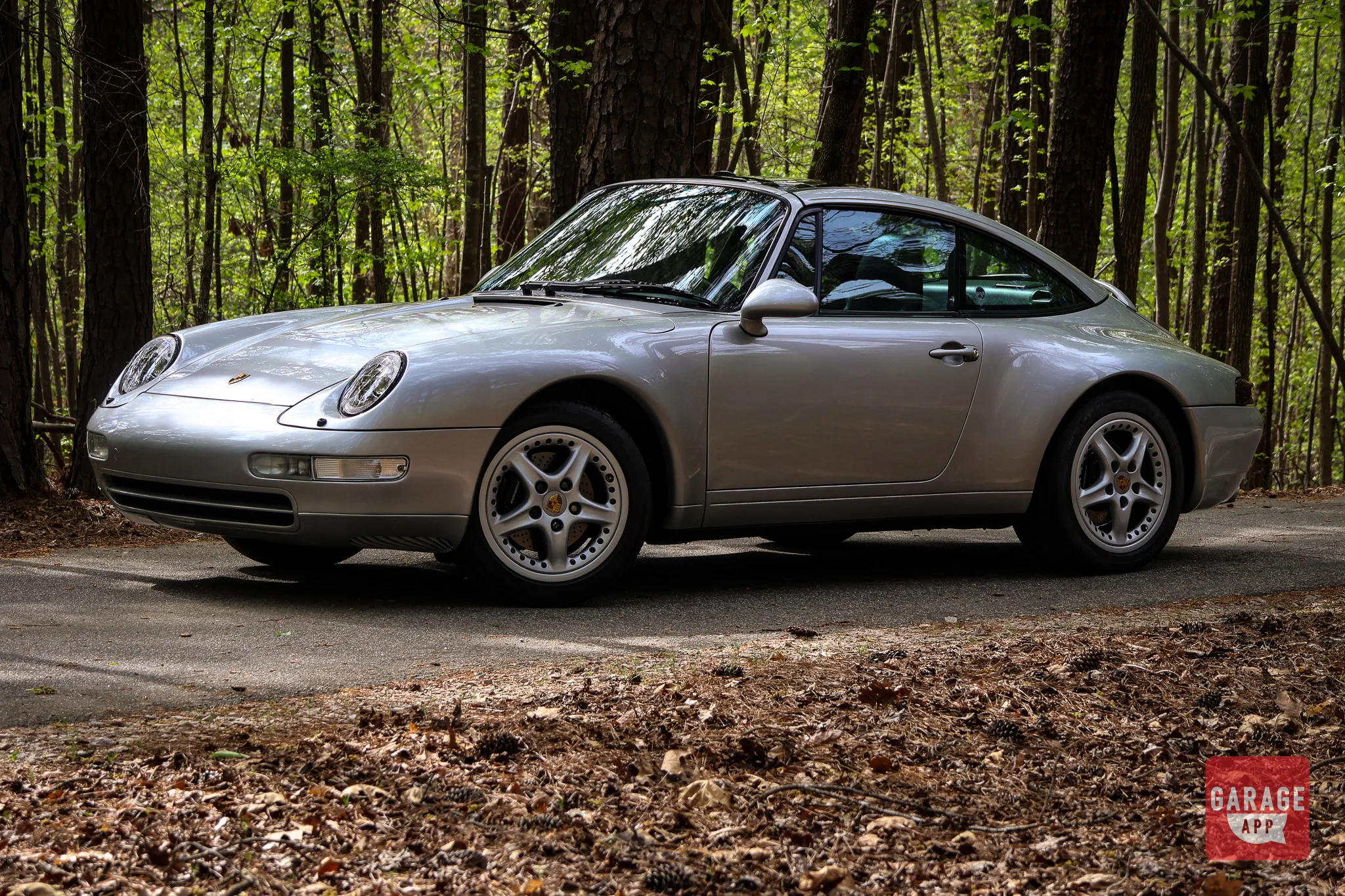
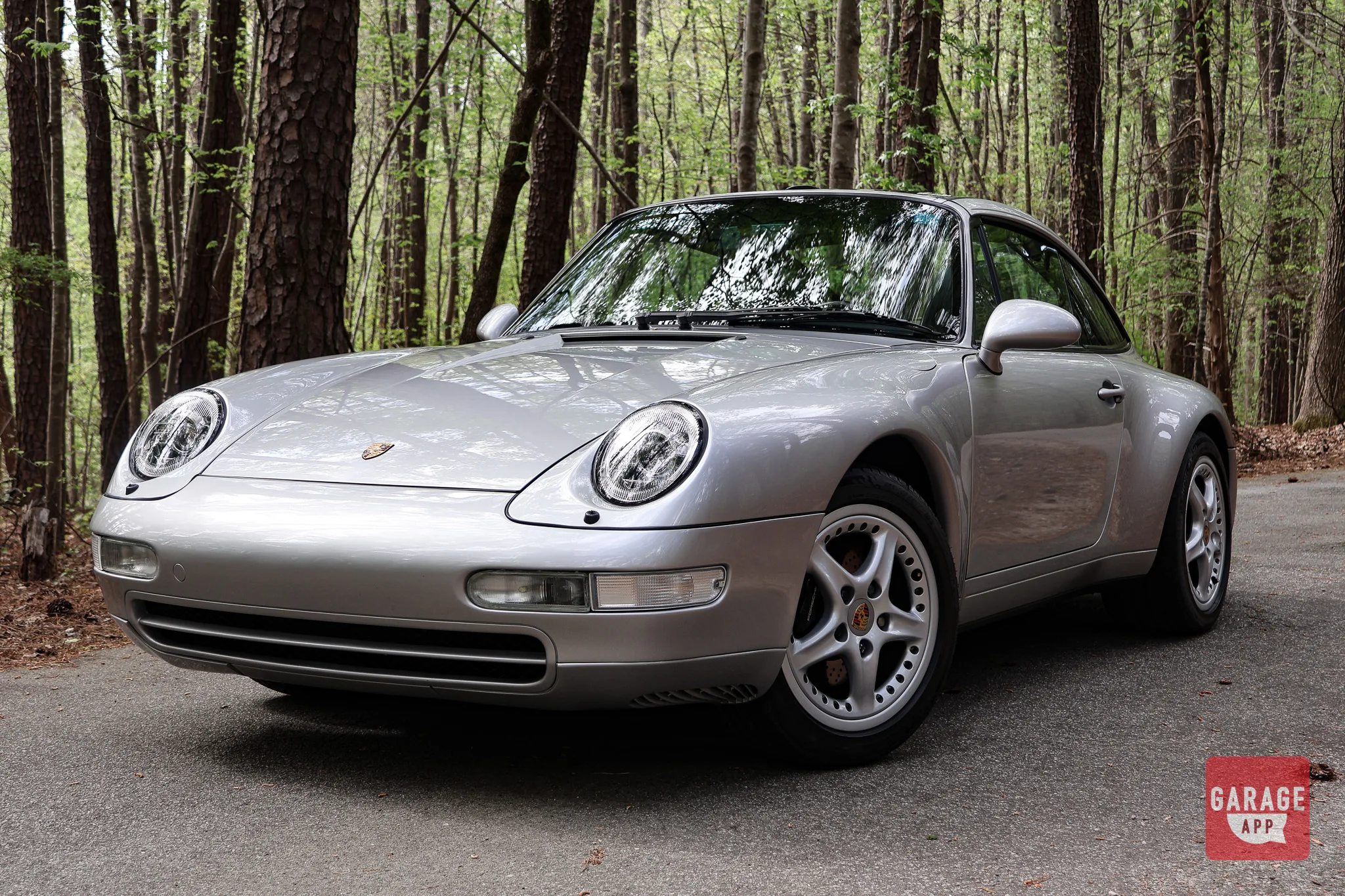
Plenty of people argue the 993 is simply the most beautiful 911 ever built. I won't pretend to be neutral here, because I think they have a strong case. The bodywork looks poured rather than stamped, the fenders swell with confidence, and the whole shape reads as both classic and surprisingly modern. The Targa version adds its own twist to the story, and it is a twist worth understanding before you go chasing one.
A Targa That Rewrote the Rules
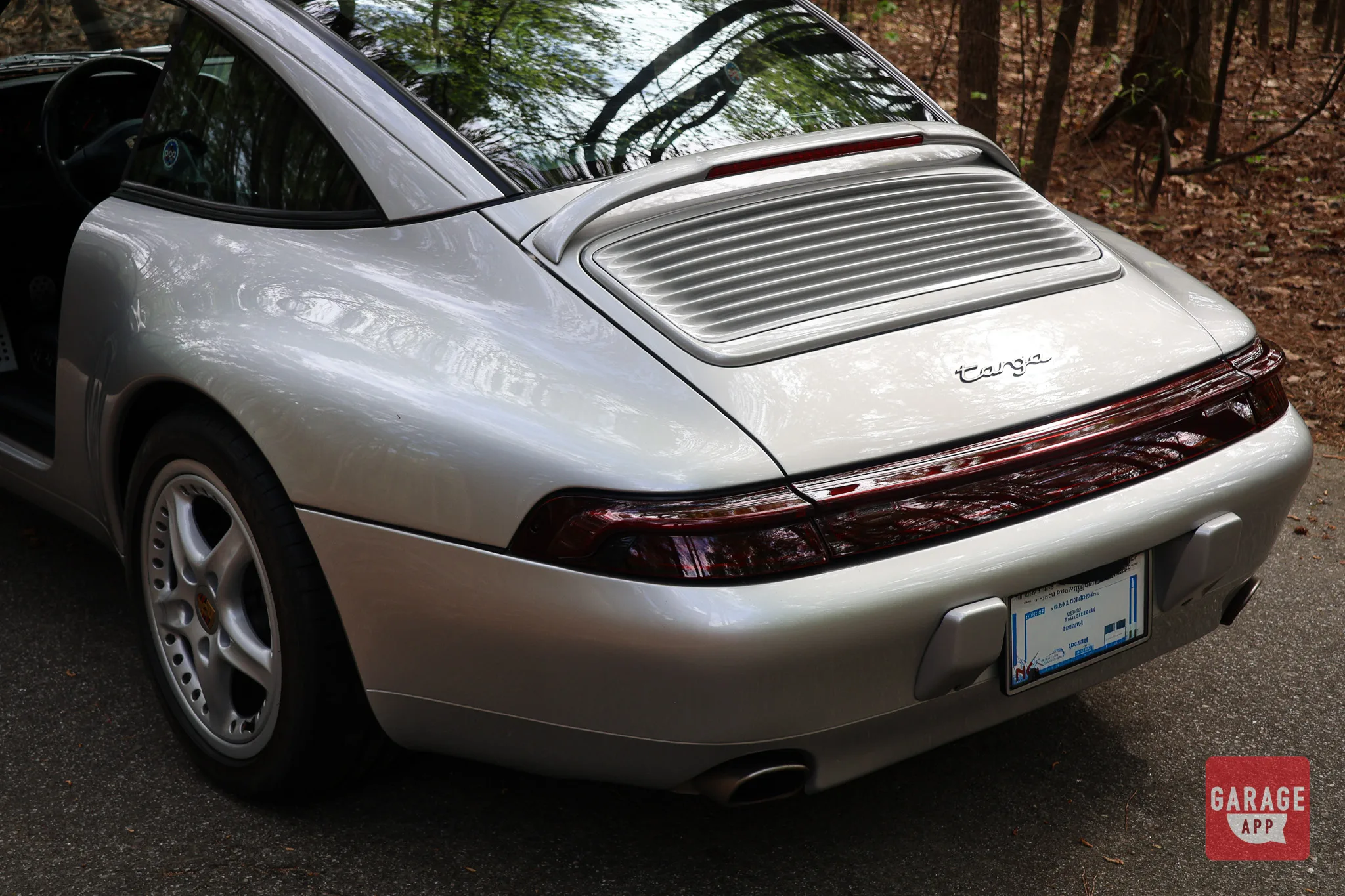
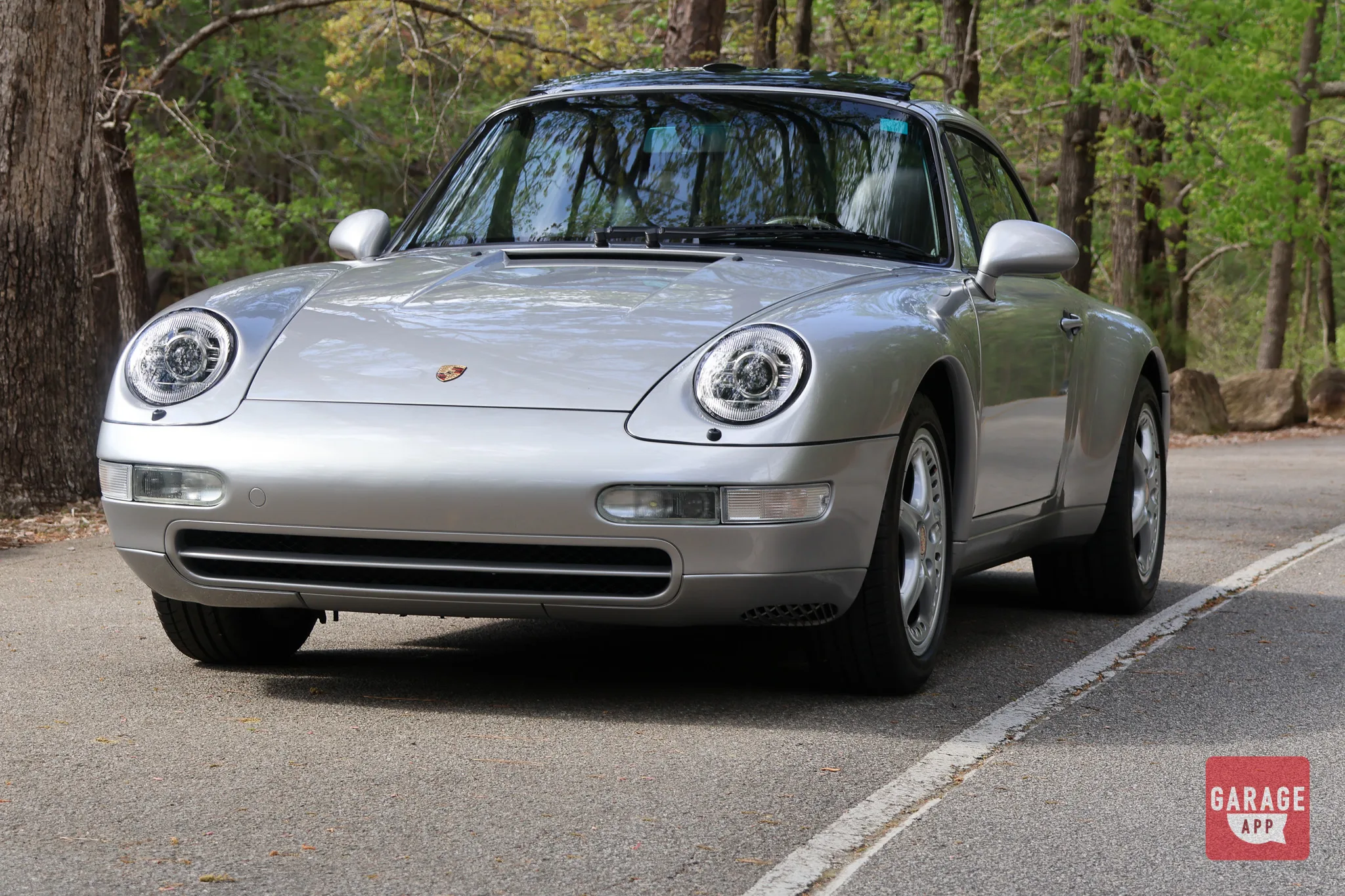
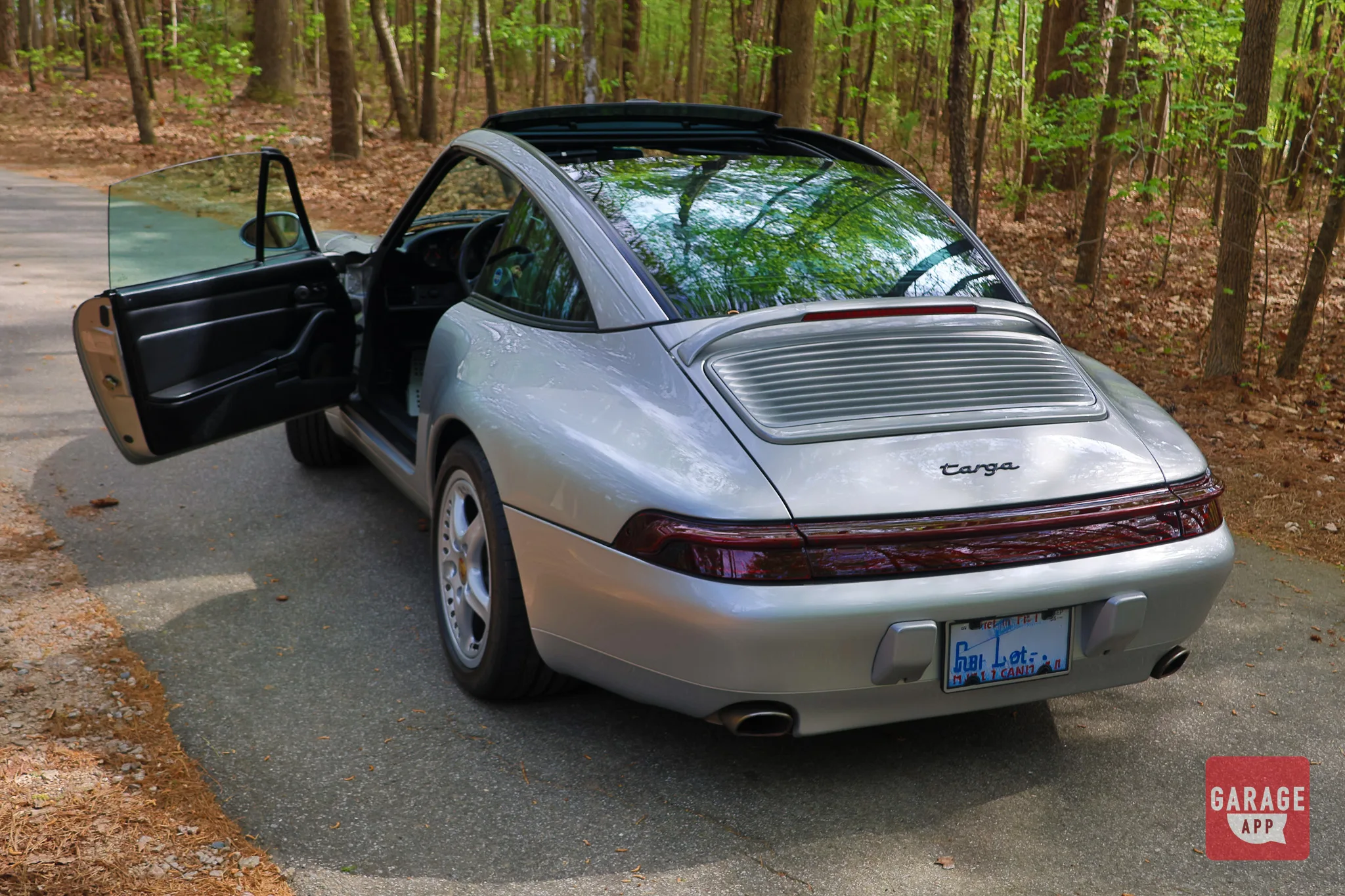
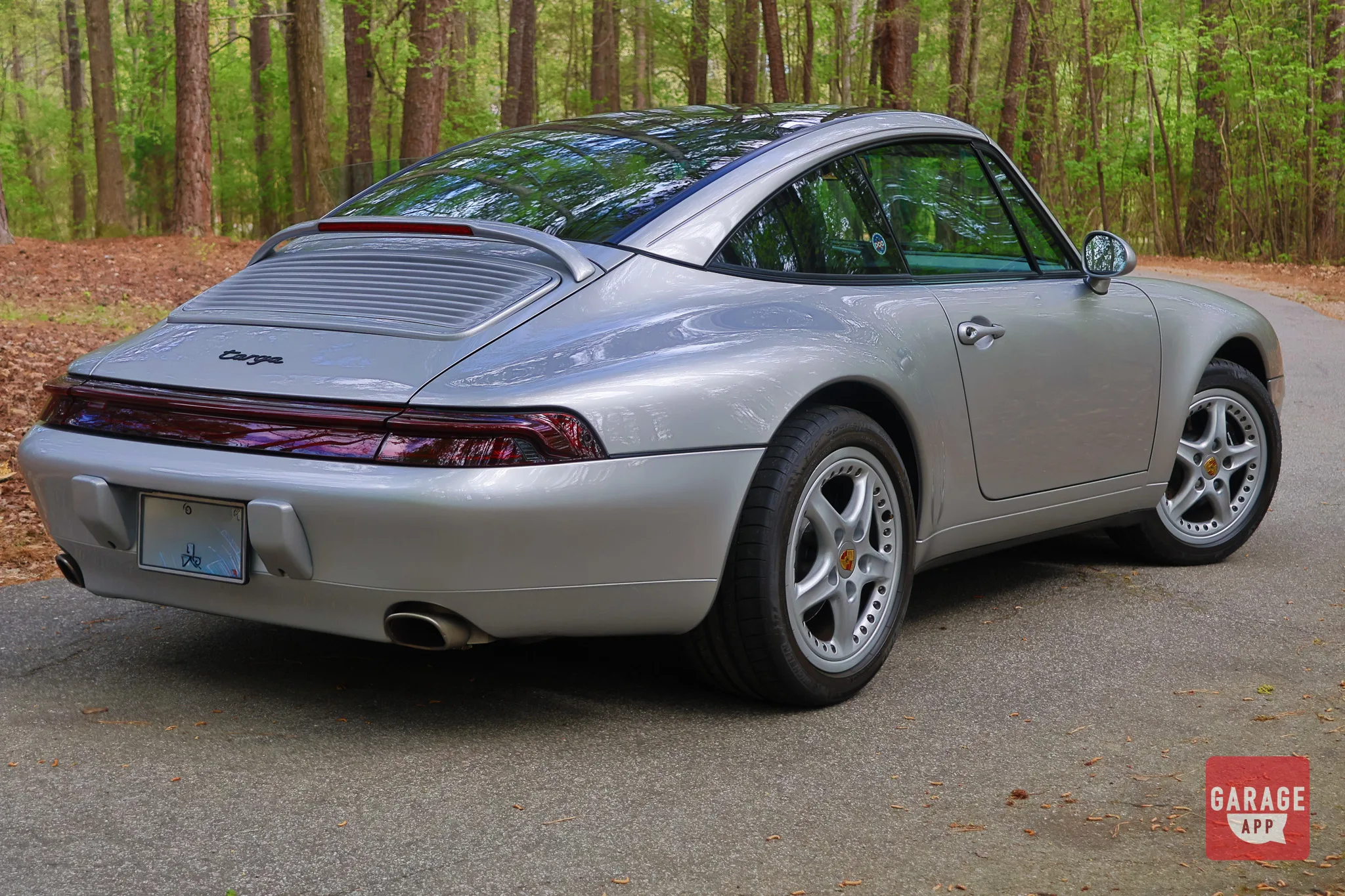
If you grew up associating the Targa name with that thick stainless roll hoop and a removable roof panel, the 993 Targa will throw you. Porsche scrapped that formula entirely. In its place sits a large sliding glass roof that retracts back over the rear window, leaving the profile almost identical to the Coupe.
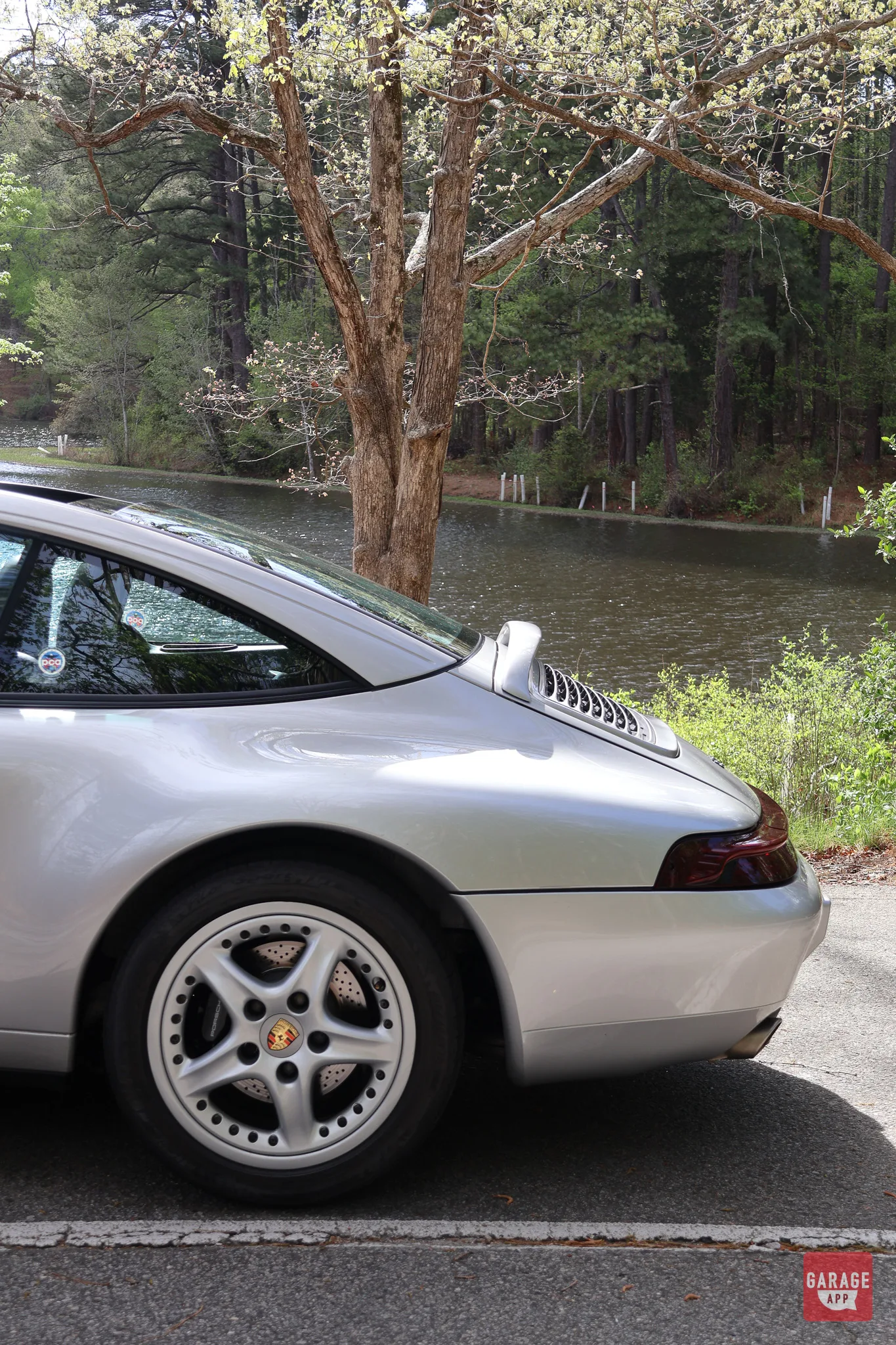
That decision matters more than it sounds. Earlier Targas always wore their open-air intentions on their sleeve. The 993 hides them. From the side it looks like a fixed-roof car, which is exactly the point. You get open-air driving with coupe-like elegance, and you never sacrifice the classic 911 silhouette to get it.
Light, Air, and a Different Mood
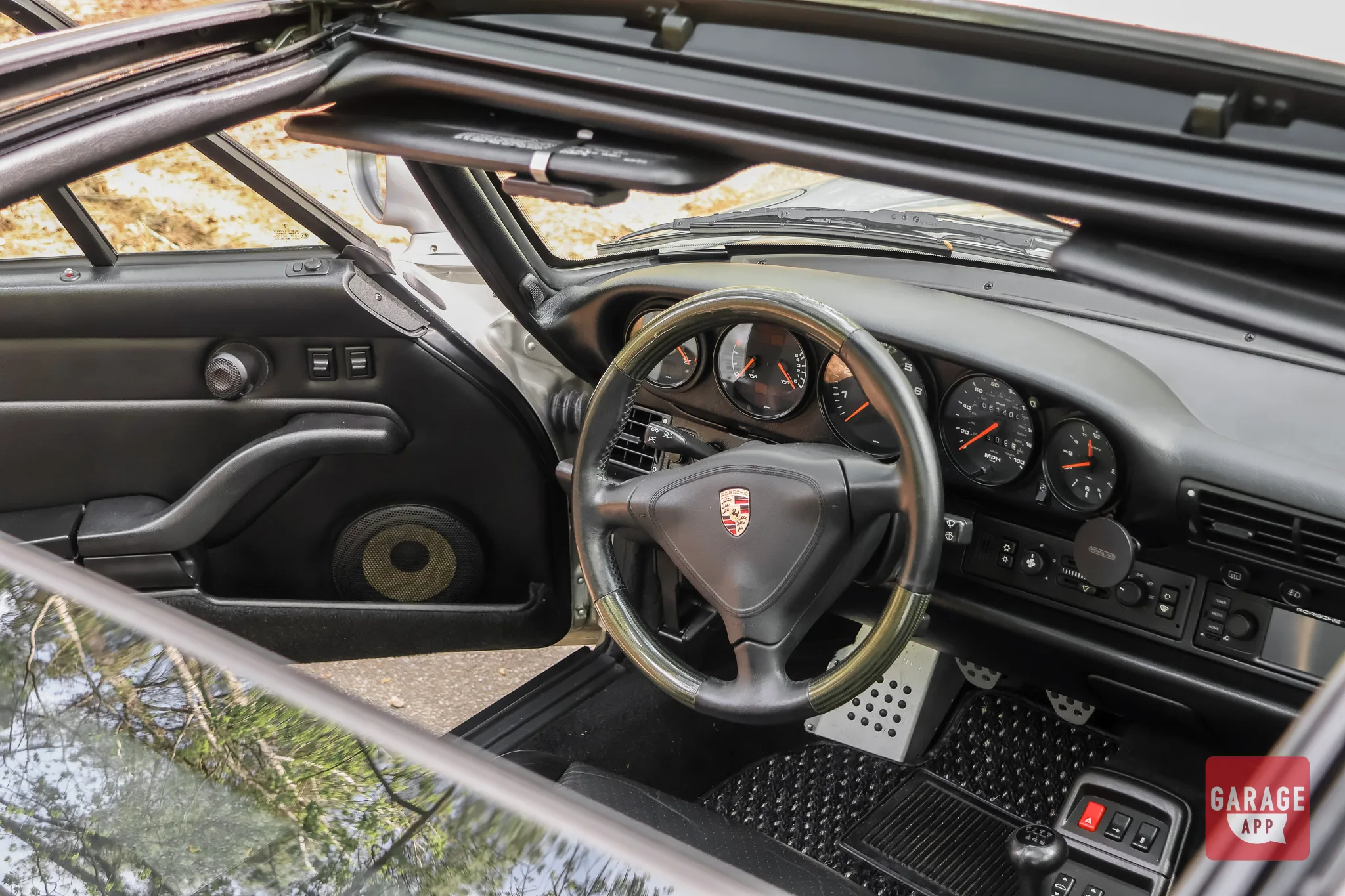
Slide that glass back and the cabin transforms. The expansive greenhouse already lets in serious light, and with the roof open the experience turns genuinely airy without the buffeting drama of a full Cabriolet. It gives the car a third personality. The Coupe is the purist's choice, the Cabriolet is the extrovert, and the Porsche 911 Targa sits comfortably in between, relaxed but never soft.
On hot days, the optional roof shade is worth tracking down. The big glass panel looks fantastic but it turns the cabin into a greenhouse if the sun is overhead and the shade is missing.
Air-Cooled Soul
Strip away the styling debates and the roof engineering, and you are left with the thing enthusiasts truly chase: that air-cooled flat-six hanging out behind the rear axle. The 3.6-liter unit, later bumped to 3.8 in the higher-spec cars, is the emotional center of the whole package.
An air-cooled Porsche 911 sounds like nothing else on the road. There's a dry, mechanical, slightly metallic edge to the note, layered with the whir of cooling fans, that water-cooled engines simply cannot replicate. You feel it as much as hear it. That soundtrack is a big part of why people obsess over these cars, and it explains the emotional pull air-cooled ownership carries.
The 993 is a bridge between classic and modern Porsche engineering, the last car to feel old-school the moment you start it.
A common refrain among 993 owners
These engines also earned a reputation for toughness. Maintained properly, the 993 flat-six is genuinely durable, and many have crossed six figures of mileage still pulling cleanly. For a car this analog and this revered, that everyday robustness is part of the appeal. If you love the air-cooled formula taken to a wilder extreme, the reimagined builds covered in our Singer feature show just how far this engine architecture can be pushed.
How It Drives
Numbers undersell this car. On paper the 993 Targa is quick but not shocking by modern standards. Behind the wheel it feels alive in a way most current sports cars have engineered out of existence.
The steering is the headline. It is hydraulically assisted, direct, and absolutely loaded with feedback. You feel the front tires loading and unloading through bends, you sense the road surface change, and you trust the car because it never lies to you. That communicative quality is rare now, and it is one reason people who drive a clean 993 tend to start saving for one.
Compact and Eager
Park a 993 next to a current 911 and the size gap is comical. The older car is narrow, short, and light by comparison, and it carries that compactness everywhere you go. It threads through tight corners and narrow streets with an ease modern 911s forgot. The rear-engine balance, that classic 911 trait, gives the car a distinctive rotation on turn-in, communicative rather than nervous thanks to the multi-link rear suspension Porsche introduced on this generation.
Best of all, the 993 feels special at sane speeds. You don't need a track or a license-shredding pace to enjoy it. A back-road cruise with the glass open delivers most of the magic. If you're mapping out where to take it, our guides to the best mountain driving routes are a good place to start.
Log your favorite drives and the car's service history in GarageApp so you have a clean, time-stamped record. For an appreciating classic, documented ownership genuinely adds value.
Design That Refuses to Age
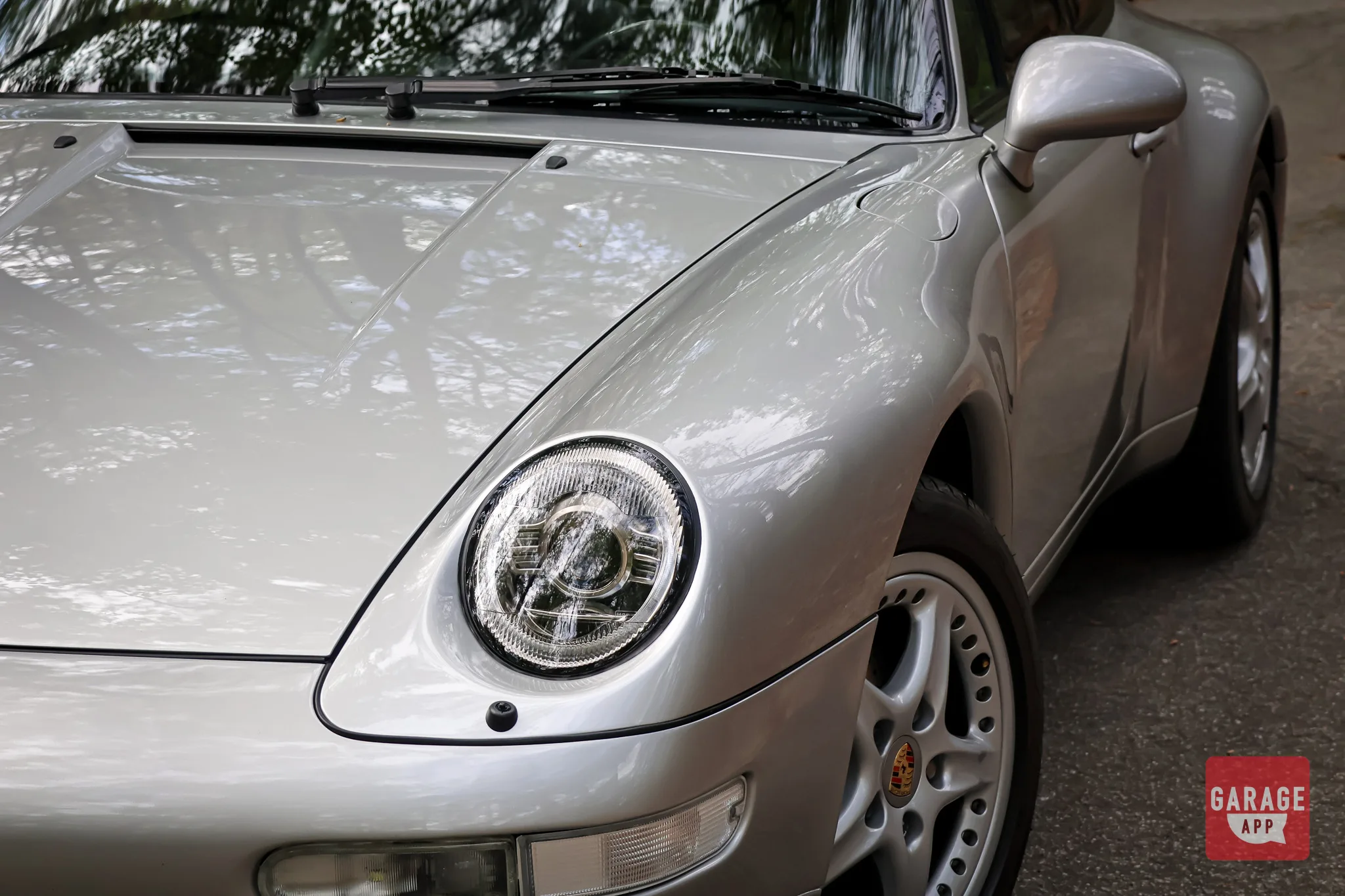
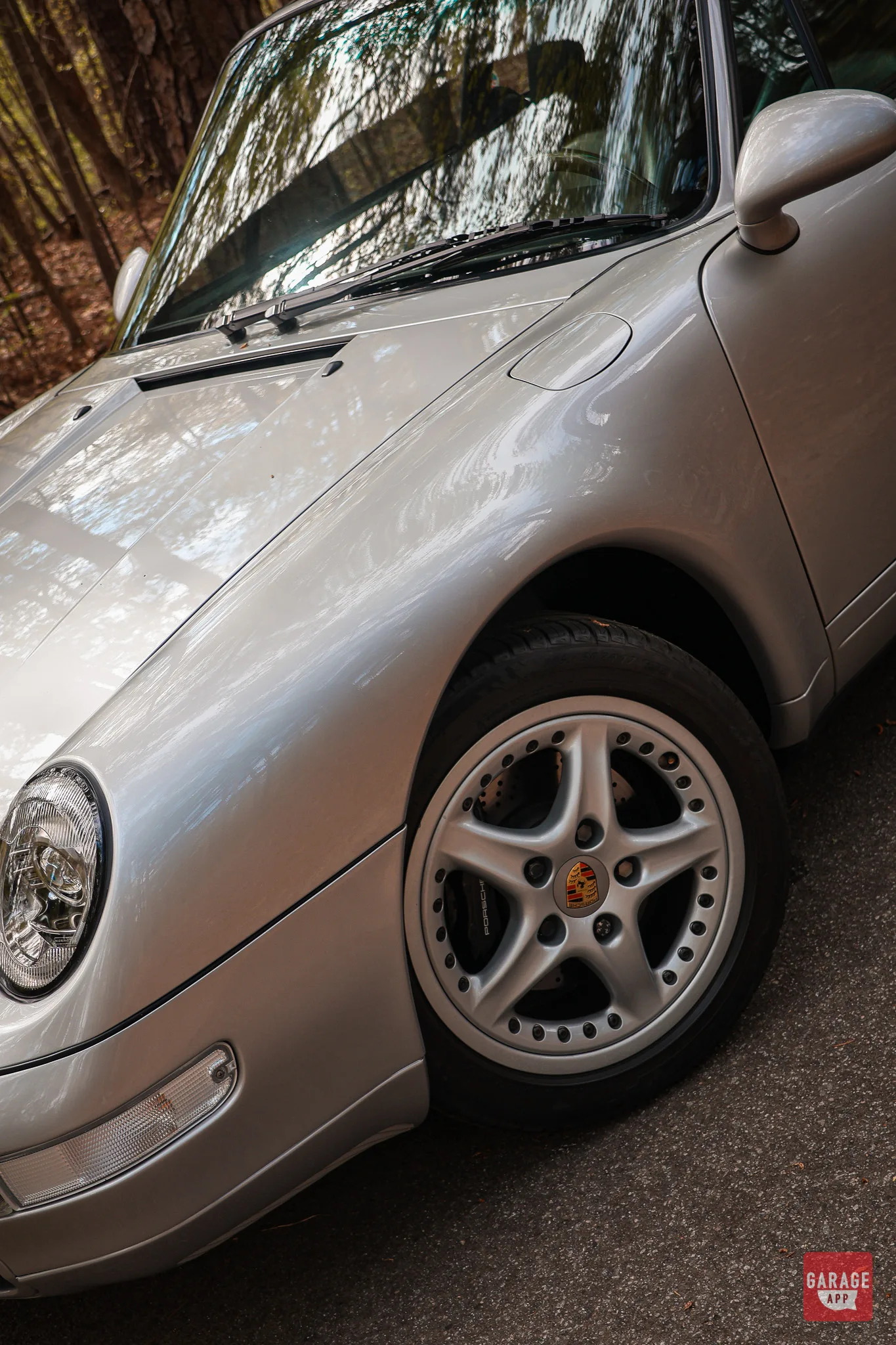
The 993 took the air-cooled 911 template and smoothed it into something more cohesive than the 964 that came before. The round headlights are still unmistakably 911, now leaned back into the front fenders. The rear haunches are wider and more muscular. The roofline flows cleanly, and on the Targa that flow continues uninterrupted thanks to the glass panel sitting flush with the body.
It is timeless Porsche design done about as well as it has ever been. The proportions look right from every angle, and the car ages backward. A 993 parked today looks more desirable than it did when new. The glass Targa roof only sharpens that appeal, adding visual interest without breaking the line.
Why Collectors Won't Stop Talking About It
Demand for the air-cooled 911 has been climbing for years, and the 993 sits near the top of that wave. As the final air-cooled generation, it carries a story that no later 911 can claim, and stories drive markets as much as spec sheets do.
- Final air-cooled generation, the natural bookend to a legendary era
- Rarity of clean examples, since well-preserved Targas are harder to find than Coupes
- Strong long-term appreciation that has rewarded patient owners
- Originality premiums, with unmodified, documented cars commanding the most
- Everyday usability that makes it a classic you can actually drive
That last point is the quiet secret. A Porsche 993 collector car is not a trailer queen unless you want it to be. It starts on a cold morning, idles happily, and handles a weekend trip without complaint. That blend is why so many people call the 993 the sweet spot between classic and modern Porsche ownership.
If the analog ethos appeals but you'd rather have something newer, the 991 Speedster chases the same feeling with modern engineering, though it can't offer the air-cooled note.
Inside the Cockpit
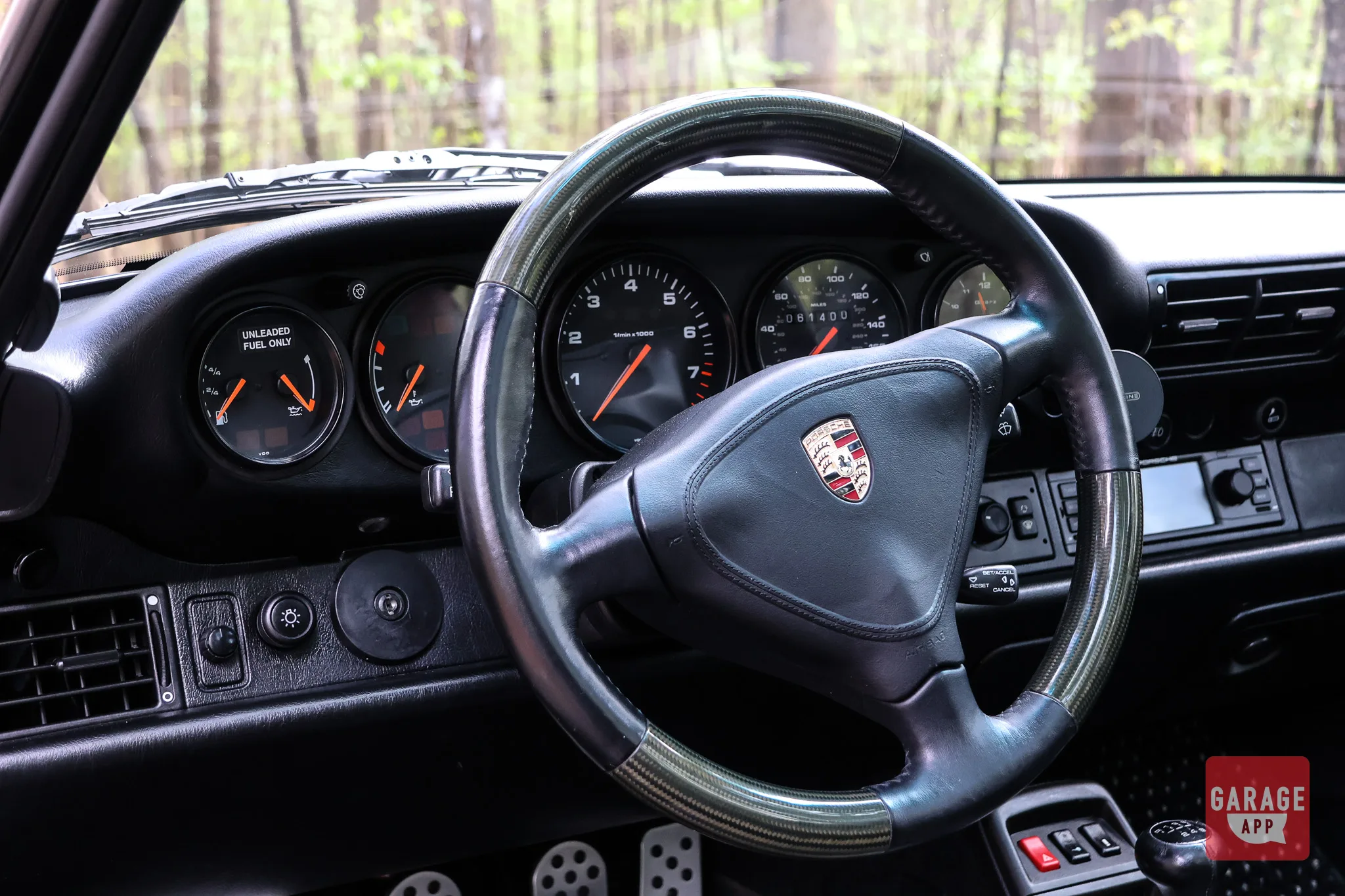
The 993 interior is purposeful rather than plush, and that is the right call. The classic five-gauge layout sits dead ahead, the central tach dominating as it should. Controls are analog, switchgear is honest, and there is no screen begging for your attention.
Calling it luxurious would miss the point. It is timeless, focused, and built around the act of driving. The Targa adds one practical bonus over the Coupe: the enormous glass area gives outstanding visibility, and the open roof makes an already light cabin feel even more spacious. You sit low, you grip a thin-rimmed wheel, and everything you need is within reach. That's the whole brief, and the 993 nails it.
Whether you already own one or you're still hunting, building a proper profile of the car, with photos, history, and mod notes, keeps the whole story in one place. That's exactly the kind of thing GarageApp was built for.