

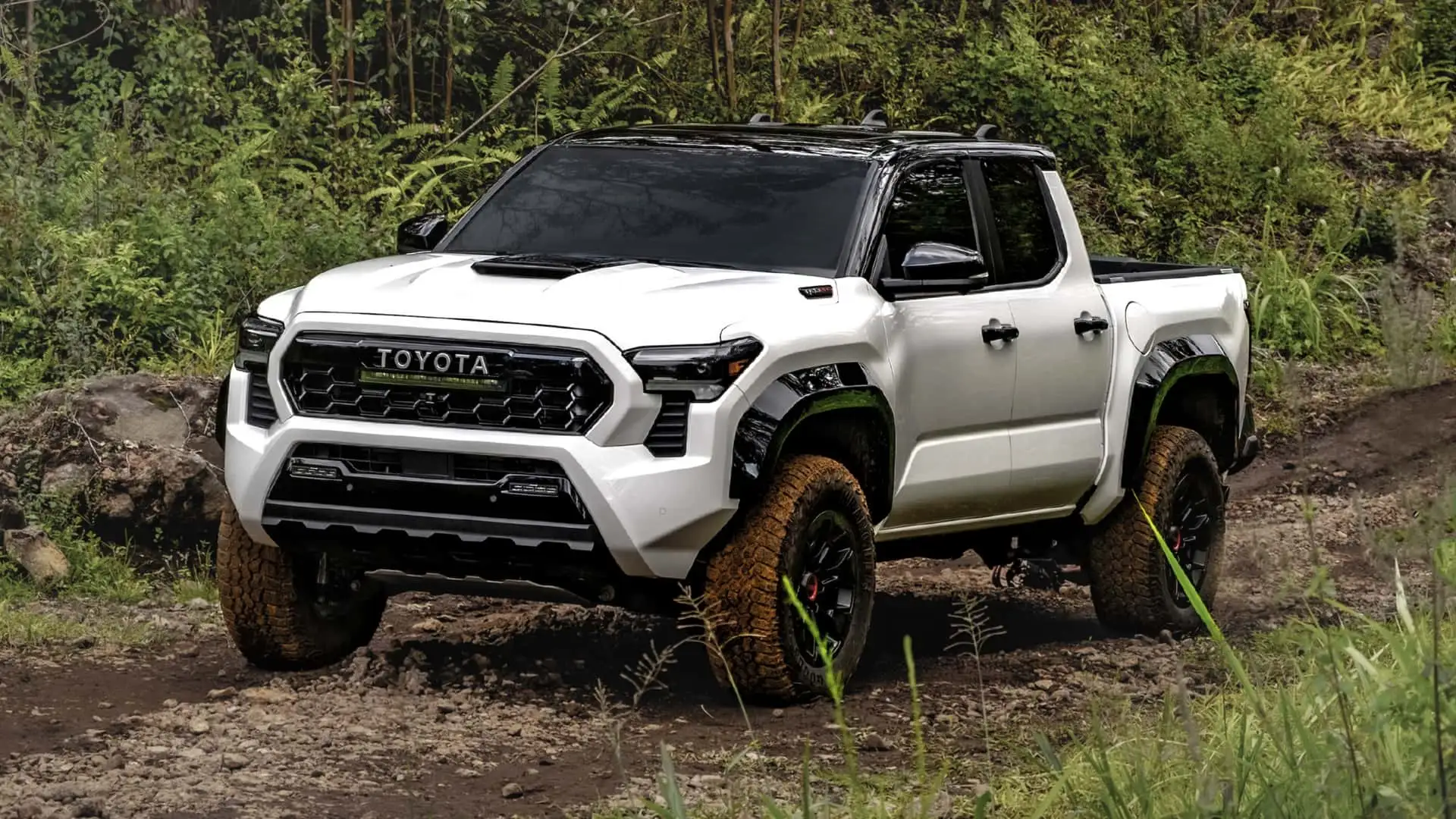
There's a moment on every off-road trip when the pavement ends, the cell signal drops, and you realize the next few hours depend entirely on what you packed, what you checked, and what you know. Good preparation is what separates a great story from a roadside rescue call. Whether you're tackling a casual forest service road or planning a multi-day overland route through Moab, the work you do before the tires leave asphalt matters more than any modification on your truck.
This guide walks through the complete pre-trail checklist used by experienced 4x4 drivers: vehicle inspection, recovery gear, navigation, communication, and the human factors people forget. By the end, you'll have a repeatable process you can run before every trip, no matter the difficulty.
Start With the Route, Not the Truck
New off-roaders almost always plan backwards. They prep the vehicle, load the gear, then look at a trail map the night before. Experienced drivers reverse that order. The route dictates the gear, the gear dictates the prep, and the prep dictates how early you need to leave.
Before anything else, answer five questions: How long is the trail? What's the difficulty rating? What's the weather forecast for the elevation you'll reach? Are there water crossings, and how deep? When was the trail last reported as passable? Forums, ranger districts, and trail apps usually have current trip reports. If you can't get a report from the last two weeks, plan for the worst case.
Always tell two people your exact route, expected return time, and what to do if you don't check in. Pin it to a fridge, not a text message that gets buried.
Match the Trail to Your Skill Level
Trail ratings vary by region. Moab's red rating isn't the same as a red trail in the Pacific Northwest. As a baseline: green and blue trails are forest roads with mild obstacles, suitable for stock 4WD with all-terrain tires. Black and red trails demand lockers, low-range, taller tires, and recovery experience. Don't shop above your weight class. Run a difficult trail with people who've done it before, ideally as part of a planned group ride where someone else has scouted it.
The Pre-Trail Vehicle Inspection
Mechanical failure on a trail is rarely sudden. It's almost always something that was already going wrong before you left the driveway. A 30-minute walk-around the day before catches 90% of these issues. Run this check with the truck cold, on level ground, and with good light.
Underbody and Drivetrain
- Skid plates and crossmembers: check for cracks, missing bolts, or loose mounts from previous trips
- Differential and transfer case: look for fresh oil weeping from seals, especially after a deep water crossing on the last run
- Driveshafts and U-joints: grab and shake each shaft, listen for clunks, look at the U-joint caps for rust streaks
- Steering and tie rods: rock the wheels at 3 and 9 o'clock, then 6 and 12, watching for play
- Exhaust hangers: a dropped exhaust on a rocky climb will end your day fast
Tires, Wheels, and Pressure
Your tires are the single most important component on a trail. Check tread depth, sidewall condition (look for cuts, bulges, and dry rot), and lug nut torque. Bring a quality deflator and a portable air compressor capable of refilling all four tires plus the spare. Plan to air down to between 18 and 25 PSI for most rocky or sandy terrain, lower for deep sand. Never run trail pressure on the highway home.
Fluids and Filters
- Engine oil at the full mark, not the minimum
- Coolant topped off, with overflow tank between min and max
- Brake fluid clean and at level (dark fluid means it's overdue)
- Power steering and transmission fluid checked per the manual
- Air filter clean enough to see light through it, dust extractor emptied if equipped
Keep a small notebook in the glove box with the date and mileage of every fluid change and inspection. After a few trips, you'll spot patterns no app can predict.
Recovery Gear: What You Actually Need
Recovery gear is one of those areas where YouTube and Instagram make people buy things they'll never use, and skip the basics that save trips. The honest truth: 80% of trail recoveries are simple winch pulls, strap pulls, or shovel work. Build that core kit first, then expand.
The Core Recovery Kit
- Kinetic recovery rope (3/4" or 7/8", rated for at least 2x your vehicle weight) plus two soft shackles
- Tree saver strap for winch anchoring without damaging trees
- Rated D-rings or soft shackles, never random hardware-store hooks
- Folding shovel, the metal kind, not a plastic camping toy
- Traction boards (MaxTrax or equivalent), useful in sand, mud, and snow
- Hi-lift jack or bottle jack with a base plate, plus knowledge of how to use it safely
- Heavy-duty leather gloves, because winch cables and steel shackles destroy bare hands
If your truck has a winch, learn to use it before you need it. Practice in a parking lot or your backyard, with the truck off and a friend watching. A winch deployed for the first time in a panic situation is how people get hurt.
Tools and Spares
You don't need a full mechanic's chest, but you should carry tools to fix the things that actually break on trails: belts, hoses, tire plugs, and electrical connections. A solid kit includes metric and SAE sockets matching your vehicle, screwdrivers, pliers, a multimeter, zip ties, electrical tape, JB Weld, hose clamps in three sizes, a spare serpentine belt, a tire plug kit with strong reamers, and at least one spare tire (two for remote routes).
Navigation and Communication
Phone GPS is a backup, not a primary tool. The moment you drop signal or a battery, you're done. Real off-road navigation uses dedicated apps with downloaded offline maps, paper backup, and a way to communicate when phones fail.
Map Layers Worth Downloading
- Topographic map of the area covering at least 10 miles beyond your planned route
- Satellite imagery for verifying trail surface conditions
- MVUM (Motor Vehicle Use Map) for any National Forest land, this tells you what's legal
- Trail-specific GPX tracks loaded into your nav app, with waypoints for known obstacles, bailout points, and water sources
Many enthusiasts already use route-planning tools for pavement runs, and the same habits apply off-road. Save your tracks, log your trips, and share routes with the people you ride with so everyone has the same plan loaded. There are several great apps built specifically for car and overland enthusiasts that handle this well, including GarageApp for tracking your build, your routes, and the friends you ride with.
Communication Beyond Cell Signal
GMRS radios have largely replaced CB for trail communication. They're cheap, license-friendly, and have real range. For solo or remote trips, a satellite communicator like a Garmin inReach or a ZOLEO is non-negotiable. The monthly subscription is cheaper than one helicopter rescue minute.
Test every radio and satellite device the morning of departure, not when you need it. Fresh batteries, paired devices, confirmed check-in messages.
Survival, Food, and Water
Plan to be out at least one night longer than you intend. Even a day trip needs the gear to survive an unexpected overnight if a vehicle gets stuck or injured. The rule of threes still applies: three minutes without air, three hours without shelter in extreme conditions, three days without water, three weeks without food.
The Minimum Survival Pack
- One gallon of water per person per day, plus a filter or purification tablets as backup
- High-calorie food that doesn't need cooking (jerky, bars, nuts), enough for an extra 24 hours
- Sleeping bag rated 10°F below the lowest expected temperature, even on day trips
- Headlamps with spare batteries for every person, never just one shared light
- Comprehensive first aid kit, with tourniquet, pressure bandages, and any personal medications
- Fire starting in two forms: lighter and ferro rod, plus tinder
- Emergency shelter, even a Mylar bivy beats sitting in a cold truck
The trail doesn't care how nice your truck is. It cares whether you brought enough water and respected the weather.
An old overlander, every campfire ever
Group Dynamics and Trail Etiquette
Most experienced drivers won't run difficult trails solo. A group of three vehicles is the sweet spot: enough recovery capability if one gets stuck, small enough to move efficiently. Before rolling out, hold a tailgate meeting. Confirm radio channels, agree on hand signals, designate a lead and a sweep, and discuss what to do if the group gets separated.
Tread Lightly Principles
Stay on designated trails. Don't widen mud holes by going around them, drive through. Pack out everything, including food scraps. Yield to uphill traffic, hikers, and horses. The trails we run today exist because people respected them yesterday. The fastest way to lose access is bad behavior, and a single viral video of someone tearing up a meadow can close a trail for everyone.
Building relationships with other off-roaders is one of the best parts of the hobby. Whether you're connecting with fellow enthusiasts who run the same platform you do or organizing trail runs with a local group, the community side of off-roading runs deep. Apps like GarageApp make it easier to document your rig, share your trails, and find people who actually wheel rather than just post.
The Final 24 Hours
The day before any trip, run a final checklist that locks everything in. Fuel up the night before so you're not waiting at a pump in the morning. Top off all fluids one last time. Charge every device, including the radios, GPS, satellite communicator, headlamps, and air compressor. Pre-stage your gear so loading the truck takes 15 minutes instead of an hour.
- Confirm weather forecast and trail status one more time
- Send your route plan and ETA to your two contacts
- Verify spare tire pressure and tools are accessible
- Pack a soft cooler with food for the day on top of the survival rations
- Get a real night of sleep, fatigue causes more trail mistakes than skill ever does
On departure morning, do a final walk-around in daylight. Check tire pressure, lug nuts, fluids, and that everything you packed is actually in the truck. Then drive to the trailhead, air down, lock in, and enjoy what all that prep made possible.
Build the Habit, Not Just the Checklist
The best off-road drivers aren't the ones with the most expensive trucks. They're the ones who run the same checklist every single time, regardless of how easy the trail looks. Trails get harder when you're tired, when weather rolls in, when something breaks. The driver who prepped well makes those moments interesting stories. The driver who skipped steps becomes the cautionary tale.
Document your trips, log your maintenance, save your routes, and learn from every run. Every time you finish a trail, take ten minutes to note what worked, what broke, and what you forgot. That feedback loop is the actual secret of long-term off-road success.