

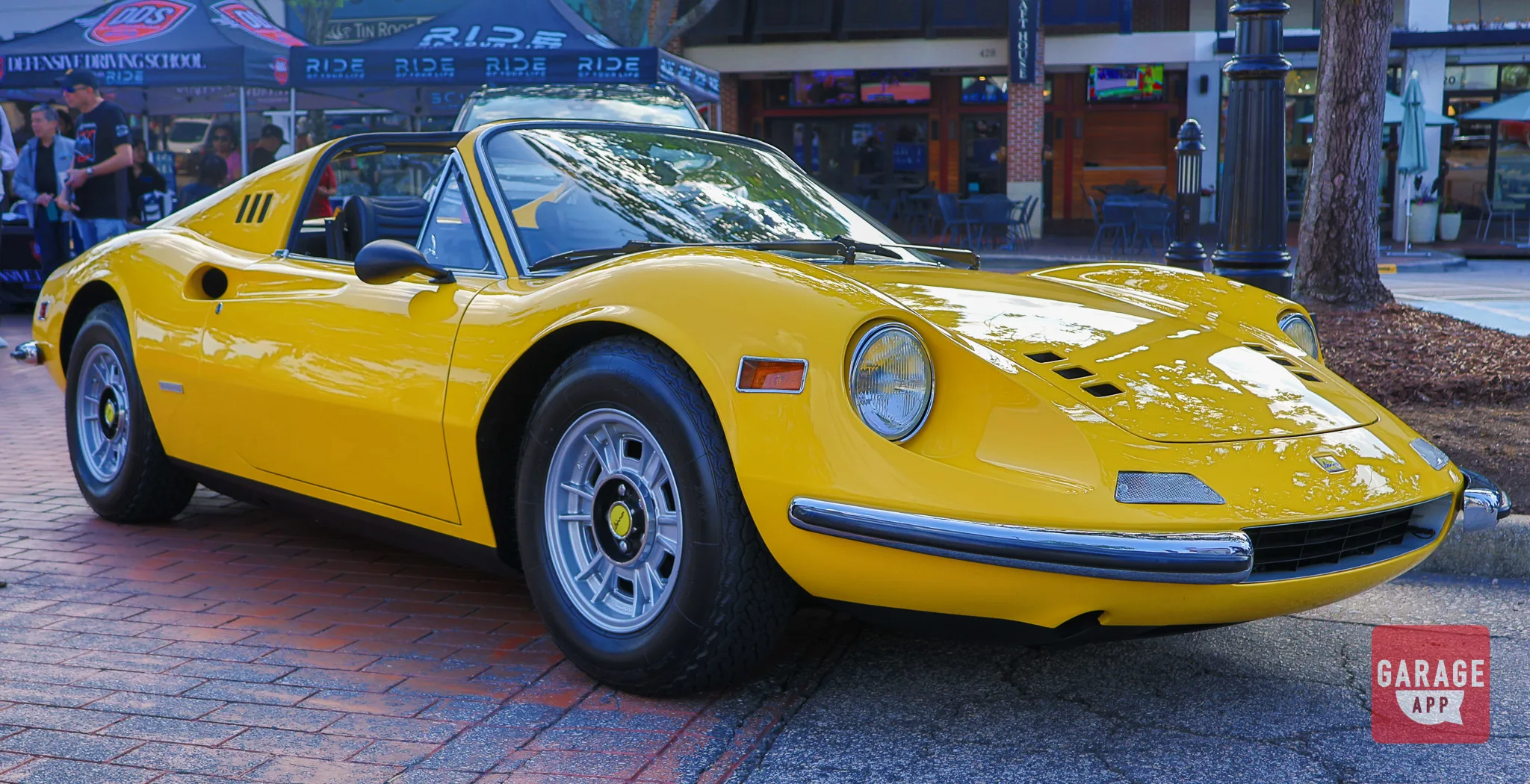
Some Ferraris shout. The Ferrari Dino 246 GT whispers, and somehow that makes it more memorable. Park one next to a modern Maranello supercar and the Dino looks impossibly small, almost delicate, with proportions that feel hand-drawn rather than wind-tunnel optimized. Yet this little V6 coupe arguably did more to shape Ferrari's future than any single model that came before it. It is the car that taught Ferrari how to build a mid-engine Ferrari for the road, and it remains one of the most beautiful objects the company ever put its hand to, even when it technically wore no Ferrari badge at all.
If you only know the Dino by reputation, the story behind it is worth slowing down for. This is not just a pretty classic Ferrari that happens to be valuable now. It is a car built out of grief, ambition, and one of the boldest naming decisions in the company's history.
A Car Named for a Son
Alfredo Ferrari, called Dino by everyone who knew him, was Enzo Ferrari's son. He trained as an engineer and was deeply involved in the development of a compact V6 racing engine before he died in 1956 at just 24, after a long battle with muscular dystrophy. Enzo never really recovered from it. He visited his son's grave almost daily for the rest of his life, and the V6 that Dino helped conceive carried his name forward into Formula 2 and then into road cars.
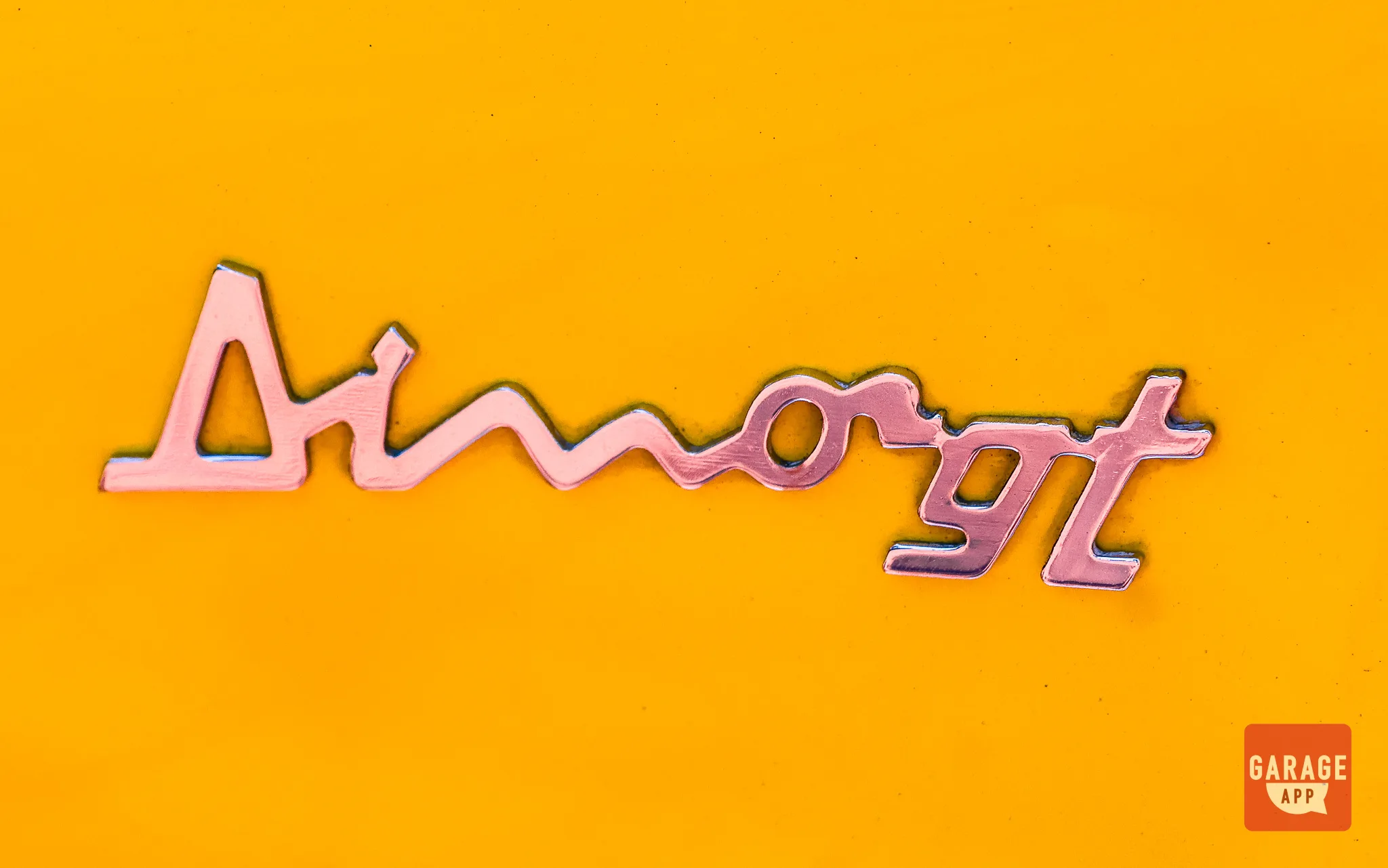
That is why the badge on the nose does not say Ferrari. It says Dino. The whole sub-brand was a tribute, a way of keeping his son's name alive on the racetrack and the road. There is something quietly moving about that when you stand next to the car and realize the entire model line exists because a father could not let go.
The Dino was Enzo's way of keeping a promise to a son he outlived.
Common refrain among Ferrari historians
The Ferrari That Wasn't Officially a Ferrari
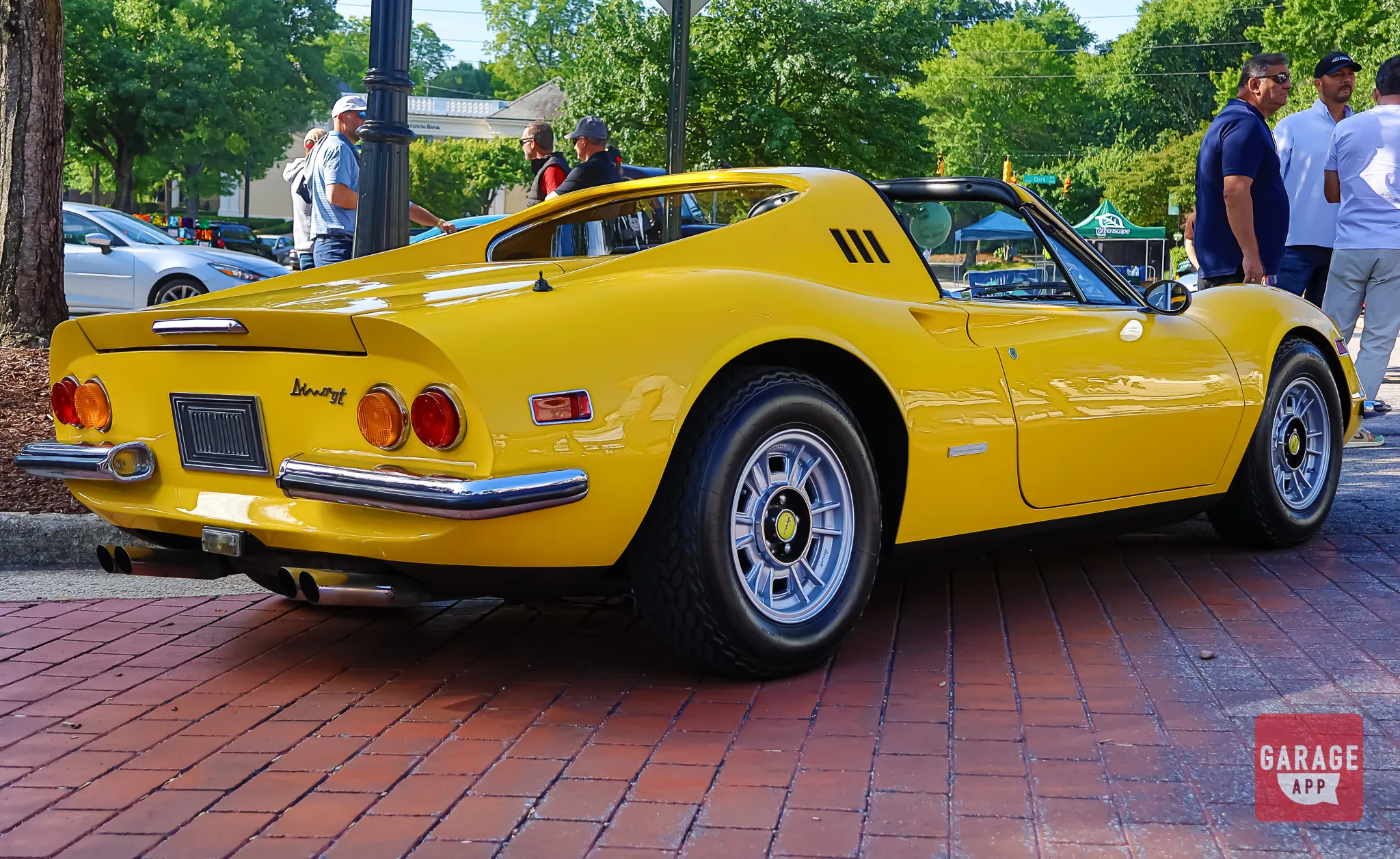
When the Ferrari Dino launched, it was sold simply as a Dino, marketed almost as its own marque. No prancing horse on the hood, no Ferrari script on the engine cover. To some buyers in 1969 that felt like a snub, a way of saying this six-cylinder car was not quite worthy of the full Ferrari name.
Hindsight tells a different story. The decision was significant because it let Ferrari experiment without diluting the brand's V12 image. It created room for a more affordable, more usable Italian sports car aimed at people who could not stretch to a Daytona. And it set the template for an entire lineage. Owners eventually added Ferrari badges anyway, because the truth was obvious the moment you drove one. This was a Ferrari in everything but the lettering.
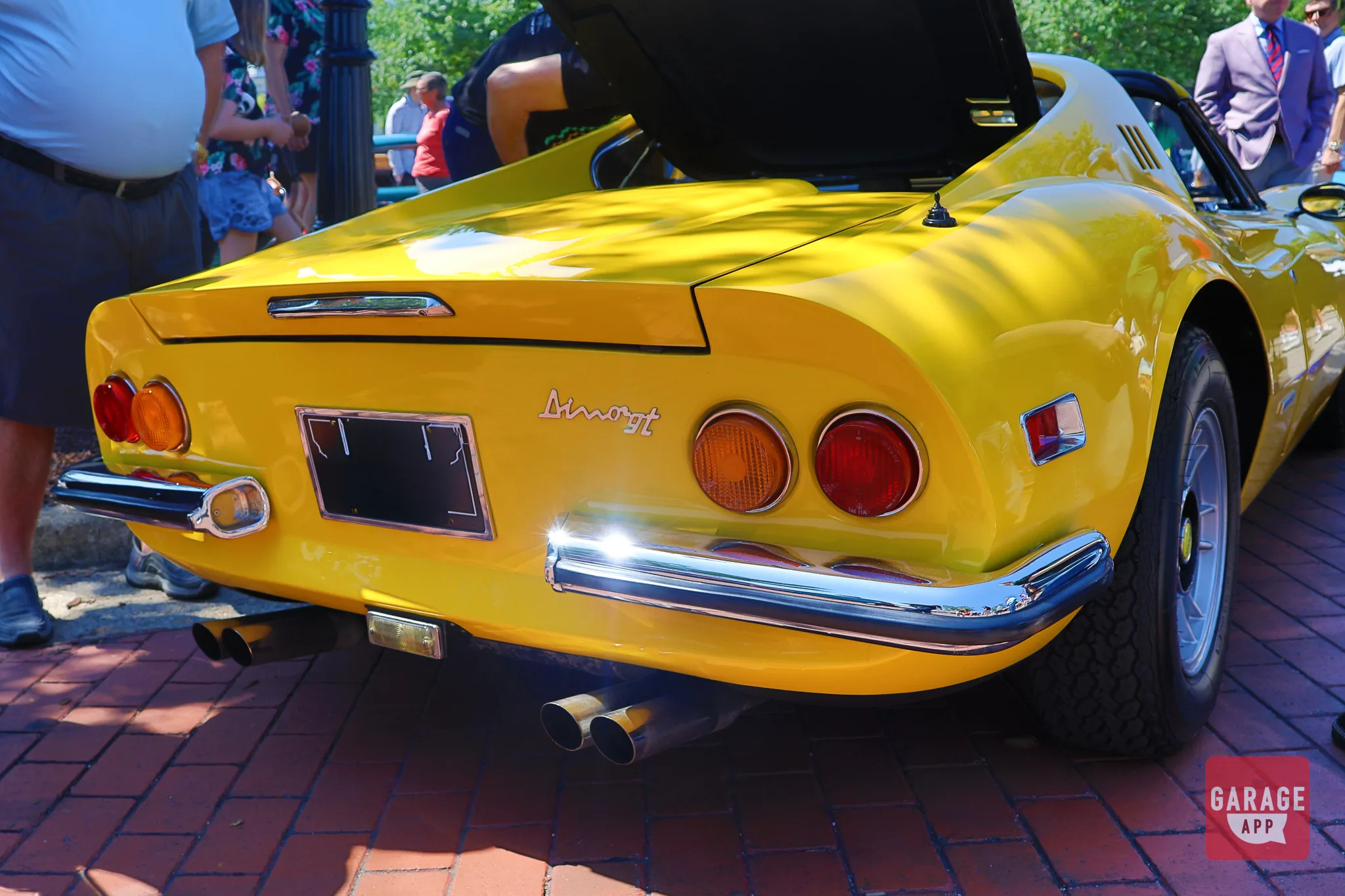
If you are evaluating a Dino, check whether it still wears its original Dino badging or has been retrofitted with Ferrari emblems. Purists tend to prefer cars that present the way they left Maranello.
Ferrari's First Mid-Engine Road Car Philosophy
Ferrari had been racing mid-engine cars for years, but the road cars were still front-engine, long-hood machines built around big V12s. The Dino changed the philosophy. It was Ferrari's first production mid-engine road car, with the engine mounted transversely just behind the cabin.
That layout did wonders for the way the car drives, and it pointed directly at the future. The Ferrari Dino 246 GT is the spiritual ancestor of the Ferrari 308 GTB and every mid-engine V8 Berlinetta that followed, right up through the cars you see at meets today. Without the Dino proving that a smaller, mid-engine Ferrari could sell and could thrill, the whole modern Ferrari catalog looks different.
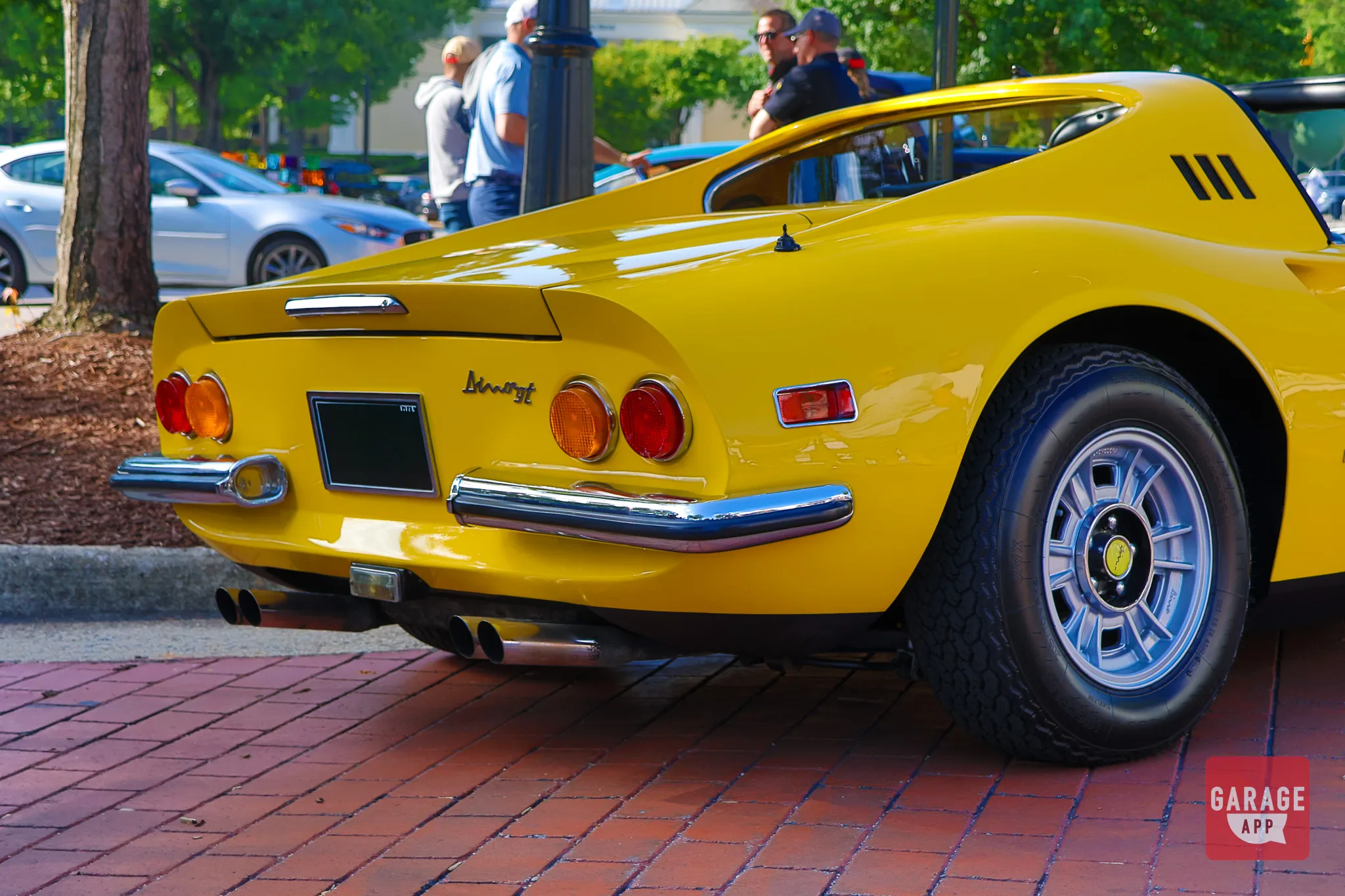
That Little V6 and the Noise It Makes
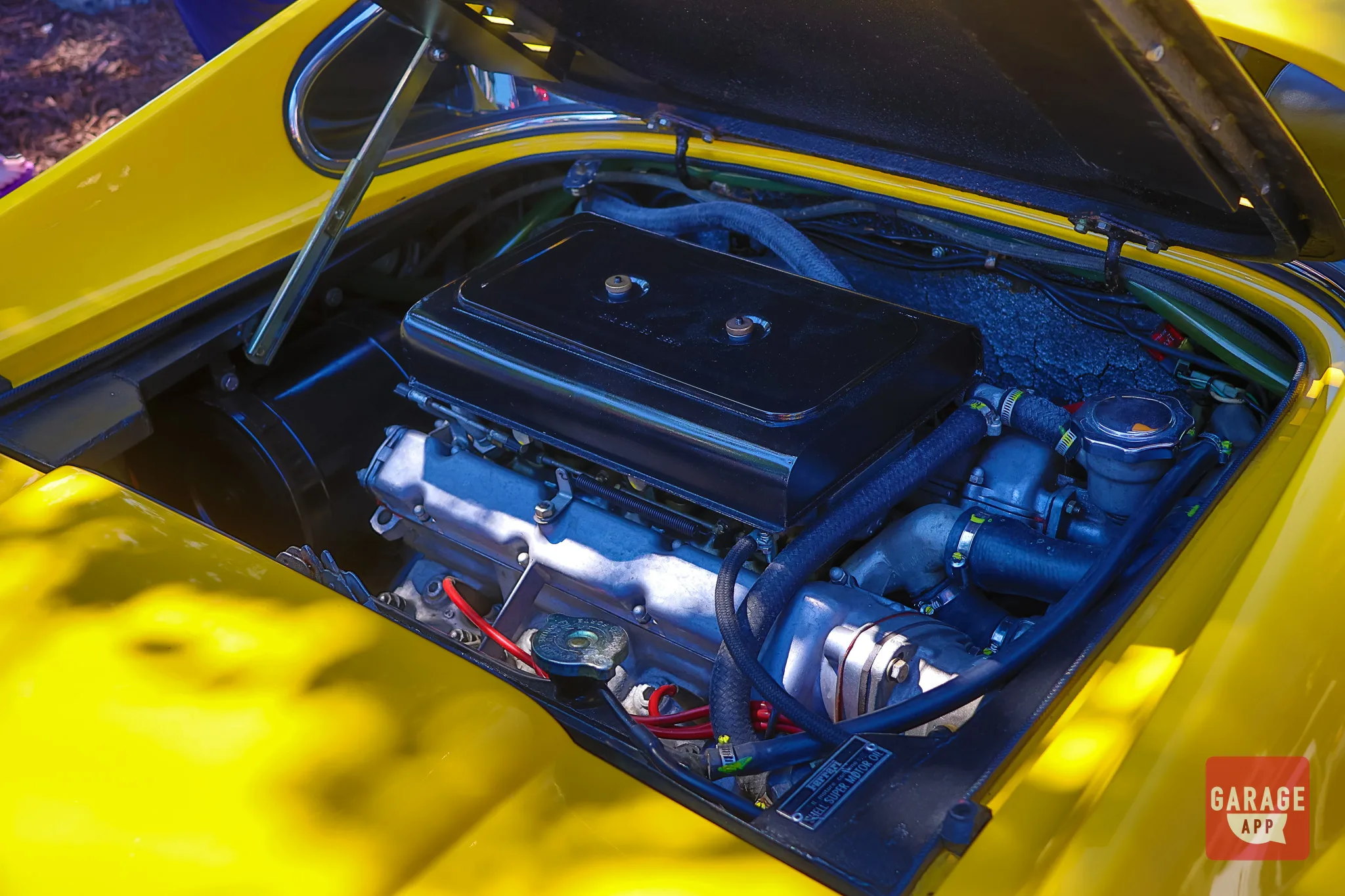
Under the rear glass sits a 2.4-liter naturally aspirated V6, an alloy unit fed by triple Weber carburetors in the carbureted cars. On paper it produces a modest figure by today's standards. On the road it feels like something else entirely.
The engine wants to rev. It is happiest in the upper half of the tachometer, and as it climbs the exhaust note hardens into a metallic, slightly raspy snarl that no modern turbo engine can replicate. There is a mechanical busyness to it, a sense that hundreds of small parts are all working very hard right behind your shoulders. Lift off and you hear the induction sigh and the carbs gulp. It is an analog soundtrack, intimate and a little raw, and it is a big part of why people fall for this car.
- A transverse 2.4-liter alloy V6 mounted right behind the cabin.
- Triple Weber carburetors that hiss and gulp under load.
- A high-revving character that rewards working the gears.
- A hard, raspy exhaust note that sharpens as the revs climb.
Carbureted Dinos need warm-up and a sympathetic right foot when cold. Plan the first few minutes of any drive around letting the engine come up to temperature before you start chasing the redline.
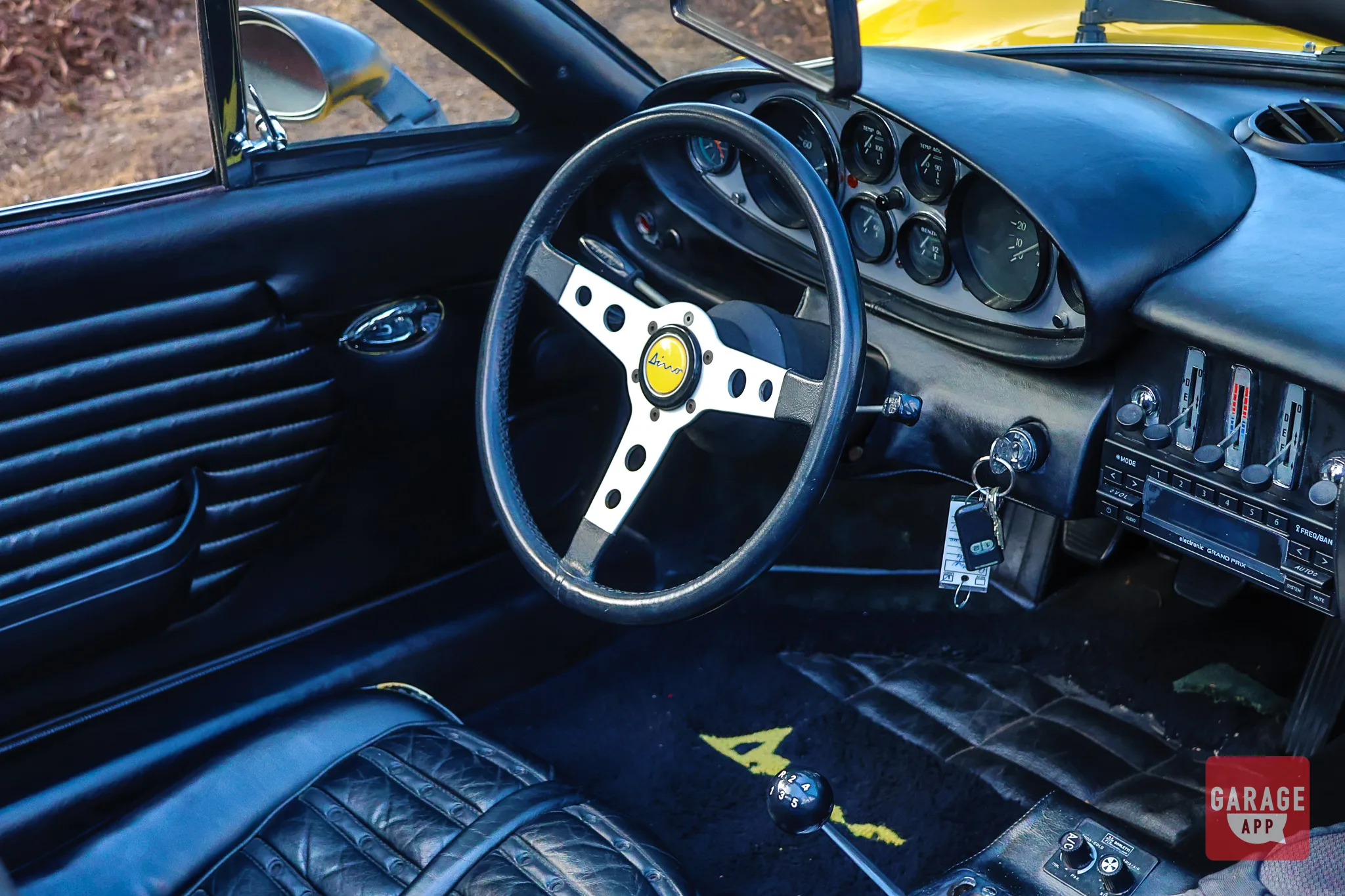
Why Enthusiasts Call It One of the Best-Handling Classics Ever
Numbers do not explain the Dino. The way it moves down a road does. The car is light, the mass sits low and central, and the steering is unassisted and full of texture. You feel the front tires loading up in a corner, you feel the surface change beneath you, and you feel the car settle and pivot as you balance the throttle. Nothing is filtered out.
That is the heart of the analog driving experience people chase in cars like this. There is no electronic intervention, no variable-ratio rack hiding what the wheels are doing. It is just you, the road, and a chassis that was tuned by people who clearly understood balance. Drive a Dino on a good back road and it shrinks around you. The compact proportions that look so charming when parked become a genuine advantage when the corners tighten.
The Gated Manual You Never Forget
The five-speed manual runs through an open metal gate, that famous chrome H-pattern with each slot machined into the plate. Cold, the lever can be notchy and deliberate, and the shift into second often needs patience. Warm, it becomes one of the great mechanical pleasures in motoring. The click of the lever against the gate, the slight resistance and then the snick into place, all of it makes shifting feel like an event rather than a chore.
Heel-and-toe downshifts in a Dino are pure theater. The gate forces precision, the throttle is light, and getting a clean rev-matched downshift on the way into a corner is the kind of small victory you remember long after the drive is over.
The Pininfarina Shape That Refuses to Age
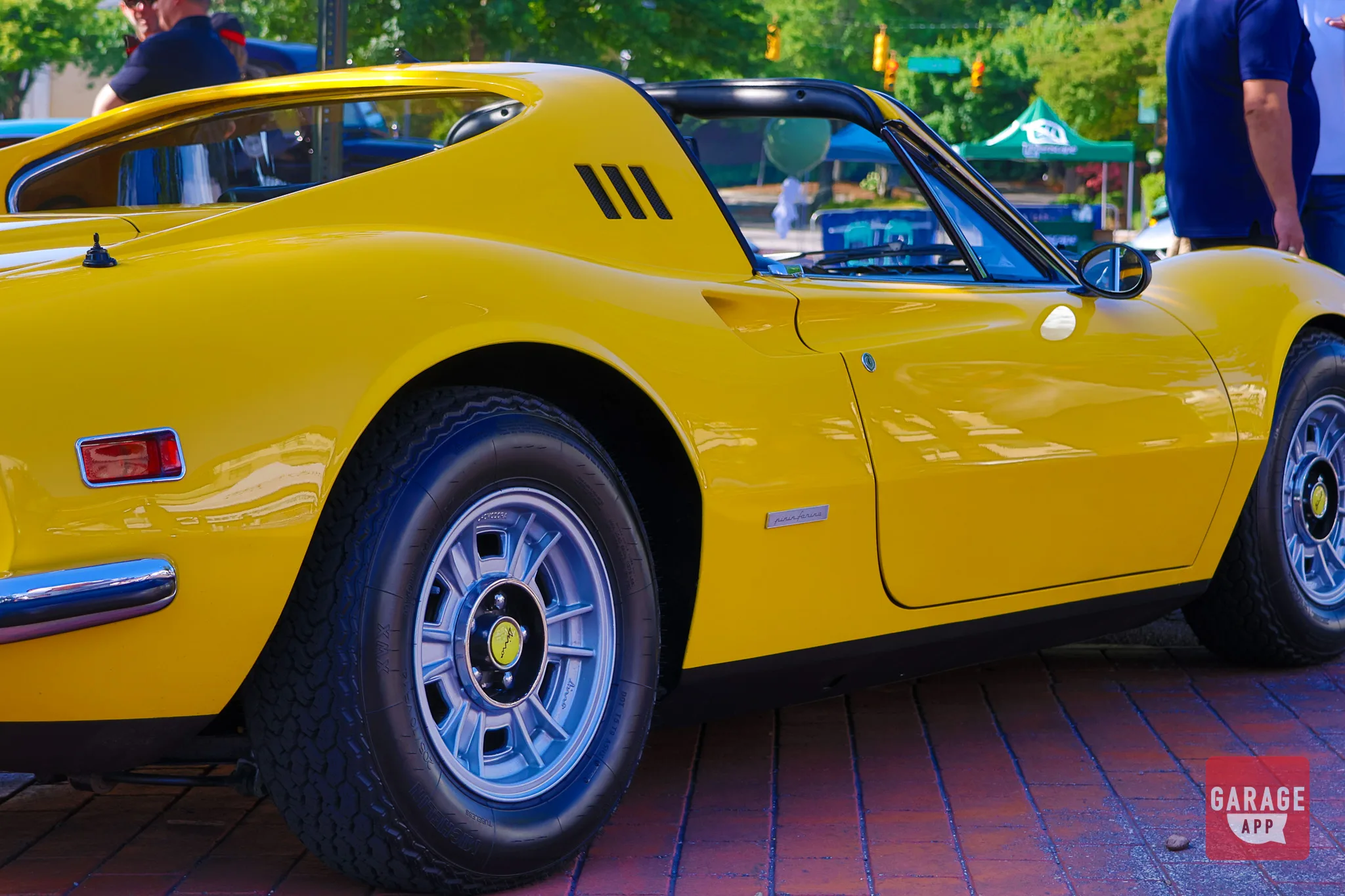
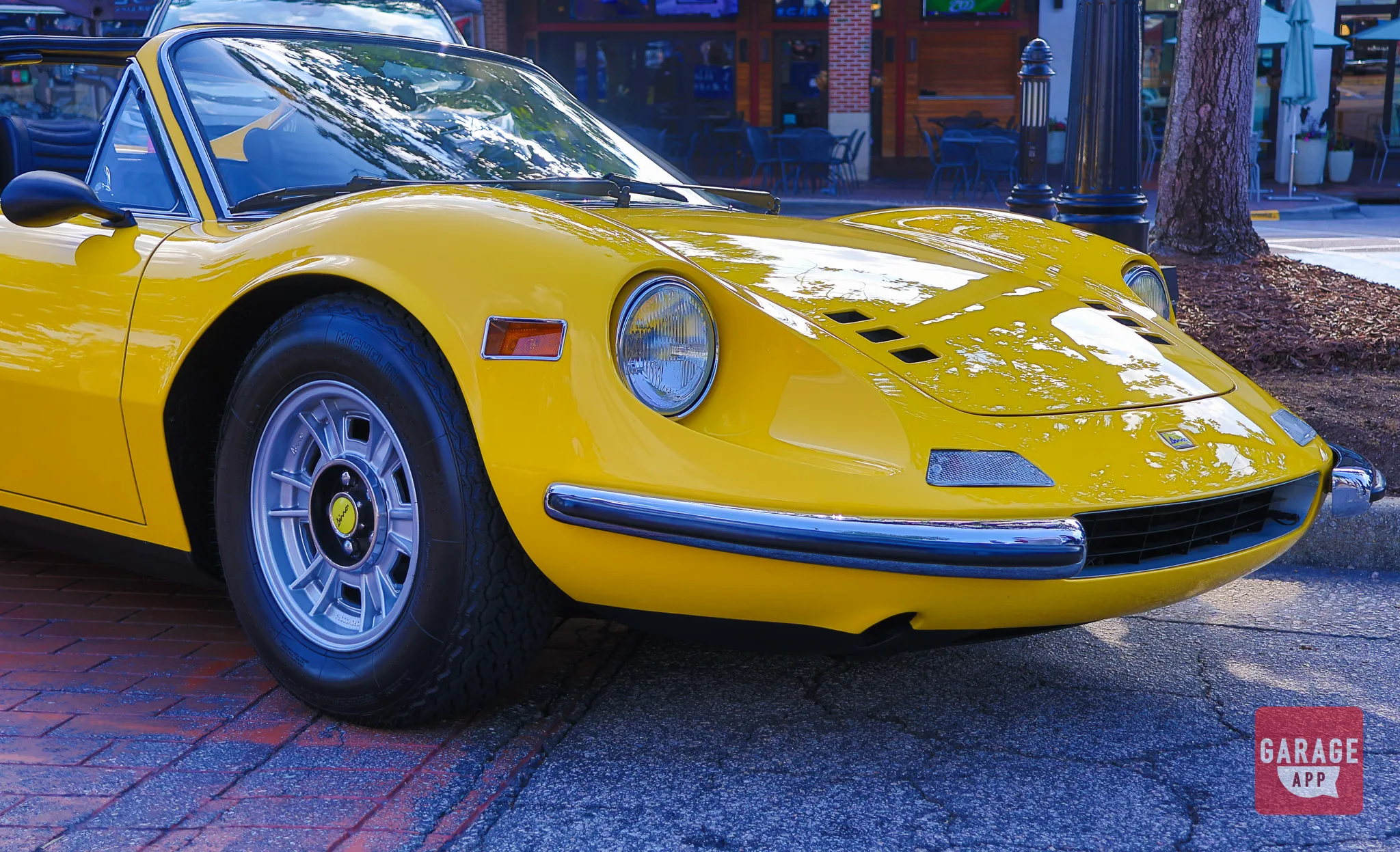
It is hard to take a bad photo of a Dino. The Pininfarina design, with much of the credit going to Leonardo Fioravanti, is a study in flowing curves. Look at the front fenders rising over the wheels and then dipping down toward the nose. Look at the way the roofline melts into the rear deck, and the curved rear glass that wraps around almost like a fishbowl, framed by delicate chrome trim.
There is barely a straight line anywhere on the body. The recessed headlights, the scalloped door intakes feeding air to the engine, the way the tail kicks up just slightly, all of it works together. People regularly call it one of the most beautiful Ferraris ever made, and it earns that not through aggression but through proportion and restraint. It is a small car that carries itself with enormous grace.
No straight lines, no wasted gesture, just a shape that still stops a room half a century later.
GT or GTS, and the Rare 206
There were a few flavors. The early 206 GT used a smaller 2.0-liter engine and an aluminum body, and only a few hundred were built, which makes them the rarest and most collectible of the line. The 246 GT that followed grew to the 2.4-liter engine with a steel body and became the volume car. The 246 GTS added a removable Targa-style roof panel for open-air driving, sacrificing the lovely fixed roofline for sunshine on demand.
Most buyers today are choosing between a 246 GT coupe and a 246 GTS targa. The coupe keeps that perfect, uninterrupted roofline. The GTS trades a little of that purity for the experience of the V6 howling behind you with the panel removed. Neither is wrong. It depends on what you value.
Collector Demand and What Actually Matters
For decades the Dino was the affordable Ferrari, overlooked because it lacked a V12 and the official badge. That story is long over. Values have climbed sharply over the past decade as collectors recognized the car's importance and its sheer driveability. A good 246 GT is now firmly a Ferrari collector car, and the rare 206 GT sits well above that.
If you are shopping, the usual classic Ferrari fundamentals apply, only more so.
- matching numbers, meaning the original engine and gearbox are still in the car.
- originality of the body and panels, since corrosion was a real issue and bad repairs hide easily.
- factory-correct colors and trim, with documented changes if it has been repainted.
- a paper trail covering history, service records, and any restoration work.
Documentation moves the needle on value more than people expect. A Dino with a thick history file and verified matching numbers will outsell a prettier car with question marks every time. Tracking that paperwork is exactly the kind of thing a digital garage makes easier, and keeping your maintenance records and provenance in one place in GarageApp saves you scrambling when it comes time to show or sell the car.
Living With One
Here is the part that surprises people. The Dino is genuinely approachable to own compared to a big V12 Ferrari of the same era. The engine is smaller and simpler, parts and specialist knowledge are reasonably available, and the car is light enough that it is not punishing on its consumables. The carbs need balancing, the cooling system deserves attention, and rust is the eternal enemy, but none of it is exotic in the way V12 maintenance can become.
More to the point, it is a car you actually want to drive rather than trailer. It is comfortable enough for a real road trip, small enough to enjoy on a tight mountain road, and reliable enough when properly sorted to be a regular at a cars and coffee gathering. A lot of high-value classics get hidden away. The Dino practically begs to be used.
What It Leaves Behind
Drive a modern Ferrari and you get astonishing speed, perfect manners, and a level of electronic assistance that makes a fast lap feel almost easy. Drive a Dino and you get the opposite, in the best way. Everything is mechanical, everything is felt, and the car asks something of you in return. That contrast is exactly why so many people who can afford anything keep coming back to this little V6.
The Ferrari Dino matters because it changed the company. It proved a mid-engine Ferrari road car could work, it launched the philosophy that defines Ferrari to this day, and it did it wrapped in one of the most beautiful shapes Pininfarina ever drew. Add the story of the son it was named for, the V6 that sings, the gated shifter, and the handling that still embarrasses cars built decades later, and you understand why the Ferrari Dino 246 GT sits near the top of so many enthusiast wish lists. It is history, art, and a genuinely thrilling drive in one impossibly pretty package.
Few names in motoring carry the weight that Ferrari does, a company built on racing pedigree and an obsession with engineering that borders on art. The Dino is proof that this obsession was never reserved for the headline V12 cars alone. It showed that even Ferrari's smallest, most affordable creation could carry the same soul as the machines that made the marque famous.
If the Dino represents one half of Ferrari's character, the lightweight, mid-engine, rev-it-out half, then cars like the 612 Scaglietti carry the other. The big front-engine V12 grand tourer is everything the Dino is not, long-legged, effortless, and built to cover continents in comfort. Yet both come from the same obsession with how a car should make you feel. Put the two side by side and you see the full breadth of what Ferrari has always been chasing, from a featherweight V6 that dances down a back road to a thundering twelve that swallows highways whole.