

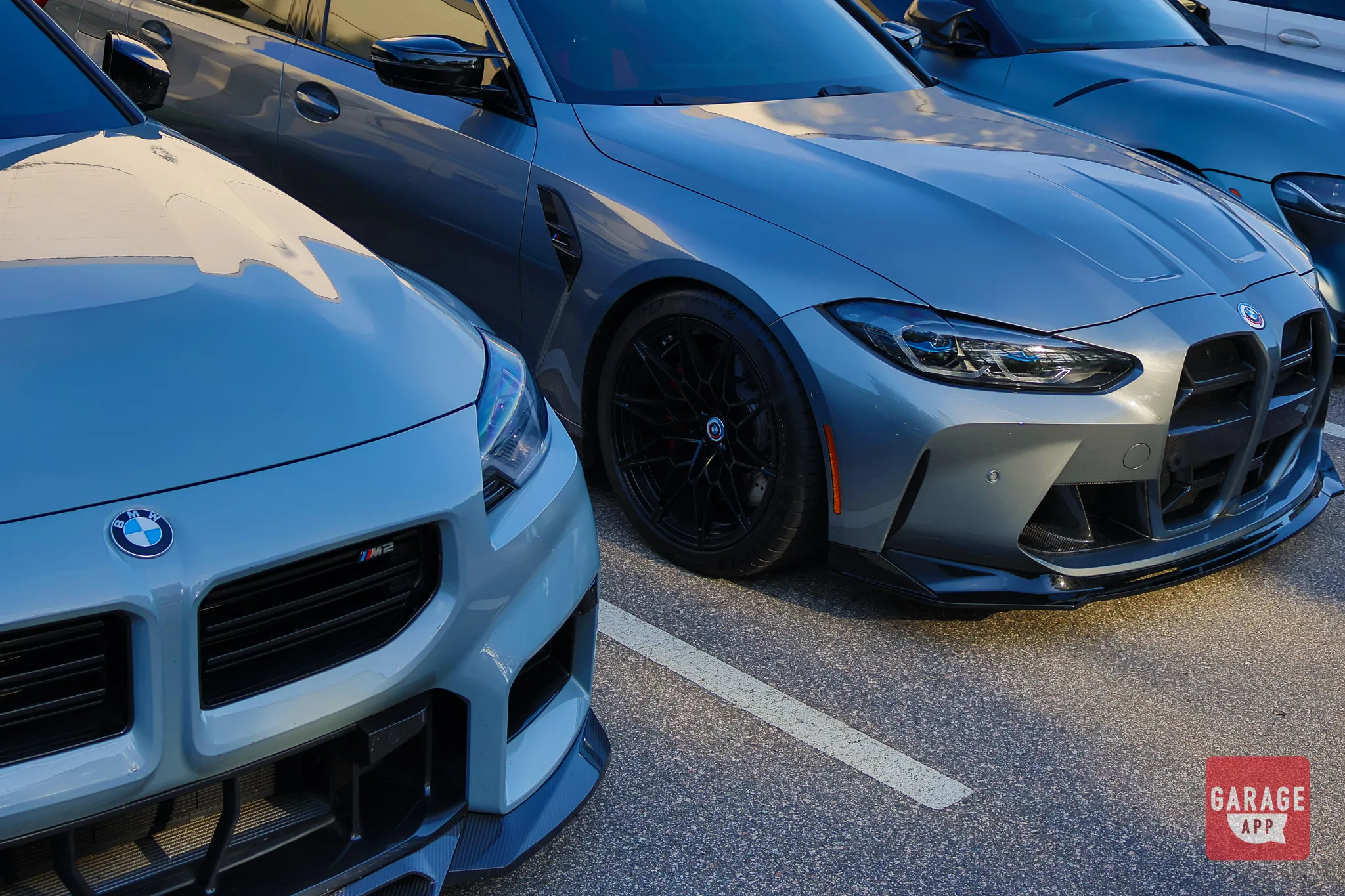
Few cars reward modification like a BMW does. The chassis balance is baked in from the factory, the aftermarket is deep and mature, and the community is arguably the most engaged of any brand. That combination is exactly why BMW performance mods are one of the most searched enthusiast topics online, and why owners of everything from an E46 to an F80 M3 to a G20 330i keep coming back to the mod well.
This is a BMW mod guide written by people who actually turn wrenches and burn tanks of fuel, not a parts catalog dressed up as advice. The goal here is honest: which of the best BMW upgrades actually move the needle, what they realistically cost, and the right order to do them so you do not waste money. We will separate street builds from track builds throughout, because they are not the same project.
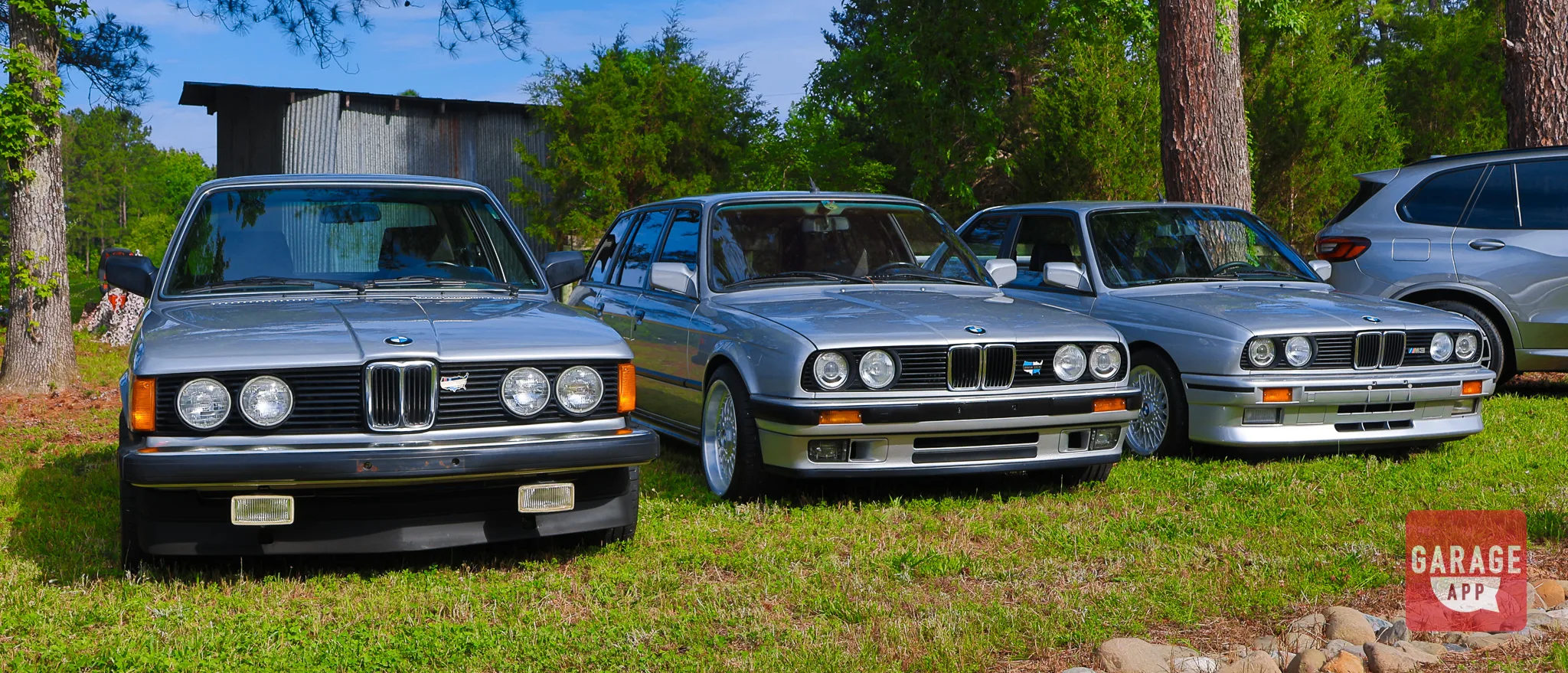
Performance Mods: Where the Real Gains Live
If your BMW is turbocharged, and most modern ones are, the single best dollar-per-horsepower upgrade is an ECU flash. A stage 1 tune on an N54, N55, B58, or S55 platform can add 60 to 100+ horsepower and a fat wave of torque with zero hardware changes. That is not marketing fluff, that is the reality of how conservatively BMW tunes its cars from the factory.
- ECU flash (stage 1): $500 to $900, biggest gains per dollar on turbo cars.
- Cold air intake: $150 to $500, modest power but better throttle response and sound.
- Downpipe/exhaust: $600 to $1,500, unlocks tune potential and adds character.
- Upgraded intercooler (FMIC): $600 to $1,200, critical for consistent power in heat or on track.
- High-pressure fuel pump / injectors: needed once you push past stage 2 territory.
Naturally aspirated BMWs, think S54 in the E46 M3 or the S65 V8, are a different story. Bolt-ons like headers, tunes, and intakes bring smaller percentage gains and cost more per horsepower. On those cars, the honest advice is to chase weight reduction and driver skill before you chase dyno numbers.
Before you flash a tune, talk to someone who has already run it on your exact platform. Software behaves differently across model years and fuel qualities, and a real owner's feedback beats a forum thread from 2016.
That last point matters more than people admit. A tune is software you cannot easily see or test-drive before you buy. Use GarageApp to find nearby BMW owners — flag for user to swap in real URL — running the same tune, then message them directly — flag for user to swap in real URL — to ask about reliability, drivability, and whether they had any check-engine drama. Ten minutes of real conversation can save you a $1,000 mistake.
Stage 1 vs. Stage 2 at a Glance
- Stage 1: tune only, ~$700 total, 60 to 90 hp, factory-reliable on stock fuel and hardware.
- Stage 2: tune + downpipe + intake + intercooler, ~$2,500 to $3,500, 90 to 130 hp, still reliable with proper fueling and cooling.
- Stage 2+ / built: meth, upgraded turbos, forged internals, big money, track-focused reliability trade-offs.
Suspension and Handling: Where BMWs Come Alive
This is the section serious drivers should read twice. A BMW that handles better is more fun on every single drive, unlike a power mod you only feel at wide-open throttle. Coilovers, sway bars, and a proper alignment transform the car far more than most people expect.
- Alignment and corner balance first: the cheapest handling gain there is, often under $200.
- Sway bars: $300 to $500, reduce body roll and let you dial in over/understeer balance.
- Coilovers: $1,000 to $3,500, adjustable ride height and damping for street or track.
- Bushings and control arms: tighten up an older chassis, worth it on high-mileage E-chassis cars.
The hard part with coilovers is that you are buying a look and a ride quality you cannot feel in a web listing. This is where browsing local Virtual Garages — flag for user to swap in real URL — pays off. You can see a specific setup on a real car in your area, check the actual ride height and stance, and even follow the local community — flag for user to swap in real URL — of owners running that brand. Seeing an MPerformance coilover on an F30 in person beats guessing from marketing photos every time.
Do not slam your BMW before you know how you will actually use it. Aggressive camber and low ride height look great parked but murder tire wear and daily comfort. Set it up for your real driving, then adjust.
A well-sorted suspension makes an average driver feel like a hero and a fast driver feel unstoppable. Power just makes the scenery blur faster.
Common wisdom in the BMW track community
Braking Upgrades: When You Actually Need Them
Here is honest guidance most parts sites will not give you: most street BMWs do not need a big brake kit. Factory brakes on M cars are genuinely excellent. What people mistake for weak brakes is usually fade from cheap pads and old fluid.
- Better pads (street/track compound): $150 to $400, the single most effective brake upgrade.
- High-temp fluid + stainless lines: $150, kills fade and improves pedal feel.
- Slotted or two-piece rotors: $400 to $900, better heat management for frequent track use.
- Big brake kit: $2,500+, only worth it for serious track duty or specific wheel clearance goals.
If you are chasing more power, upgrade fluid and pads at the same time. Cars that are quicker in a straight line need to be quicker to stop too, and that is the cheapest safety insurance you will ever buy.
Wheels and Tires: The Most Underrated Upgrade
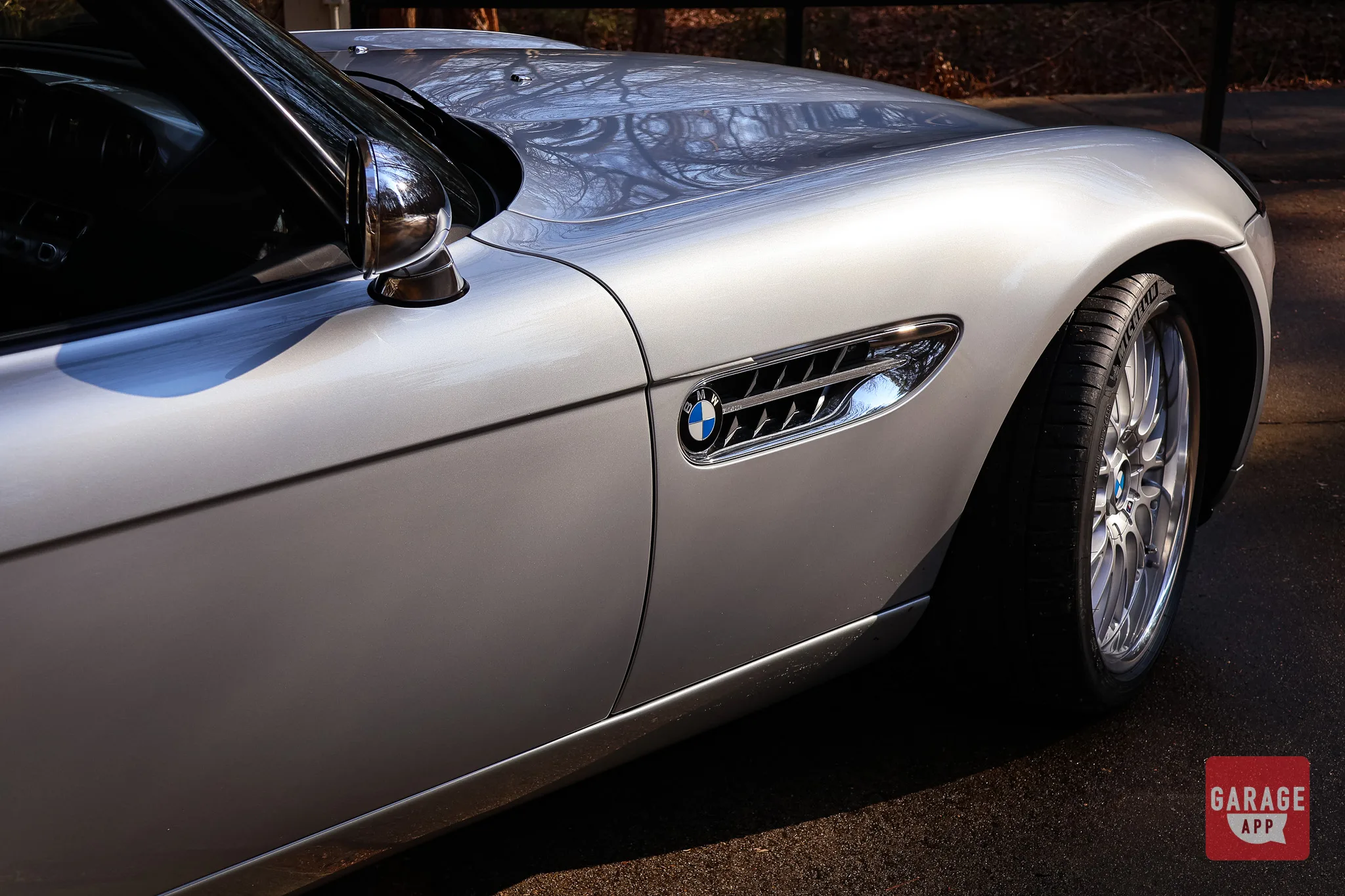
Tires are the only thing connecting your BMW to the road, so a set of quality performance tires often outperforms a whole box of power mods on a back road. Lighter wheels reduce unsprung and rotational mass, which improves ride, handling, and even acceleration.
- Street: a staggered set of quality all-season or summer tires on a light wheel.
- Track: a dedicated 200-treadwear tire on a wider wheel, run separately from your street set.
- Weight matters: a forged wheel that is several pounds lighter transforms steering feel.
Fitment is the classic BMW headache. Offset, width, and spacers all interact with your suspension setup, and getting it wrong means rubbing or poke you did not want. The smart move is to search by make, model, and trim — flag for user to swap in real URL — and check other owners' Virtual Garage specs. If someone with your exact chassis and coilover height is running a particular wheel and offset without rubbing, you have your answer without the trial and error.
Write down the exact wheel spec, tire size, offset, and any spacers from an owner whose setup you like, then confirm it against your own ride height. Fitment that works on stock suspension may not clear on lowered springs.
Exterior, Interior, and Tech: Form vs. Function
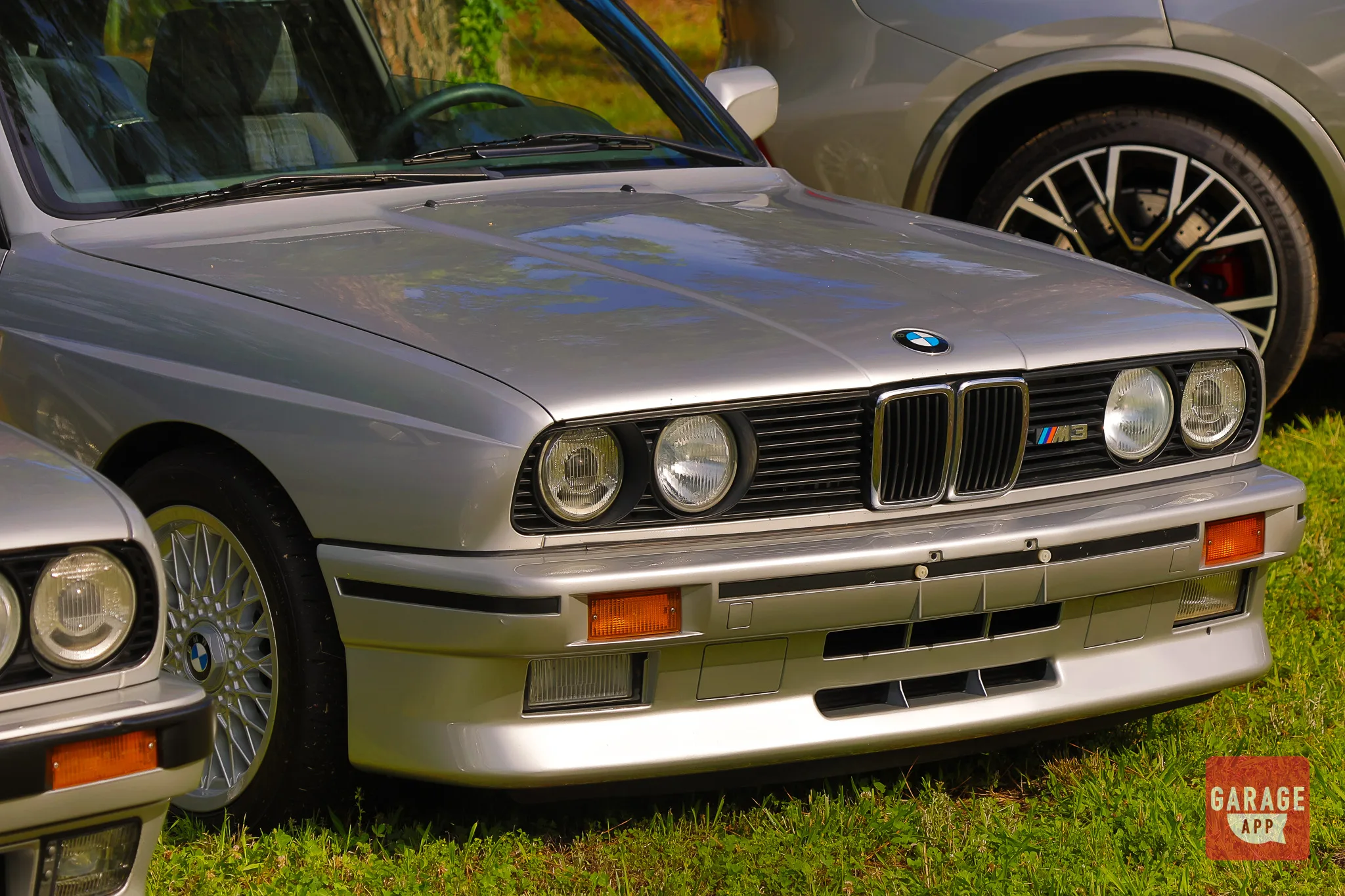
Exterior mods split into two camps. Real aero, front splitters, proper diffusers, functional wings, matters at track speeds. On the street, most of it is styling, and that is fine as long as you are honest about which one you are buying.
- Splitters and lips: subtle look, real downforce only at speed
- Wraps: protect paint and change the look without a permanent commitment
- Wings/spoilers: functional on track, mostly aesthetic on the street
Inside, the upgrades that matter are the ones you touch every drive. A good sport or bucket seat holds you in place during hard cornering and instantly improves the driving experience. A short shifter tightens up throws on the manual cars, and gauge additions like an oil temperature or boost readout give you real data, especially on a tuned car.
Tech upgrades are their own rabbit hole. Retrofitting CarPlay and Android Auto — flag for user to swap in real URL — into older iDrive systems is one of the most satisfying quality-of-life mods on an E9x or early F-chassis car. It makes the cabin feel a decade newer, and it pairs perfectly with using GarageApp's AI-generated driving routes — flag for user to swap in real URL — to find the best roads near you.
Mod Order and Budgeting: The Smart Path
The most expensive mistake in BMW tuning is buying in the wrong order and re-buying parts later. Here is a sane build order that keeps the car balanced and your wallet intact.
- Tires and alignment: grip and geometry before anything else.
- Brakes: pads and fluid so you can safely use the car harder.
- Suspension: sway bars and coilovers for handling that transforms every drive.
- Power: stage 1 tune, then supporting mods if you catch the bug.
- Aesthetics and tech: wheels, wraps, seats, and CarPlay once the mechanicals are sorted.
New builders should also read our take on the best first car mods for beginners, which applies directly to BMW ownership. And if you want to understand the culture you are buying into, our piece on what it means to own a BMW is a good primer.
Budgeting advice is easier when it comes from people who have already built the exact car you own. Join a BMW owner group — flag for user to swap in real URL — on GarageApp and ask about build order for your chassis. The guy three towns over who built an F80 last year will tell you exactly which parts he wishes he had bought first and which he regrets. That is worth more than any spec sheet.
Warranty and Reliability: The Honest Truth
Yes, mods can affect your warranty. Under the Magnuson-Moss Warranty Act in the US, a dealer must prove a mod caused a failure to deny a claim, but in practice, a flashed ECU or obvious hardware makes those conversations harder. Some tuning software can be flashed back to stock before a dealer visit, which is why platform-specific knowledge matters so much.
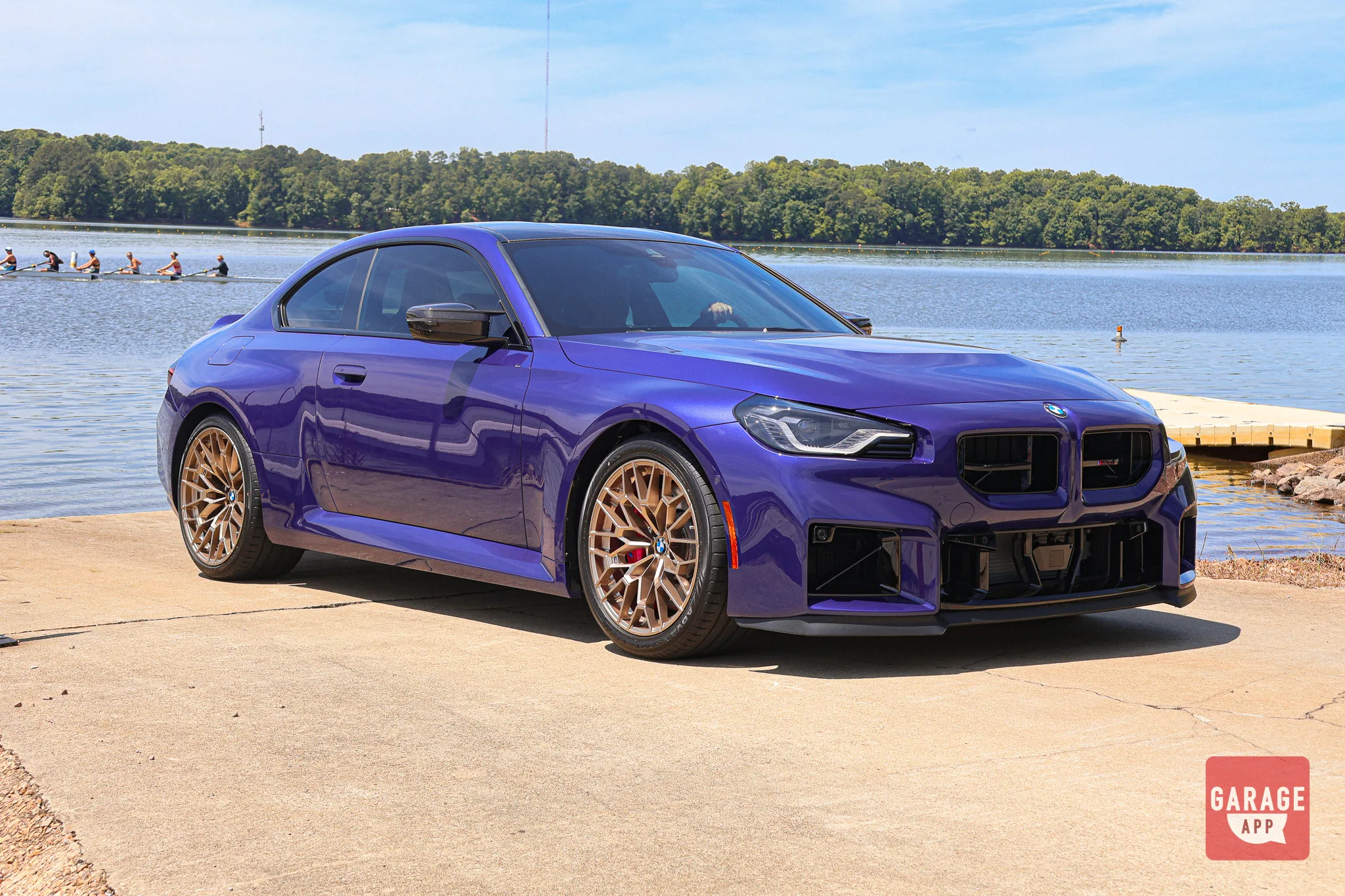
The best way to judge reliability is to see modded cars in the metal and talk to their owners. Use GarageApp to find local Cars & Coffee and meet events — flag for user to swap in real URL — near you, check the event attendee list — flag for user to swap in real URL — for BMW owners, and inspect their builds in person before you commit to anything major. Local meets like Europäisch Raleigh are goldmines for this kind of ground-truth research.
Keep your factory parts. Stock downpipes, exhausts, and suspension components have real resale value and let you return the car to stock for warranty work or sale. Never throw the OEM stuff away.
Once your build is coming together, show it off. Post your progress to GarageApp's location-aware social feed — flag for user to swap in real URL — to get real feedback from local enthusiasts, and if a friend gets into the platform through you, the referral program — flag for user to swap in real URL — makes it worth spreading the word. Building a BMW is more fun with a community watching your progress and cheering you on.