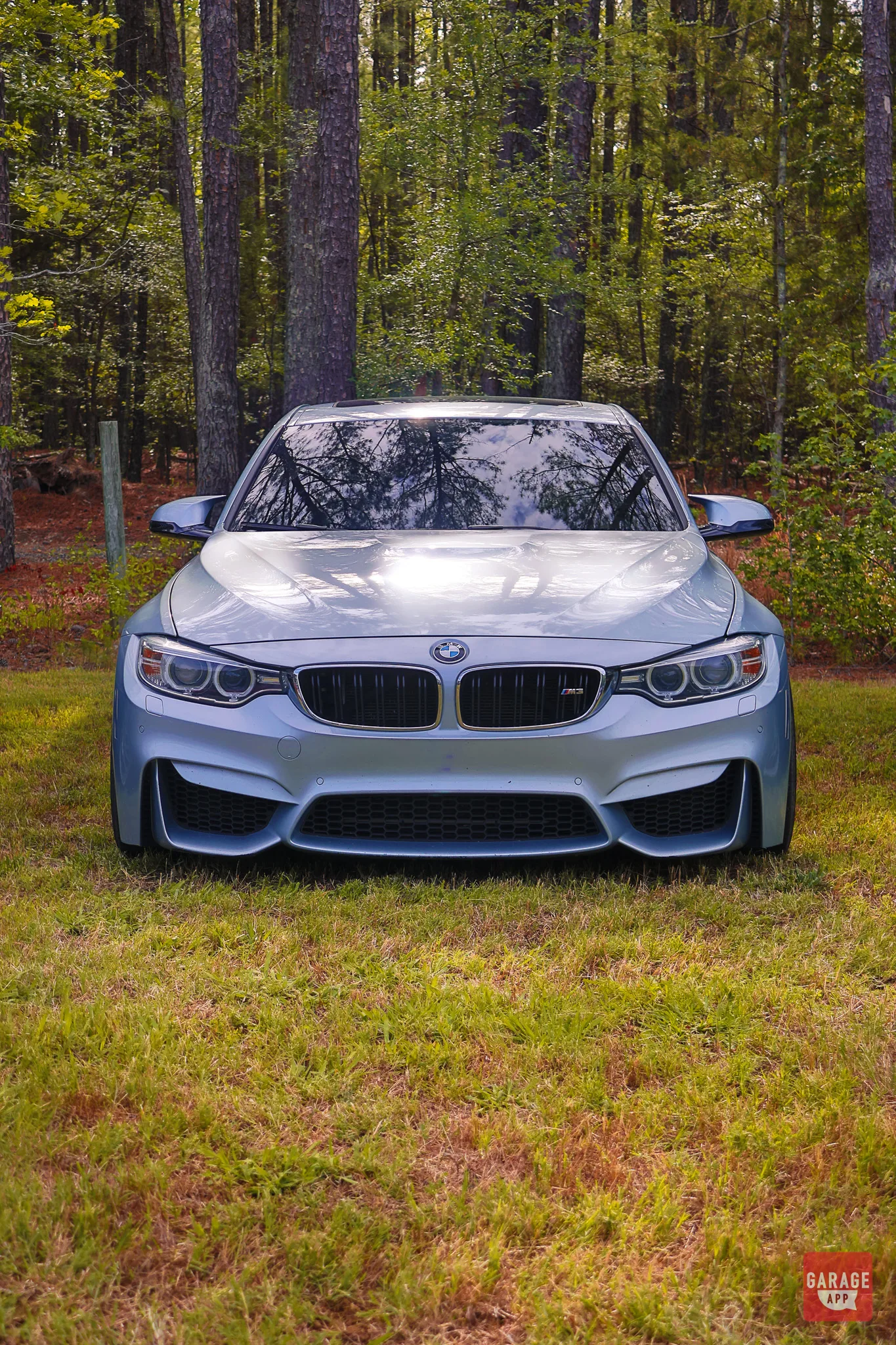

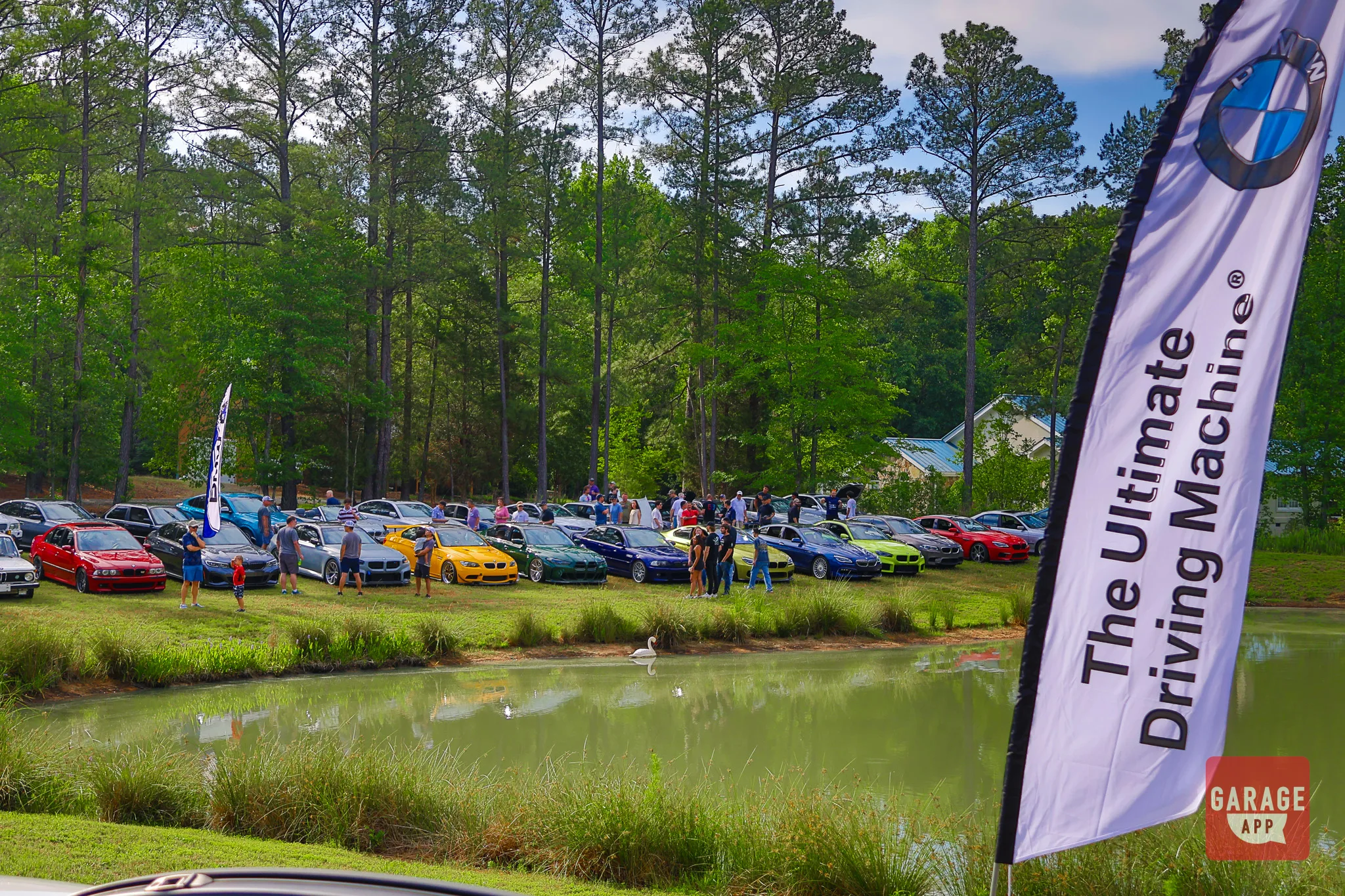
Ask any longtime BMW owner why they keep coming back and you rarely get a straight answer about horsepower or badges. Instead you hear about a specific mountain road, a particular gear change, the way the steering loads up as you turn in. That feeling is the whole point. BMW culture grew out of one simple idea: the person behind the wheel should be the most important part of the car. Everything else exists to serve the driver.
That philosophy is why owning a BMW so often turns into something bigger than transportation. It becomes a lifestyle built around driving well, learning how these machines work, preserving their history, and swapping stories with people who get it. Whether you daily an E46 or dream about a Z8 in a heated garage, you are part of a community that stretches back decades and across continents.

How BMW Earned the Ultimate Driving Machine
The slogan The Ultimate Driving Machine first showed up in North American advertising back in the mid-1970s, and it stuck because it was earned, not invented. BMW spent years building a reputation around a handful of engineering choices that all point in the same direction: making the car feel alive under your hands.
Start with the layout. For most of its history BMW favored a front-engine, rear-wheel-drive configuration with a near 50/50 weight distribution. That balance means the front tires do the steering and the rear tires do the driving, so the car rotates predictably and communicates clearly. Add precise, well-weighted steering, honest suspension tuning, and inline-six engines that rev with a smoothness that borders on hypnotic, and you get a car that rewards a good driver without punishing a beginner.
A BMW does not ask you to be a hero. It just quietly makes you a better driver every time you get in.
A common sentiment among enthusiasts
None of this happened by accident. BMW engineers obsessed over details most buyers never noticed: pedal placement for heel-and-toe downshifts, seating position, the linearity of throttle response. That commitment to driver engagement is the through-line connecting a 1970s 2002 to a modern M car.
If you want to feel what the slogan really means, find an empty back road and drive an older naturally aspirated six in third gear. The connection between throttle, revs, and road speed teaches you more than any spec sheet ever will.
The Legendary Models That Built the Legend
Every BMW enthusiast has a shortlist of cars that define the brand. These are the models people restore, collect, hunt for, and argue about at every meet.
The Cars That Started It All
The 2002 is the car that put BMW on the map for driving enthusiasts. Light, boxy, and honest, it proved a small sedan could be genuinely fun and helped launch the whole sport sedan category. Then came the E30, the 3 Series generation that turned a whole generation into BMW lovers. The E30 M3, born to satisfy touring car homologation rules, remains one of the most collectible BMWs ever built, and clean examples now trade for money that would have stunned original owners.
The Golden Era Sixes
The E36 modernized the formula and made performance accessible, which is exactly why it became the darling of track-day drivers and drifters. The E46, especially the E46 M3 with its high-revving S54 inline-six, is widely considered a high point of the driver-focused era. The E46 M3 in Laguna Seca Blue is the kind of car people build entire garages around. Meanwhile the E39 M5 brought a V8 with a seven-thousand-rpm redline to a full-size sedan and basically defined what a super sedan should be.
Roadsters, Grand Tourers, and Modern Icons
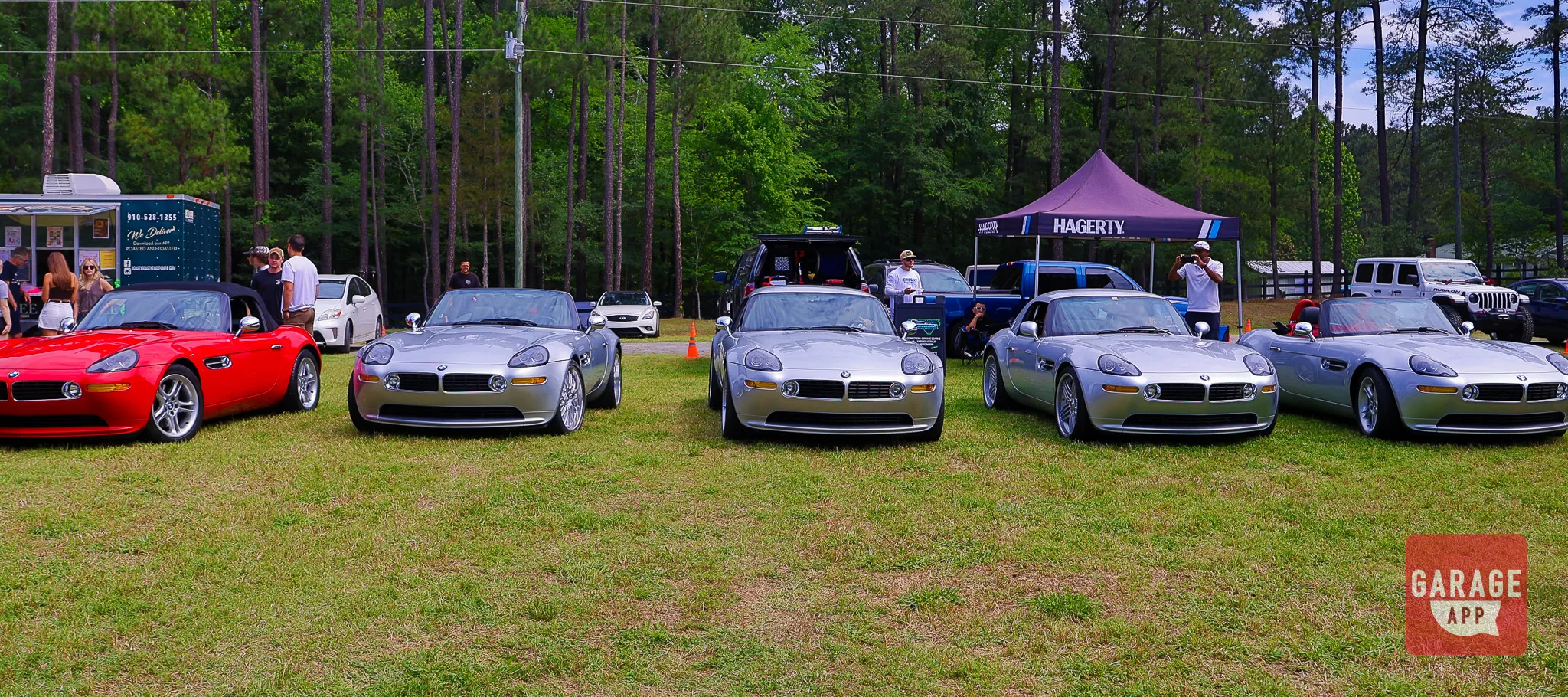
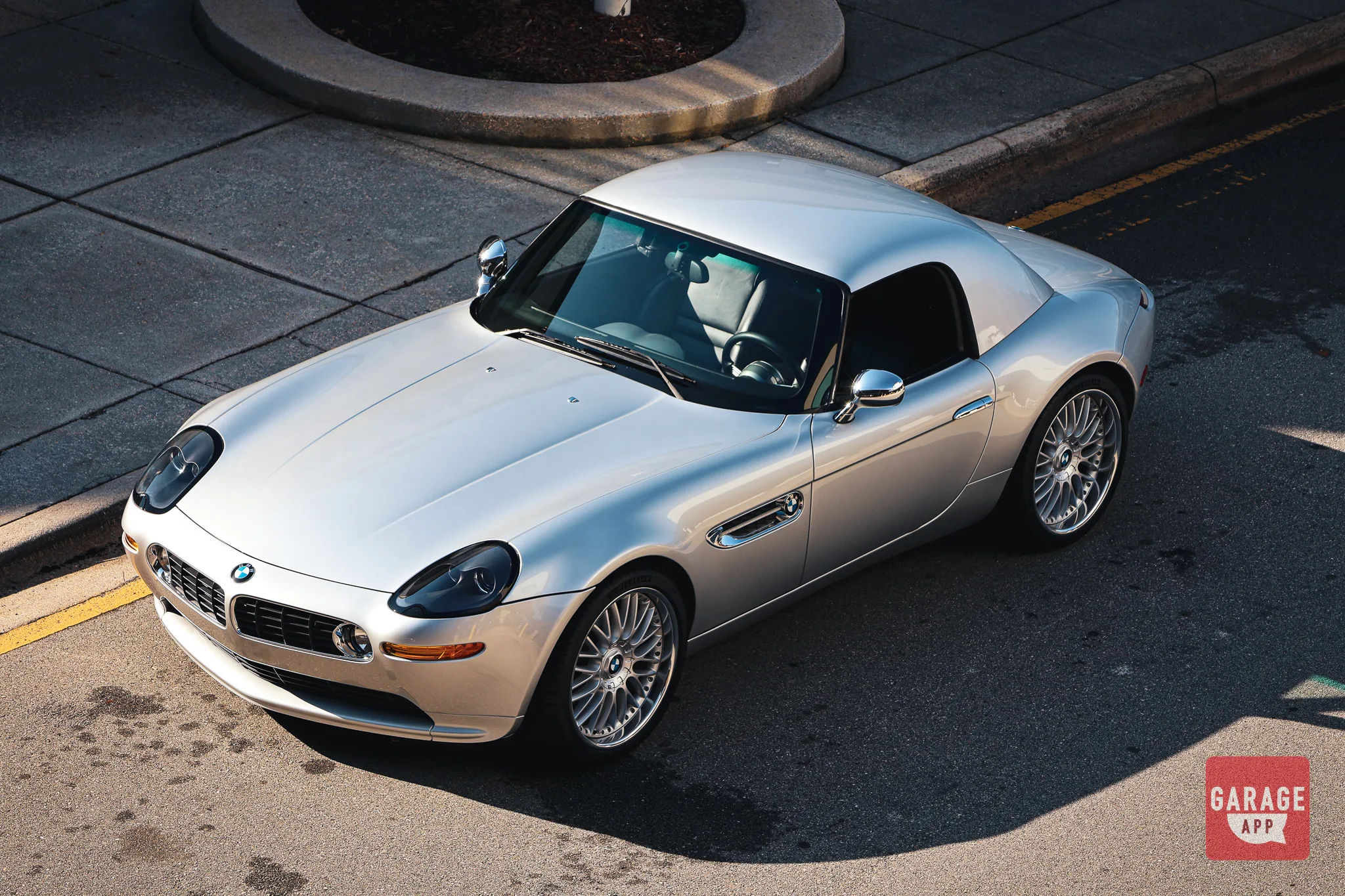
Not every icon is a sedan. The Z3 brought BMW roadster fun to the masses, while the Z8 delivered a hand-built aluminum halo car with retro styling and a V8 borrowed from the E39 M5. A pristine Z8 modern classic is now a genuine blue-chip collectible. If you want grand touring drama, the elegant 840Ci E31 8 Series proves BMW could build a continent-crossing coupe with real presence.
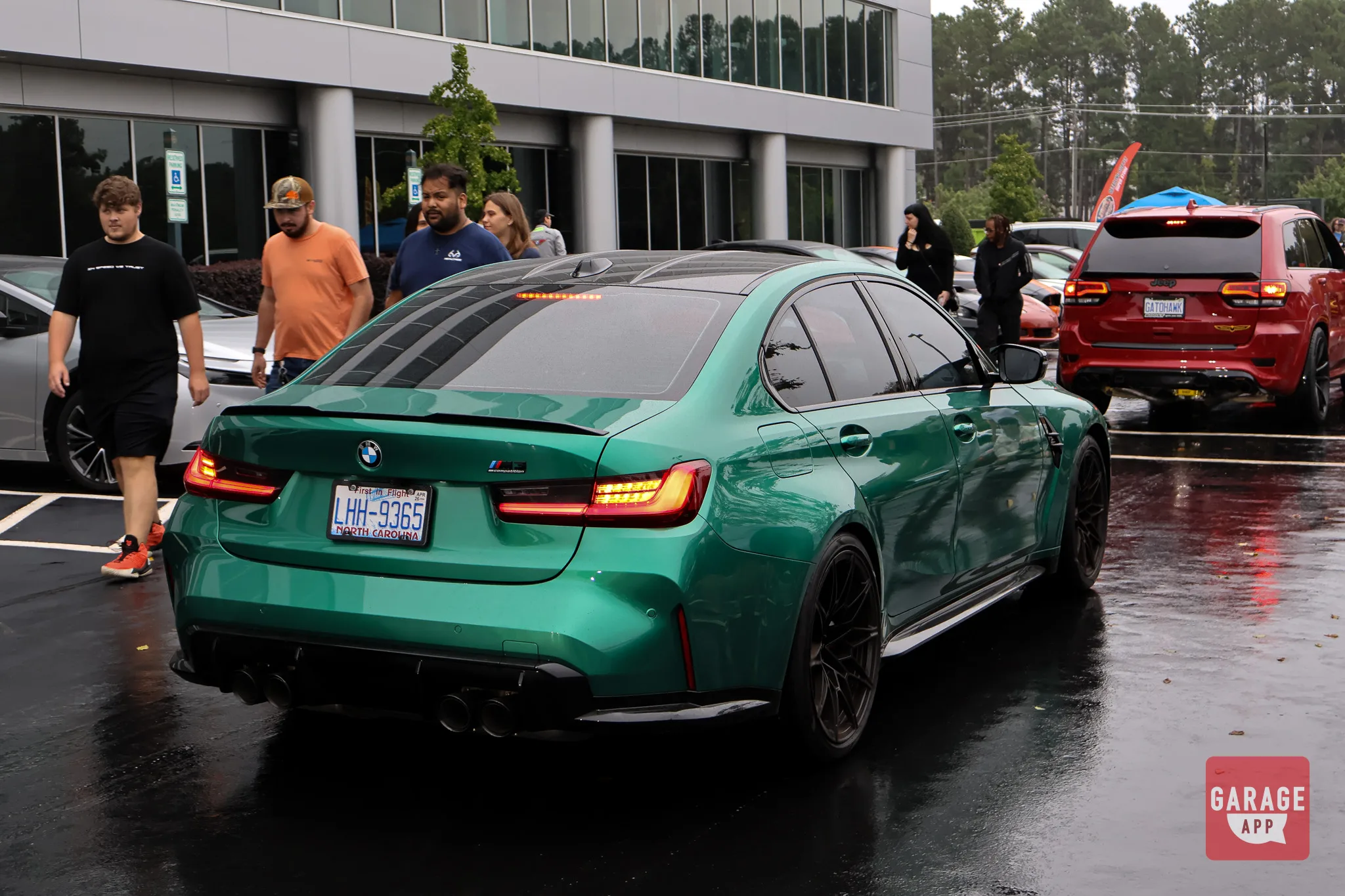
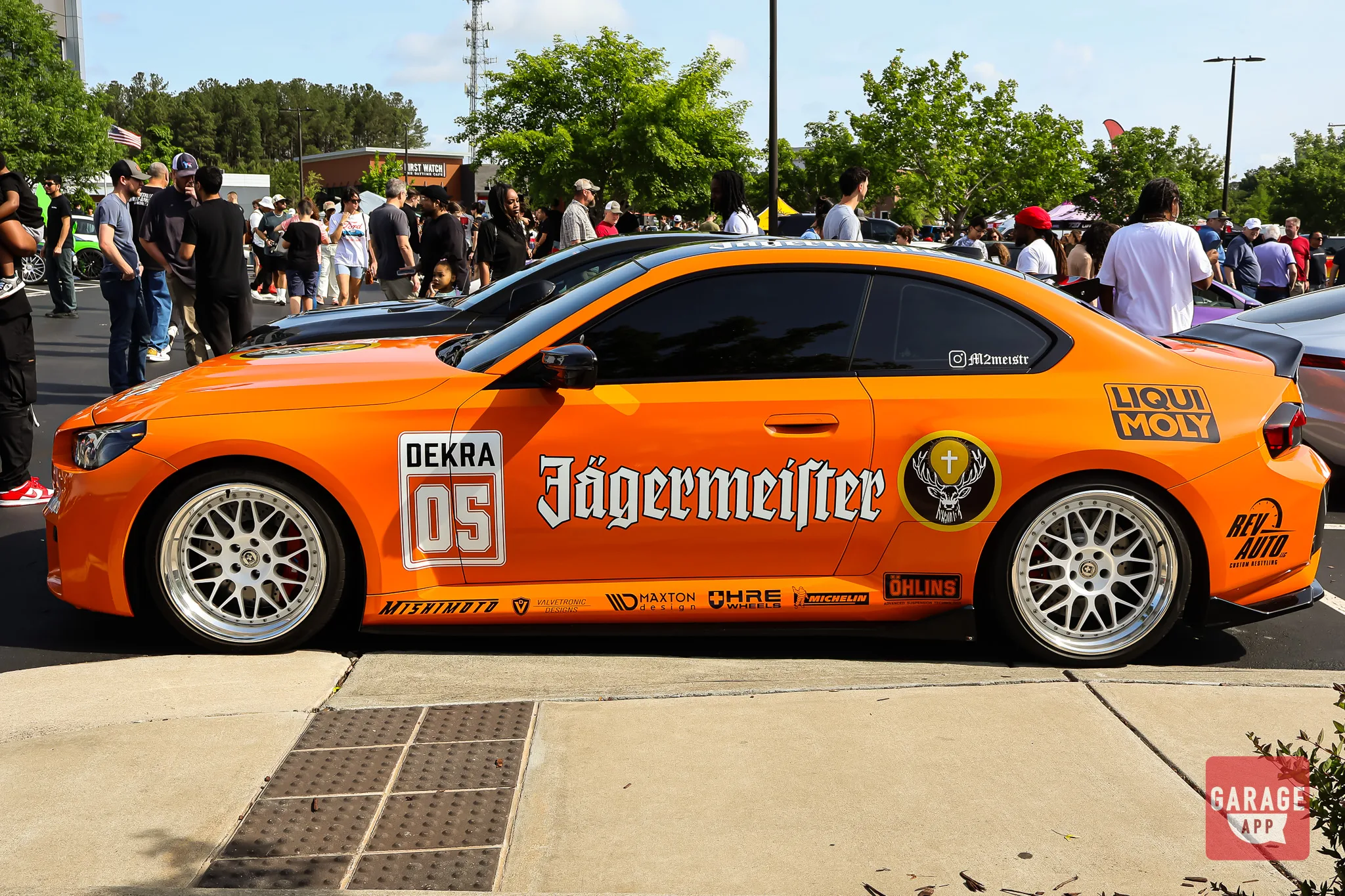
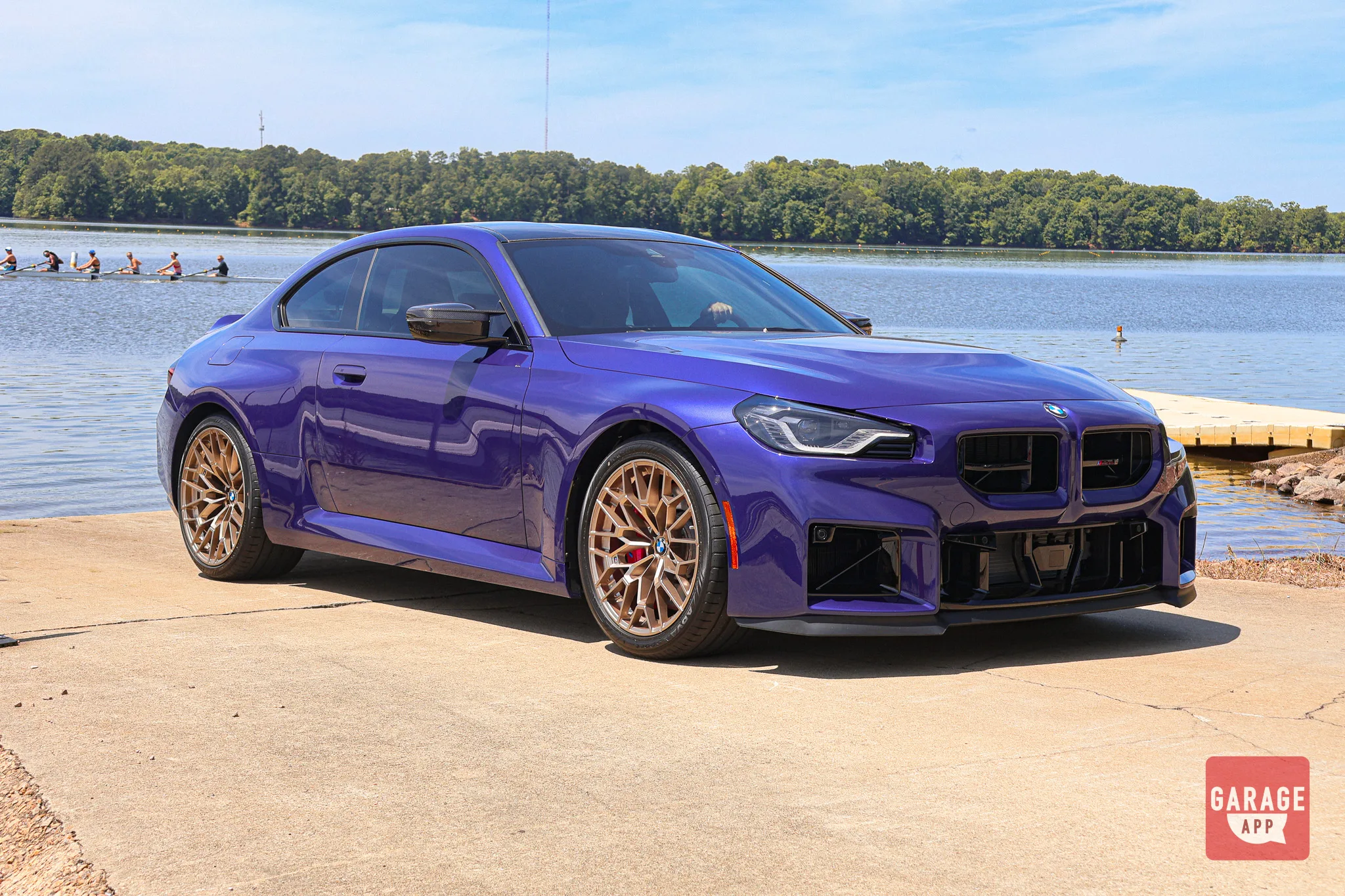
The M lineage kept evolving too. The E92 M3 gave enthusiasts their only V8-powered M3, a screaming 8,400-rpm engine wrapped in a razor-sharp coupe. The 1M Coupe was a happy accident of parts-bin brilliance that instantly became a cult classic. The F80 M3 and its M4 sibling moved to turbocharged sixes, and the current G80 carries the torch forward. And then there is the M2, the car many enthusiasts point to as the purest modern BMW. The 2026 M2 CS in Velvet Blue shows the recipe is very much alive. If you prefer your fun open-top and stick-shifted, the Z4 M40i with a manual answers the prayers of purists. Round out the family with the M4, the executive-express M5, and the grand M8, and you have a lineup that covers nearly every kind of driving joy.
Chasing a legendary model? Check service history and originality before chasing low miles. A well-documented, well-driven car is almost always a better buy than a garage queen with mystery gaps in its story.
Motorsport: Where the Reputation Was Forged
You cannot understand BMW culture without understanding racing. Performance was never a marketing add-on for BMW. It was proven on track first and trickled down to the cars you could buy.
BMW M itself was born from motorsport. The M division started in 1972 as BMW Motorsport GmbH, and its early job was building race cars, not badges for sedans. That heritage is why the M in M3 actually means something. Touring car racing became BMW's signature battleground, with the E30 M3 racking up championships across Europe, and later the E46 and beyond keeping the tradition alive in series around the world.
Endurance racing added another chapter. BMW's turbocharged four-cylinder engines dominated in ways that seemed impossible for their size, and the same M12 engine architecture famously powered a Formula One world championship in 1983 with Nelson Piquet, producing figures that made engineers rethink what a small motor could do. In North America, BMW built a fierce IMSA legacy, including prototypes and GT cars that put the roundel on podiums at Sebring and Daytona.
All of that racing knowledge fed straight back into production cars. Cooling, aerodynamics, differentials, engine metallurgy, chassis stiffness, the lessons learned under race conditions ended up in cars ordinary buyers could drive to work. That feedback loop is the real reason a BMW feels the way it does.
The Community That Makes It a Lifestyle
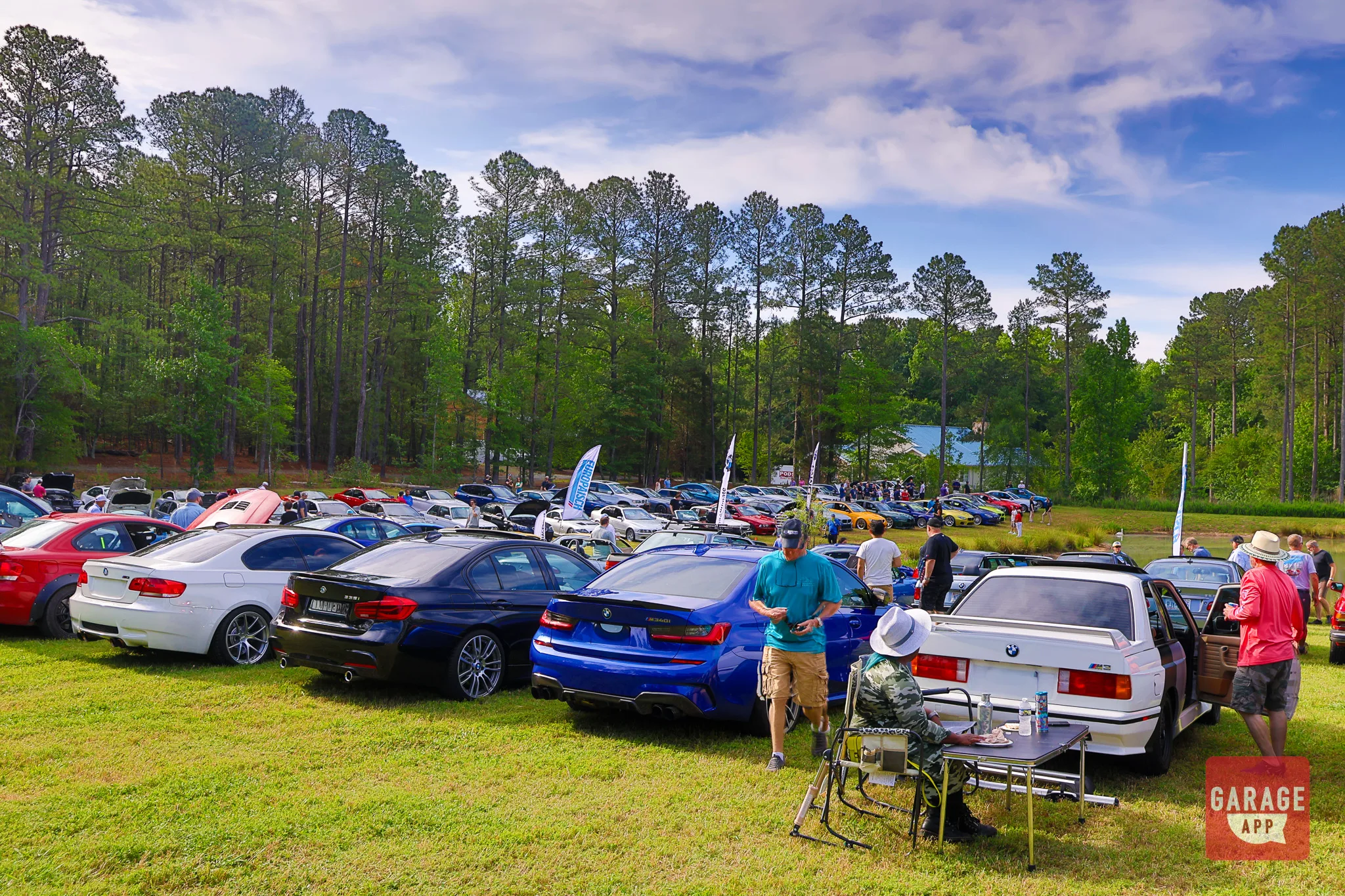
Buy a BMW and you can absolutely keep to yourself. Most owners do not, and that says everything about the culture. The community is genuinely one of the best parts of ownership.
Clubs, Meets, and Coffee
BMW clubs have been around for decades, and they range from formal chapters with track programs to loose local groups that just want an excuse to drive. If you have never been, a weekend Cars and Coffee event is the easiest on-ramp. Show up early, grab a coffee, and you will find people happy to talk about everything from suspension setups to where to find the last good source of E30 trim pieces. Local scenes like the Raleigh BMW community show how tight these groups can get.
Thinking about starting your own group? It is more approachable than you would expect, and a little planning goes a long way. Our guide on how to start a car club walks through the basics.
Driving, Not Hiding
The healthiest part of BMW culture is the shared belief that these cars are meant to be driven. Track days let you explore limits safely. Scenic drives and road rallies turn a random Sunday into a memory, and pairing a great car with one of the best mountain driving routes is a rite of passage. Charity drives raise real money while giving owners a reason to pull the covers off. The point is participation. A rare M car locked away forever is a little sad. A well-loved one with a few stone chips and a full logbook of adventures is the dream.
First track day nerves are normal. Book an instructor for your first session, keep your eyes up and far ahead, and remember the goal is smoothness, not speed. Confidence and pace come naturally after that.
Preserving Your Car's Story
One thing separates a car that holds its value and meaning from one that fades into anonymity: documentation. BMW restoration projects, careful BMW modifications, and even routine maintenance all become part of a vehicle's history, and that history matters to the next owner and to the community as a whole.
This is where a digital garage earns its keep. With GarageApp you can build a profile for each car and log the work as it happens, from a full engine refresh to a set of coilovers to that memorable road trip write-up. Documenting your build journey online keeps everything organized and makes the story easy to share when the time comes. Photos, receipts, awards, and ownership timeline all live in one place instead of scattered across old texts and shoeboxes.
GarageApp also helps you find the good stuff happening nearby, from meets to shows to organized drives, so your car spends more time on the road and less time sitting. For enthusiasts who love the research side, browsing makes and models profiles is a fun rabbit hole in its own right.
Whatever generation of BMW you own or hope to own, the invitation is the same. Learn your car, drive it the way it was engineered to be driven, connect with people who share the obsession, and keep the history alive for whoever comes next. That is what the Ultimate Driving Machine life is really about.