

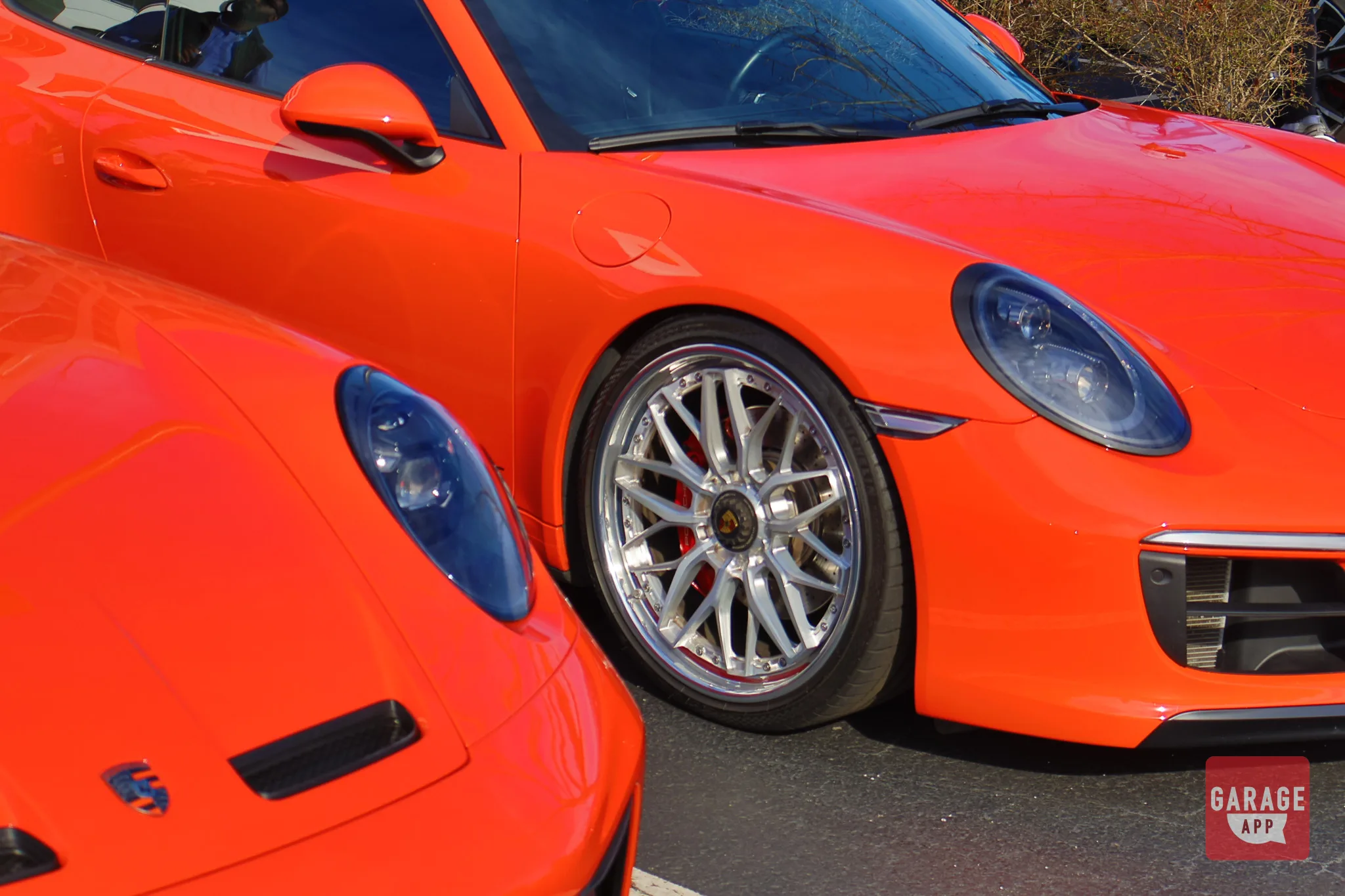
Everyone tells you a Porsche 911 is too much car for everyday life. Too expensive, too low, too precious to leave in a parking garage next to a Corolla. But after living with one as a daily driver, the truth is more interesting than the stereotype. A Porsche 911 daily driver is not the fragile trophy people imagine. It's one of the most genuinely usable performance cars ever built, and this is what that actually feels like from the driver's seat.
So is the 911 practical? Yes and no, and the honest answer depends entirely on what you're willing to trade. Let's walk through the real, lived-in stuff: comfort, costs, weather, parking, and the emotional math that makes enthusiasts accept the compromise anyway.
Ride Comfort and Ergonomics
The first thing that surprises people about running a 911 as a daily is how civilized it is. You sit low, but the seating position is spot on, wheel and pedals aligned dead ahead, no awkward offset like some sports cars. On a Carrera with the standard sport seats, you can spend three hours behind the wheel and step out without a sore back.
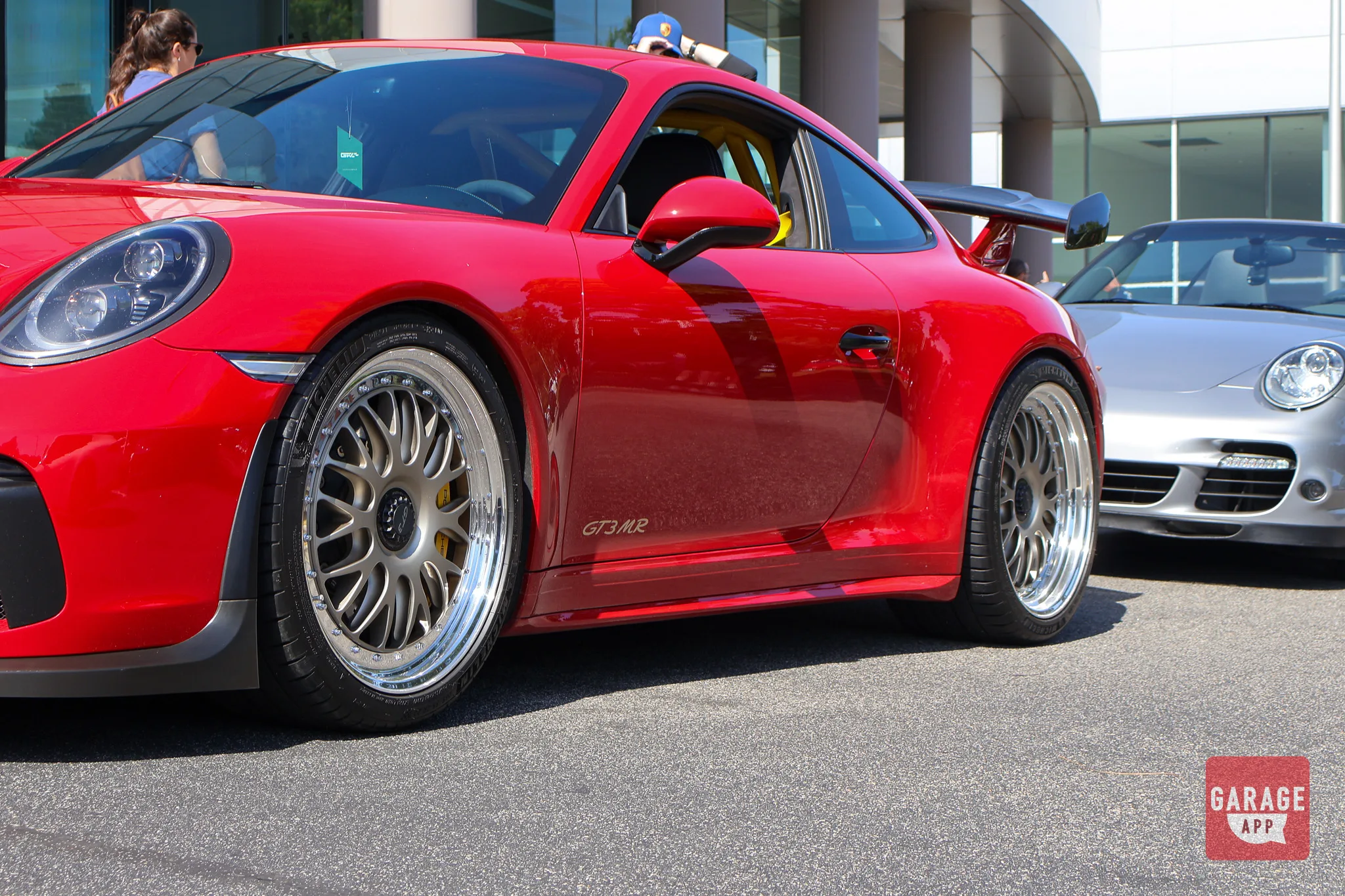
Ride quality is where the myth really falls apart. With PASM adaptive suspension in Normal mode, the 911 rides better than plenty of luxury sedans on the same road. Sport and Sport Plus firm everything up for a canyon run, but you leave it in Normal for the commute and it soaks up expansion joints without complaint. The 992 in particular smoothed out the low-speed harshness that used to plague earlier cars on 20-inch wheels.
If you're cross-shopping trims, spec PASM and the adaptive sport seats over the fixed buckets. The buckets look fantastic and weigh less, but they punish you on daily potholes and long commutes.
Climate control, seat heating and ventilation, and the general interior refinement are all Porsche-solid. Nothing rattles. Nothing squeaks. It feels engineered to be used, which is exactly the point.
Visibility and Practicality
Forward visibility in a 911 is genuinely great. You can see both front fenders rising up in your peripheral vision, which makes placing the car on narrow roads almost effortless. Rearward visibility over the shoulder is decent for a coupe, and the reversing camera on modern cars covers the blind spot behind the low tail.
The Rear Seats Are Secret Storage
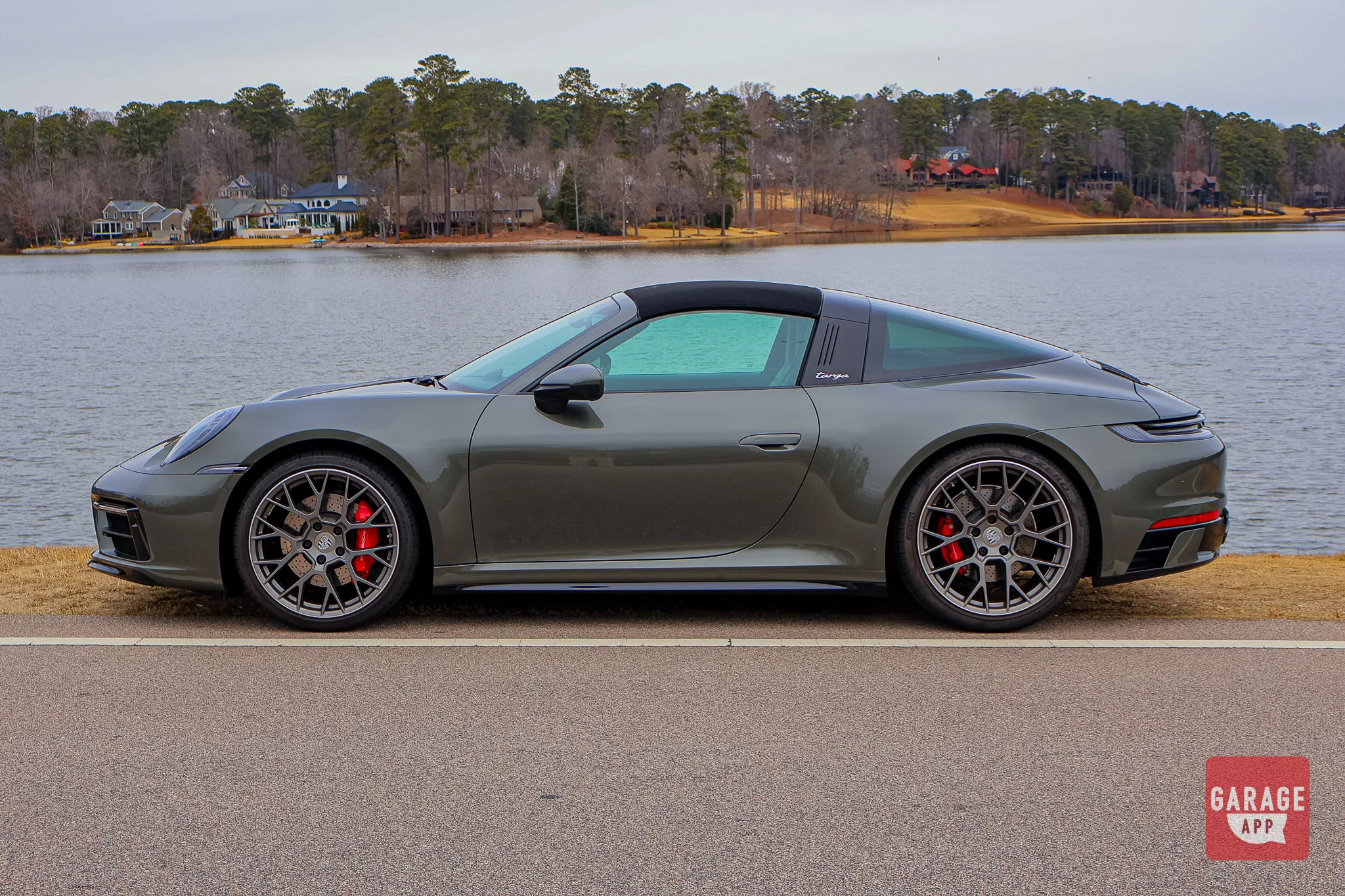
Nobody is riding back there unless they're under ten and folded like origami. But the rear seats are the reason a 911 shames every mid-engine rival on real-world practicality. Fold them down and you have a genuine parcel shelf. Groceries, gym bags, a couple of soft duffels for a weekend away, it all fits.
- Frunk (front trunk): around 4.6 cubic feet, enough for an airline carry-on plus a backpack.
- Rear seats folded: the real cargo secret, swallows soft bags and grocery runs.
- No conventional trunk: the engine lives out back, so pack soft, not rigid.
Compare that to a mid-engine Cayman or a Ferrari, and the 911's daily practicality is in another league. It's the everyday sports car that can actually do a Costco run.
Running Costs Day to Day
Here's where the daily-driven supercar fantasy meets your bank statement. A turbocharged 992 Carrera will realistically return 24 to 28 mpg on a steady highway commute, dropping into the high teens if you actually use the engine. That's not economy-car territory, but it's far from painful for something this fast.
Service intervals sit around every 10,000 miles or annually, whichever comes first. At real daily mileage, say 12,000 to 15,000 miles a year, you're looking at roughly one meaningful service per year. Minor services are reasonable by exotic standards. The bigger hits come at the intermediate and major intervals when spark plugs, filters, and fluids all land together.
Tires and brakes are your true daily running cost, not the badge on the hood. Rear tires on a driven 911 wear faster than you'd expect. Budget for a set of quality rubber roughly every 15,000 to 20,000 miles depending on how you drive.
Curious how those numbers stack up over years of ownership? This is where community data beats any brochure. GarageApp lets owners build a Virtual Garage to log their real service history, with photos, specs, and modifications all in one place. Seeing another owner's 60,000-mile Carrera with every receipt documented tells you more about true running costs than any dealer quote.
Winter and Weather Usability
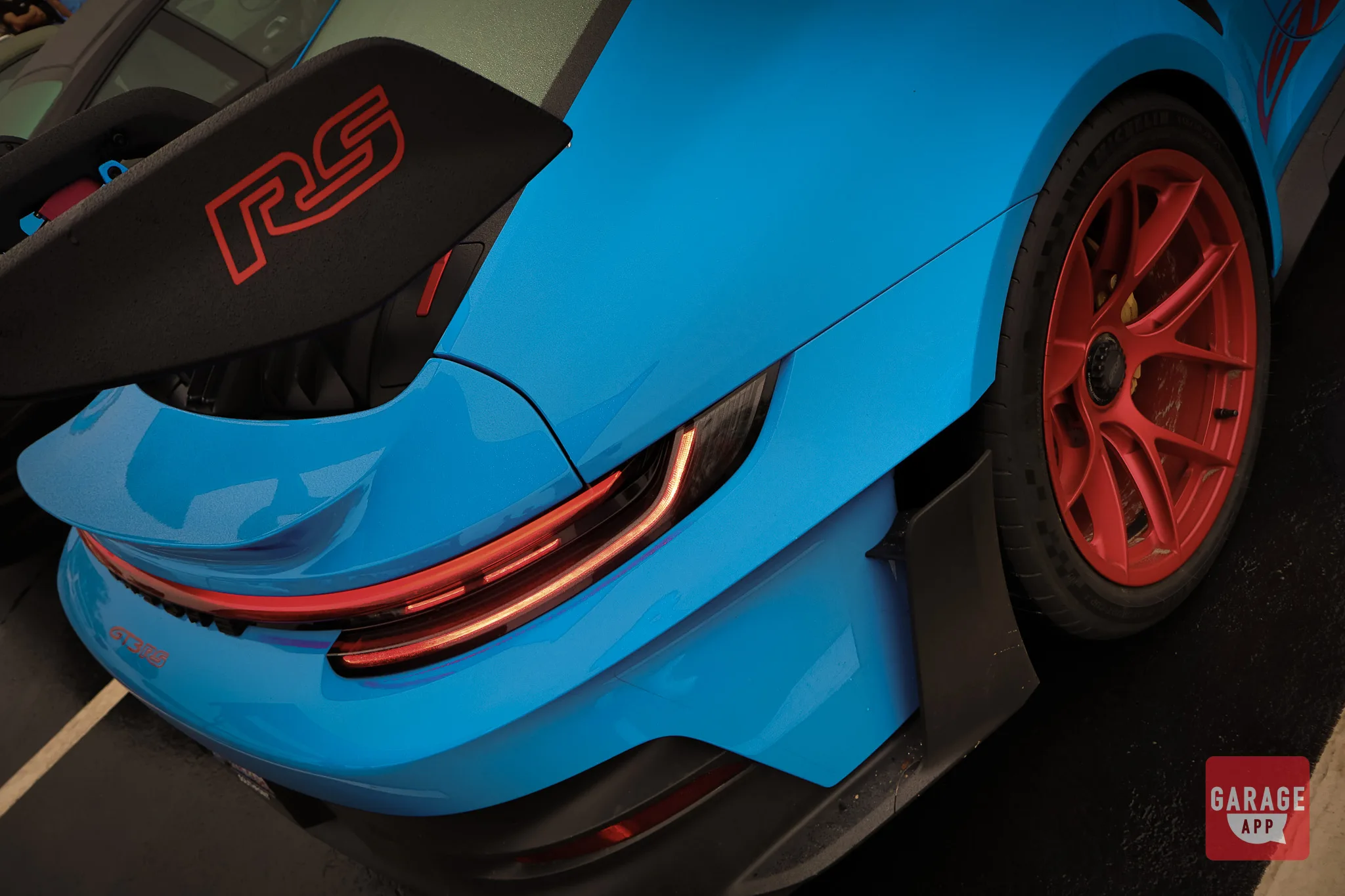
This is the question that stops most people: can you daily a 911 in winter? Absolutely, and Porsche owners in Colorado and the Alps have been doing it for decades. The key decisions are drivetrain and tires.
Carrera 4 vs RWD
A Carrera 4 with all-wheel drive is the confident choice if snow is a regular part of your commute. The rear-drive cars are perfectly capable too, but they demand more respect and much better tires. That rear-engine weight bias actually helps traction on slippery surfaces, which is a happy quirk of the layout.
- Winter tires are non-negotiable if you see real snow. Summer performance tires are lethal below 45 degrees.
- A dedicated winter wheel and tire set protects your summer rims from salt and saves money long term.
- Ground clearance is low, so unplowed streets and steep salted driveways require patience.
The uncertainty here is real, and it's exactly the kind of thing you want a real answer to before committing. Because GarageApp is geo-location-first, you can find nearby 911 owners by make, model, and trim and message the ones who daily year-round about their tire and AWD setup for your climate. Someone two towns over has already solved your exact winter problem. You can also join a Porsche-specific owner group to see how a whole region handles the cold months.
Parking and Commuting Realities
The 992 grew wider than older 911s, and you feel it in tight urban parking. It's not a big car, but the width plus that low, expensive front end makes every steep driveway and concrete parking block a small adventure. Curb rash and front-lip scrapes are the most common daily-driver battle scars.
- Approach steep driveways at an angle to avoid scraping the front lip.
- Use the front-axle lift system if your car has it, it's worth every penny.
- Park nose-out where possible so you never have to nervously reverse over a curb block.
- Give yourself extra door clearance, those long coupe doors need room to open.
Before you buy, figure out your garage geometry. Owners have solved tight-space storage a hundred ways, from parking sensors to strategic mats. A dedicated dream garage setup guide is worth a read before you learn the hard way.
Speaking of the commute itself, this is where the car quietly earns back everything it costs you. A boring drive to work becomes a reason to leave early. Use GarageApp to generate an AI-powered driving route that turns your commute into a scenic detour, and suddenly the 911 stops being an impractical indulgence and starts being the best part of your day. Pair it with CarPlay and Android Auto for the drive and your navigation and music live right in that gorgeous instrument cluster.
The Emotional Payoff
You don't daily a 911 because it's the sensible choice. You daily it because every single drive reminds you why you love cars in the first place.
A sentiment shared by nearly every long-term owner
Let's be honest about the math. There are more practical cars. There are cheaper cars. But none of them make you take the long way home. The flat-six soundtrack, the steering that talks to you, the way the whole thing shrinks around you on a good road, that's the payoff that makes every parking-lot anxiety and tire bill worth it.
Part of that payoff is community. Owning a 911 plugs you into one of the richest enthusiast cultures on earth, something we dig into more in our Porsche culture and ownership guide. GarageApp is built specifically for this, a social network for car and motorcycle enthusiasts rather than a generic algorithm, so you can swap stories with people who understand exactly why you did something this irrational. The car is the ticket in.
When you want to actually show it off rather than just commute in it, discover nearby Cars and Coffee meets through the app and see who else is out on a Saturday morning. You can even see who's attending and what they're bringing before you arrive. A location-aware social feed keeps you plugged into what's happening locally, so you never miss the events and meets near you.
Long-Term Reliability as a Daily
Modern water-cooled 911s, from the 991 onward, are seriously robust when maintained. These are cars that will happily rack up 100,000-plus miles with a proper maintenance rhythm. High-mileage examples are increasingly common precisely because so many owners actually drive them.
What to Watch on High Miles
- Suspension bushings and control arms wear with commuter mileage and are a known refresh item.
- Coil packs and spark plugs on the turbocharged cars follow a predictable replacement schedule.
- PDK transmission fluid services matter, keep them on schedule and the gearbox is bulletproof.
- Water pump and cooling components are a normal age-and-mileage item to budget for.
The trick to daily-driver reliability is rhythm, not luck. Stay ahead of services and the 911 rewards you with the kind of dependability that surprises people who assume exotic equals fragile. GarageApp lets you search by make, model, year, and trim to find owners with the exact spec you're eyeing and learn what actually broke, and when, over the years. It's the kind of real-world data no brochure will ever give you.
If you're comparing the 911 against alternatives, here's how it stacks up as a daily against a Cayman and a traditional luxury sedan.
911 vs Cayman vs luxury sedan (as a daily): The 911 wins on prestige, rear-seat cargo, and the emotional payoff, with running costs and parking anxiety as its downsides. The Cayman is cheaper to run and slightly easier to park but loses the rear seats and the badge cachet. A luxury sedan crushes both on space, comfort, and cost per mile, but delivers a fraction of the joy. If practicality is the only metric, buy the sedan. If you want a usable everyday sports car that still thrills, the 911 is the honest sweet spot. Either way, GarageApp makes living with whatever you choose a lot more fun.