
What Porsche Culture Really Means
Ask ten Porsche owners why they bought the car and you'll get ten answers, but the same thing hides in all of them: the feeling behind the wheel. Porsche culture isn't about badges or status. It's about a company that spent decades chasing one obsession, fast cars you can use every day, and the community that grew around that idea. A Porsche enthusiast falls for a philosophy more than a single model: put the driver first, keep the weight down, sweat every detail, and never stop refining.
That philosophy is why a 1965 356 and a 2024 992 GT3 feel like cousins despite six decades between them, and why Porsche ownership so often becomes a lifestyle rather than a purchase. You start reading the history, you find a local meet, and before long you're the one explaining the difference between a 964 and a 993 to somebody new. This guide is a lasting reference for that journey.
Heritage: How Porsche Earned Its Reputation
Ferdinand Porsche was an engineer long before there was a car with his name on it, and that mindset shaped everything. The company started in 1948 with the 356, a lightweight, rear-engined sports car built on humble parts but tuned with fanatical attention to how it drove. It wasn't the most powerful thing on the road. It was one of the most rewarding, and that trade-off became the Porsche signature.
Precision Over Power
Porsche has rarely won the horsepower war on paper, and it never needed to. The reputation was built on precision and balance: steering that talks to you, brakes that never fade, chassis tuning that turns a twisty back road into the best part of your week. The engineers obsessed over things most buyers never notice, like pedal spacing for heel-and-toe downshifts or the exact rate a spring compresses mid-corner.
Change is easy. Improvement is far more difficult.
Ferdinand Porsche
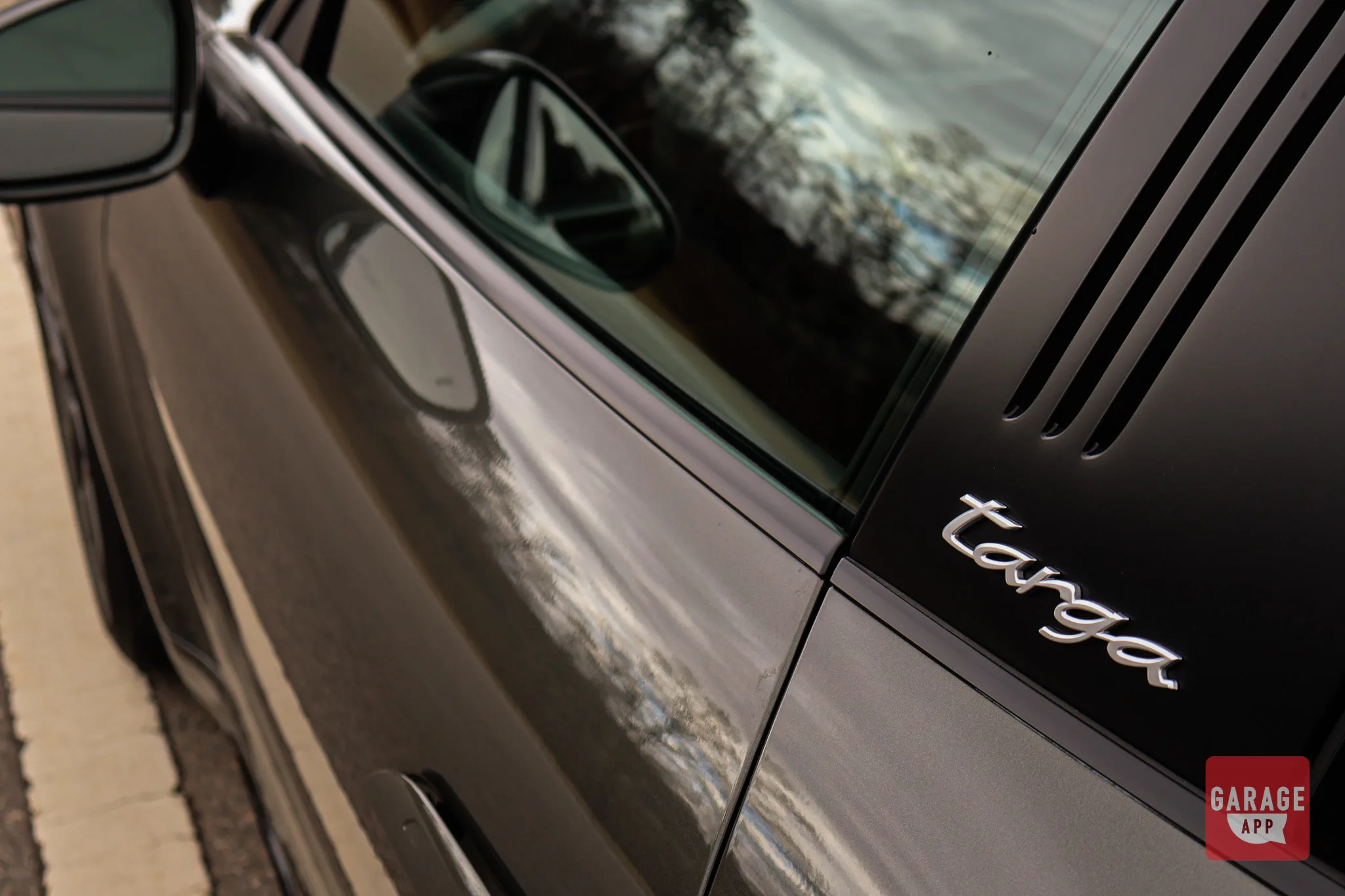
That mentality is why air-cooled Porsche models still command respect and rising values. The engineering was honest, the cars were built to be driven hard, and they aged into modern classics. The Porsche 993 Targa marked the end of the air-cooled era in 1998, and enthusiasts have treated it as a milestone ever since.
Motorsport: The Track Made the Road Cars
You cannot separate Porsche motorsport from the road cars, because racing is where nearly every important Porsche idea was proven. The record is staggering: 19 overall wins at Le Mans, more than any other manufacturer, spanning the 917, the 936, the 956 and 962, the GT1, and the modern 919 Hybrid. Endurance racing shaped the cars precisely because it rewards what Porsche cares about, reliability, efficiency, and drivability over 24 hours rather than a single fast lap.
From Le Mans to Your Driveway
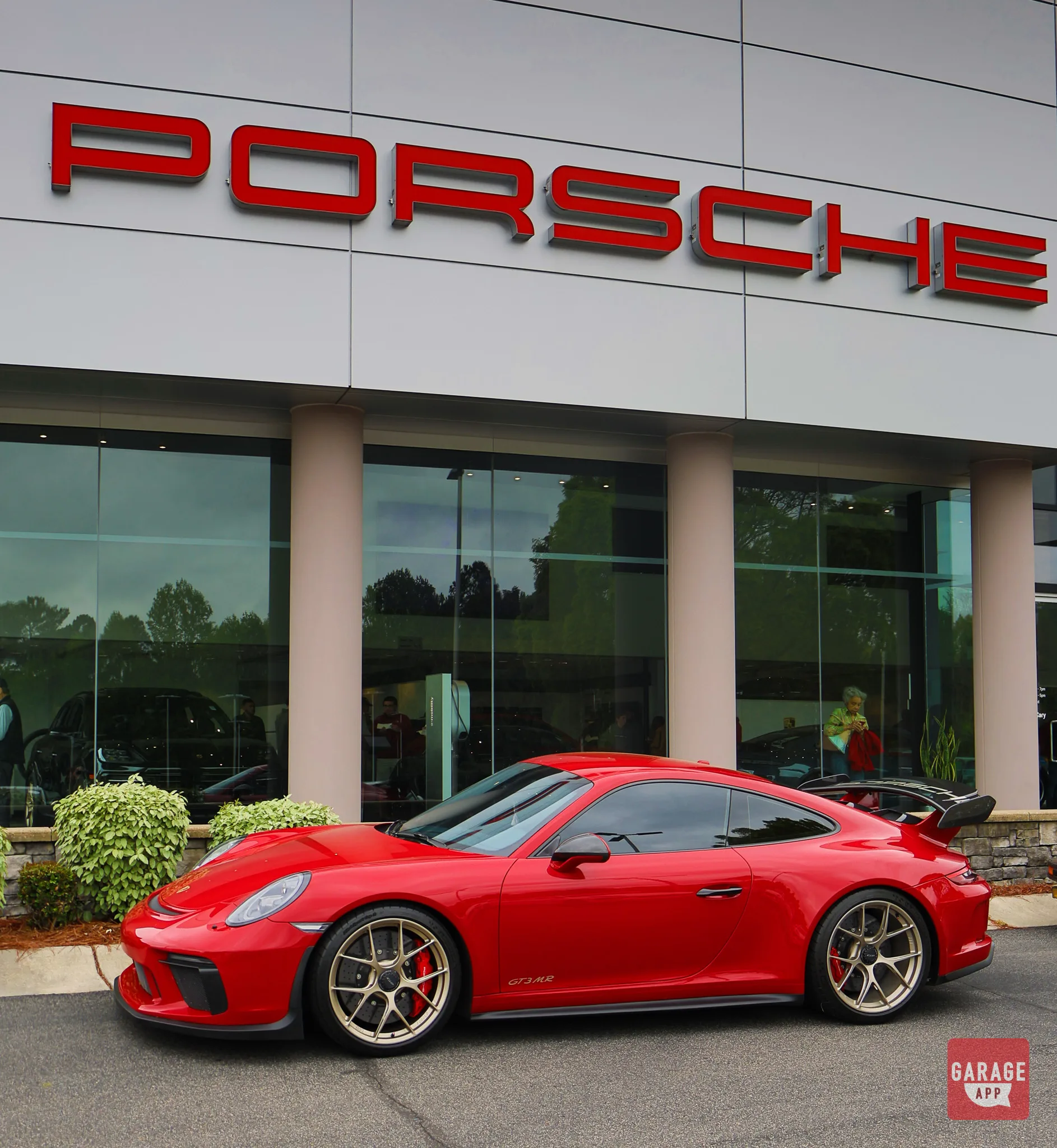
The 550 Spyder taught Porsche to build a giant-killer with a tiny, efficient engine. The 917 pushed aerodynamics and turbocharging that trickled into the 930 Turbo. Decades of GT racing gave us the modern GT3 and GT3 RS, sold with roll cage mounting points and track suspension straight from the factory. When Porsche says its road cars are born on the track, it isn't marketing. The Manthey-tuned Porsche 911 GT3 MR shows how directly race engineering feeds back into what enthusiasts can buy and drive. Porsche also rallied, dominated Can-Am, and built the 959 partly to conquer the Paris-Dakar, which is why the brand has credibility across so many kinds of enthusiast.
To understand why your Porsche steers the way it does, watch onboard footage of a factory GT car at the Nürburgring. The chassis behavior you feel on the road is a diluted version of what they tuned for on that circuit.
Iconic Models Every Enthusiast Should Know
Learning the marque is half the fun of ownership. Here's a fast tour of the models that define the conversation.
- 356 (1948-1965): The original. Lightweight, rear-engined, and the blueprint for everything that followed.
- 550 Spyder (1953): The featherweight racer that made Porsche a giant-killer.
- 911 (1964-present): The heart of the brand. Air-cooled through the 993, water-cooled from the 996, and the reference point for every sports car since.
- 930 Turbo (1975): The wide-body 'widowmaker' that made turbocharging a Porsche calling card.
- 959 (1986): A technological moonshot with all-wheel drive and twin turbos, one of the fastest cars in the world at launch.
- 964, 993 (1989-1998): The last of the air-cooled 911s, now among the most coveted classics on the planet.
- 996, 997, 991, 992: The water-cooled 911 generations that modernized the car while keeping its soul intact.
- Boxster and Cayman: The mid-engined siblings with arguably the purest handling in the range.
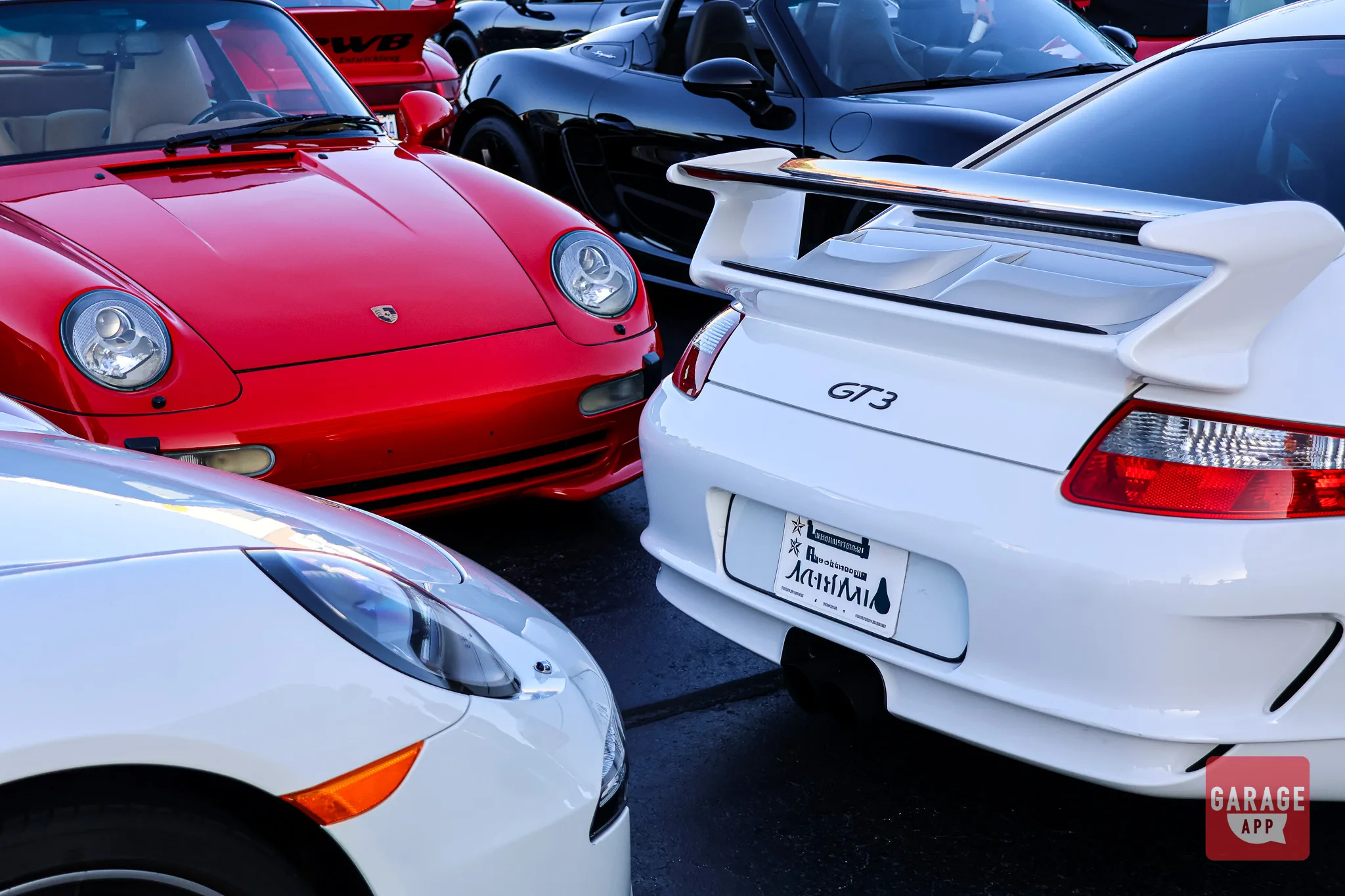
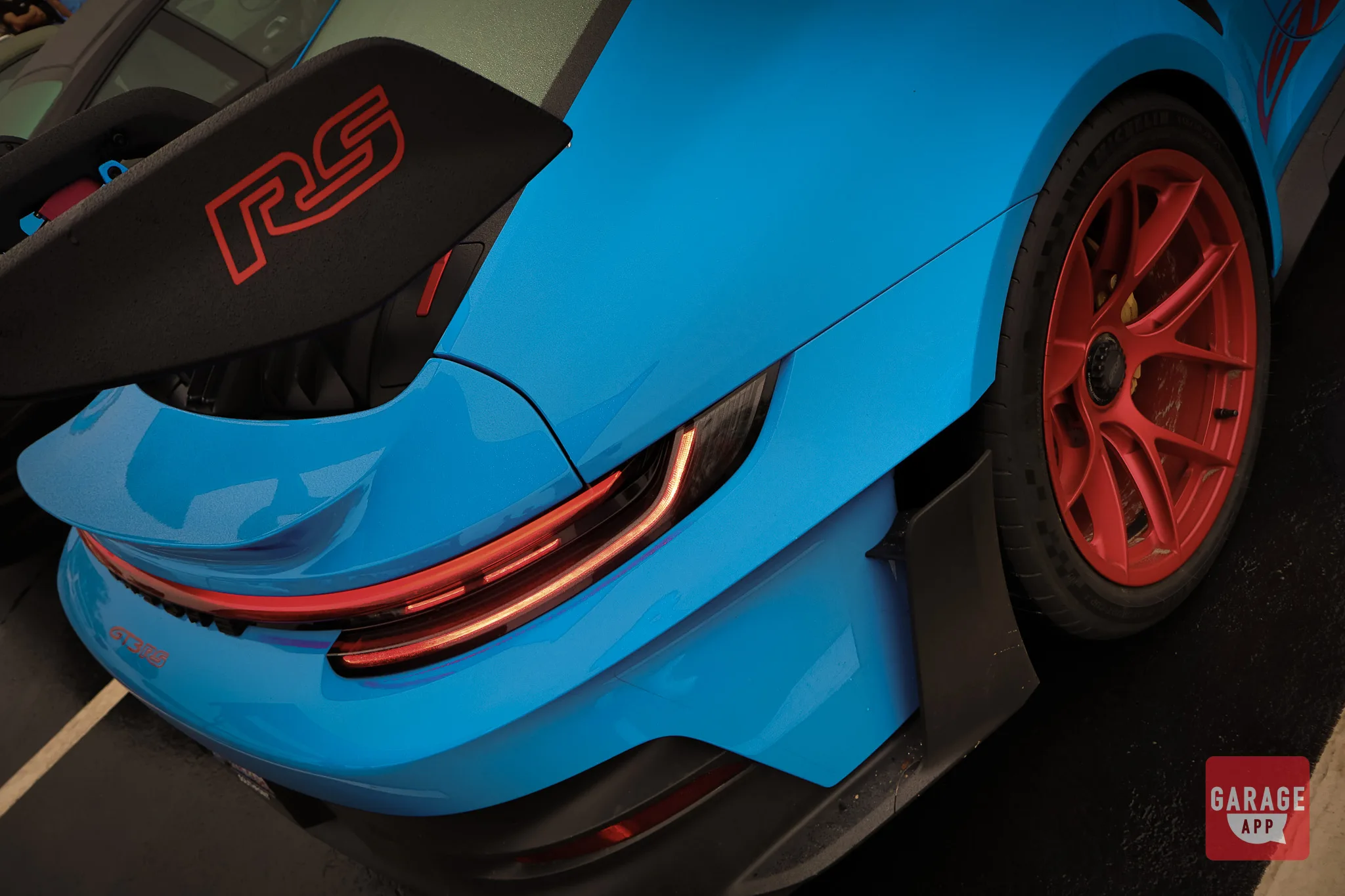
- GT3, GT3 RS, GT2 RS: The track-bred halo 911s that connect road and race more directly than anything else.
- Carrera GT and 918 Spyder: The V10 analog masterpiece and the hybrid hypercar that showed where Porsche was headed.
- Taycan: Proof the driving philosophy survives the switch to electric power.
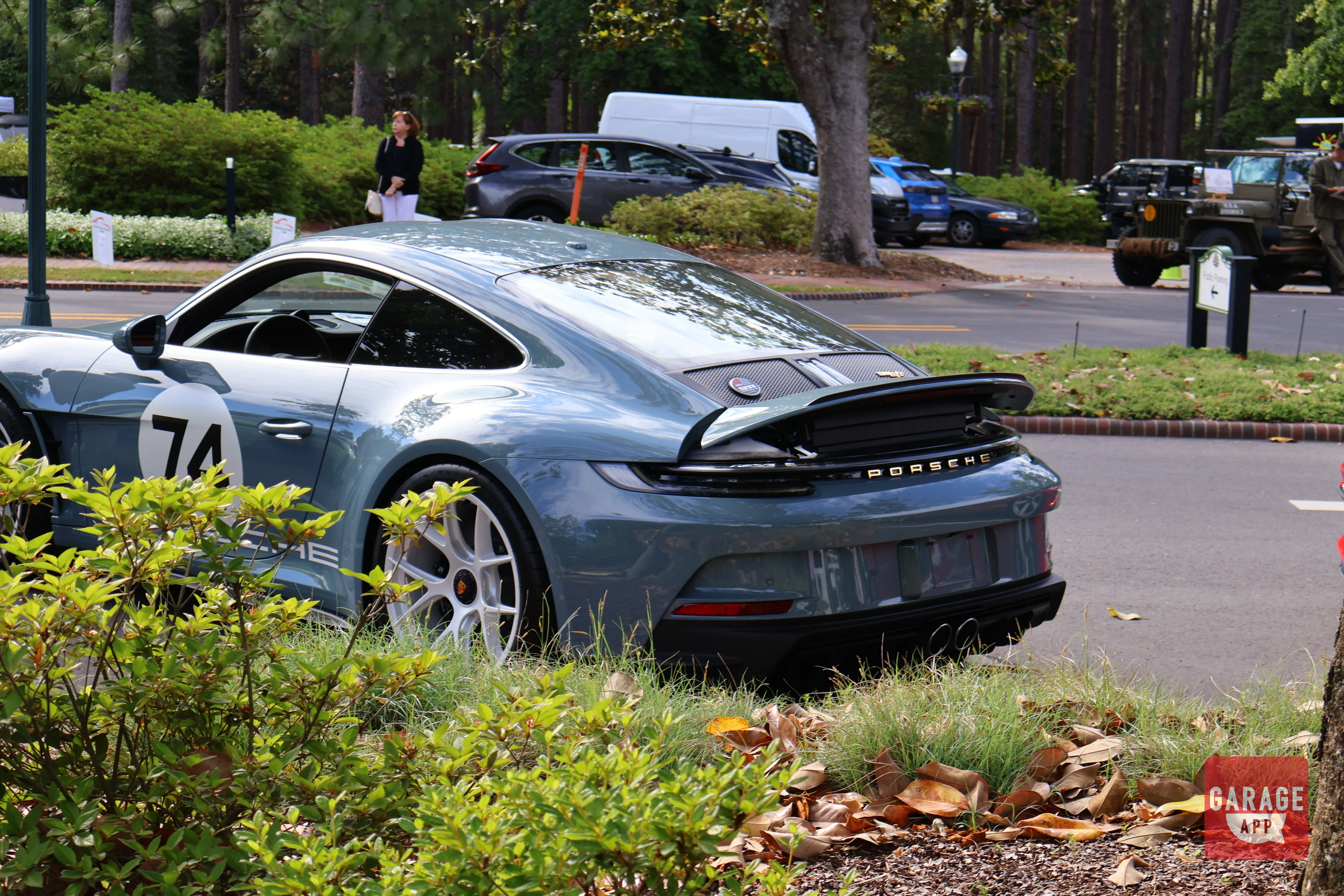
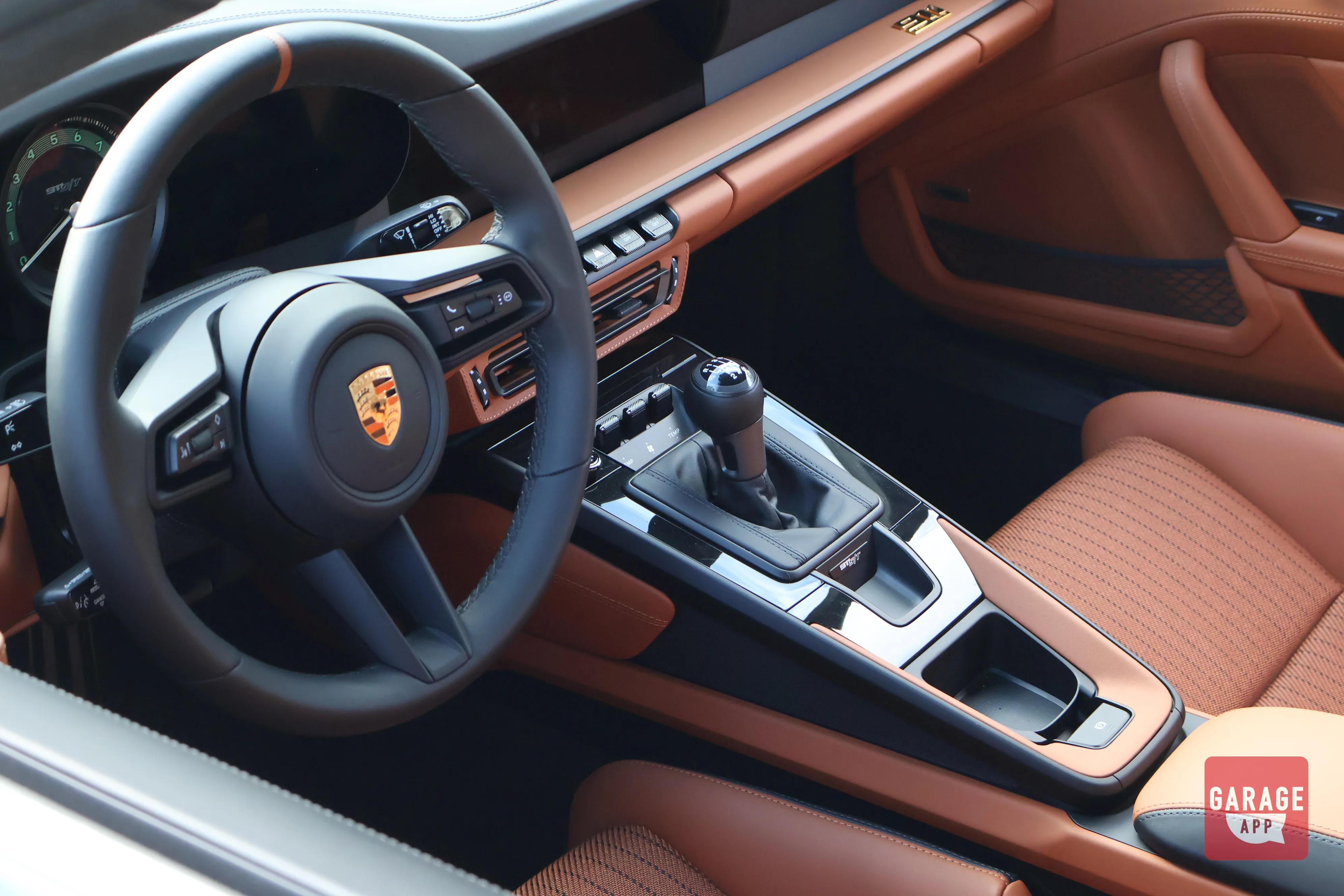
A few deserve special attention. The 2024 Porsche 911 S/T distilled the GT3 formula into the most analog modern 911 you can buy, with a manual gearbox and a stripped-back focus enthusiasts adore. The 2019 991 Speedster is another modern analog icon, an open-top celebration of the naturally aspirated flat-six. And for the truly obsessed, the Singer reimagined 911 shows what happens when the air-cooled 964 is perfected without limits on time or budget.
New to the water-cooled cars? A well-sorted 996 or early 997 remains one of the best value entries into 911 ownership. Budget for a pre-purchase inspection and you'll skip the common horror stories.
Community and Events: Where the Culture Lives
Buy a Porsche and you inherit one of the most organized enthusiast communities in the world. The Porsche Club of America, founded in 1955, runs drives, tech sessions, concours, and track days almost every weekend. You don't need a rare car to belong. A daily-driven Boxster gets the same welcome as a Carrera GT.
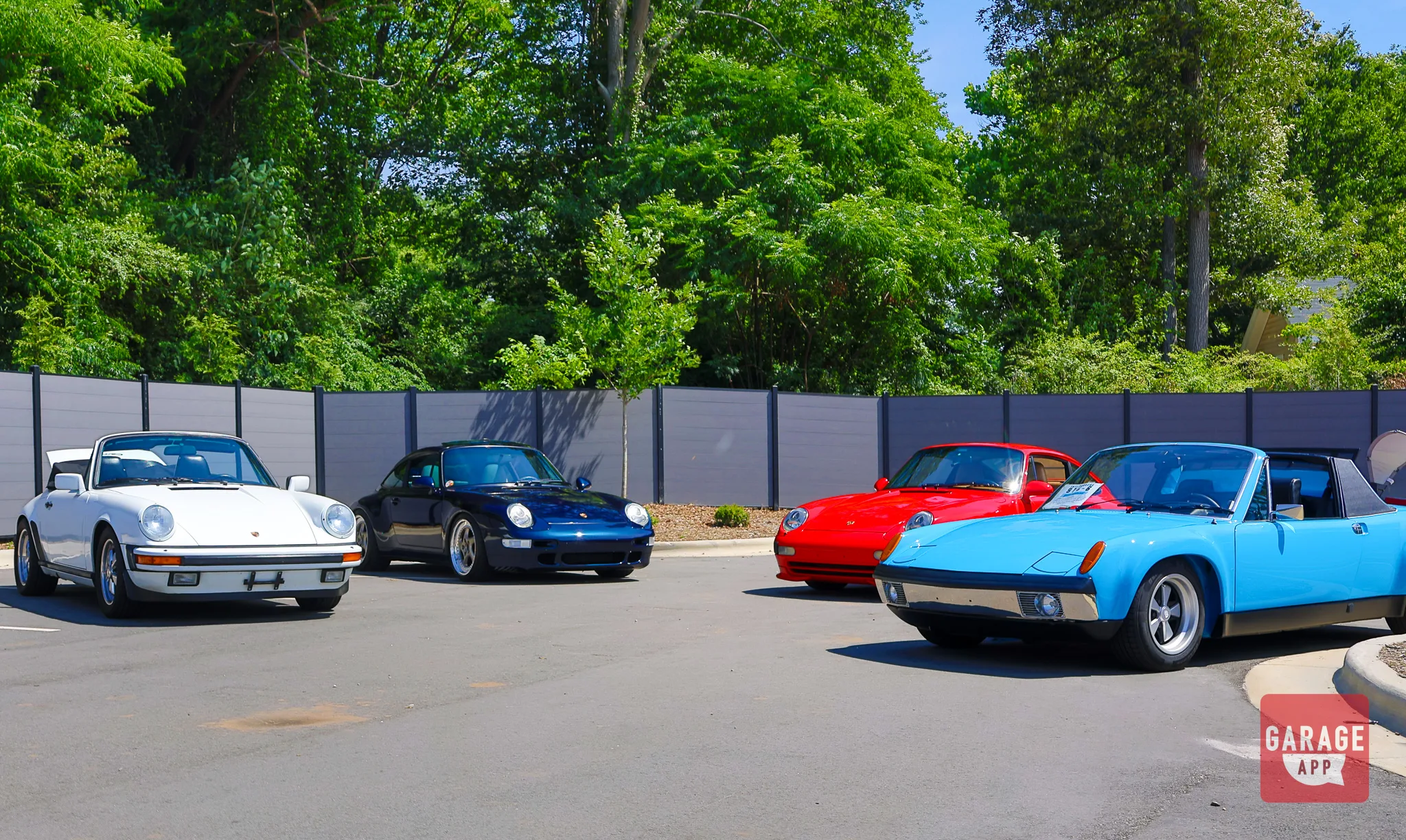
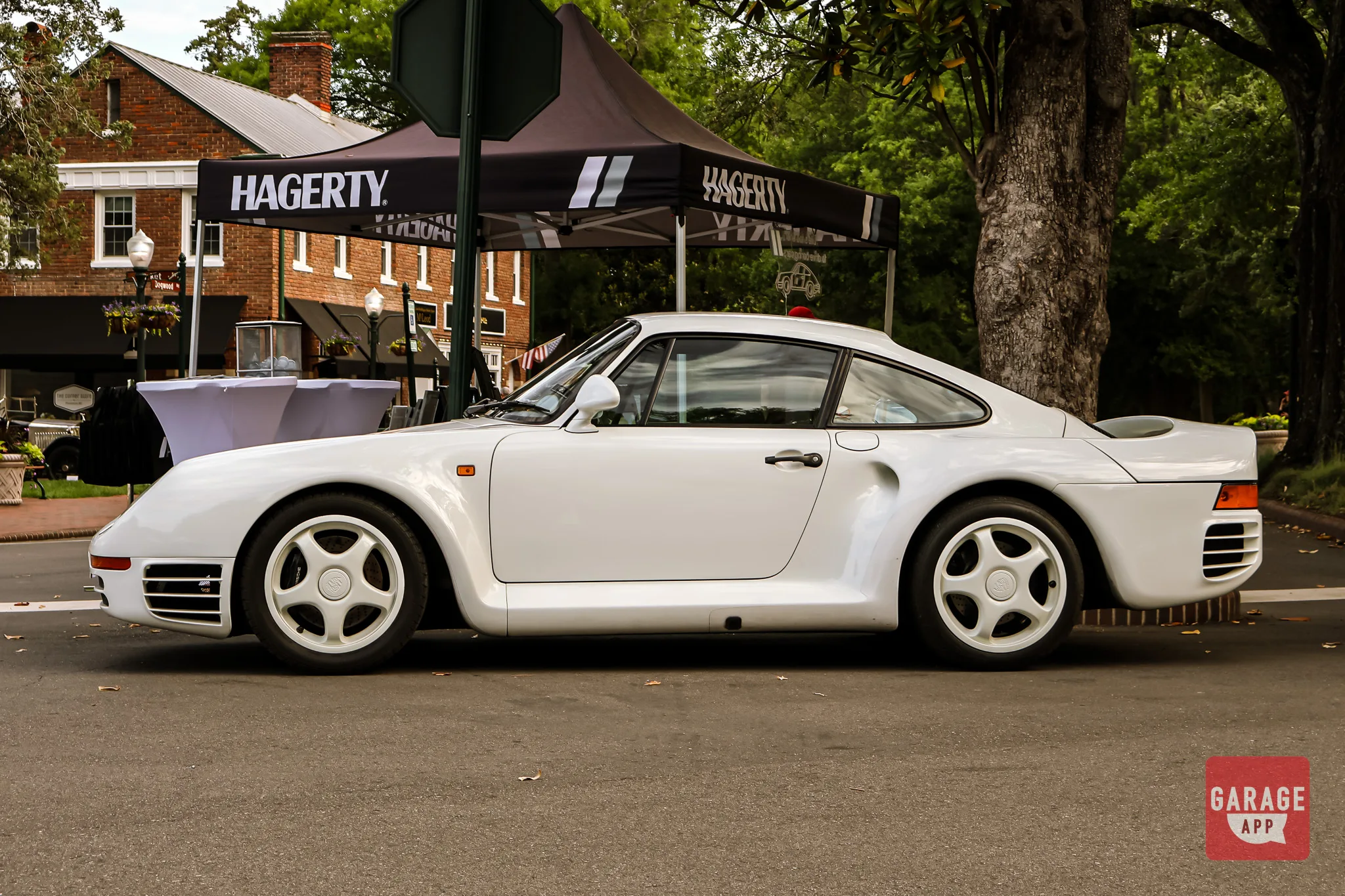
Cars and Coffee meets are the easiest on-ramp into the Porsche community. Show up early, grab a coffee, and you'll find owners happy to talk shop about anything from IMS bearings to the perfect exhaust note. We've spotted incredible machinery at these events, including a stunning white Porsche 959S that stopped everyone in their tracks. If you're not sure where to start, our guide to finding Cars and Coffee events near you covers how to track down the good ones.
Concours events preserve history by rewarding correct, well-maintained cars, while track days are where ownership often clicks into place, because even a base Cayman feels completely different when you can finally use third and fourth gear properly. If you've never done one, our beginner's guide to your first track day will settle the nerves. The social side matters just as much, so learning a bit about networking at car events and brushing up on Cars and Coffee etiquette goes a long way toward being the person people want to see next weekend.
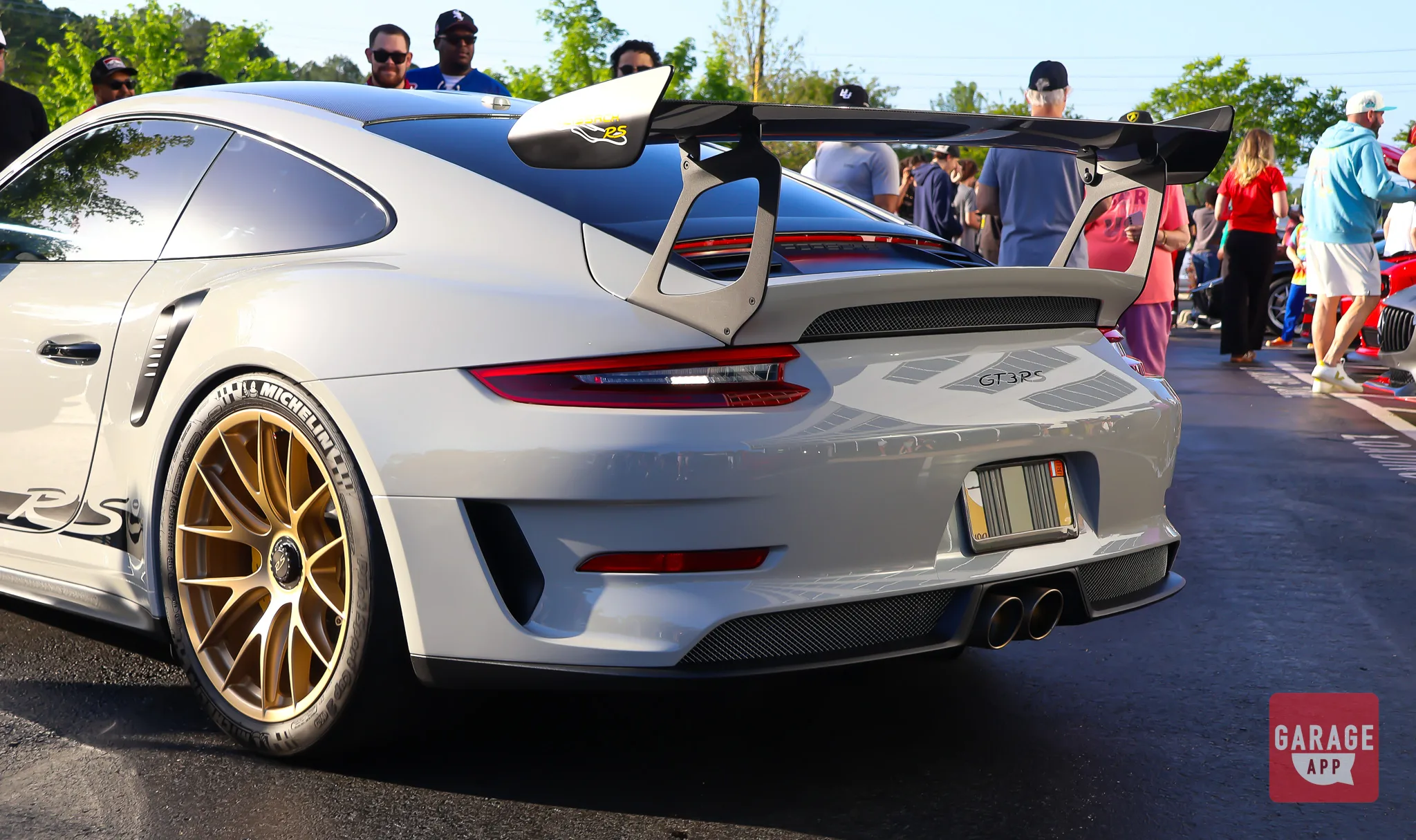
Ownership: What It's Actually Like to Live With a Porsche
Owning a Porsche is more attainable than the reputation suggests, and more involved than a badge-chaser expects. These cars reward attention. Fluids matter, service history matters, and the difference between a loved example and a neglected one shows up fast in how it drives and what it's worth.
The single best thing you can do as an owner is keep meticulous records: every oil change, set of tires, track day, and part number. It protects the car's value, helps the next owner, and turns your ownership into a story worth telling. A digital garage makes this painless. With GarageApp you can log maintenance, store receipts, track modifications, and build a complete history in one place, and our guide on building your car profile and virtual garage walks through how to set it up. The more you learn your car's common wear items and find a trusted independent specialist, the more it opens up to you, which is a big part of why Porsche people keep coming back.
Photograph parts and receipts as you go, not months later. A time-stamped photo of a fresh water pump or new PDK fluid is worth more at resale than a vague 'it was all done recently.'
Restoration and Preservation
Because Porsches are engineered to last and cherished by their owners, restoration is a thriving corner of the culture. Air-cooled cars especially have driven a whole industry of specialists who can return a tired 911 to better-than-new condition. There's a real debate between restoring to factory-original spec for concours correctness and building a resto-mod like the Singer approach, and both camps make passionate cases. Whatever route you take, documentation is everything. A restoration with photos of every stage and receipts for every part commands respect and value that an undocumented one never will, so it's worth reading our tips on how to document and share your car build journey so the work actually gets seen.
Driving Roads: The Whole Point
A Porsche parked is a Porsche wasting its talents. These cars come alive on good roads, and finding them is part of the hobby. Whether it's a coastal sweeper, a mountain pass full of second-gear switchbacks, or a long grand-touring run, the right route transforms the experience. If you're planning something memorable, our roundups of the best mountain driving routes in the US and the best East Coast driving routes are a great place to start. Map a route, set a meeting point, keep the group tight, and when you find a great one, save it and share it so others can enjoy it too.
Legacy: Why It All Endures
What makes Porsche special isn't any single car, it's the continuity. The 911 has evolved for sixty years without losing the thread, the racing program keeps feeding the road cars, and the community keeps welcoming new owners. Even the shift to electric with the Taycan carried the driving-first DNA forward instead of abandoning it.
Every owner becomes a temporary custodian of a piece of that story. You maintain the car, drive it, show it, and eventually pass it on with its history intact. That's the real meaning of Porsche ownership: you're not just buying a fast car, you're joining a lineage that stretches back to a 356 and forward to whatever comes next. Preserve your part of it, and the culture stays alive.