

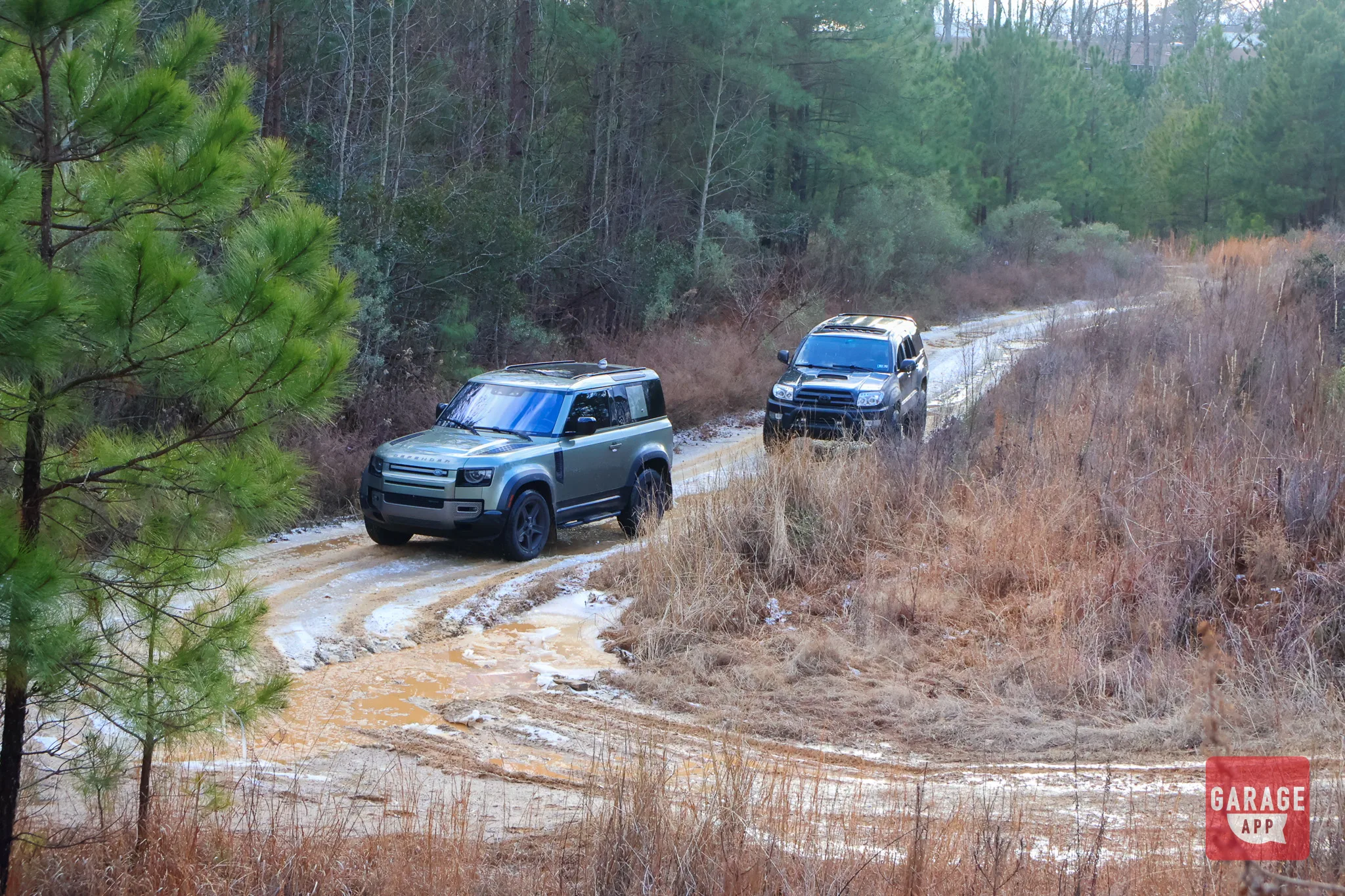
Overlanding stopped being a niche a while ago, but 2026 is the year it fully broke into the mainstream. Walk any trailhead campground and you'll see kitted-out 4Runners parked next to vintage Land Cruisers, mid-size trucks with rooftop tents, and even the occasional Sprinter van running solar. What used to be the domain of a few hardcore desert crossers is now a community sport, and the builds have gotten seriously good.
If you've been eyeing that first roof rack or dreaming about a week off the grid with no cell signal, this is your primer. We'll walk through what makes a solid overland build, the gear that actually earns its space, and how to find those quiet camping spots that don't show up on the first page of a search. Along the way I'll point you toward a few deeper guides, because overlanding touches everything from vehicle prep to route planning.
Why Overlanding Blew Up in 2026
The short version: the vehicles got better, remote work stuck around, and people got tired of crowded resorts. Overlanding is self-reliant vehicle travel where the journey matters more than the destination. You're not just driving to a campsite, you're living out of your rig for days, sometimes weeks, carrying everything you need.
The boxy off-roader renaissance played a huge role too. New Broncos, Land Cruisers, and a wave of rugged mid-size trucks gave people capable platforms straight off the lot. If you want the full picture on that trend, we broke it down in the boxy SUV comeback, and honestly it explains a lot about why parking lots at trailheads look the way they do now. If you're shopping the used market, some of the best platforms are imports, and our JDM import guide covers what's finally legal to bring over in 2026.
There's also a community angle. Overlanders love to document their builds and swap intel on routes, water sources, and dispersed camping. It's less about horsepower bragging rights and more about capability and comfort in the middle of nowhere. That collaborative spirit is a big reason the culture grew so fast.
Overlanding isn't about how far you can push the truck. It's about how comfortably you can live out of it for a week without seeing another soul.
Longtime overland guide
Building an Overland Rig That Actually Works
The biggest mistake new overlanders make is chasing the Instagram build before understanding the fundamentals. A rig covered in accessories that never gets driven off pavement is a lawn ornament. Start with reliability and capability, then add comfort. Every pound and every dollar should earn its place. If you're brand new to modifying vehicles, our guide to the best first car mods for beginners is a solid mindset primer before you touch an overland build.
Start With a Reliable Platform
You don't need the fanciest truck. You need one you can fix and one that parts are easy to find for. Toyota Tacomas, 4Runners, and Land Cruisers dominate for a reason. Jeep Wranglers and Gladiators are everywhere. Newer Ford Broncos have earned their spot too. Even a well-sorted mid-size truck with modest lift and good tires will out-travel a heavily modified rig that keeps breaking.
- Tires first, always. A set of quality all-terrains does more for capability than any other single upgrade.
- Recovery gear you know how to use. Traction boards, a rated recovery strap, and proper recovery points.
- Suspension that matches your load. Adding weight without upgrading springs ruins ride quality and handling.
- Protection underneath. Skid plates and rock sliders keep a bad line from ending your trip.
Before you spend a dime on accessories, take your stock vehicle somewhere mild and see where it actually struggles. That tells you what to fix first instead of guessing.
Sleeping Setup: Rooftop Tent vs Ground vs Interior
The rooftop tent became the icon of overlanding for good reason. It gets you off wet, rocky, or bug-heavy ground, sets up in minutes, and keeps your sleeping area separate from your gear. Hardshell versions pop up fast and hold up to highway speeds better than soft-shells. The trade-off is weight up high, worse fuel economy, and the fact that you can't leave camp without packing up.
Ground tents and awning rooms are cheaper and let you drive off without tearing down camp. Interior sleeping platforms in a wagon or van are the stealthiest and warmest option. There's no single right answer, only what fits your rig and how you travel.
Power and Water Are the Real Game Changers
Modern overlanding runs on electrons. A dual-battery setup or a portable power station paired with a solar panel keeps a fridge running, phones charged, and lights on for days. A 12V fridge/freezer is arguably the biggest quality-of-life upgrade in the whole hobby. No more soggy cooler food on day three.
Water storage matters just as much. Plan for roughly one gallon per person per day, plus extra for cooking and cleaning. Hard-sided tanks with a spigot beat flimsy jugs that leak all over your gear.
Document your build as you go. Keeping a running log in a virtual garage makes it easy to track what worked, remember torque specs, and share the setup with other overlanders. Our guide to building your car profile and virtual garage walks through how to set that up.
Gear Essentials That Earn Their Space
Gear is where overlanding budgets quietly balloon. The trick is buying for the trips you actually take, not the fantasy expedition across a continent. Here's the stuff that consistently proves its worth.
- Navigation you can trust offline. Download maps before you lose signal and carry a backup GPS or paper maps for the deep stuff.
- A proper recovery kit. Traction boards, a kinetic rope, soft shackles, and gloves. Learn to use them before you need them.
- A tire repair kit and portable air compressor. Airing down for traction and airing back up for pavement is routine, so make it easy.
- A quality cooking setup. A two-burner stove, a compact table, and real cookware turn camp meals into something you look forward to.
- Lighting. A headlamp per person plus soft area lighting around camp. Nobody enjoys hunting for gear by phone flashlight.
- A comprehensive first aid kit. You may be hours from help, so this is not the place to cut corners.
Communication deserves special mention in 2026. Satellite messengers and phones with satellite SOS have gotten affordable and genuinely reliable. When you're camped 40 miles from the nearest paved road, the ability to send a message or call for help is worth every penny. Speaking of phones, a good chunk of your navigation and logging can happen on one, and our roundup of the best apps for car enthusiasts covers tools worth keeping in your pocket on the trail.
Don't Overpack
The seasoned overlanders carry less than the beginners, not more. Every item adds weight, and weight hurts fuel economy, capability, and setup time. After each trip, note what you never touched and consider leaving it home next time. Your rig, your back, and your gas budget will thank you.
Finding Off-Grid Camping Spots
This is the part that feels like a dark art until you learn the sources. The secret spots aren't really secret, they just require knowing where public land allows dispersed camping and doing a little homework before you roll out.
Public Land Is Your Playground
In the US, Bureau of Land Management land and National Forests allow free dispersed camping in most areas, meaning you can camp outside developed campgrounds. This is where the magic happens: no reservations, no crowds, just you and a view. Motor vehicle use maps show exactly which roads are open, which keeps you legal and keeps the land open for everyone.
- Look for existing fire rings and cleared spots, which signal established dispersed sites.
- Camp at least 200 feet from water sources to protect them and follow local rules.
- Check fire restrictions before you go, since they change constantly by season and region.
- Have a backup spot picked out in case your first choice is taken or the road is washed out.
Plan the Route, Not Just the Destination
Overlanding is about the drive, so the route is half the fun. Scout trail conditions, seasonal closures, and fuel stops ahead of time. If your trip involves any serious off-pavement sections, run through a proper checklist first. Our 4x4 off-road prep guide covers exactly what to inspect and pack before you leave the tarmac. It also helps to map and save your route in advance, and our guide to creating and sharing your own driving route shows how to plot a trip you can hand off to the whole convoy.
For the scenic connectors between off-grid nights, it helps to have great pavement routes mapped too. Some of the best mountain driving routes double as gorgeous approaches to remote trailheads. Out west, the best California driving routes string together desert and mountain camps beautifully, and on the other coast the best East Coast driving routes link up forest land nicely, so you get the best of both worlds in one trip.
Arrive at your intended campsite with at least two hours of daylight left. Finding and setting up a dispersed spot in the dark is stressful, and you might miss obvious hazards like dead trees or soft ground.
Leave No Trace and Respect the Community
The fastest way to get areas closed is to trash them. Overlanding's growth means more pressure on the same public lands, so the culture leans hard on responsibility. Pack out everything you pack in, including toilet paper and micro-trash. Use existing spots instead of creating new ones. Keep your rig on designated roads.
The community side is what keeps this hobby fun. Overlanders share route beta, help each other with recoveries, and swap build ideas at trailheads and online. It has the same welcoming energy you find in the broader enthusiast world, similar to what's driving the rise of car meet culture. If you want to build your own crew, our group ride planning guide translates directly to organizing a convoy of rigs. Show up, be respectful, offer help, and you'll never be short on friends or advice.
Documenting the trip is half the fun too. Sharing your rig and your camps online is a great way to connect with other travelers, and our guide to building your digital car garage shows how to turn a build thread into something people actually follow.
If you want a home base for all of this, that's exactly what GarageApp is built for. It's a geo-location-first social network made specifically for car and motorcycle enthusiasts, so you can find nearby owners by make, model, year, trim, keywords, or location, and discover local meets, Cars and Coffee events, and cruises near you. You can see who's attending and what they're bringing before you even arrive, spin up or join groups around a brand, model, or local overland crew, and build a Virtual Garage to showcase your rig with photos, specs, mods, and build progress. When it's time to roll out, generate AI-powered driving routes from your location or between custom destinations, share those scenic drives with friends, and navigate right through Apple CarPlay and Android Auto. Post your photos, videos, and trip updates to a location-aware feed built for people who actually care about the drive.