

Some cars make you stop mid-sip of your coffee. The 2025 Ford Mustang GTD is one of them. Parked between the usual restomods and German coupes at a recent Cars & Coffee, it drew a crowd three deep before most people even knew what they were looking at. This is not another trim level bolted onto a familiar pony car. It is Ford's most ambitious attempt yet to build a genuine, no-excuses American supercar, and it delivers in ways that would have seemed unthinkable a decade ago.
The GTD exists because Ford wanted to prove a point. For years the conversation about world-class track machines revolved around Porsche, Ferrari, and a short list of European specialists. Ford answered with a Mustang, of all things, and the result bridges the gap between the Mustang GT3 race car and something you can register and drive home. It is the kind of machine that lands straight on our featured vehicles radar.
Born From the GT3 Race Car
The story starts on the track. Ford developed the Mustang GT3 to compete in the world's toughest endurance series, and rather than build a road car and then race it, they reversed the process. The GTD is a street-legal interpretation of that racing effort, sharing far more DNA with the competition car than any previous halo Mustang. If you want to trace how a manufacturer moves from race program to road car, Ford's model history shows just how far the brand has come.
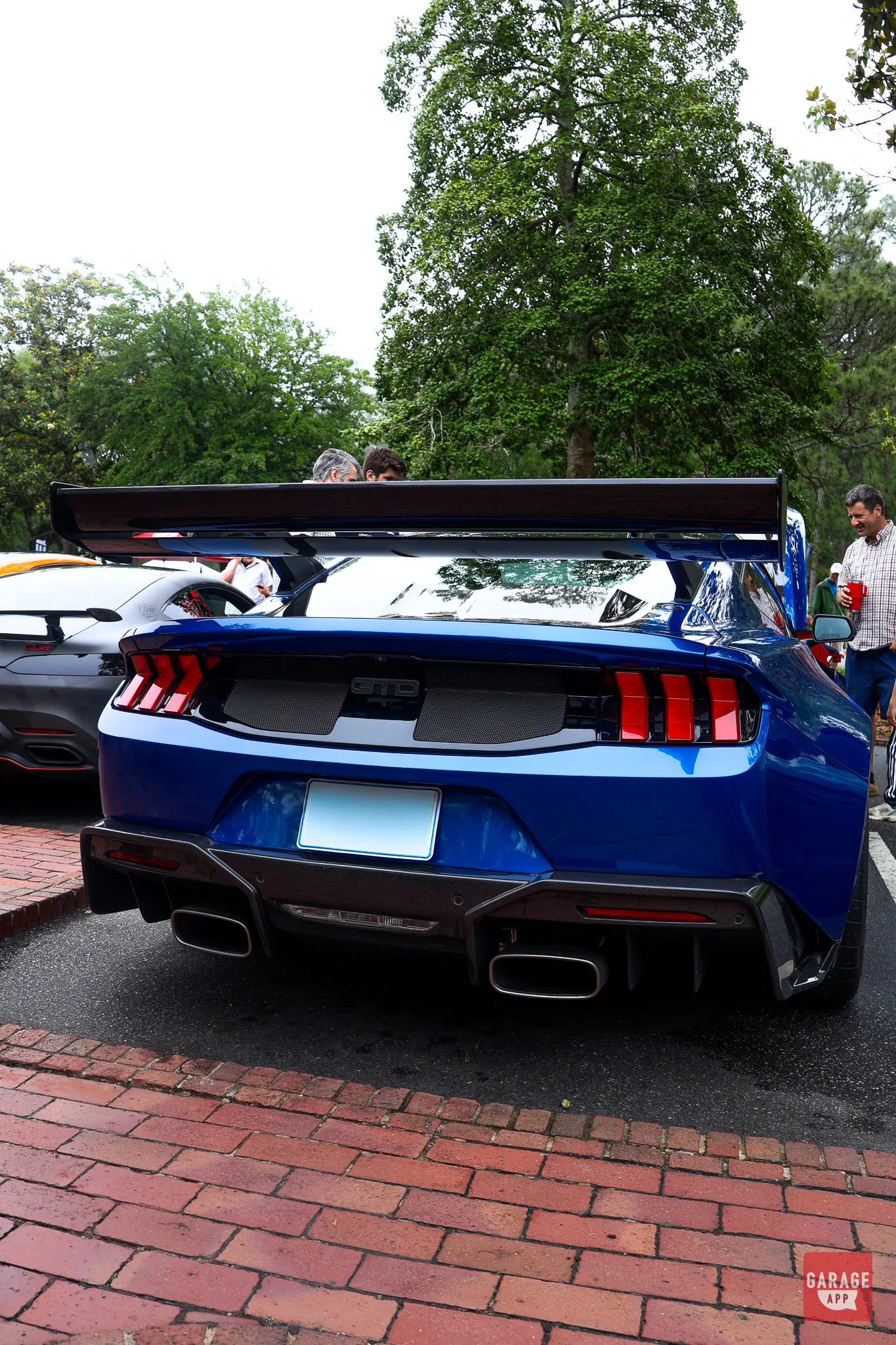
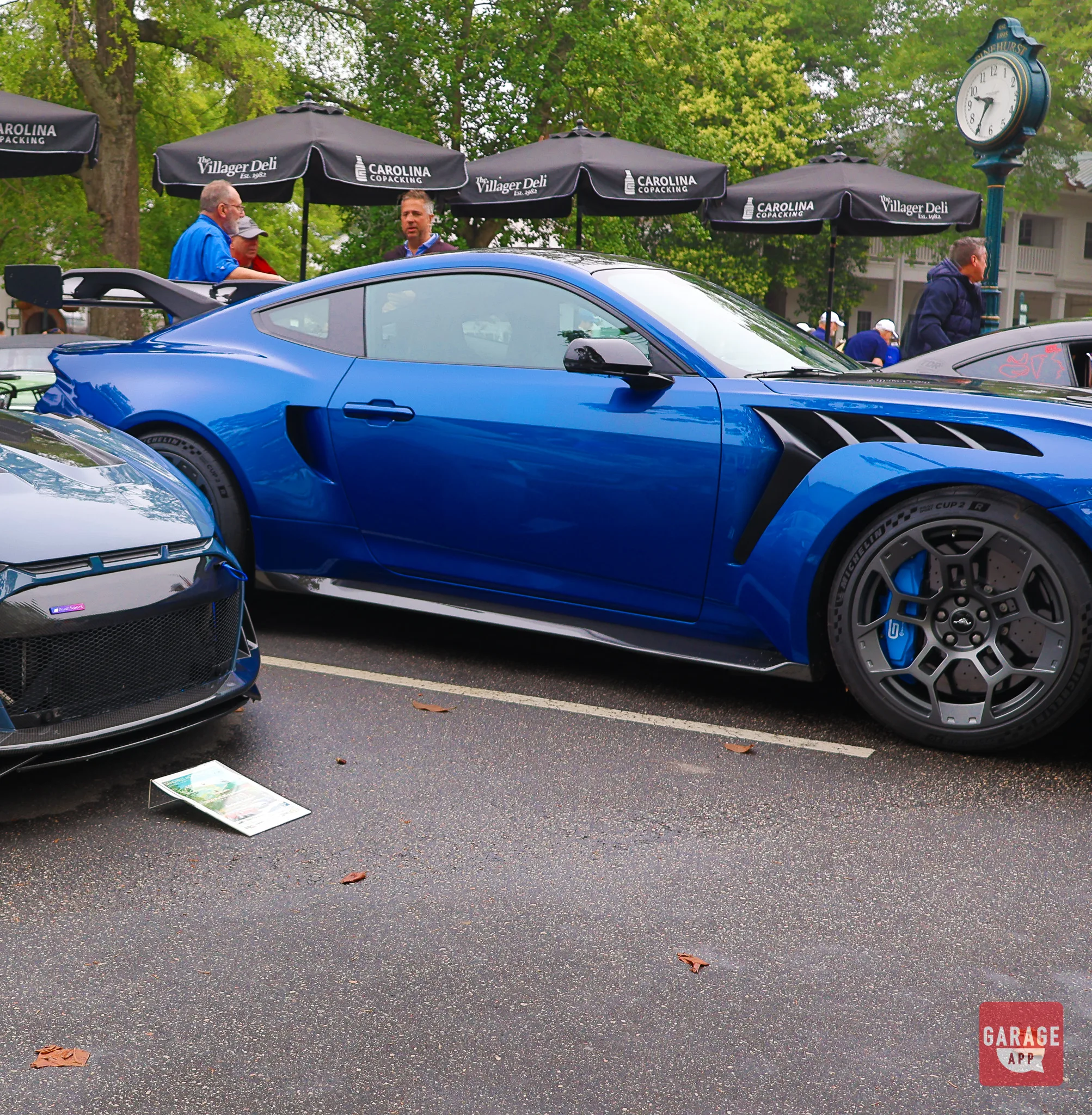
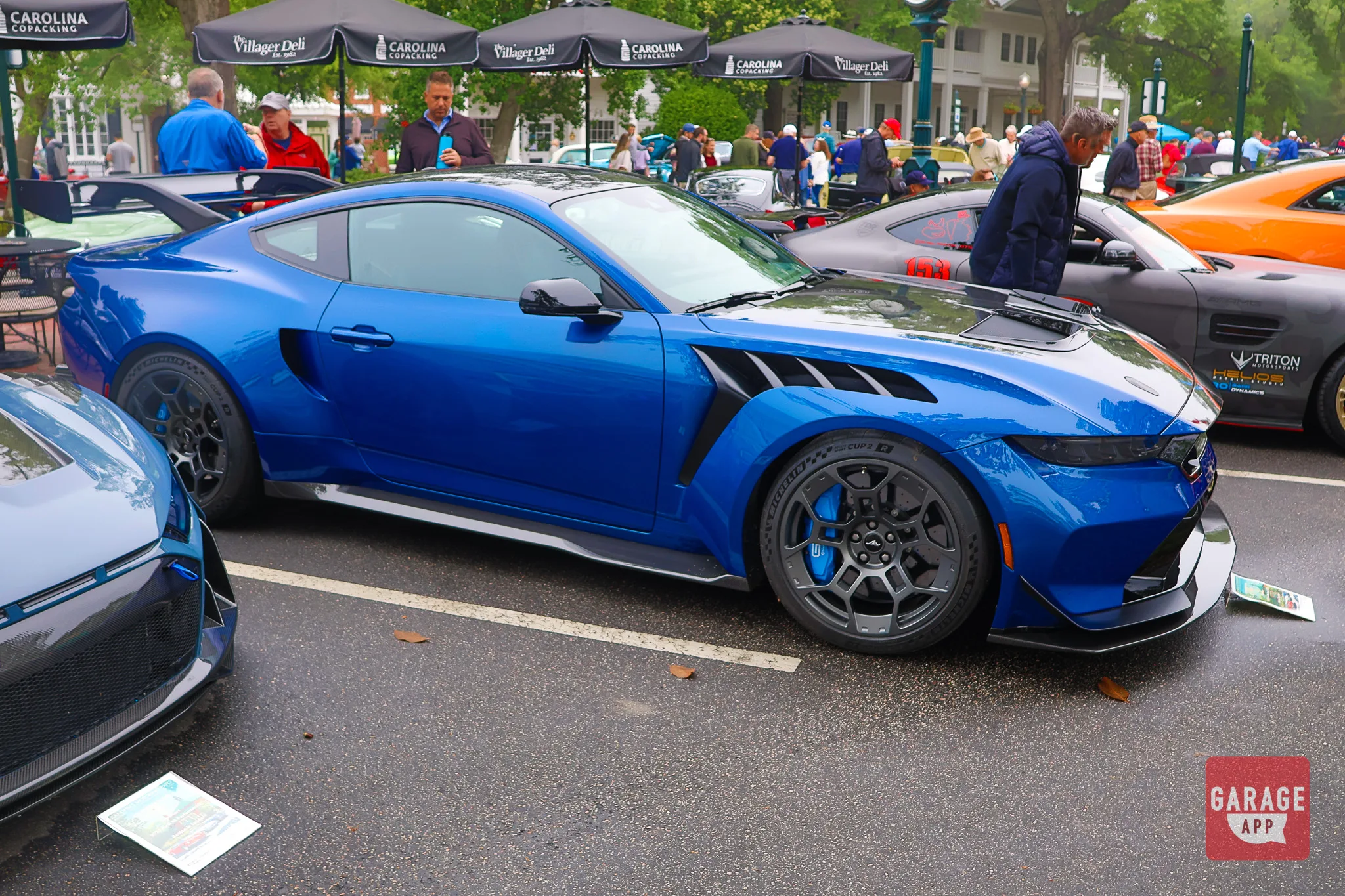
The racing intent is everywhere. The widened bodywork, the aggressive front splitter, the enormous rear wing that looks like it belongs at Le Mans. None of it is decoration. In person the proportions feel almost cartoonishly muscular, wider and lower than a standard Mustang, with a stance that means business before the engine even turns over.
Ford set out to build a Mustang that could run with the best cars in the world, and then made it street legal almost as an afterthought.
The spirit of the GTD program
The Engineering Underneath the Skin
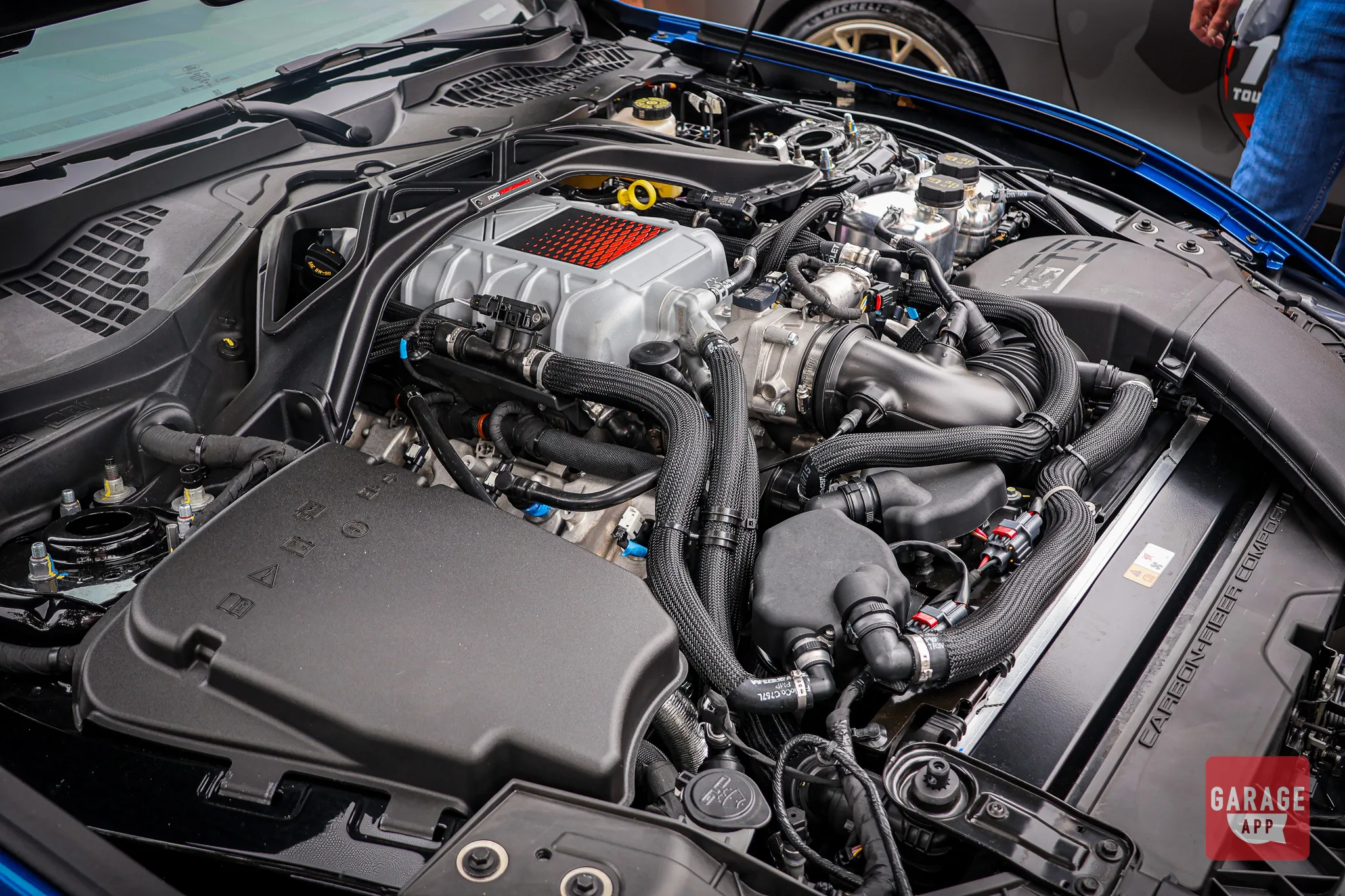
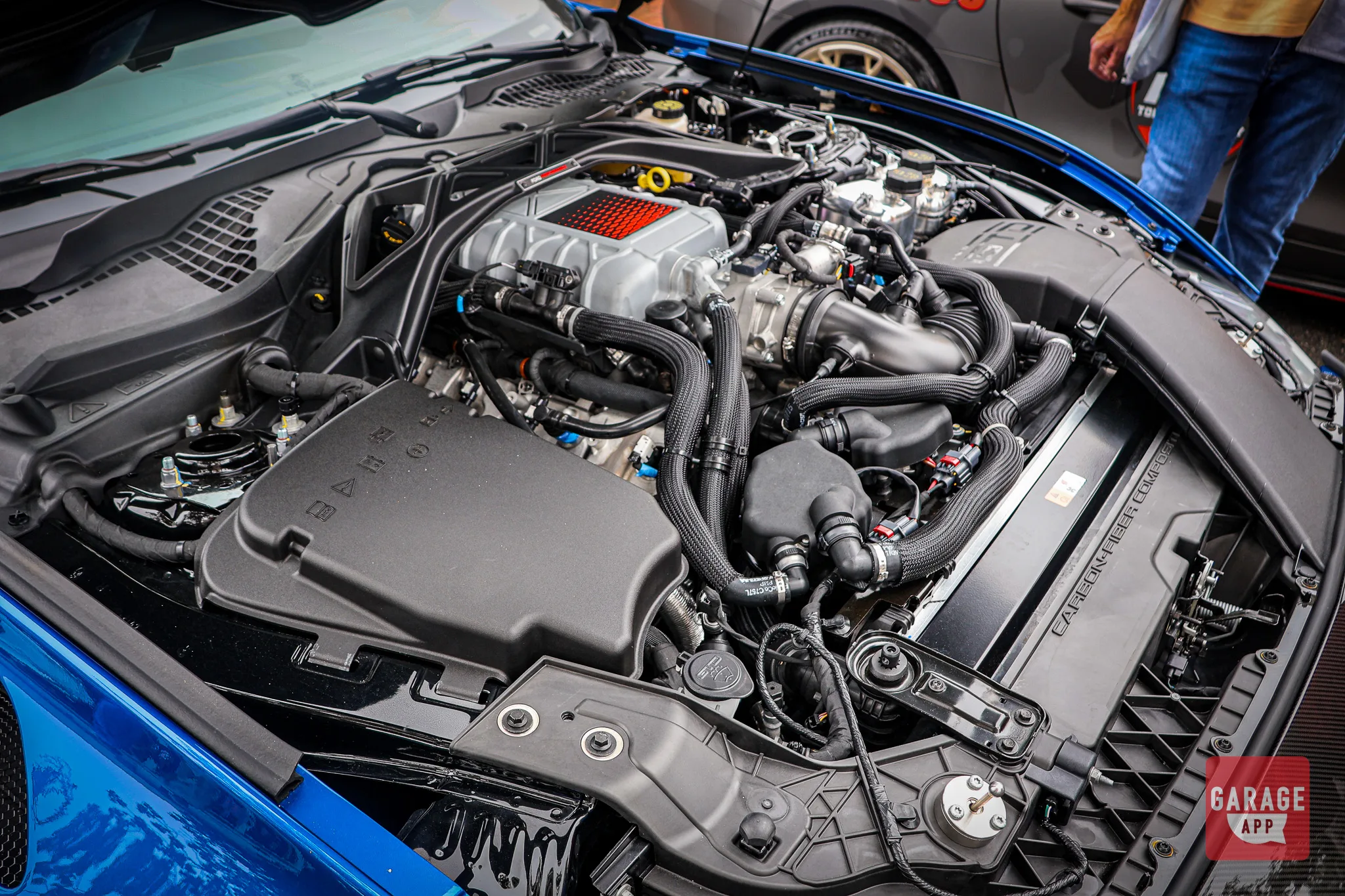
This is where the GTD separates itself from every Mustang before it. The heart of the car is a supercharged 5.2L Predator V8, familiar to anyone who followed the GT500, but tuned here beyond 800 horsepower. That number puts it in rarefied company, yet the horsepower is almost the least interesting part of the story.
Rear Transaxle and Weight Balance
Instead of bolting the transmission behind the engine, Ford mounted it as a rear transaxle, shifting weight rearward for a more balanced front-to-rear distribution. This is classic supercar thinking, the same layout found in the Ferrari 812 and countless GT racers. It gives the Mustang the poise of a purpose-built track car rather than the nose-heavy character of a traditional front-engine coupe.
Active Suspension and Aerodynamics
The active suspension might be the single most impressive piece of hardware. It uses hydraulic components that can lower the car and adjust spring behavior on the fly, with pushrod geometry borrowed from motorsport. Those components are visible through a window behind the seats, turning the underside of the car into part of the show. It is the sort of engineering our builds and restorations crowd can appreciate on a whole different level.
The aerodynamics are equally serious. The rear wing generates real downforce, and active elements manage airflow by speed and driving mode. Combined with the massive underbody diffuser, the GTD makes downforce figures that would embarrass most dedicated sports cars, which is exactly why it can chase lap times once reserved for European exotics.
When you spot a GTD in person, look for the transparent panel behind the seats. Watching those suspension components move is one of the coolest party tricks in the modern car world.
Carbon Fiber Everywhere You Look
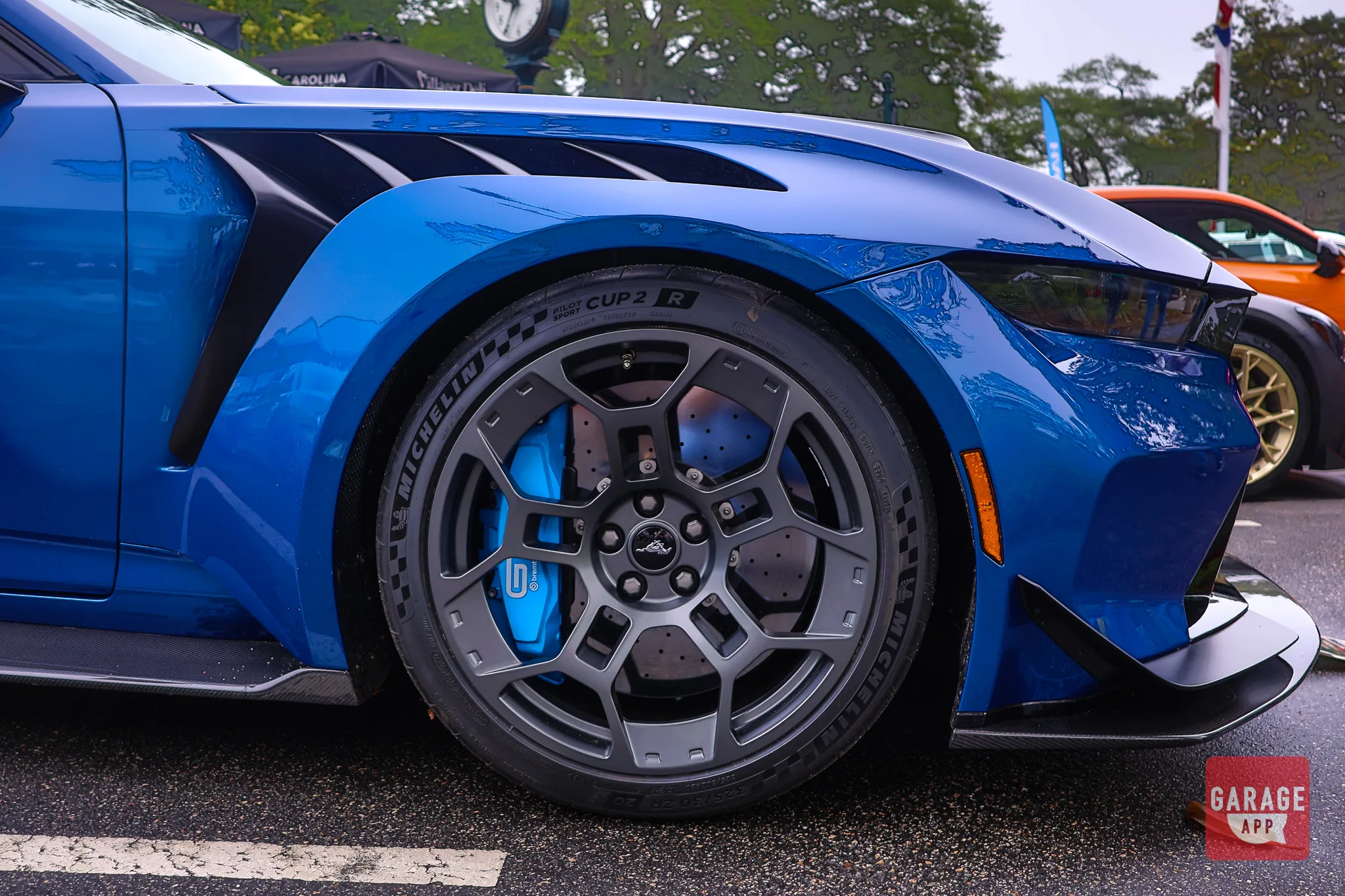
Ford leaned hard on carbon fiber to keep the GTD light. The hood, fenders, doors, roof, and much of the exterior are all carbon, shaving significant weight over steel or aluminum. Optional carbon fiber wheels drop unsprung mass further, improving both acceleration and how the car reacts to bumps and steering input.
The car rides on Michelin Pilot Sport Cup 2 R tires, a semi-slick compound built for maximum track grip, not a comfortable commute. Advanced cooling, including extra radiators and ducting, keeps the engine, brakes, and transaxle from overheating during sustained high-speed running. Every choice serves function over form, even if the result happens to look spectacular. To see how it lines up against rivals, the wider makes and models catalog puts the numbers in perspective.
Chasing the Seven-Minute Nürburgring Lap
Ford was refreshingly open about its ambition: a Mustang GTD Nürburgring lap time under seven minutes. Breaking seven minutes around the Nordschleife is a benchmark reserved for the most extreme production cars on earth, from track-focused Porsche 911 variants to hardcore Lamborghinis. If chasing lap times has ever tempted you, our first track day guide is a good primer before you point a car at a corner in anger.
That a Mustang is even part of this conversation is remarkable. Mustang GTD top speed figures climb north of 200 mph, but the Nürburgring goal is about far more than straight-line pace. It demands balance, braking, aerodynamic stability, and mechanical composure over one of the most punishing circuits ever built. For context, look at cars like the Porsche 911 GT3, the current gold standard for track-bred road cars.
Exclusivity, Price, and Relentless Demand
None of this comes cheap. The Mustang GTD price starts around 325,000 dollars, a figure that shocked plenty of longtime fans. That places it among established supercars rather than muscle cars, and it reflects the genuine engineering and low production volume involved. Ford builds it in strictly limited numbers, and buyers had to apply rather than simply walk into a dealership. Demand vastly outstripped supply, which is why seeing one at a local meet feels like spotting a unicorn. It is the kind of car destined for the classic, exotic, and collector conversation for decades.
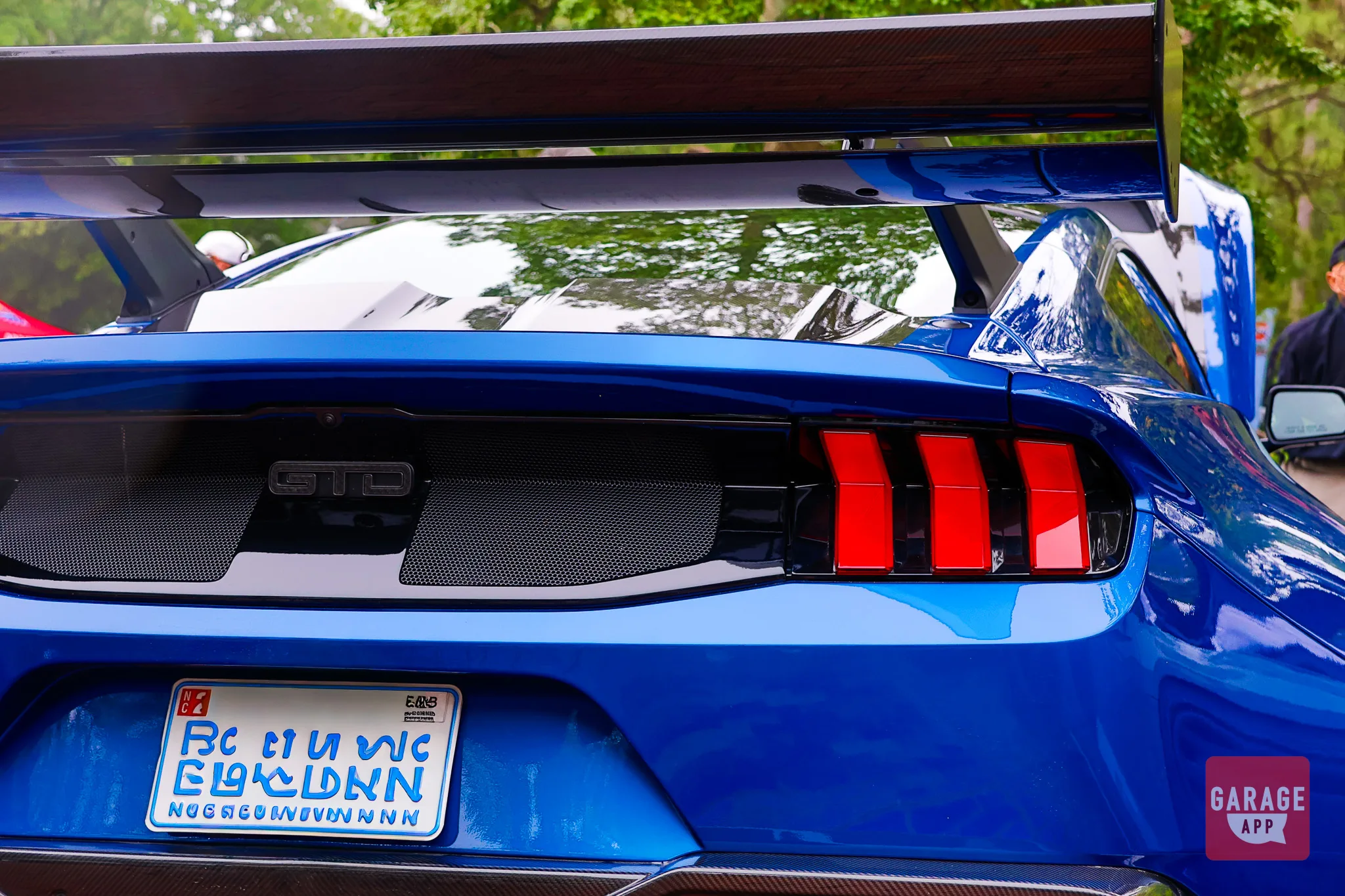
If you ever get the chance to see a GTD at an event, take your time and study the details. These cars are so rare that many enthusiasts will only encounter one or two in their lifetime.
How the GTD Stacks Up Against Past Halo Mustangs
Ford has a rich history of building special Mustangs, and the GTD sits at the top of that lineage. Each previous halo car captured a different era of Ford Performance thinking.
- Shelby GT350R brought a screaming flat-plane-crank V8 and razor-sharp handling, built for corners and high revs.
- Shelby GT500 answered with brute supercharged force, prioritizing straight-line power over track finesse.
- Mustang Dark Horse modernized the naturally aspirated track formula at a far more attainable price.
- Ford GT was the mid-engine, carbon-tubbed halo that proved Ford could build a legitimate world-beater.
The GTD borrows philosophically from all of them: the power of a GT500, the track focus of a GT350R and Dark Horse, and the no-compromise ambition of the Ford GT. Fans who grew up admiring cars like the 1968 Shelby GT500 can draw a straight line from those legends to what Ford is doing today, even if the technology now lives in an entirely different universe.
Why the GTD Matters for American Performance
The bigger significance of the Mustang GTD is what it says about American engineering. For decades the stereotype held that American manufacturers built brutal but unsophisticated performance cars, fast in a straight line and clumsy everywhere else. The GTD dismantles that idea, and the same ambition is spreading across the domestic landscape, from Ford to Chevrolet and beyond.
By taking on the Nürburgring and the world's best track cars with a Mustang, Ford is reshaping global perceptions of what an American company can build. It signals confidence and a willingness to compete at the very top. The GTD is not chasing anyone. It is setting the pace.
That is exactly why a car like this generates so much energy at a Cars & Coffee. When it rolled in, phones came out immediately and the chatter shifted to genuine reverence. Events like these are where cars like the GTD come alive, and our shows and events coverage is packed with moments just like it. If you enjoy discovering rare machinery in the wild, our guide to Cars & Coffee events is a great place to start, and the state-by-state Cars & Coffee guide for 2026 will help you find one near you.
The Legacy Starts Now
The 2025 Ford Mustang GTD is more than a fast car. It is a statement of intent, a bridge between racing and the road, and a reminder that American performance can play at the highest level. Years from now, people will talk about the GTD the way they talk about the original Ford GT, as the moment Ford refused to accept the limits others placed on it. Capturing that legacy is worth doing right, so our video and photography tips are handy the next time you get close to one.
Seeing one in person, surrounded by admirers on a quiet morning, drives that point home. This is a special machine built for people who love driving, engineering, and the pursuit of something extraordinary. Whether you find your people through local car and motorcycle clubs or by cataloging your own dream garage with the best apps for car enthusiasts, the legacy of the GTD is only just beginning, and it already feels like history.