

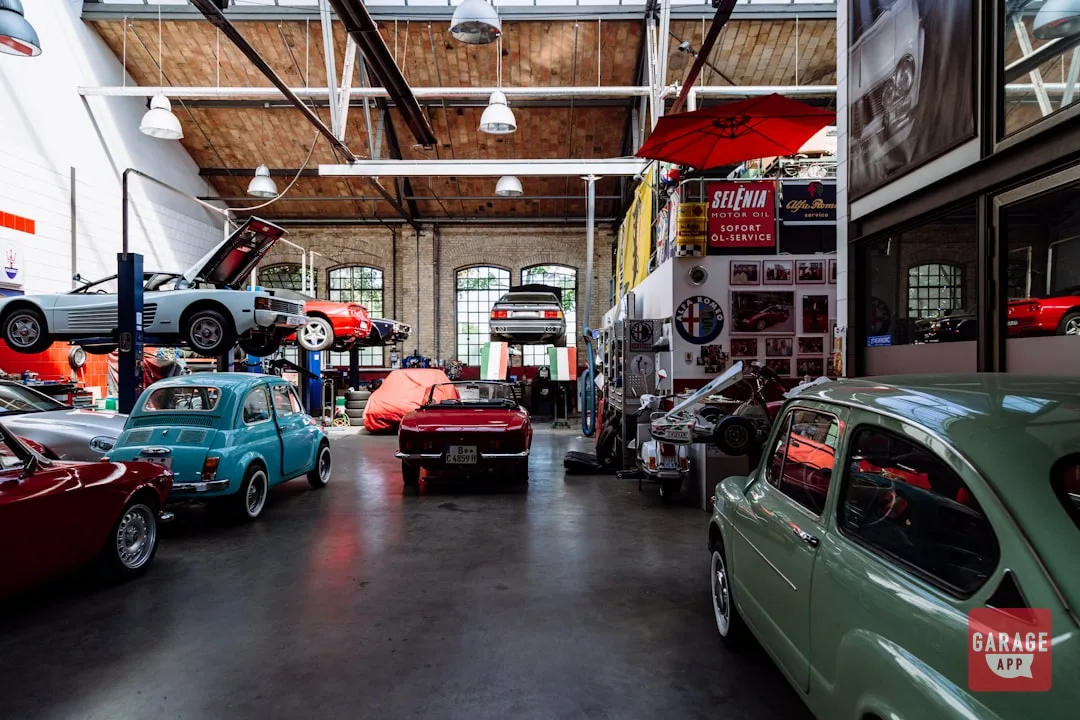
A cluttered garage is where good intentions go to die. You buy the parts, you block off a Saturday, and then you spend the first hour hunting for a 10mm socket that vanished into the same dimension as every other 10mm socket ever made. A well organized garage does the opposite. It pulls you in, makes the job feel easy, and turns a two hour brake swap into a genuinely enjoyable afternoon.
You do not need a five figure budget or a warehouse to get there. Most of the best upgrades are cheap, clever, and doable in a weekend. Here are 10 garage organization hacks that actually work for people who wrench, detail, and obsess over their cars. If you want the full deep dive on building a proper enthusiast workshop, we cover that in the dream garage setup guide too.
Start With Zones, Not Stuff
Before you buy a single storage bin, think about how you actually use the space. Most people organize by object type, so all the tools go here and all the fluids go there. That feels tidy but it makes you walk back and forth constantly. Instead, organize by task.
Create a wrenching zone near where the car sits, a detailing zone by the door or wash area, a fabrication or workbench zone against a wall, and a dead storage zone for stuff you touch twice a year. When your torque wrench, sockets, and jack stands all live within arm's reach of the lift point, you stop wasting motion. The job flows.
Tape out your zones on the floor with painter's tape before committing. Live with it for a week. You will almost always move something once you see how you really move around the space.
Give Every Zone a Clear Job
The detailing zone should hold your polisher, pads, microfibers, and chemicals together. The wrenching zone gets the socket sets and specialty tools. Keeping detailing supplies separate matters more than you think, especially if you are getting into paint correction or a ceramic coating job where cross contamination from shop grime can ruin your results. It is also the zone your camera setup lives in if you like to shoot your ride after a fresh detail.
Get Everything Off the Floor
Floor clutter is the single biggest thing that makes a garage feel small and stressful. Every item on the ground is something you trip over, roll a jack into, or knock over with a fender. The fix is simple: build up, not out.
- Wall mounted cabinets for chemicals, spare parts, and anything you want out of sight.
- Overhead ceiling racks for seasonal tires, camping gear, or spare body panels.
- Slat wall or French cleat systems so shelves and hooks can move as your needs change.
- Wheel dollies and tire trees to store spare sets vertically instead of stacked in a corner.
French cleat walls deserve special mention. You cut a series of angled rails, mount them to the wall, then build custom holders that hook onto them. Need to move your grinder holder six inches left? Lift and rehang. It is the most flexible storage system for a garage that keeps evolving, which every enthusiast garage does. That flexibility matters even more if you overland, since overlanding gear and builds come with bulky recovery kit that never stores the same way twice.
Master Your Tool Storage
Tools are the heart of the whole operation, and how you store them decides how fast you work. There is no single right answer, but there is a right combination for most enthusiasts. If you are just getting into wrenching, the same logic applies to your parts shelf when you tackle your first car mods, so set it up right early.
The Pegboard and Shadow Board Combo
Pegboard is cheap, endlessly customizable, and puts your most used hand tools within instant reach. Take it one step further with a shadow board, where you trace the outline of each tool onto the board. One glance tells you what is missing before you close the hood on it. Mechanics have used this trick for decades because it genuinely works.
Rolling Tool Chests for the Heavy Hitters
For sockets, ratchets, and precision tools, a proper rolling chest with drawer liners keeps everything protected and mobile. Line the drawers with foam and cut custom inserts for your ratchets and specialty tools. It looks great, but more importantly it stops tools from sliding into a jumbled pile every time you open a drawer. A mobile chest also earns its keep on a track day, when you want your essential tools rolling straight out to the paddock.
Label the Small Stuff
Fasteners, clips, and fittings eat time like nothing else. Clear parts bins with labels, or small stackable organizers, turn a frantic search into a two second grab. Group them by project or by size, whatever matches how your brain works. A cheap label maker pays for itself the first time you find the exact bolt you need without dumping a coffee can on the bench.
Fix Your Lighting Before Anything Else
Bad lighting is the most underrated problem in a garage. A single dim bulb hanging from the ceiling turns your workspace into a cave, hides oil leaks, hides paint imperfections, and gives you a headache by hour two. Good lighting makes every other upgrade look and feel better.
You cannot fix what you cannot see, and half the frustration in a home garage is just poor light hiding the problem.
Every experienced home mechanic, eventually
Layer Your Light
Aim for around 50 lumens per square foot as a baseline, then layer it. Start with bright overhead LED shop lights spread evenly across the ceiling, not clustered in the middle. Add task lighting right over your workbench and any spot where you do detail work. Finally, keep a rechargeable underhood light and a magnetic work light for the shadows no ceiling fixture can reach.
- Install LED strip or panel lights across the whole ceiling for even ambient coverage.
- Add a dedicated task light over the bench and vise.
- Choose a color temperature around 5000K for a clean, daylight look that shows true paint color.
- Keep a portable work light and a headlamp for creeping under the car.
If you are into detailing, color temperature matters even more. A 5000K to 6500K light reveals swirl marks and defects that warm yellow bulbs completely hide, which is exactly what you need when checking your work. Good, even light is also what makes garage photos actually look sharp, which helps a ton if you document your build online.
Build a Workbench You Actually Want to Use
A solid workbench is the anchor of the whole garage. It does not have to be fancy, but it does have to be sturdy, well lit, and clear. A bench buried under junk is just a shelf. The rule that keeps it usable: everything on the bench surface earns its spot or it goes away at the end of the session.
The Essentials
- A bench vise bolted solidly to a corner for holding parts.
- A power strip or tool wall mounted at bench height so cords are not draped across the work surface.
- A rubber or wood top that can take abuse without destroying your parts.
- A pegboard or slat wall directly behind it for the tools you reach for constantly.
Add a shop stool and a small anti fatigue mat and you have a spot you will actually want to spend time at. That matters, because the more comfortable your space is, the more you will use it, and the better your projects turn out. It is also the natural spot to plan the next drive, whether that is a scenic mountain route or a weekend cars and coffee run.
Control the Chaos of Cables, Fluids, and Air
The finishing touches separate a good garage from a great one. Mount a retractable air hose reel and a cord reel on the ceiling so nothing snakes across the floor. Set up a proper fluid station with a drain pan holder, a funnel rack, and clearly labeled containers for used oil and coolant so you stay organized and dispose of things responsibly.
Mount a fire extinguisher in an obvious spot near your workbench, not tucked in a cabinet. When you actually need it, you need it fast, and a garage full of fuel, oil, and electrical tools is exactly where that matters.
Once your physical space is dialed in, the last piece is digital. Keeping a record of what you own, what you have done to each car, and what you plan next is easier than ever. This is where a tool like GarageApp fits into the routine. You can log every mod, track maintenance, and build out a proper digital garage that lives right alongside the physical one. It is one of the best apps for enthusiasts for exactly this kind of tracking.
Keep It That Way
Organizing a garage is the easy part. Keeping it organized is where most people lose the battle. The trick is a ten minute reset at the end of every session. Tools back on the board, bench wiped down, trash out, floor swept. Ten minutes now saves an hour of hunting next time.
Do that consistently and your garage stops being a place you dread and becomes the place you escape to. That is the whole point. A clean, well lit, well organized shop makes the hobby better, whether you are chasing a track day setup, a full detailing rig, or just somewhere peaceful to change your own oil on a Sunday.