

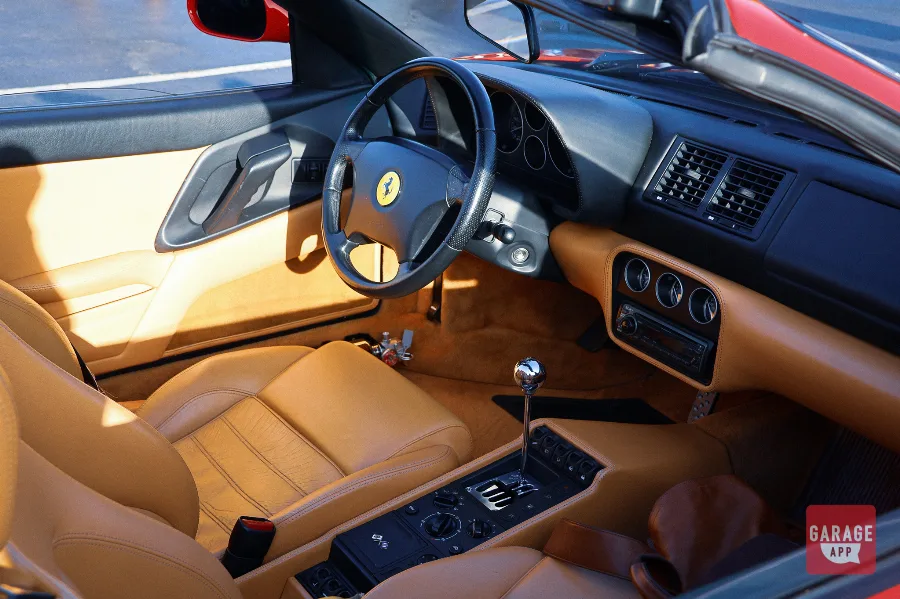
Driving a manual comes down to the clutch bite point: press the clutch, select first, ease the clutch out while adding a little throttle, and the car moves. Everything after that is timing. That is really all how to drive a manual car is, and the 10 steps below will get you from your first stall to clean, rev-matched downshifts.
Three pedals are rarer than they used to be, but you still have real choices. Our rundown of every manual car for 2027 proves it. If you're still deciding whether stick is worth the effort, read our take on manual vs. DCT vs. automatic first. Spoiler: for a car you drive for fun, we think it is.
- Know the pedals and the shift pattern. Clutch on the left, brake in the middle, gas on the right.
- Find the bite point with no throttle. Learn where the clutch grabs before you ever touch the gas.
- First-gear launch. Blend clutch release with a small amount of throttle.
- Upshifting. Shift around 2,500 to 3,000 rpm when cruising.
- Stopping without stalling. Clutch in before the engine starts to lug.
- Hill starts. Use the handbrake method or your car's hill-hold.
- Downshifting. Pick the right gear for the speed you're heading toward.
- Rev-matching and heel-toe. Blip the throttle so the downshift is seamless.
- Parking. Handbrake on, and leave it in gear on hills.
- Habits that kill clutches. Stop riding the pedal and stop revving before engaging.
Why Learning to Drive Stick Shift Still Matters
Automatics are faster on paper now. Nobody's arguing that. But learning how to drive stick shift teaches you what the engine and drivetrain are actually doing, and that knowledge makes you a better driver in anything with wheels. You start hearing the engine instead of just listening to it.
It also keeps doors open. Plenty of the best used enthusiast cars only came with a manual, and even Ferrari has people talking three pedals again with the 12Cilindri Manuale. Learn it once and you'll never have to pass on a car because you can't drive it.
Steps 1 to 3: Pedals, Bite Point, and Your First Launch
1. Know the Pedals and the Shift Pattern
Your left foot works the clutch and nothing else. Your right foot handles brake and gas. Before you start the car, press the clutch to the floor and run through every gear with the engine off. Most shifters have the pattern printed on the knob, and reverse usually needs a lift collar, a push down, or an extra shove to the side so you can't grab it by accident.
2. Find the Bite Point With No Throttle
This is the single most important step, so don't rush it. On flat ground, start the car, press the clutch, and select first. Now lift your left foot very slowly. At some point the revs dip slightly, the engine note deepens, and the car starts creeping forward. That's the bite point. Push the clutch back in, and repeat it twenty times until your foot knows where it lives.
Every car's bite point is different. A rental Mazda Miata might grab low, while an older truck catches near the top of the travel. Spend five minutes on this drill any time you get into an unfamiliar manual.
3. First-Gear Launch
Bring the clutch to the bite point, add a little gas (roughly 1,200 to 1,500 rpm in most cars), then keep lifting the clutch smoothly as the car picks up speed. Once your left foot is completely off the pedal, you're driving. You will stall. Everybody stalls. Put the clutch in, restart, and try again with a touch more gas or a slower release.
Steps 4 to 6: Upshifts, Stops, and the Hill Start Manual Drivers Dread
4. Upshifting
For normal driving, shift up around 2,500 to 3,000 rpm. The sequence is simple: clutch in, lift off the gas at the same time, move the lever to the next gear, release the clutch, and roll back onto the throttle. Upshifts get smoother when you stop rushing the clutch release in second and third. Those lower gears are where jerky shifts show up most.
5. Stopping Without Stalling
Brake normally in gear. As the revs drop toward idle and the car starts to shudder, press the clutch in fully and finish the stop on the brake. If you forget the clutch, the engine stalls. It's embarrassing but harmless. At a light, slip it into neutral and take your foot off the clutch.
6. Hill Starts
The hill start manual drivers lose sleep over is easier than it looks. For the handbrake method, stop with the handbrake pulled, select first, and bring the clutch to the bite point while adding a little more gas than you would on flat ground. You'll feel the rear of the car squat slightly. Release the handbrake and you'll pull away without rolling back.
Many modern manuals have hill-hold or hill-start assist, which keeps the brakes applied for a second or two after you lift off the pedal. It's a great crutch, but learn the handbrake method anyway. You won't always be driving a car that has it.
Never hold the car on a hill using just the clutch and throttle. It feels clever, but it's pure slip and heat. Use the brake or handbrake instead.
Steps 7 and 8: Downshifting, Rev-Matching, and the Heel Toe Downshift
7. Downshifting
Downshift when you need more pulling power, like before a pass or a corner. Clutch in, choose the lower gear, and release the clutch smoothly. Without a throttle blip, the car will lurch a bit as the engine is forced up to match road speed. Don't skip gears into something that would push you past redline.
8. Rev-Matching and Heel-Toe
Rev matching fixes that lurch. With the clutch in and the lower gear selected, blip the throttle so the engine spins up to the rpm it'll need in that gear, then release the clutch. Done right, you won't feel the shift at all. Cars like the Civic Type R and Nissan Z can do it for you automatically, and roadsters like the BMW Z4 M40i manual from our convertible and roadster roundup are great places to practice the technique.
The heel toe downshift adds braking to the mix. While you brake with the ball of your right foot, roll the side or heel of that same foot over to blip the gas. It's the signature move of anyone who has spent time in a Porsche 911, and it becomes essential once you budget for a track day. Practice it slowly, at low speeds, in an empty lot. Don't try to learn it at speed on a public road.
Steps 9 and 10: Parking and the Habits That Kill Clutches
Step 9 is the one beginners forget. When you park, pull the handbrake and leave the car in gear. Use first when facing uphill and reverse when facing downhill, and turn your wheels toward the curb. If the handbrake ever lets go, the engine's compression keeps the car from rolling.
Step 10 is about keeping your clutch alive. Most premature clutch replacements come from the same few habits:
| Habit | What It Does | The Fix |
|---|---|---|
| Riding the clutch | Partially engages it, causing constant slip and heat | Keep your left foot on the dead pedal |
| Revving high before engaging | Burns the friction surface during launch | Use only enough throttle to pull away |
| Holding on hills with the clutch | Slips the clutch the whole time you wait | Use the brake or handbrake |
| Sitting at lights clutch-in | Wears the throwout bearing | Shift to neutral and release the pedal |
Where to Practice and What Car to Learn In
Start in a big, empty parking lot on a Sunday morning, with permission if it's private property. Industrial parks after hours work well too. Only move to quiet residential streets once launches and stops are automatic, and keep the busy roads for later.
For a learner car, you want a light clutch, a forgiving engine, and a good shifter. A Miata or a Civic Si is close to ideal. Our hot hatches compared guide covers the brilliant manual options on the newer end, while used sports cars under $30K is the list to check if you want something cheaper to learn on. Drivetrain matters a little too. Front-wheel drive is the most forgiving when you fumble a shift, and our RWD vs. AWD vs. FWD breakdown explains why.
Avoid learning in a heavy-flywheel truck or a high-horsepower car with a stiff, grabby clutch. Learn the basics on something gentle and you'll adapt to the hard stuff in an afternoon.
Find a Stick-Shift Mentor
A patient friend in the passenger seat beats any video. If nobody you know drives stick, GarageApp makes finding one pretty easy. Use nearby owner search to see enthusiasts close to you, then narrow it down with make/model/trim search to find someone who owns the exact manual car you're thinking about buying. A Miata owner will happily tell you which year has the nicer shifter.
Local event discovery surfaces nearby meets where manual owners tend to hang out. If you've never been to one, our explainer on what a car meet is covers the basics. Marque owner groups connect you with people who know your car's quirks inside out, and browsing someone's Virtual Garage tells you instantly what they drive. Our guide to building your digital car garage shows how to set one up yourself. When you find the right person, send a friendly note through direct messaging and ask for a Saturday lot session. Most enthusiasts love teaching this stuff.
Once your heel-toe is consistent, GarageApp is also where you'll find the next challenge, like a local track day with a group of fellow three-pedal drivers.
Comments (0)
Be the first to comment.
You need to be logged in to comment
Not a member yet? Join GarageApp to join the conversation.
Your comment has been sent!
Our GarageApp team will moderate your comment shortly.