

The air-cooled vs water-cooled Porsche debate is the closest thing the 911 world has to a religious schism. In 1998 Porsche retired the last air-cooled flat-six with the 993 and replaced it with the 996 and its water-cooled flat-six, and enthusiasts have been arguing about that dividing line ever since. If you are shopping a 911 right now, that single decision shapes your budget, your maintenance calendar, and honestly how the car makes you feel every time you turn the key.
This is not a nostalgia piece and it is not a defense of the 996 either. It is a straight look at what each era gives you, what it costs, and which buyer each one actually suits.
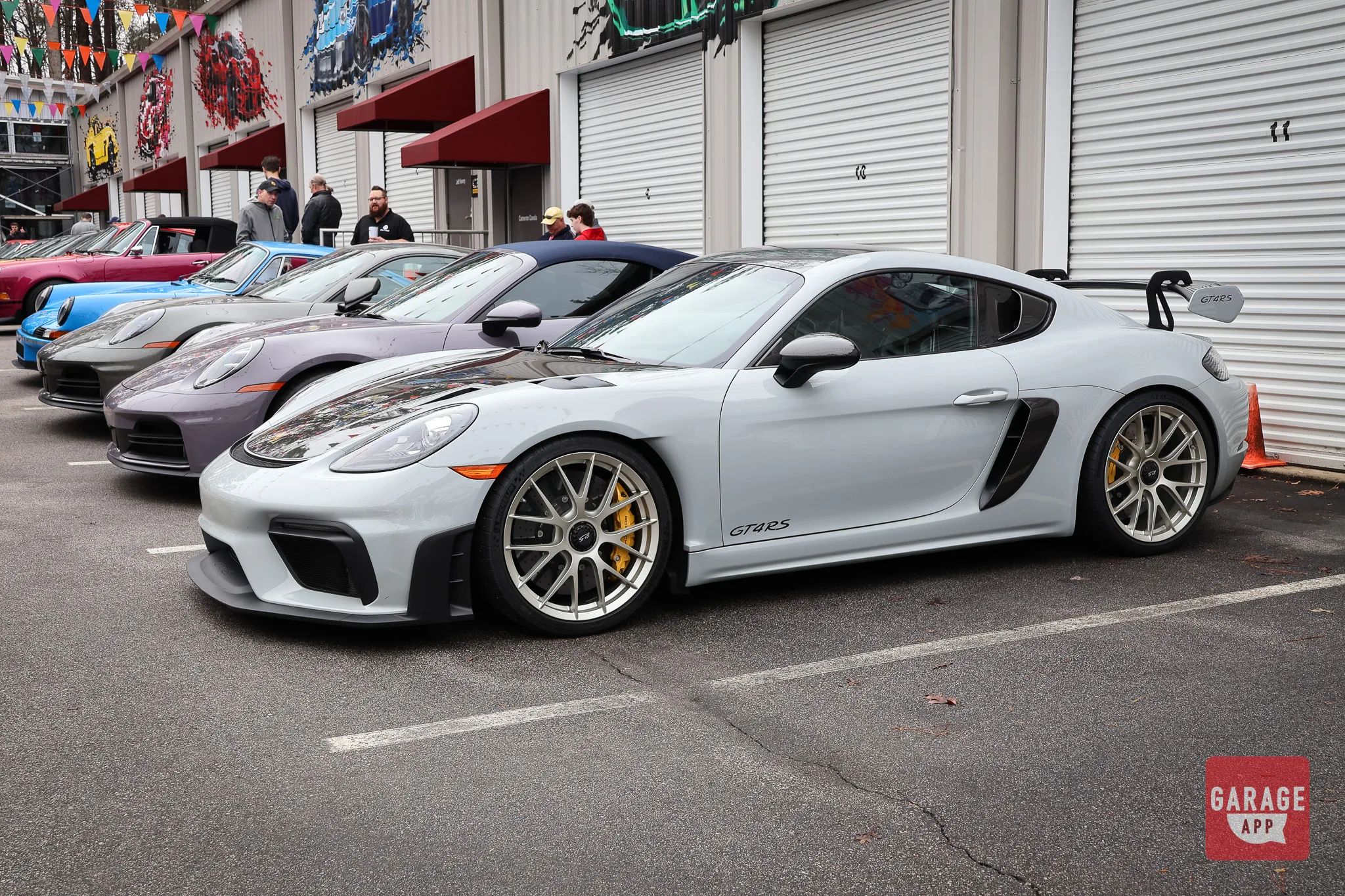
The Great Divide: What Air-Cooled and Water-Cooled Actually Mean
Every combustion engine makes heat it needs to shed. Air-cooled 911s did it with finned cylinders, a big engine-driven fan, and carefully sculpted ducting that pushed air over the hot parts. Water-cooled 911s do it the way nearly every modern car does, with coolant circulating through jackets in the block and heads out to radiators up front.
Porsche did not abandon air cooling because it stopped working. It abandoned air cooling because the physics ran out of room. Tightening noise regulations were a problem, since an air-cooled engine has no water jacket to muffle mechanical racket. Emissions were a bigger problem. Air-cooled cylinder head temperatures swing wildly depending on load and ambient conditions, and you cannot run tight, repeatable combustion control across that kind of thermal variation.
There was also the four-valve issue. Porsche wanted four valves per cylinder for output and efficiency, and packing four valves plus twin cams into an air-cooled head created hot spots it could not reliably cool. The 959 and 962 already used water-cooled heads on air-cooled cylinders as a stopgap. By the mid-90s the 993 was, by Porsche's own engineers' admission, the end of the development road.
- Air-cooled 911s: 1963 to 1998, ending with the 993 (in the US, 1998 model year).
- Water-cooled 911s: 1999 onward in the US market, starting with the 996.
- The 993 is the last air-cooled car and the first with a multi-link rear suspension, which is exactly why it commands the premium it does.
- The 996 brought a new platform, headlights shared with the Boxster, and a huge leap in everyday usability.
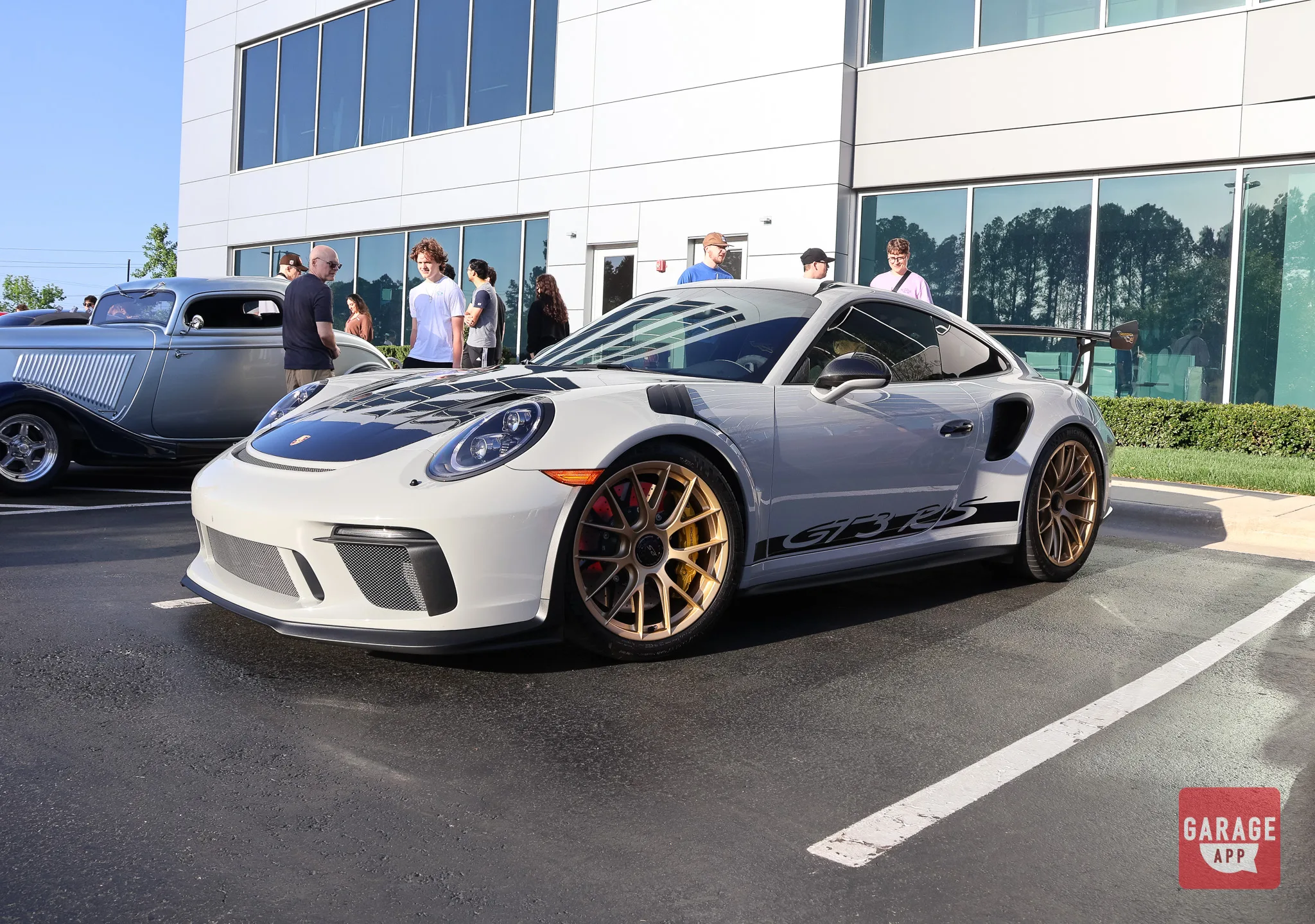
The Air-Cooled Era: 964, 993, and Everything Before
Start the car and you understand the fuss immediately. An air-cooled flat-six idles with a mechanical clatter that sounds almost agricultural, then hardens into that metallic thrash as revs climb. There is no water jacket damping the noise, so you hear the valvetrain, the fan, the intake, all of it. It is not a refined sound. It is an honest one.
The driving experience matches. Unassisted or lightly assisted steering on the earlier cars feeds you road texture that modern electric racks filter out. The 964 and 993 are heavier and more civilized than a 1973 2.7 RS, but both still feel narrow, light on their feet, and slightly rear-biased in a way that keeps you paying attention.
What You Are Actually Buying
- 964 (1989-1994): 3.6L, coil-spring suspension, first 911 with power steering and ABS. Known for oil leaks from the dual-row chain tensioners and case seams, plus dual-mass flywheel wear.
- 993 (1995-1998): the enthusiast benchmark. Multi-link rear end tamed the snap oversteer reputation. Watch for secondary air injection system faults on OBD-II cars and worn valve guides on higher-mile examples.
- Pre-964 (impact bumper 911s, 1974-1989): cheaper entry into air cooling, but rust and prior repair quality matter more than mileage. A well-sorted 1987-89 3.2 Carrera with the G50 gearbox is one of the best value propositions in the whole air-cooled range.
Values climbed for a simple reason. Supply is fixed, the story is clean, and the last-of-its-kind label is easy for buyers to understand. The 993 became the collector default the same way the E30 M3 did, and once a car becomes the default, the market stops asking questions. If you want the mechanics of how that pricing behavior develops, our piece on reading the collector market covers the pattern in detail.
On any air-cooled 911, the folder matters as much as the car. Ask for records covering the last valve adjustment, chain tensioner history, and any top-end work. A documented engine rebuild is an asset, not a red flag.
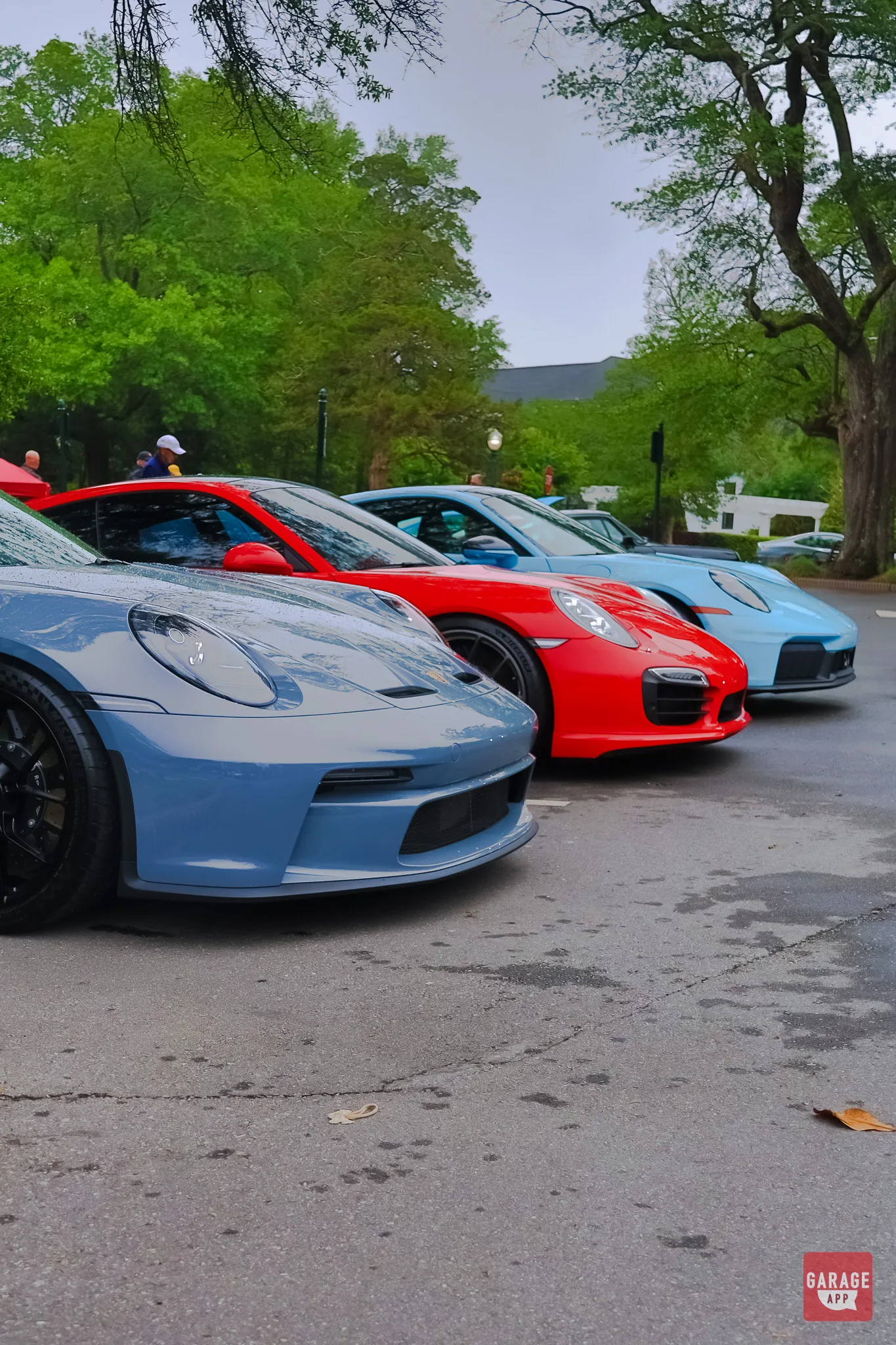
The Water-Cooled Era: 996, 997, and Beyond
The 996 arrived in 1999 to a chorus of complaints about the headlights and a shared interior with the Boxster. Twenty-five years on, those complaints look increasingly petty next to what the car actually delivered. More power, vastly better brakes, air conditioning that works in August, and a cabin you can hold a conversation in at 80 mph.
The 997 refined all of it. Round headlights returned, interior quality jumped, and the 2009 facelift brought the 9A1 direct-injection engine plus the PDK gearbox. A 997.2 Carrera S is genuinely quick by current standards and comfortable enough to drive across a state without thinking about it. Plenty of owners do exactly that, and if you are curious what living with one looks like day to day, we walked through daily driving a 911 in a separate piece.
The IMS Asterisk, Handled Honestly
You cannot discuss the 996 without the intermediate shaft bearing. Yes, a subset of 1999-2005 M96 engines suffered IMS bearing failures, and yes, a failure is catastrophic. The failure rate was low single digits, most affected cars have already either failed or been retrofitted, and a documented IMS solution costs roughly the price of a clutch job since the transmission is already out.
Bore scoring on the later 3.8L M97 engines is the more serious modern concern, particularly on cars that spent their lives on short cold trips. A pre-purchase inspection with a borescope answers this in an afternoon. Skip that inspection to save five hundred dollars and you deserve whatever happens next.
- 996.1 (1999-2001): cheapest entry to 911 ownership, period. Check IMS history and coolant tank condition.
- 996.2 (2002-2005): 3.6L, turbo-style headlights, glovebox. The sweet spot for value per dollar.
- 997.1 (2005-2008): better interior, still hydraulic steering. Watch bore scoring on 3.8L S models.
- 997.2 (2009-2012): direct injection, no IMS, PDK available. The safest water-cooled buy and the one appreciating fastest.
Air-Cooled vs Water-Cooled 911: The Side-by-Side
Price Range (Driver-Quality Examples, 2026 Market)
- Air-cooled 3.2 Carrera: $50,000 to $80,000
- Air-cooled 964 Carrera 2/4: $70,000 to $110,000
- Air-cooled 993 Carrera: $110,000 to $170,000, more for a 4S or Turbo
- 996 Carrera: $28,000 to $45,000
- 997.1 Carrera S: $40,000 to $60,000
- 997.2 Carrera S: $60,000 to $85,000
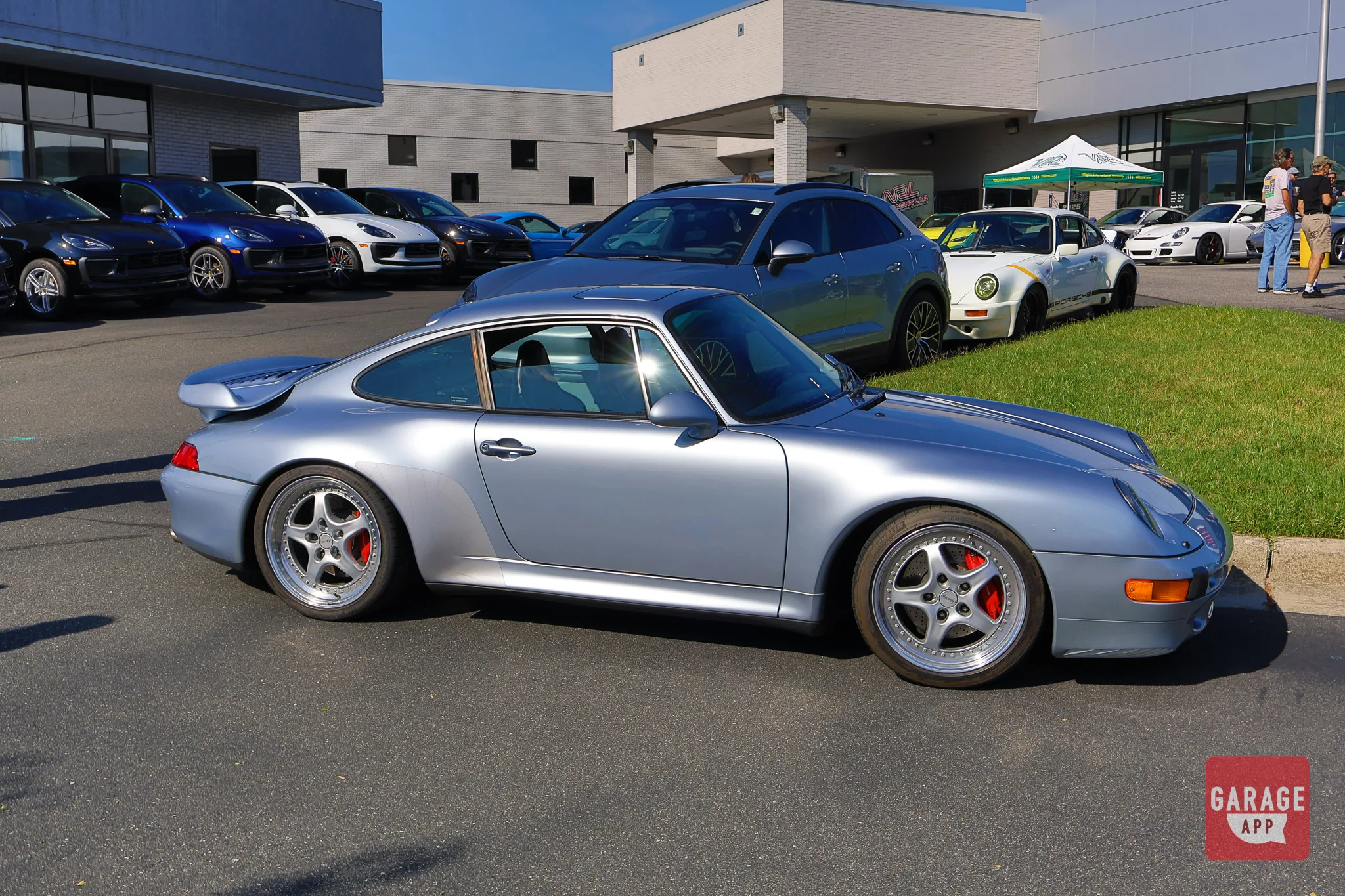
Reliability and Maintenance
- Air-cooled: mechanically simple and repairable, but everything is a wear item at this age. Valve adjustments, leaks, and top-end refreshes are scheduled realities, not surprises. Annual budget of $3,000 to $5,000 is realistic.
- Water-cooled: far more reliable in absolute terms with modern engine management and cooling. Budget $1,500 to $3,000 annually once known issues are addressed. Parts availability is excellent.
Driving Character
- Air-cooled: loud, tactile, engine noise dominates the experience, steering communicates constantly, feels fast at legal speeds.
- Water-cooled: faster in every measurable way, quieter, more composed, requires more speed to feel exciting.
Daily Usability
- Air-cooled: doable, but expect weak climate control, no modern safety systems, and constant awareness of parking lot risk.
- Water-cooled: genuinely usable year-round. Real HVAC, stability control, cupholders, and on later cars phone integration that keeps navigation and music where you want them.
Collector Trajectory
- Air-cooled: already appreciated hard. Blue chip, low volatility, limited upside left on ordinary Carreras.
- Water-cooled: 996 has bottomed and is climbing slowly. 997.2 manual coupes are the clearest current growth story.
Behind the Wheel: How Each Era Actually Feels
Spec sheets bury the real difference. A 993 Carrera makes 282 horsepower and runs to 60 in about 5.4 seconds. A 997.2 Carrera S makes 385 and does it in 4.3. On paper it is no contest. On a decent back road at 55 mph, the 993 is the more involving car by a wide margin, because you are working harder and hearing more.
The water-cooled cars flatter you. Grip levels are higher, the brakes are stronger, the chassis is more forgiving at the limit, and you carry speed with almost no drama. That is a genuine engineering achievement, and it is also why some drivers find the newer cars a little anesthetized. You need to commit harder to reach the interesting part.
An air-cooled 911 makes 40 mph feel like an event. A 997 makes 90 mph feel like nothing. Both are valid, but only one of them keeps your license.
Common paddock wisdom, and not wrong
Either way, the car deserves better than commuter traffic. Finding roads worth the drive is half the ownership experience, and GarageApp's AI route suggestions surface elevation changes and corner density near you instead of just the fastest way somewhere. We broke that process down in our guide to finding the best driving roads near you.
Price and Collector Value: Where the Money Actually Is
Air-cooled cars carry a premium because the story is finite and legible. Roughly 68,000 993s were built worldwide across all variants. That number never changes. Add the last-air-cooled narrative and you get a market that treats a clean 993 as an asset class rather than a used car.
That premium comes with obligations. Provenance drives value far more on air-cooled cars, where a missing service history or an undocumented engine swap can knock 20 percent off a sale. Matching numbers, original paint, and a coherent ownership chain are not collector snobbery here, they are pricing inputs. Our guide to provenance and documentation walks through what actually holds up under scrutiny.
The 996 remains the smart buy for anyone who wants to drive rather than store. It is the only 911 generation you can still buy for under thirty grand, the cheap-996 stigma is fading, and enthusiasts who have driven one usually stop apologizing for the headlights within a week. The 997.2 is the more expensive version of the same argument with fewer caveats.
Listings lie about generations constantly. A seller advertising a 1998 Carrera as air-cooled may be selling a 1999 build, and 996.1 and 996.2 cars get mislabeled all the time. Cross-check the VIN model year against the specific chassis code before you get on a plane.
Which One Is Right for You
The Collector or Investor
Air-cooled, and specifically a 993 or a well-documented 964. You are buying a known quantity with proven liquidity. Prioritize documentation and originality over cosmetic perfection, and accept that the car will be driven less than you promise yourself. If you are still deciding whether you want an asset or a toy, our piece on driver versus investment cars is worth ten minutes.
The Weekend Driver
This is the honest air-cooled sweet spot, but not necessarily a 993. A sorted 1987-89 3.2 Carrera with the G50 gearbox delivers most of the air-cooled experience for half the money, and you will drive it without wincing at every rock chip. A 964 Carrera 2 works too if you can absorb the leak-chasing.
The Daily-Driver Enthusiast
Water-cooled, no hesitation. A 997.2 Carrera or Carrera S with service records will handle winters, road trips, and 15,000 miles a year without complaint. This is where the reliability leap actually pays you back, and where features like phone mirroring and real climate control stop being luxuries.
The First-Time 911 Buyer
Buy a 996. Spend the savings on a thorough pre-purchase inspection, an IMS solution if it has not been done, and a driving school day. You will learn what you actually want from a 911 for the price of a nice motorcycle, and if you decide you need air cooling next, you will know exactly why.
Whichever way you lean, talk to owners before you wire money. Search nearby owners by make, model, and generation in GarageApp, message someone who has lived with the exact car you are considering, and ask what the last three years of maintenance actually cost them. Owner groups split by era exist for a reason, and both crowds show up at the same Cars and Coffee anyway. Seeing a 993 parked next to a 997.2 tells you more in five minutes than a month of forum reading. If you want a head start on that, we covered meeting Porsche owners near you and how the wider Porsche ownership culture works.
Here is the genuine point of view: the air-cooled cars are more special and the water-cooled cars are better. If you want a machine that rewards you for driving it slowly and carefully, and you can fund the maintenance without resenting it, go air-cooled. If you want a 911 in your life rather than in your garage, the 996 and 997 are the honest answer, and the market is still giving you a discount for accepting that.