

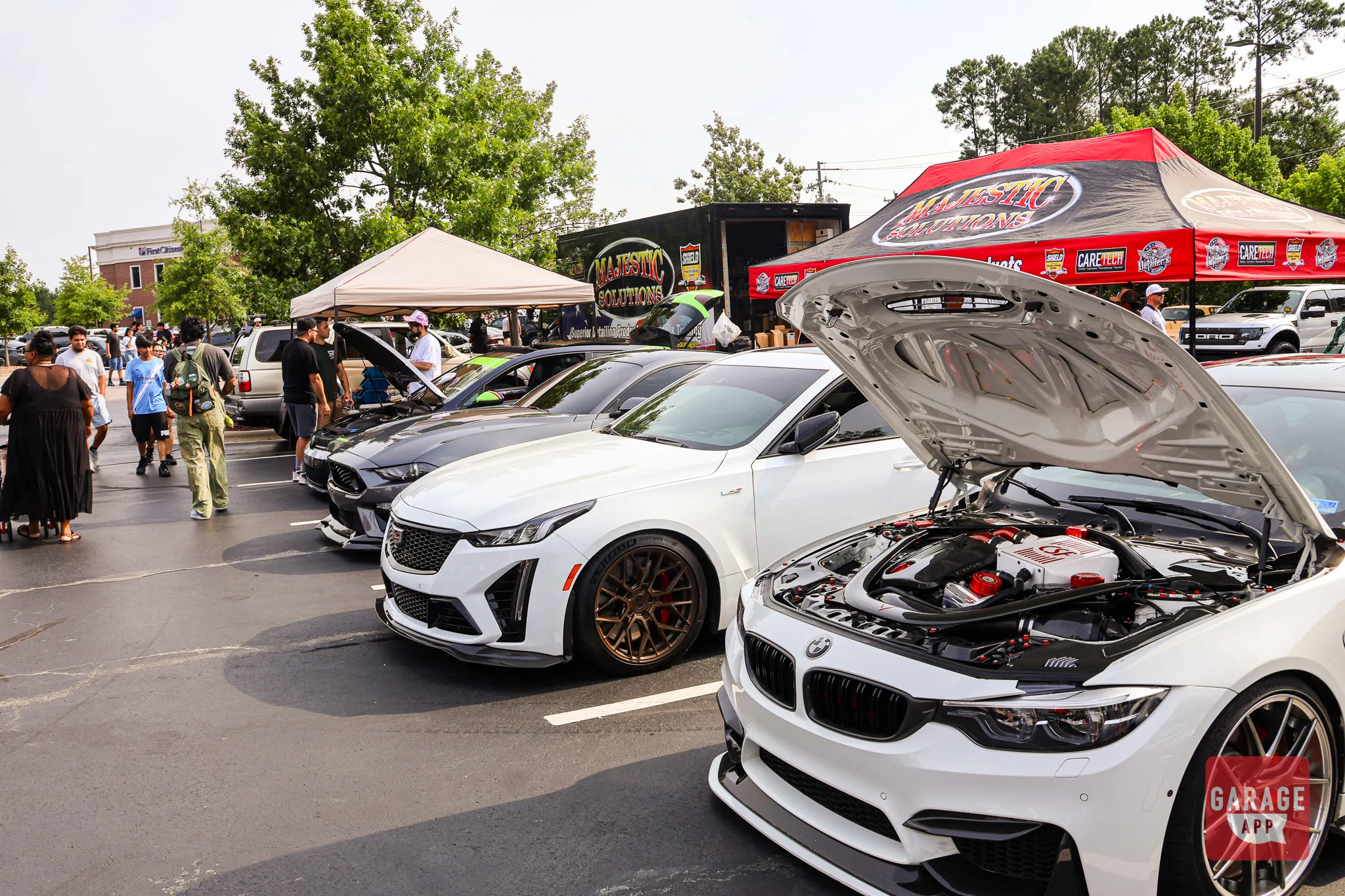
If you've read our Classic, Exotic & Collector Vehicles guide, you already know that the word collector covers a huge spread of machinery, from a well-kept muscle car to a six-figure exotic. Our broader owner's guide to classic, exotic, and collector vehicles walks through the whole ownership picture, but the part that keeps enthusiasts up at night refreshing auction results deserves its own deep dive. Why does one car double in value over five years while a similar one barely moves? This piece narrows in on how collector values actually behave, where auctions fit into the picture, and how to read the market without losing your head over a single headline sale.
Why Collector Values Don't Move Like Other Markets
Collector vehicles don't trade on earnings reports or interest rate charts. They respond to something messier and more human. Scarcity plays a role, but so does whatever cultural moment happens to be pulling a model back into the spotlight. A car featured in a film, a racing anniversary, a marque reaching a milestone, any of it can nudge demand in ways no spreadsheet predicts.
The bigger force is generational. The people with the most disposable income at any given time tend to chase the cars they wanted as teenagers. That means value doesn't track age or rarity in a clean line. It tracks memory. As our cornerstone on what actually makes a car a collector vehicle points out, desirability is the real engine here, and desirability shifts as one generation ages out of the market and another ages into money. That's why treating a collector car like a stock is a fast way to be wrong. The logic is emotional first, financial second.
What Actually Moves a Car's Value
If you strip away the noise, most of the meaningful movement comes down to two things: who's buying right now, and how honest the car's story is.
Generational Nostalgia Cycles
Watch which cars are climbing and you'll usually find a generation entering its peak earning years. Air-cooled Porsches went vertical when the people who taped those posters to their bedroom walls hit their fifties. The same pattern is now playing out with 80s and 90s Japanese performance cars, and it's starting to touch early 2000s tuner icons too. Buying power follows the dream car, always with a delay of a few decades. If you want to guess where the market goes next, look at what teenagers wanted twenty years ago and figure out when they'll have the cash.
Documented History and Originality
Two identical cars can sell for wildly different money based on paperwork alone. Original engine, matching numbers, a clean chain of ownership, service records that go back decades. All of it adds real dollars because it removes doubt. A buyer paying serious money wants proof, not promises. This ties directly into provenance and documentation, which is one of the most underrated value drivers in the whole hobby. A restored car with a thin folder will always trail a well-kept original with a thick one, even when they look the same in photos.
Before you fall for a car, ask to see the documentation first. If a seller gets vague when you ask about history, that vagueness is already telling you something about the price.
Auctions as a Signal, Not Gospel
Auction results are the most public data we have, which is exactly why they get misread. One car crosses the block for a record number and suddenly everyone with the same model thinks they're sitting on a fortune. The problem is that a single sale rarely represents the market. It represents that car, on that day, in front of those two bidders who wanted it badly enough to keep going.
Big-stage auctions also attract the exceptional examples: the lowest-mileage survivor, the celebrity-owned car, the one-of-a-handful spec. Those results skew high and don't tell you what a normal, honest driver-grade version of the same car actually trades for. The truth usually lives in the quieter data. Private sales, dealer asking prices that actually close, and the cars that didn't meet reserve. That last one matters a lot. A no-sale at a strong estimate says as much about the market as a record hammer price does.
One great result makes a headline. Ten ordinary sales make a market.
Read auctions as one input among several, weighted for context. A model backed by consistent results across multiple venues is telling you something real. A model with one outlier sale and silence everywhere else is telling you to be careful.
A Few Things to Check Before Trusting a Value Estimate
Whether the number comes from a valuation site, an appraiser, or a seller's confidence, run it through a quick sanity check before you believe it.
- Recent comparable sales. Not asking prices, actual closed sales within the last year or two, for cars in similar condition.
- Condition grading consistency. A number 2 car and a number 4 car are not the same conversation, and estimates that ignore condition are close to useless.
- Whether the sale included a buyer's premium. A reported auction figure often bakes in a 10 to 15 percent fee, which inflates the headline over what the seller actually received.
- Regional demand differences. A car that's hot in one market can be soft in another, and shipping costs eat into any arbitrage you think you spotted.
- Whether the estimate accounts for documentation quality. Two cars with the same specs but different paper trails are not worth the same, no matter what the generic guide says.
Reading the Market as a Buyer vs. a Seller
The same market looks completely different depending on which side of the deal you're on, and the smart move changes with it.
As a buyer, patience is your biggest advantage. There's almost never only one of the car you want, and the enthusiast market rewards people who compare widely and wait for the right example instead of the first one. Look at ten cars before you get serious about one. Watch how long listings sit. A car that's been for sale for eight months at the same price is quietly negotiable, whatever the ad says. If you're still deciding what role the car plays in your life, our piece on driver versus investment collector cars is worth reading before you commit, because that choice changes which examples make sense.
As a seller, timing and presentation carry the weight. Selling into a rising demand cycle for your specific model beats selling into a quiet one, sometimes by a lot. Presentation matters more than people expect. Clean documentation laid out clearly, honest photos, and a straight story build the buyer confidence that turns interest into offers. Valuation also feeds directly into how you protect the car while you own it. A car that's appreciated well past what you paid needs coverage that reflects reality, which is exactly why insurance and storage decisions should track your current value, not the number on an old policy. An honest appraisal protects you long before you ever list the thing.
Sellers, get your paperwork organized before you list, not after a buyer asks. Scrambling for records mid-negotiation reads as disorganization and gives buyers a reason to chip at your price.
Watching the Market Without Chasing It
Following values is useful. It tells you where a model sits, whether interest is building, and roughly what your own car might be worth if the question ever comes up. What it should not do is push you into buying or selling on impulse. The people who get burned in this hobby are usually the ones reacting to a spike, buying at a peak because a headline scared them into thinking they'd miss out, or dumping a car they love because a chart wobbled. Cars you actually enjoy are worth holding for reasons no market chart measures.
The most grounded way to stay informed is to watch what's happening around you and talk to people who own the same machinery. That's where following local sales activity and marque communities beats staring at national auction feeds. GarageApp, a geo-location-first social network for car and motorcycle enthusiasts, is built for exactly that kind of context. You can follow communities and groups by make and model, find nearby owners and collectors who know a given car's quirks, keep an eye on local events and meets, and use the Virtual Garage to track your own vehicle's history over time. Market smarts are really just one slice of ownership, so if you want the full picture our owner's guide to classic, exotic, and collector vehicles covers everything from buying to living with the car, and our Classic, Exotic & Collector hub ties the market conversation back to why we keep these cars in the first place.