


Walk into any car meet and you'll hear all three words tossed around like they mean the same thing. Someone's 25-year-old commuter gets called a classic. A brand-new supercar gets called a collector. A limited-run coupe gets called exotic because it's expensive. The words are related, but they aren't interchangeable, and the differences actually matter once you get past the parking lot chatter. This is an attempt to draw real lines between classic, exotic, and collector, using specific cars and bikes rather than dictionary definitions that fall apart the moment you apply them.
What Makes a Car (or Bike) a "Classic"
The most common shortcut is age. Twenty to twenty-five years and the car earns the label. Insurance companies lean on this, and it's a convenient number, but it falls apart the second you look at what's actually rolling off the used lots. A 1999 Toyota Camry is comfortably past 25 years old now. Nobody's calling it a classic, and nobody ever will.
Age is a filter, not the definition. What separates a genuine classic from an old car is whether it represents its era in a way people still care about. It has to be appreciated, not just survived. A 1970 Chevelle SS 454 isn't beloved because it's old. It's beloved because it's about as pure an expression of the American muscle era as you can point at, big-block torque and all. That car was collectible the moment the market realized they stopped making things like it.
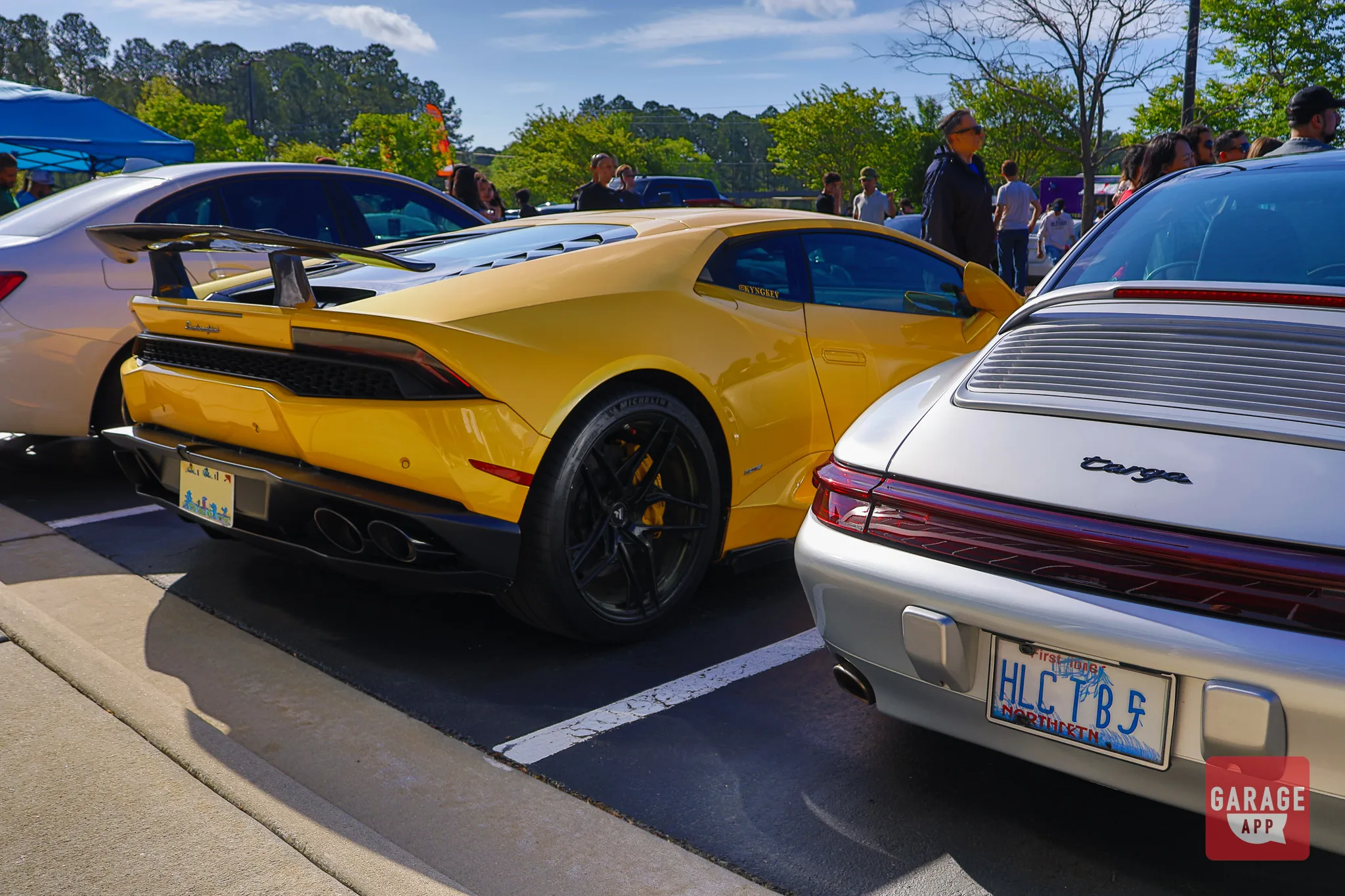
The other thing that pushes a car into classic territory earlier than the age rule allows is the end of an era. Analog driving experiences age into classics faster than anything else right now. Air-cooled Porsches are the textbook case. The Porsche 993 Targa was the last of the air-cooled 911s, and that alone gave it a status younger water-cooled cars had to earn the hard way. It represented the close of a specific chapter in the brand's history, and enthusiasts treated it accordingly.
If you're trying to figure out whether something is a real classic or just old, ask yourself whether people would still want it if it were free of nostalgia. If the answer is yes, it's a classic. If it only survives on "they don't make them anymore," it's just aging.
It's worth noting the label crosses over to bikes and to newer machines too. There are modern muscle cars already treated with reverence, and the tension between the old guard and the new is a whole conversation on its own if you dig into how the eras stack up.
What Makes Something "Exotic"
Exotic has almost nothing to do with age. It's about rarity and engineering ambition, and it applies the day the car exists. A new low-production supercar is exotic on delivery. A Camry will never be exotic if you keep it for a hundred years.
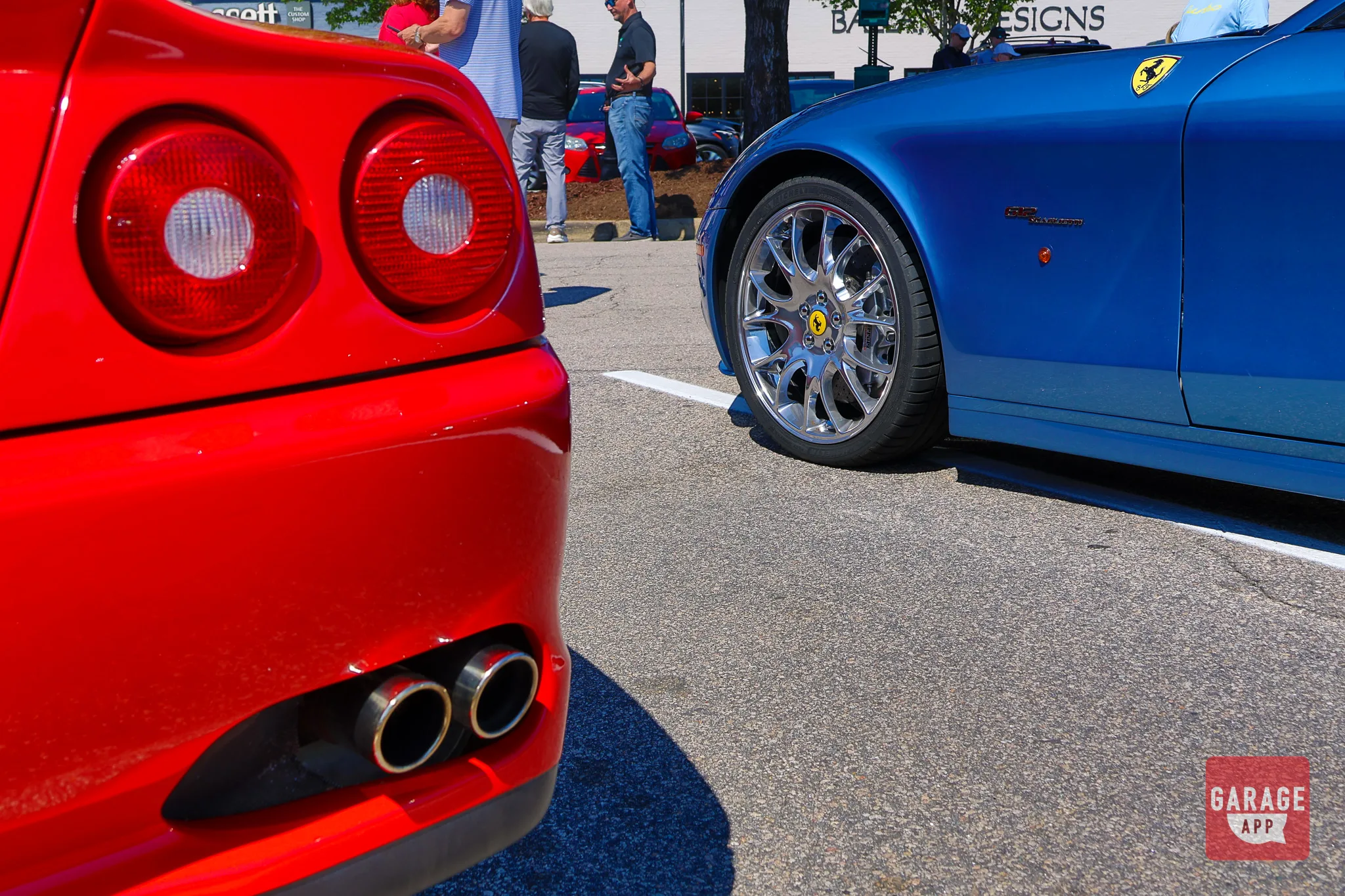
Two ingredients do most of the work here. First, the badge. Ferrari, Lamborghini, McLaren, Pagani, Koenigsegg. These names carry exotic status by reputation and by the kind of engineering they attempt. Second, production numbers. The fewer built, the more exotic the car reads, especially when the low numbers are tied to genuine ambition rather than artificial scarcity.
The Ferrari F40 is the cleanest example you can name. It was exotic in 1987 for the same reasons it's exotic today: a twin-turbo V8, a stripped-out cabin, a body that looked like nothing else on the road, and a build run that made it feel like a statement rather than a product. Age didn't make it exotic. Ferrari did, on day one.
Rarity alone doesn't cut it, though. Plenty of ambitious low-volume cars come from names that don't quite carry the reputation. The Spyker C8 is a good edge case. Handbuilt in tiny numbers by a Dutch outfit with real racing heritage, it hits the rarity and ambition marks, yet it never got the household recognition of the Italian marques. That's exotic by any honest measure, just without the mainstream weight the big names carry. Check out GarageApp's barn-find Spyker to seriously grasp the ambition and distance an enthusiast will go to give a vehicle a second life.
Sticker price is not a reliable exotic detector. A loaded luxury SUV can cost more than a used exotic, but nobody's calling a three-row crossover exotic. It's about how the car was conceived, not what the window sticker says.
What Makes Something a "Collector" Vehicle
This is the broadest bucket and the one people get most confused about. A collector car doesn't need to be old. It doesn't need to be exotic. It needs to be wanted for a reason beyond transportation, and that reason usually comes down to scarcity, cultural weight, or the fact that it marks a specific moment worth preserving.
Homologation models are the purest version of this. Cars built in limited numbers just to satisfy racing rules tend to become collectible fast because they exist for a reason no manufacturer would repeat casually. Special editions do it too, and so do the "last of" cars, the final naturally aspirated version of a lineage before turbos or hybrids took over.
The CLK 63 AMG Black Series is a strong modern example. It was AMG at the peak of the naturally aspirated V8 era, built in small numbers, and enthusiasts locked onto it because it represents a specific engineering high point that's already gone. It wasn't old when it became collectible. It became collectible because people understood what it was.
A collector car earns its status through meaning, not mileage. The market cares why a car exists as much as how long it has existed.
The 2001 BMW Z8 tells a slightly different version of the same story. Low production, a design that deliberately looked backward and forward at once, and a place in BMW's history that guaranteed it would be sought after. It was arguably collectible before it left showrooms. Values reflected that early and never really came back down.
Recency is no barrier at all. The 2024 Porsche 911 S/T is a car people are treating as collectible right now, fresh off the line, because it's a deliberately analog send-off in an increasingly digital lineup. Scarcity plus a clear reason to exist. That's the whole recipe.
Where the Categories Overlap (and Where They Don't)
The confusion usually comes from cars that sit in more than one bucket. A Ferrari Dino 246 GT is all three at once. It's old enough and appreciated enough to be a classic, it's a Ferrari-adjacent exotic by design and pedigree, and it's absolutely a collector car given what it represents in the brand's history. When a vehicle hits every category, people stop bothering to separate the terms, which is part of how the words got muddled in the first place.
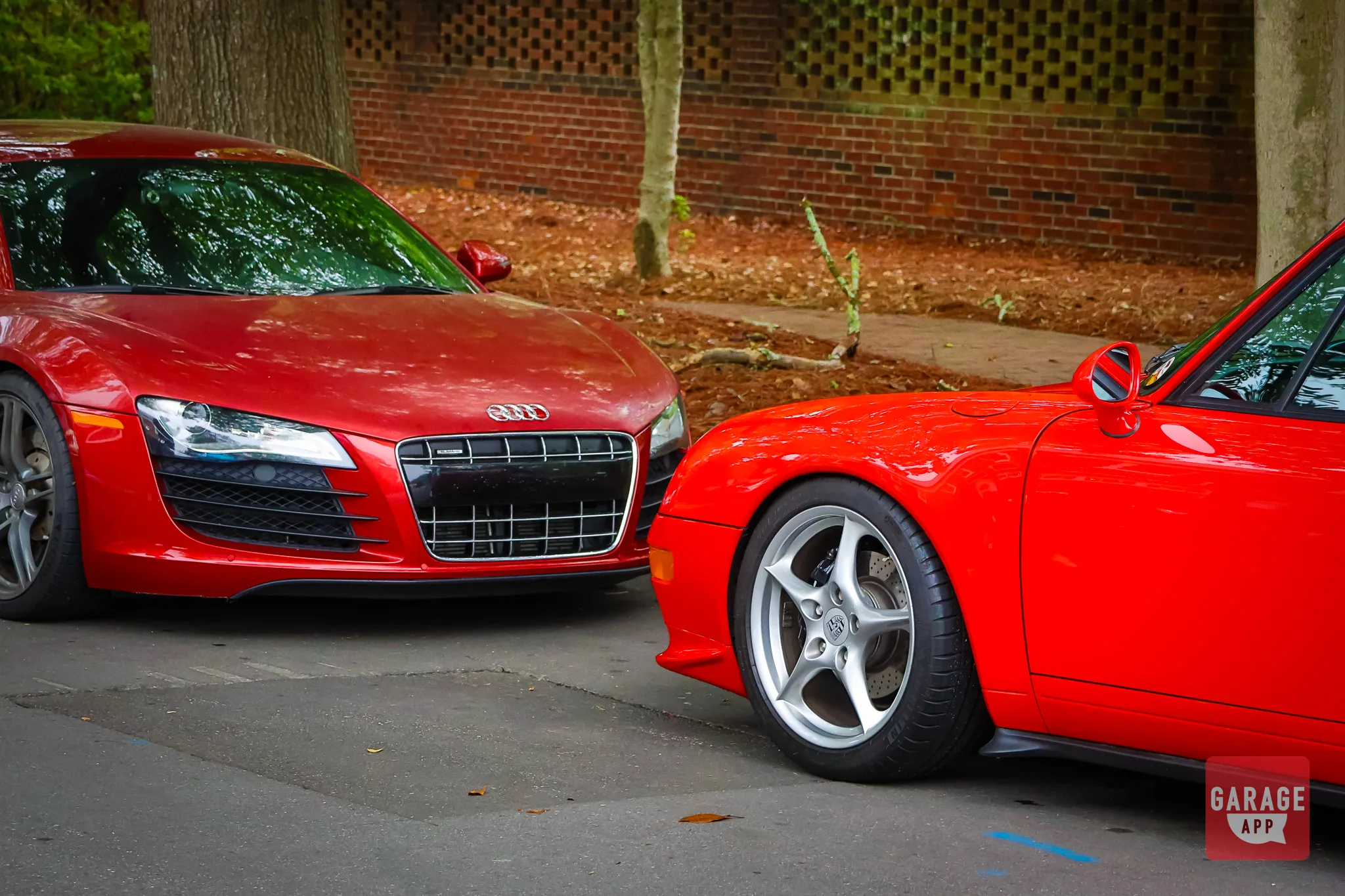
Contrast that with a Singer-restored Porsche 911. Cars in that world are collectible and arguably exotic in execution, built in tiny numbers with obsessive detail, but the underlying platform is a classic air-cooled 911. The layers stack differently depending on which one you're talking about.
Then there are the clean single-category cases. A brand-new limited supercar can be exotic without being collectible yet, because the market hasn't decided if it'll hold meaning over time. And plenty of collector cars were never exotic at all. A rare homologation hatchback or a special-edition muscle car can be deeply collectible without any exotic pretense whatsoever.
These lines show up in practice more than you'd expect. When people go looking for others who own the same thing, they search by exactly this logic. GarageApp lets owners search by make, model, year, or trim, which is often the most concrete place these category distinctions surface, since the exotic crowd and the classic crowd rarely gather in the same corner.
Why the Distinction Actually Matters
This isn't just semantics for the sake of being right at a meet. The category a vehicle falls into changes real things. Insurance treats classics, exotics, and collectibles differently, with different valuation methods and usage expectations. Market behavior shifts too. Exotics can depreciate hard before they stabilize, while genuine collectibles hold or climb. And the way owners talk about a car in their community depends heavily on which bucket it lands in.
Knowing which category you're actually dealing with tells you what to expect from ownership, from the paperwork to the people. Once you've sorted out what you're chasing, the complete owner's guide to classic, exotic, and collector vehicles ties the whole picture together and walks through what living with each one really involves. For the day-to-day side of tracking a collection, the virtual garage guide digs deeper into the practical tools.
That gap between reputation and rarity is exactly why the word gets slippery. A car can be undeniably exotic in how it was built and still fly under the radar because the badge doesn't do the heavy lifting for it. Recognition and exotic status travel together most of the time, but they aren't the same thing, and the cars that separate them are usually the most interesting ones in the room.