

What Counts as a Classic, Exotic, or Collector Vehicle Today
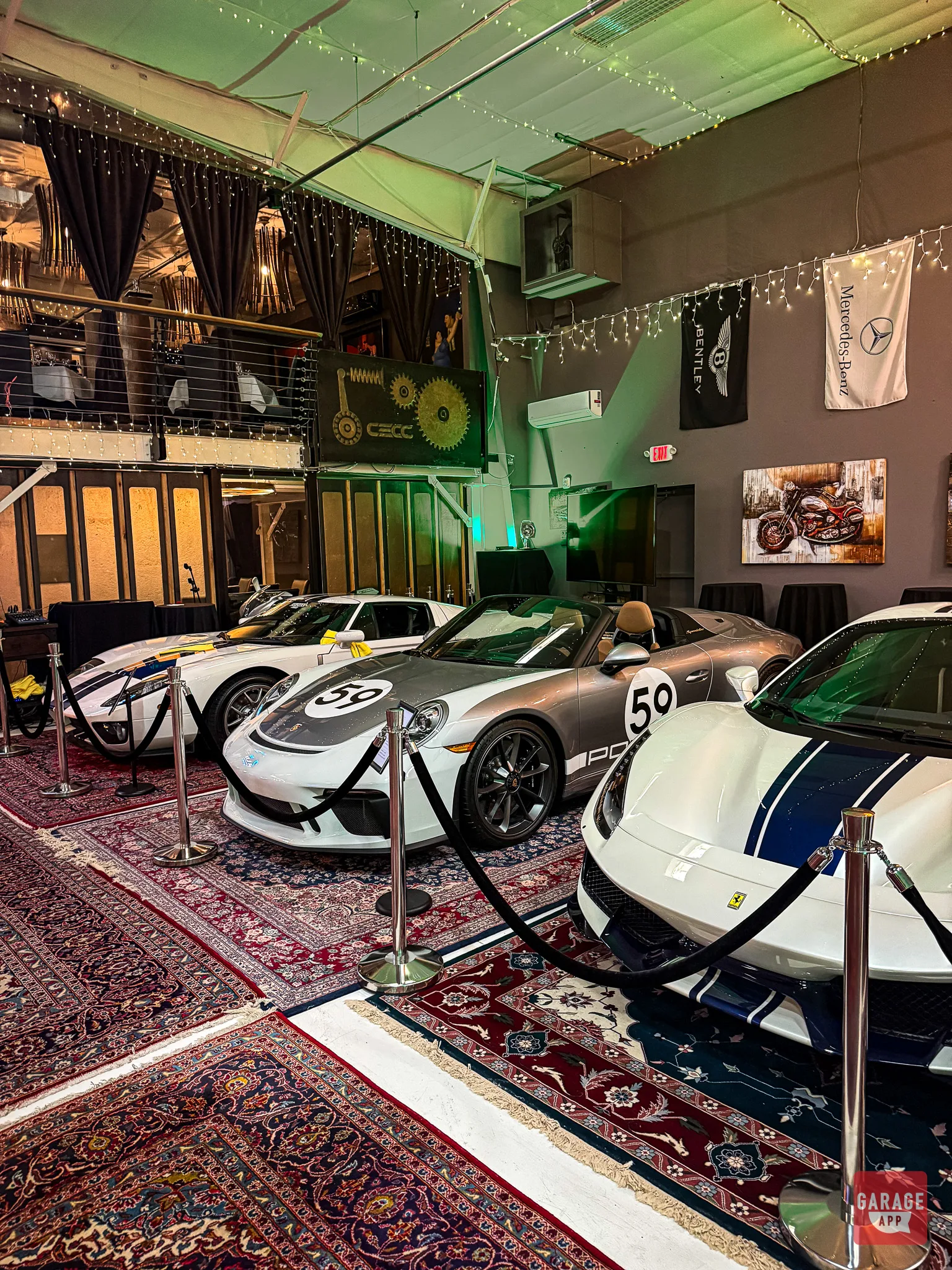
The words get thrown around like they mean the same thing, and they don't. Someone at a Saturday meet points at a 30-year-old BMW and calls it a classic. The guy next to him gestures at a Lamborghini and says the same word. Both are wrong in their own way, or at least imprecise, and the difference between classics, exotics, and collectors actually matters when you start thinking about ownership, insurance, and what your vehicle might be worth in a decade.
Classic vs. Exotic vs. Collector
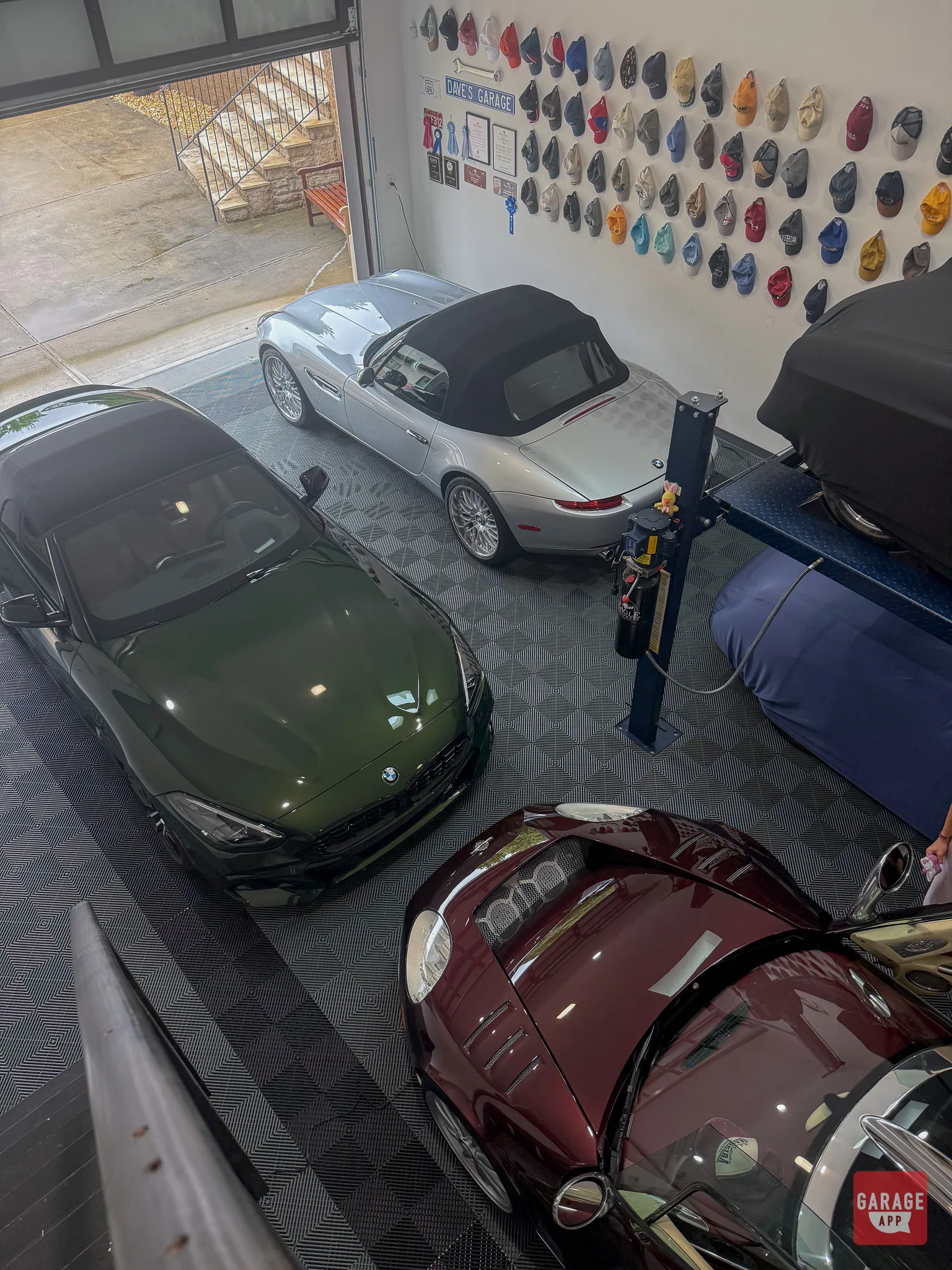
A classic is defined mostly by age and cultural staying power. Most insurers and clubs draw the line somewhere between 20 and 25 years, though plenty of purists still reserve the word for pre-1980 machinery. A clean 1970 Chevelle SS 454 is a classic in every sense, and it earned that status without ever being exotic. It was a mass-produced American muscle car that happened to become iconic. Age plus a story tends to do that.
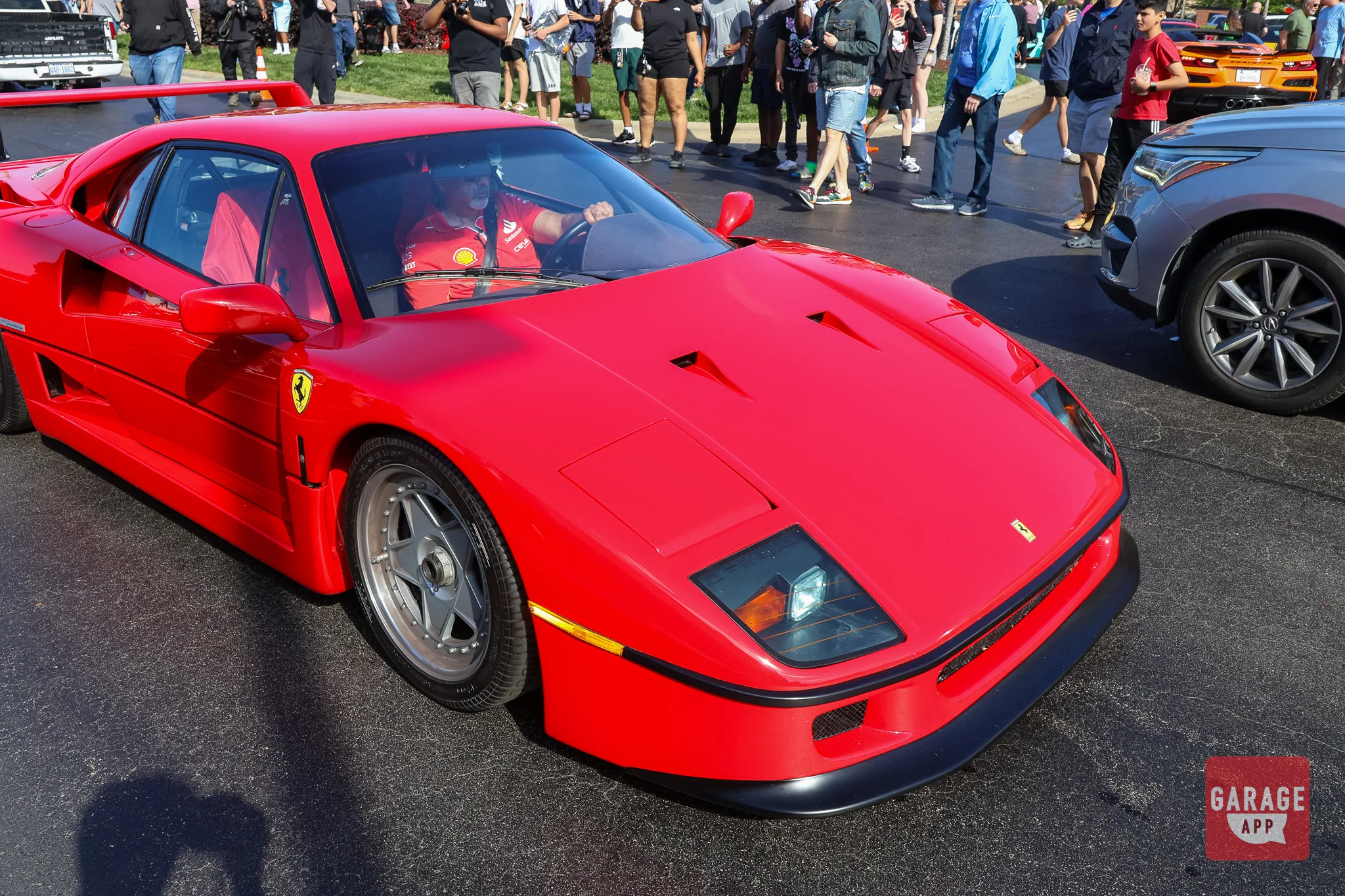
Exotic is about rarity, engineering, and often price. Think Ferrari, Lamborghini, McLaren, the low-volume stuff built in the hundreds rather than the hundreds of thousands. A Ferrari F40 is exotic the moment it leaves the factory, and it becomes a classic later as the years stack up. Exotic is a state at birth. Classic is something a car grows into.
Collector is the broadest and the most interesting category, because it cuts across the other two. A vehicle is collectible when the market decides it's worth preserving and, usually, worth more than a normal used car of the same age. That can mean a genuinely old and rare thing, or it can mean a modern car that shipped in tiny numbers. A Singer-reimagined 911 sits in a weird space where it's arguably all three at once. A brand-new limited-run special edition can be a collector piece the day it's delivered, decades before anyone calls it a classic.
When you buy insurance, know which word applies. Agreed-value classic policies and specialty exotic coverage are priced very differently, and using the wrong one can leave you underinsured or overpaying.

Cars vs. Motorcycles: Same Categories, Different Rules
The three labels apply to bikes too, but the thresholds shift. Motorcycles age faster into collectible status because production runs are smaller and survival rates are lower. People ride bikes hard, crash them, part them out, and let them rot in sheds, so a clean original example of a 1970s Japanese superbike or a period Ducati can command serious money at an age where the equivalent car would still be a used runabout.
Originality is judged more strictly on bikes, and it's harder to fake. A matching-numbers engine, the correct carburetors, the factory exhaust, even the right paint code all move the value needle sharply. On the exotic end, something like the Bimota Tesi H2 with its hub-center steering is exotic and collectible from day one, the two-wheeled equivalent of a limited-run hypercar. The category logic is the same. The numbers, the mileage that counts as low, and the tolerance for restoration are all different.
Why People Collect: Passion, Investment, and Legacy
Ask ten collectors why they do it and you'll get ten answers that all sound noble and none of which are the whole truth. The honest version is that most people are driven by some blend of three things, and the mix shifts over time. Nobody is purely one type, whatever they tell you at the fuel pump.
Passion is the obvious one and usually the starting point. You loved a poster on your wall at fourteen, or your uncle had one, or you heard a flat-six at full song and something rewired in your brain. Passion is what gets people to spend a weekend under a car that runs perfectly well, chasing a tenth of a degree of ignition timing. It's not rational and it doesn't need to be.
Investment is the motivation people are least comfortable admitting to, even though it's real. Certain segments of the collector market have outperformed stocks over long stretches, and air-cooled Porsches, early Ferraris, and select Japanese icons have made a lot of patient owners look smart. The trap is treating a car purely as an asset. Cars need storage, maintenance, and attention, and they can lose value as fast as they gain it when tastes move on. Anyone buying only for the return usually ends up disappointed, because the ones who do best tend to actually love what they parked in the garage.

You don't really own these machines. You look after them for a while and hand them on in better shape than you found them.
A sentiment most long-term collectors come around to
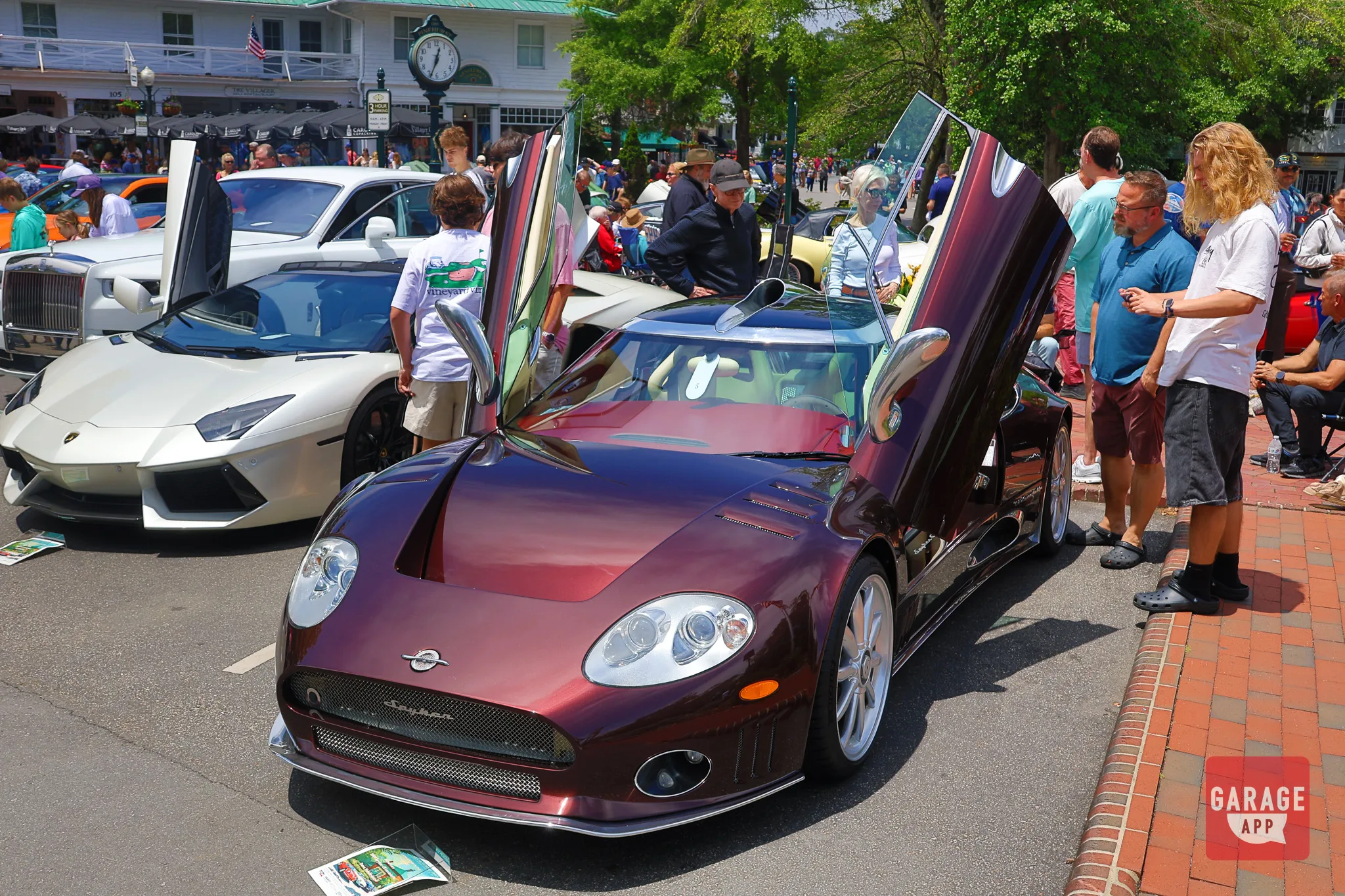
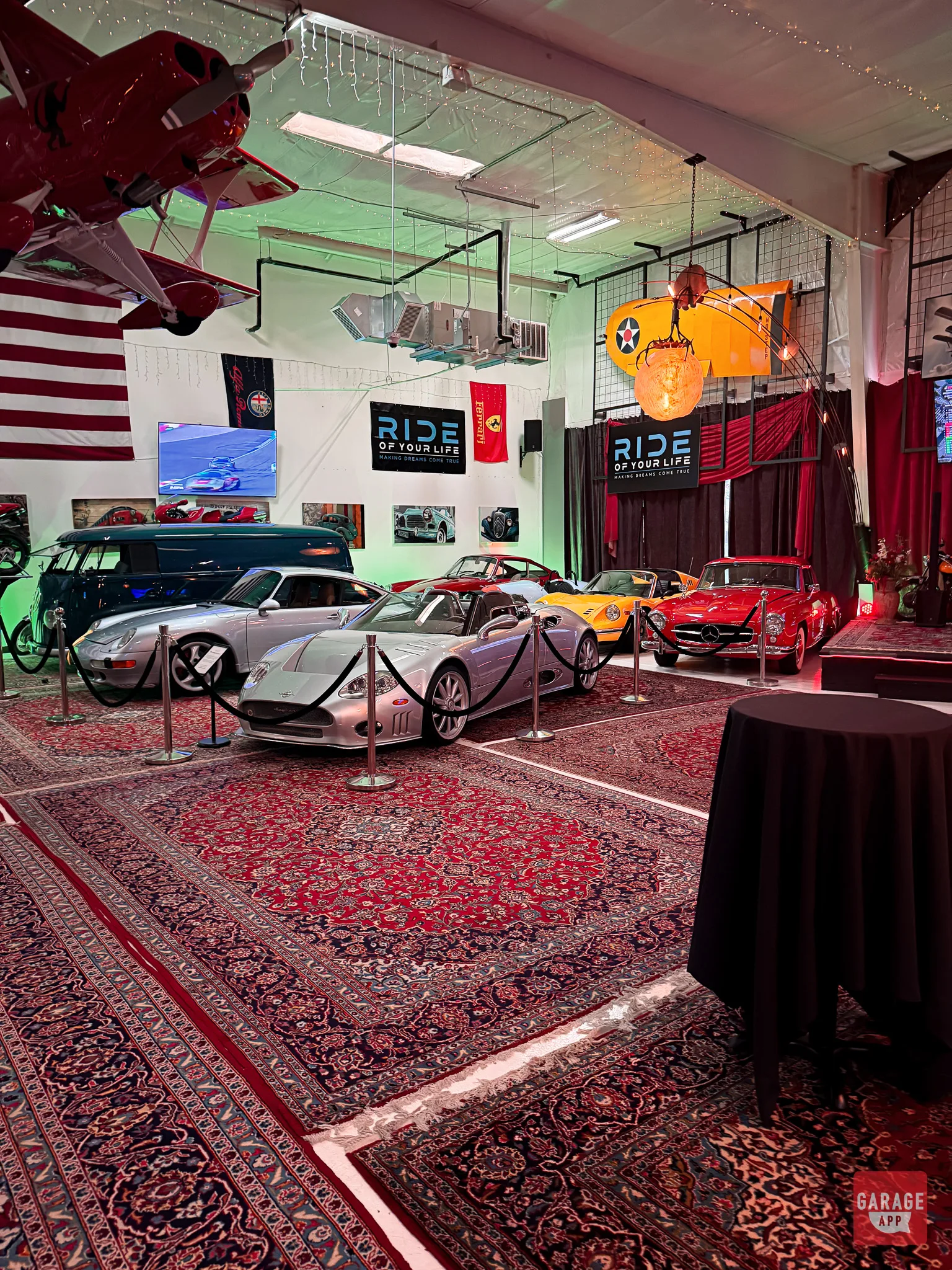
Legacy is the quiet one that often matters most. A car or bike becomes tied to a person, a family, a chapter of a life. The most moving example in this whole world is the kind of story where a machine gets pulled out of a barn and brought back not for profit but because it meant something. The barn-find Spyker C8 Laviolette is exactly that, a Dutch supercar rescued and restored as much for what it represented as for what it was worth. That's the emotional core of collecting, the part no auction result can quantify.
The reason all three coexist so easily is that a well-chosen car satisfies each one at the same time. You drive it because you love it. It holds or gains value while you own it. And eventually it becomes the thing your kids remember you by.
Starting a Collection: Cars, Motorcycles, or Both
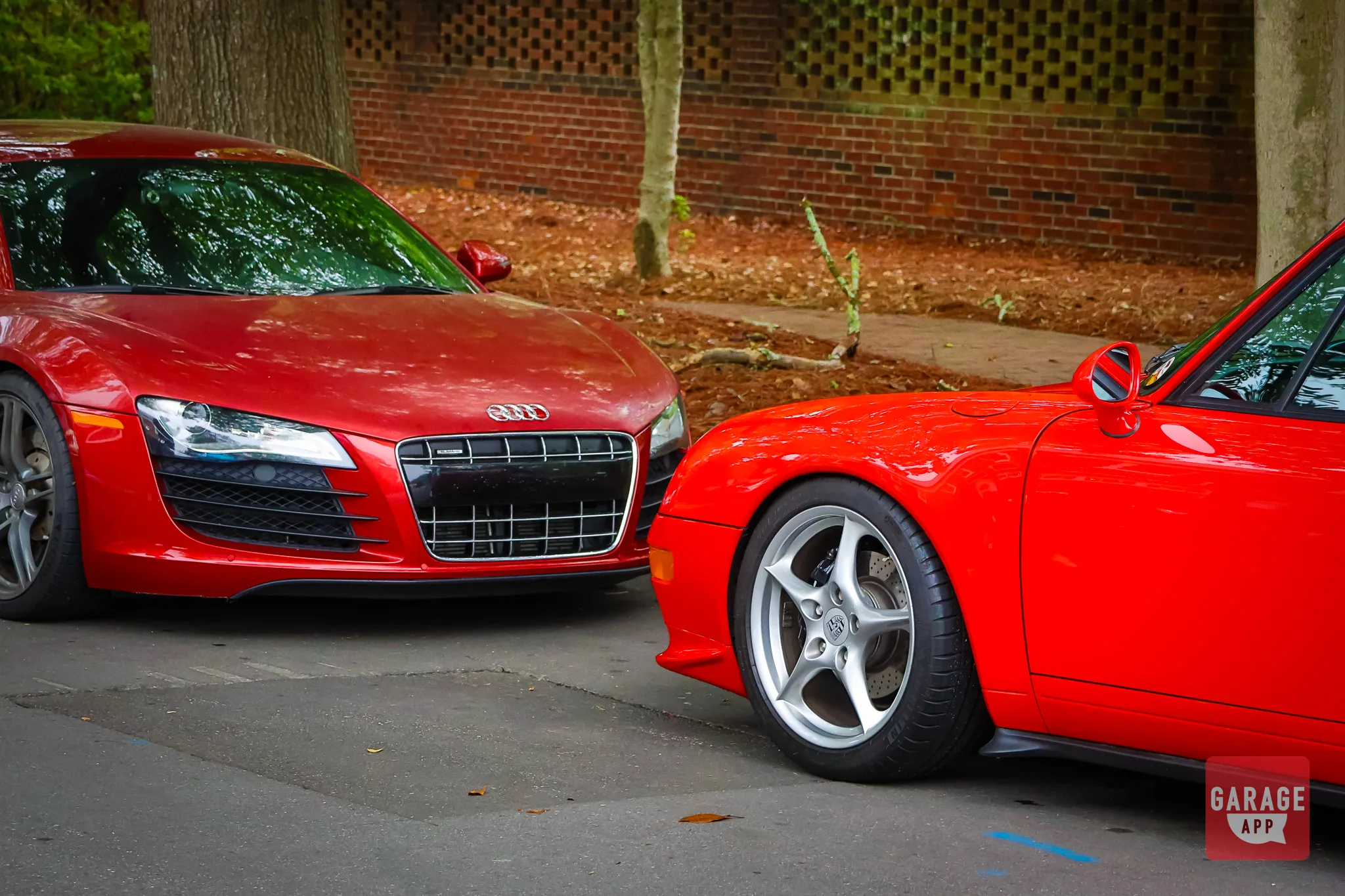
The biggest myth in this hobby is that you need serious money to start. You don't. The auction headlines about seven-figure sales create a wildly distorted picture, because the vast majority of collectible vehicles change hands for the price of a decent new commuter car, sometimes far less. The barrier to entry of starting a collection is knowledge and patience, not a trust fund.
Budget Entry Points
At the bottom rung, under roughly ten thousand dollars, you're firmly in interesting-and-usable territory. Older European sedans, first and second generation Miatas, air-cooled VWs, and plenty of Japanese classics live here. Motorcycles are even more forgiving. A clean 1980s standard or a UJM with good bones can be had for a few thousand and appreciated for what it is. Bikes are, dollar for dollar, one of the smartest ways to actually own something collectible without a garage full of cash.
The next tier, roughly ten to thirty thousand, opens up modern classics and desirable enthusiast cars with real followings. This is where a lot of the smart plays sit, cars that are cheap now but sitting on the fundamentals that tend to appreciate. If you want a proper breakdown of where that money goes furthest right now, our budget collecting guide for 2026 is worth a read before you commit.
- Entry tier (under $10k): older sedans, early Miatas, UJM motorcycles, air-cooled economy classics
- Enthusiast tier ($10k to $30k): modern classics with strong followings and appreciation potential
- Aspirational tier ($30k and up): established blue-chip classics and lower-volume exotics
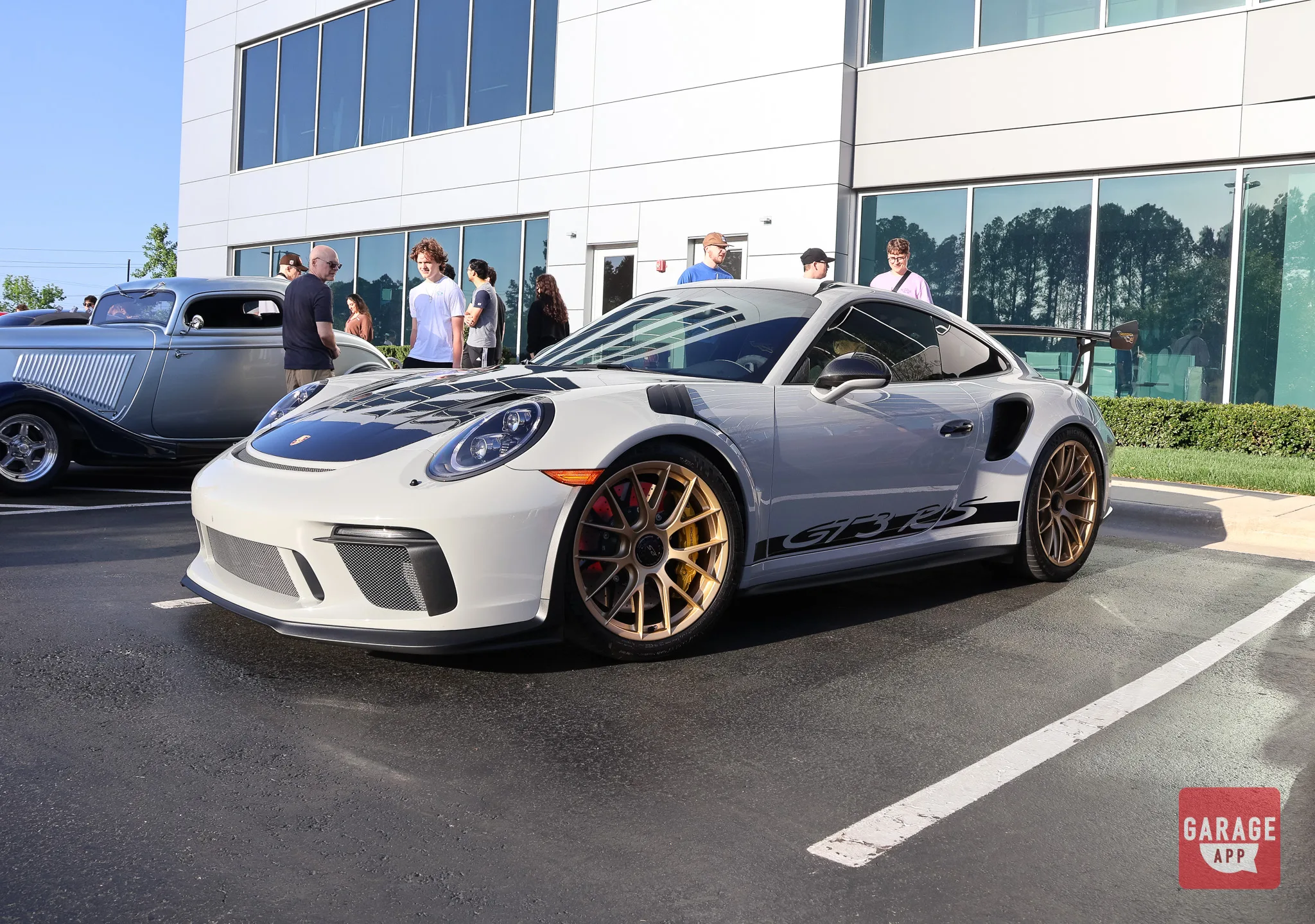
Buy the best example you can afford rather than the cheapest example of a nicer car. A tidy, honest, well-documented car in a lower tier will cost you far less over five years than a project car you underestimated.
Choosing a Lane: Driver vs. Investment
Early on, every new collector hits the same fork in the road. Are you buying something to drive, or something to hold? The answer shapes everything that follows, from which examples you chase to how you feel about adding miles.
A driver-focused approach means you accept some wear, you use the thing the way it was built to be used, and you prioritize condition and mechanical health over concours originality. This is, frankly, the more fun path, and it's how most people should start. A driver-grade classic is more forgiving of mistakes and a lot cheaper to enjoy. The investment approach flips the priorities. Originality, documentation, low mileage, and provenance move to the front, and every mile you add is a small subtraction from resale. There's nothing wrong with either, but pretending a garage-queen investment piece is a weekend toy is how people end up frustrated and broke.
Then there's the question the whole section is built around: cars, motorcycles, or both. Plenty of collectors run both, and the two hobbies feed each other. Bikes are cheaper to store, quicker to work on, and easier to justify buying number three, four, and five. The community overlap is real too, and it helps that GarageApp covers both car and motorcycle communities in one platform, so you're not splitting your world across two apps as your collection grows in either direction. Whichever lane you pick, decide it consciously rather than drifting into it, because the used listings will happily make the choice for you if you let them.
Provenance and Documentation: Proving What You Have
Once you've picked a lane, the next thing that separates a smart buy from an expensive mistake is paper. Not the fun part, granted, but the paper trail on a collectible vehicle can be worth as much as the metal it describes. Two identical-looking cars sitting side by side can differ in value by a factor of two or three, and the whole gap is often explained by a folder. One has its history. The other has a story the seller swears is true.
What actually matters here is the chain of evidence. Build sheets and factory documentation tell you the car left the line the way the seller claims, with the right engine, the right options, the color it wears now. Matching numbers is the phrase everyone throws around, and it means the major components, block, transmission, sometimes the rear end, still carry the stampings that tie them to that specific chassis. A numbers-matching 1970 Chevelle SS 454 is a different financial animal from one running a period-correct but unrelated 454, and the buyers who care will know the difference before you finish your coffee.
Service records are the unglamorous hero of the file. A stack of receipts spanning decades tells you the thing was loved, not just parked. It shows what's been replaced, when the timing job was done, whether the rebuild the seller mentioned actually happened or just got talked about. On motorcycles this matters even more, because bikes get pieced together from parts bins and swap meets, and a documented restoration with photos of the process is worth far more than a shiny result with no backstory.
The emotional side of documentation is real too, and it's where provenance stops being about spreadsheets. The barn-find Spyker C8 is compelling partly because its history is knowable and traceable, a thread you can follow from factory to field to restoration. Provenance is what lets a machine carry its story forward instead of arriving as an anonymous used vehicle with an asking price attached.
If you're serious about a car or bike, treat the file as a living thing. Scan everything, keep the originals safe, and add to it every time you touch the vehicle. The specifics of exactly what documentation to track and how to store it deserve their own deep-dive, but the principle is simple. The day you sell, the buyer isn't just paying for the vehicle. They're paying for the certainty you can hand them along with the keys.
Values, Auctions, and Reading the Market
Values in this world feel mysterious until you understand where the numbers come from, and then they feel a little unsettling instead. There's no central price book that everyone agrees on. What you have instead is a loose consensus built from auction results, private sales nobody talks about, and a lot of confident people repeating figures they half-remember. Learning to read that soup is most of the skill.
How Auction Results Set (and Distort) Values
One hammer price can warp an entire market. A car crosses the block for a headline number, the result gets screenshotted and passed around, and within a week every owner of that model thinks their example is worth the same. The problem is that auction results are the most visible data and often the least representative. The car that sold high might have had a race history, a celebrity owner, or two bidders in the room who simply had to have it that night. That is an outlier, not a benchmark.
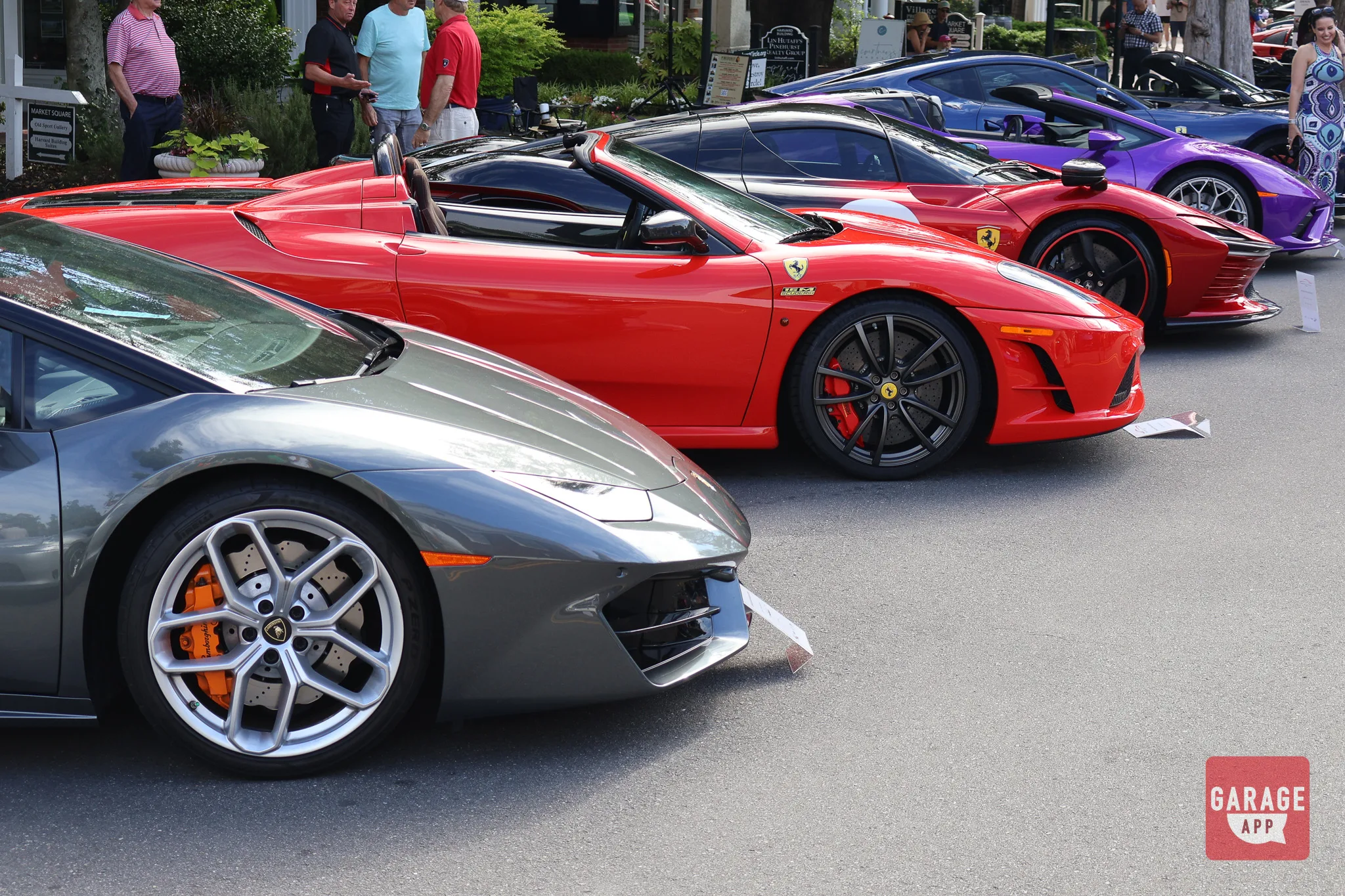
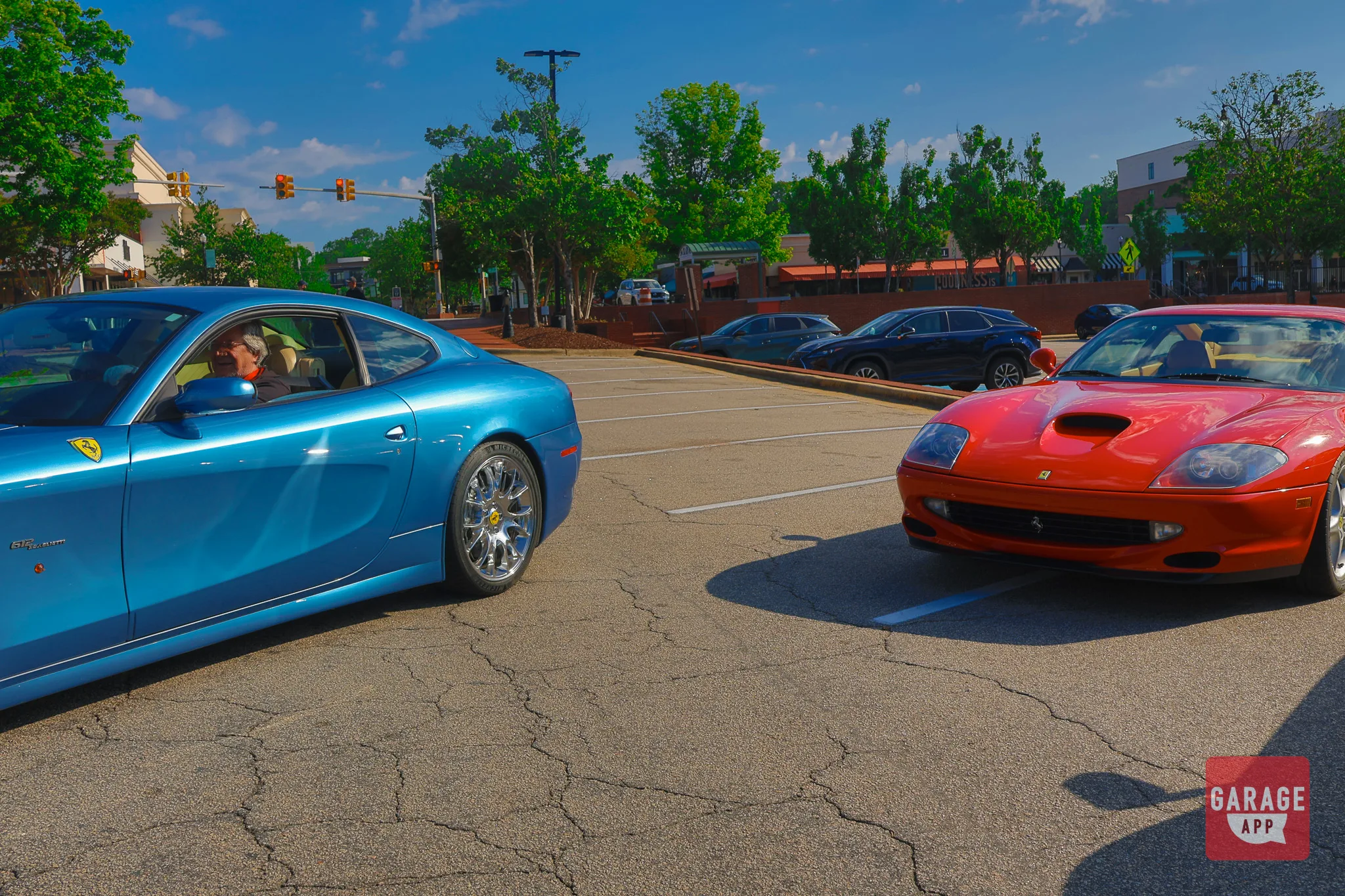
Read auction data the way you'd read a single restaurant review, with suspicion about what you're not being told. Look for a cluster of sales rather than one peak. A model like the Ferrari F430 Scuderia Spider 16M has enough transaction history that a real range emerges once you stack the results, and the honest value lives in the middle of that pile, not at its ceiling. Ignore the no-sales at your peril too, because a car that failed to meet reserve tells you where a seller's dream and the market's reality parted ways.
Reading a Listing Like an Appraiser
Sellers write listings to sell, which means they lead with what sounds exciting and bury what costs money. An appraiser reads in the opposite order. Originality comes first. Is this the factory drivetrain, the correct interior, the paint it wore when new? A repaint isn't automatically a dealbreaker, but it changes the conversation, and a car described as having had "minor bodywork" has usually had more than that.
Mileage matters, but not in the simple less-is-better way people assume. A car with almost no miles raises its own questions about seals, fluids, and whether it's actually been maintained or just admired. Color and options move numbers more than newcomers expect. A rare factory color, a manual gearbox in a car that mostly came as an automatic, the desirable option package that only a handful of buyers ticked, these quietly do more to a price than the paragraph of marketing prose up top. Something like the CLK 63 AMG Black Series commands what it does precisely because of its rarity and specification, not because of adjectives.
When you're trying to sanity-check what a given spec or trim is genuinely worth, comparing across similar models helps, and the Makes & Models coverage on the blog is a decent place to line up figures and options before you decide what a listing deserves. The seller emphasizes the good story. Your job is to price the whole car, including the parts they didn't mention.
Insurance, Storage, and Protecting the Investment
Buying the car is the beginning of the spending, not the end of it. The part nobody puts on the wall as a poster is protecting the thing once it's yours, and this is where a lot of otherwise savvy owners quietly lose money. Get the boring stuff right and your vehicle holds its value while you sleep. Get it wrong and a burst pipe or a dead policy line can undo years of careful buying.
Agreed-Value Insurance
A standard auto policy is built around depreciation. It assumes your car is worth less every year, which is exactly backwards for anything collectible. If your 30-year-old classic gets totaled under an ordinary policy, the insurer pays out based on some book value that has nothing to do with the market, and you're left arguing about a number that's a fraction of what the car was worth. Agreed-value coverage fixes this. You and the insurer agree, in writing, up front, on what the vehicle is worth, and that's the figure paid out if the worst happens. It usually costs less than a regular policy too, because these cars are driven carefully and sparingly, and the underwriters know it.
Climate and Storage
Where a car or bike sleeps matters more than most people think. Humidity is the slow killer, working on brake lines, wiring, and the underside of body panels long before you notice. A climate-controlled space is ideal, but even a dehumidifier and good airflow beat a damp corner of a garage. Pests are the other quiet menace, because mice will happily nest in an air filter and chew a wiring loom over one winter. Tires develop flat spots when a vehicle sits on them for months, so move the car occasionally or store it on jack stands. Keep a battery tender on anything that isn't driven weekly, since a modern car's electronics will flatten a battery on their own, and a bike's small battery even faster.
Maintenance Cadence for Low-Mile Classics
Here's the myth worth killing: the idea that a car barely gets driven so it barely needs maintenance. It's backwards. Cars and bikes that sit are harder on themselves than ones that get used, because rubber dries and cracks, fluids absorb moisture and turn acidic, seals shrink, and fuel goes stale and gums up carburetors and injectors alike. A low-mile classic often needs a service schedule built around time, not distance. Change the oil annually even if you barely turned a wheel, because old oil sitting in an engine is doing quiet damage regardless of the odometer. Flush brake fluid on a calendar, not a mileage figure. Run the engine to temperature regularly rather than letting it stew cold.
This is the least discussed part of ownership and one of the most expensive to get wrong, which makes it a strong candidate for its own dedicated guide down the line. For now, hold onto the principle. The garage queen you're protecting isn't protected by neglect. A car preserved properly costs you a little every year and repays you the day you sell. A car left to rot in a sealed box looks fine under the cover and hides a bill you'll only discover when someone serious comes to look at it.
The Community Side: Clubs, Meets, and Finding Your People
Here's the thing the auction results and the insurance quotes never quite tell you. The best part of owning something old, rare, or interesting isn't the object. It's who the object introduces you to. A collection sitting silently in a locked garage is a hobby you do alone, and almost nobody who stays in this world for long does it alone. The metal is the excuse. The people are the reason.
Clubs and Marque Groups
There's a real difference between hanging around car people in general and finding the specific tribe that owns what you own. A marque group, the folks devoted to your exact make and often your exact model, is where the useful knowledge lives. These are the people who know which year had the weak water pump, which specialist actually understands the gearbox, where the last good stash of a discontinued trim piece is hiding. Bikes are no different. The owners' register for a particular Ducati or an air-cooled BMW airhead will save you more money and heartache than any forum full of strangers. Connecting with owners by make, model, year, and even trim is exactly the kind of narrow, high-signal connection that's hard to build cold, and it's one of the things GarageApp is genuinely good at, surfacing the people running the same machine as you rather than just the same general enthusiasm.
Meets and Cruises
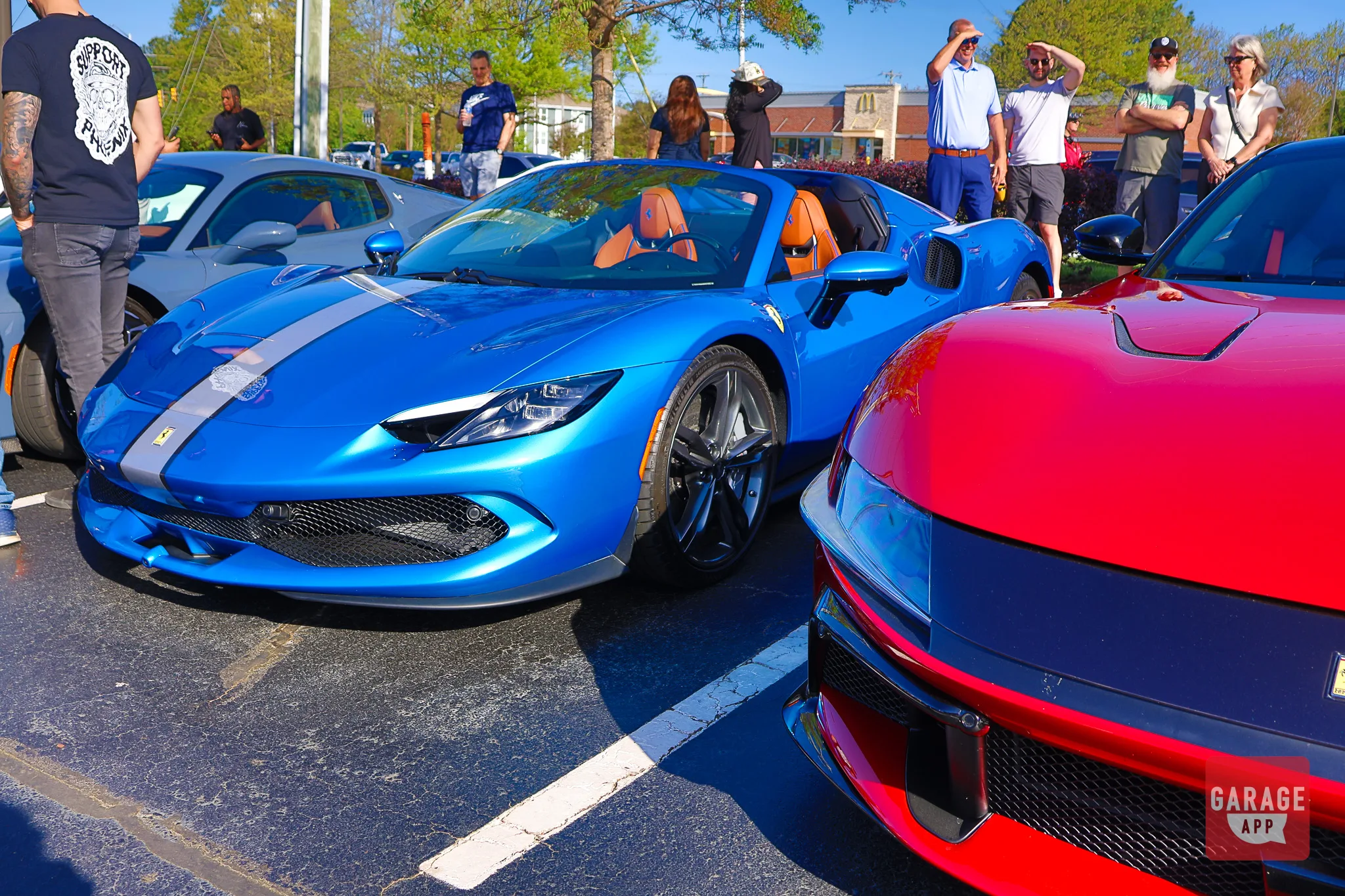
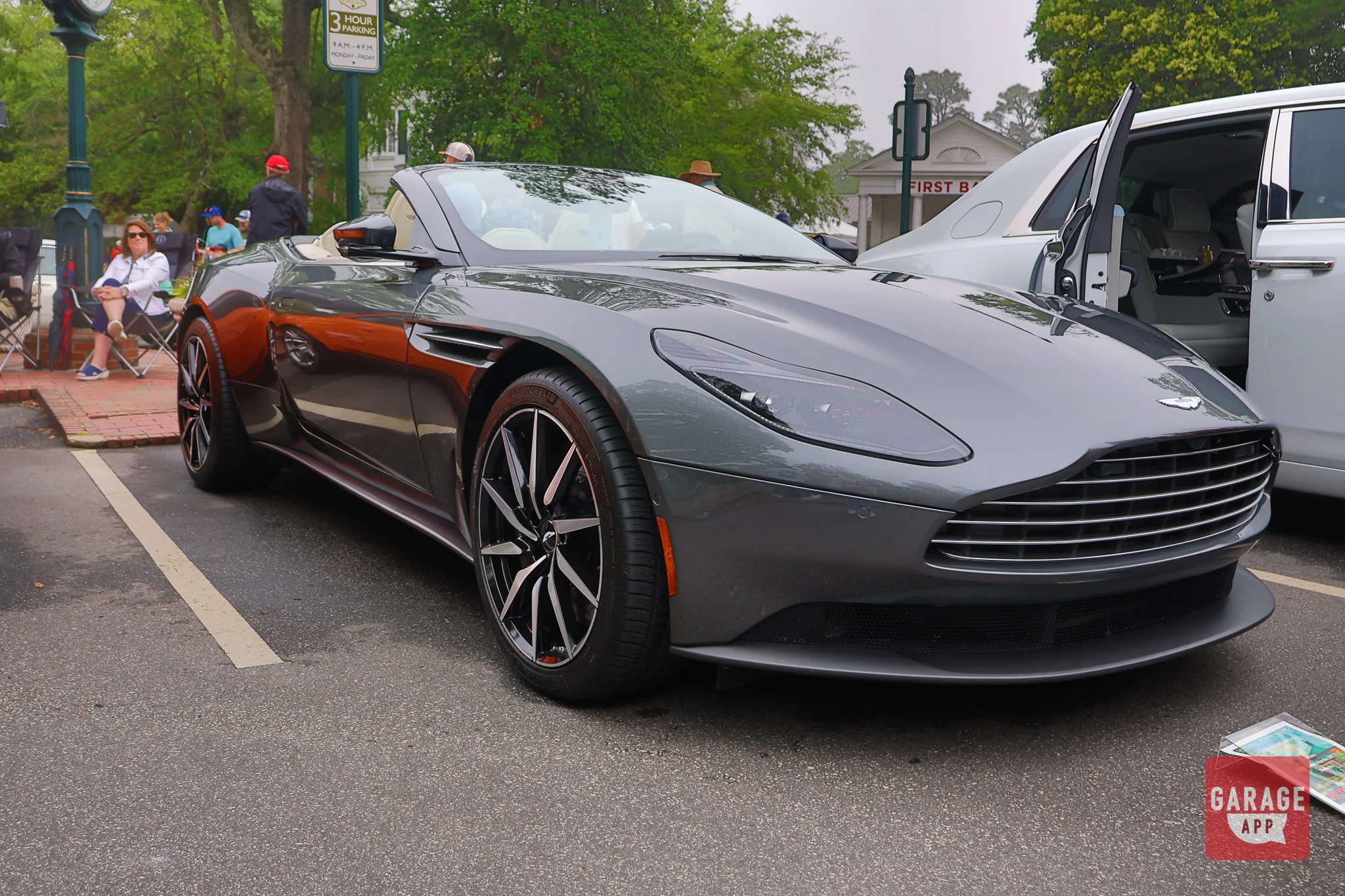
For most collectors, the front door into all of this is a local meet. Cars and Coffee is the obvious one, a low-commitment Saturday morning where you park, wander, and talk. Nobody checks your net worth at the entrance, and the crowd is a genuine mix, which is the whole point. If you've ever been talked out of showing up because your car isn't exotic enough, this piece on whether you need an expensive car for Cars and Coffee settles it fast. The gatherings themselves produce the stories that keep people coming back, whether it's a white Porsche 959S turning heads in Morrisville or a 1968 Shelby GT500 holding court at Fuquay-Varina. Beyond Cars and Coffee there are evening cruises, marque-specific breakfast runs, and the informal driveway gatherings that never get advertised anywhere. Seeing which meets and events are happening nearby, and even who's planning to attend and what they're bringing, turns a cold calendar into an actual reason to leave the house on a Saturday.
Why Local Beats Facebook Groups
Generic social platforms are terrible at something as inherently local and physical as this. A national Facebook group for your car is 90 percent people three time zones away, arguing, wrapped in a feed that decides what you see based on what makes you angry rather than what's happening this weekend twenty minutes from your house. Car culture is a proximity sport. The value is in the person who can actually come look at the noise your engine is making, meet you for a drive, or point you at the mechanic down the road. Following local communities and joining groups built around a specific brand or club, instead of feeding an algorithm designed to sell ads, is the difference between a hobby that lives on your phone and one that lives in your garage and out on the road with real people. That's the whole case for building this stuff around location and shared interest rather than an endless scroll.
Showcasing a Collection in the Digital Age
Not long ago, the record of a car's life lived in a manila folder in a filing cabinet, and its story got told out loud at meets or not at all. That's changed, and it changed for the better. The same documentation that protects resale value can now be a living, shareable thing instead of paper nobody sees until the sale. This matters on two fronts at once. It's pride of ownership, the simple pleasure of showing what you've built or preserved, and it's a resale asset, because a buyer who can scroll through years of updates, receipts, and progress photos before they ever call you is a buyer who arrives already half-convinced.
A digital garage does what the binder never could. You keep the photos, the full spec, the running list of modifications, and the build progress in one place, and it travels with you and the car. For a preservation-focused owner that's a clean, verifiable history of an unmolested original. A tidy example like the 2001 BMW Z8 tells its story mostly through originality and condition, and being able to document exactly that, correct and untouched, is its own form of value. For someone deep in a project it's the opposite kind of story, a timeline of every decision, every part, every setback and fix. A well-known modern icon like the E46 M3 in Laguna Seca Blue lives or dies on which camp it falls into, and the documentation is what tells a buyer which one they're looking at.
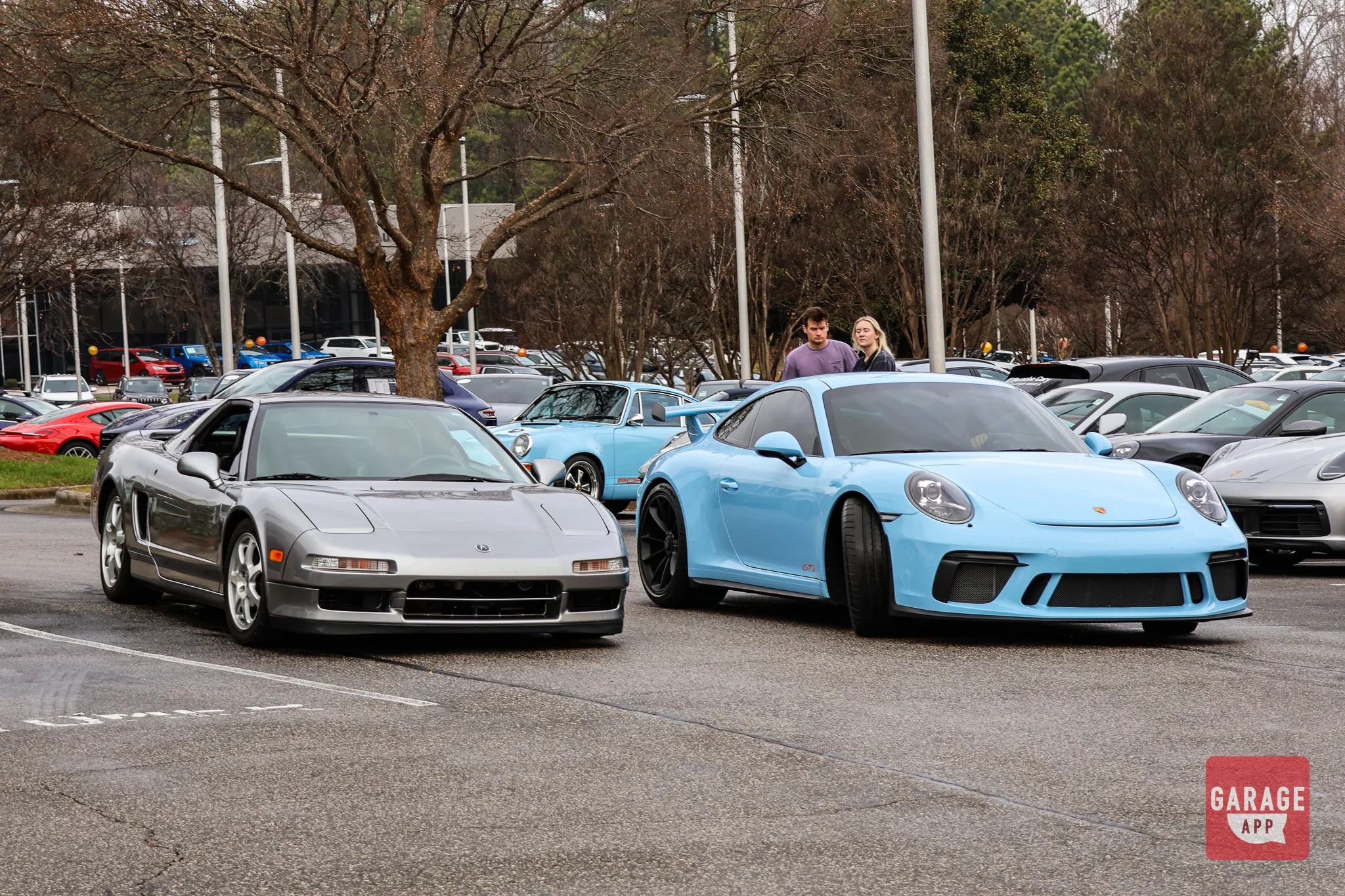
There's also the audience question, and it's a big one. Posting a build or a fresh acquisition into a general social feed means competing with vacation photos and lunch, judged by people who don't know a limited-slip diff from a light switch. Sharing it into a location-aware feed built for automotive enthusiasts, which is what GarageApp's Virtual Garage is for, means the people seeing your updates actually care and are often nearby. That's builds and restorations shown to the crowd that gets it, which is a completely different experience from shouting into the void and hoping someone who understands wanders past.
The old picture of this hobby, a closed circle of wealthy men trading secrets at invitation-only events, was never fully true, and it's less true now than it has ever been. You don't need a fortune, a famous last name, or a rolodex handed down from your father. You need curiosity, a little patience, and a willingness to show up. The car or the bike is what gets you through the door, but it's the Saturday morning conversations, the shared drives, and the person who knows exactly which part you've been hunting for months that turn a purchase into something you actually live. Buy what you love, look after it well, and then go find your people. They're closer than you think.
Become a GarageApp Affiliate
And once you're a few conversations deep and you've felt how good this world gets when you find the right people, you tend to want to pull others in. If you end up loving GarageApp enough to tell your buddies about it anyway, there's a way to make that pay off too. The GarageApp Affiliate Program hands you 30 percent for the lifetime of anyone you bring in, which is a nice bonus for doing the thing enthusiasts already do, talking each other into good stuff. No pressure, just a door worth knowing about if spreading the word is already in your nature.