

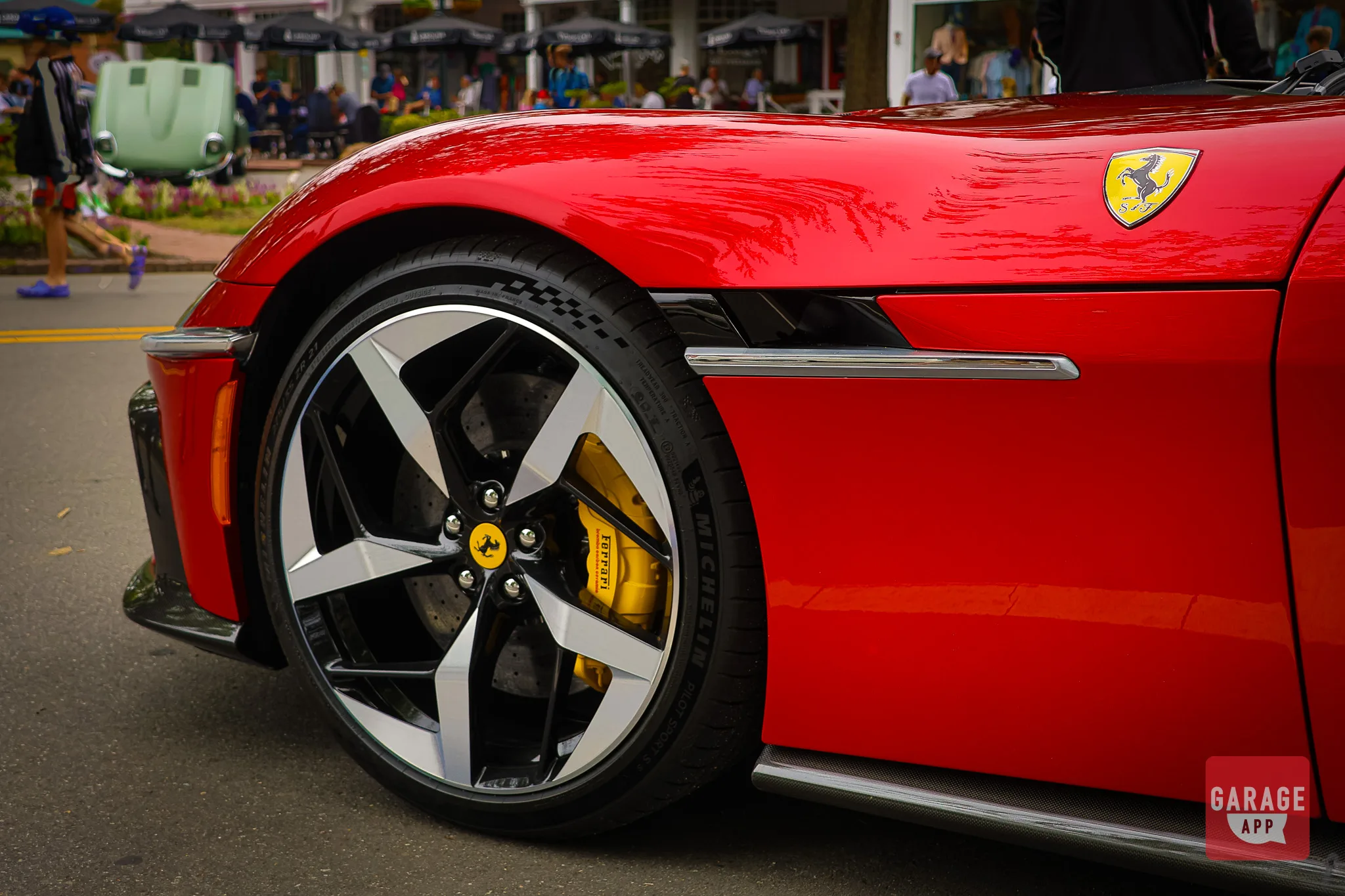
In our Classic, Exotic, and Collector Vehicles guide, we drew a line between three words that get thrown around like they mean the same thing. They don't. Exotic is the one people misuse most, usually because they think it just means expensive or fast. It's neither. Exotic describes something the factory decided a car would be before the first chassis ever touched the assembly jig.
Exotic Is a State You're Born Into
Here's the core idea, and it's worth sitting with. A car becomes a classic over decades. It survives, it gets loved, culture catches up to it, and one day people agree it matters. That status is earned. Exotic works in reverse. It's assigned at birth. A Pagani Huayra rolls out of Modena already exotic. Nobody has to wait forty years to decide. The engineering, the rarity, and the intent are baked in from the factory floor.
That distinction is why a car can be exotic and not yet classic, or classic and never remotely exotic. A 1968 muscle car can be a stone-cold classic without a single exotic bone in it. If you want the full framework for how these categories overlap and diverge, our breakdown of classic versus modern muscle shows how earned status works on the other end of the spectrum.
Rarity as a Defining Trait
Rarity is the first thing that separates exotic from merely premium. A car isn't exotic because it's nice. It's exotic partly because you almost never see one.
Low-Volume Production
Mainstream cars are built by the hundreds of thousands. Toyota moves more Corollas in a month than some exotic makers build in their entire history. Koenigsegg has produced only a few hundred cars total across its lifetime. Pagani builds in the dozens per year. When production is measured in hundreds instead of hundreds of thousands, every single unit carries weight. Scarcity isn't a marketing angle for these brands. It's the operating model.
Homologation Specials
There's a middle category worth knowing. Homologation specials are limited runs built by larger manufacturers, often to satisfy racing regulations that require a minimum number of road cars. Think of cars produced in the low thousands or fewer, sold to the public so a racing version can compete. They're not full boutique exotics, but they're far from ordinary. The Ferrari F40 sits near this territory, a car built with racing logic and sold in numbers that kept it special.
Rarity alone doesn't make a car exotic. A car can be rare because nobody wanted it. Exotic rarity is deliberate scarcity paired with serious engineering.
Engineering Ambition and Pedigree
This is the part that actually earns the badge. Exotic cars are engineering statements first. They exist to push a limit, not to hit a price point or a sales target.
Start with the chassis. A typical performance car adapts an existing platform. An exotic gets a bespoke architecture, frequently a carbon fiber monocoque developed from scratch. McLaren built its entire modern road car business around a carbon tub, borrowing lessons straight from Formula 1. That's not a trim upgrade. It's a different way of thinking about how a car should be built.
Then there's the powertrain. Ferrari's naturally aspirated V12 lineage runs directly through its motorsport program, and you can hear it in something like the 12Cilindri. Lamborghini spent decades refining a V12 that felt like nothing else on the road. Pagani hand-assembles Mercedes-AMG engines and treats exposed bolts as jewelry. Koenigsegg reinvents fundamental parts other companies buy off a shelf, from camless engine tech to its own transmission designs.
Pedigree ties it together. These cars carry racing bloodlines, founder obsession, and manufacturing methods that lean closer to a watchmaker than a factory. Hand-built isn't a slogan for a Pagani. A single car can take months. That level of intent is what people feel when they call a car exotic, even if they can't articulate why.
An exotic car is not the sum of its numbers. It's the sum of the decisions a company refused to compromise on.
Price Is a Symptom, Not a Cause
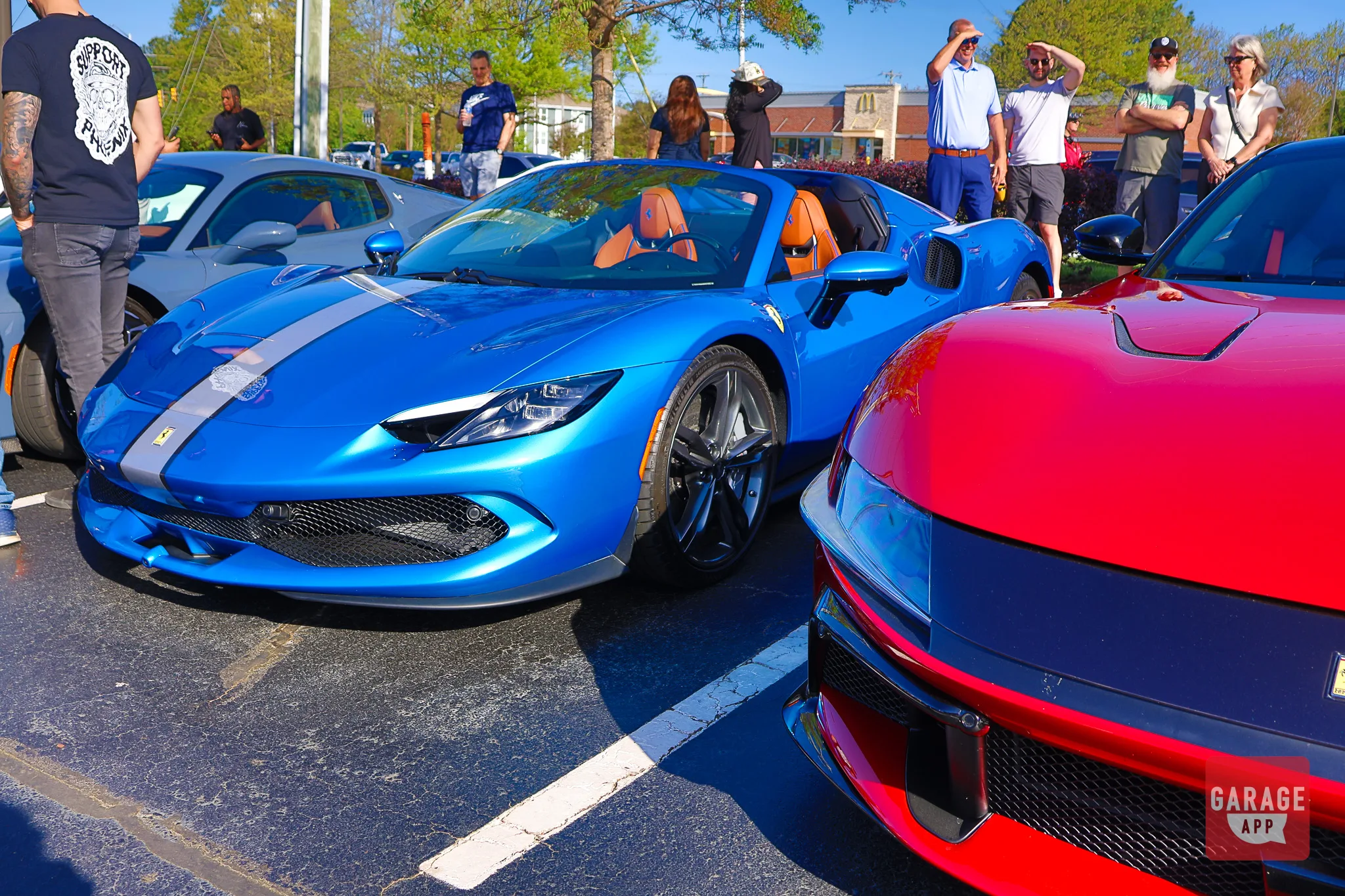
People assume price defines exotic. It doesn't. Price is downstream of everything we just covered. When you build a few hundred cars using bespoke carbon structures, hand-assembled engines, and motorsport-derived components, the cost per unit climbs regardless of margin. The price is a symptom of rarity and engineering, not the thing that creates exotic status.
You can prove this with counterexamples. Plenty of cars cost as much as a house and aren't exotic at all. A heavily optioned luxury SUV can outprice a genuine exotic while being built by the tens of thousands. Money buys you into premium. It doesn't buy you into exotic. That's set at the factory long before the sticker gets printed.
How Some Exotics Become Classics (and Others Don't)
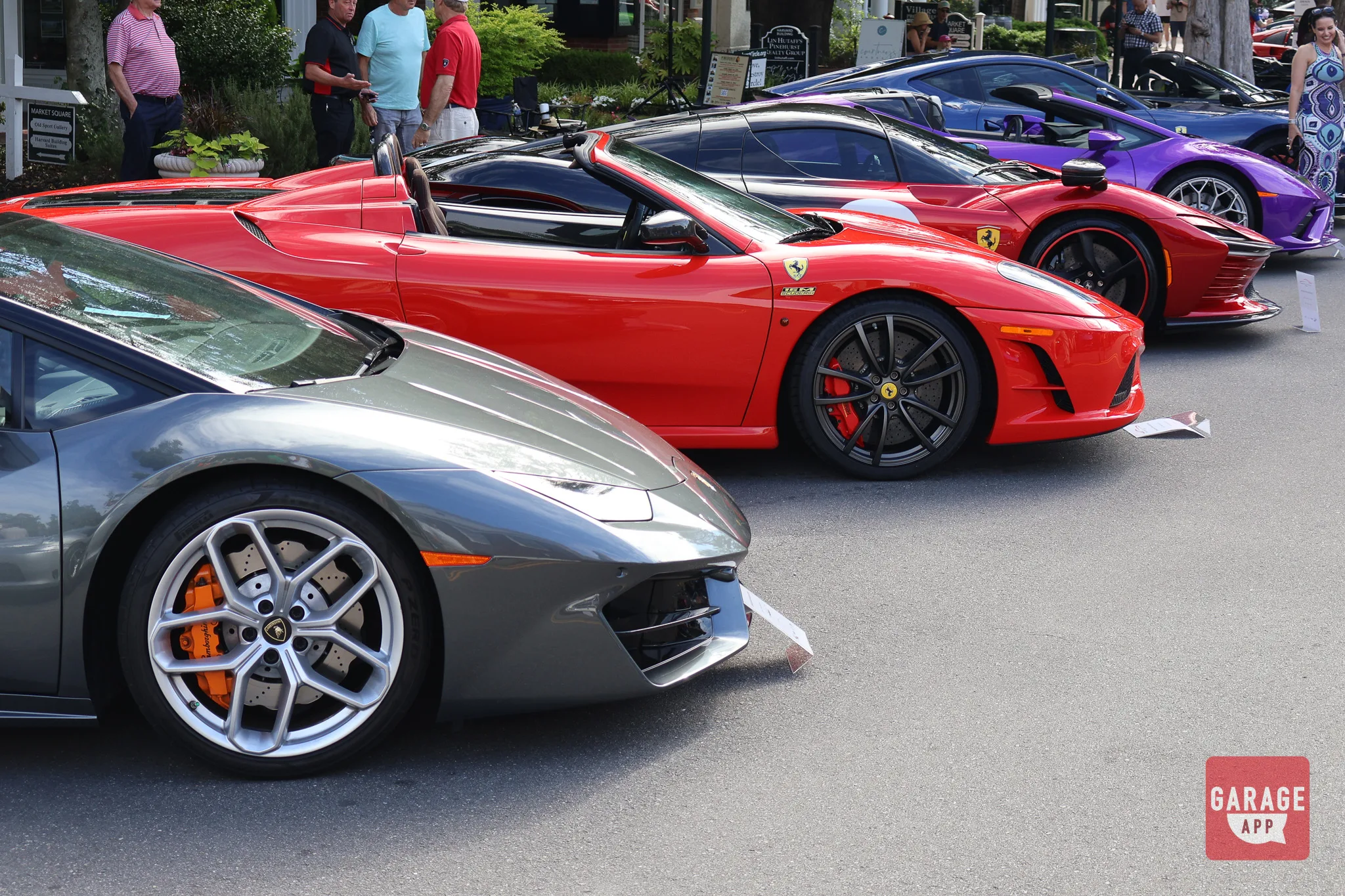
Here's where the two categories finally meet. An exotic can also become a classic, but that second title still has to be earned over time. Being born exotic gives a car a head start, not a guarantee.
Three things drive the crossover. Cultural relevance is the big one. A car has to lodge itself in the collective memory, whether through a poster on a teenager's wall, a racing win, or a defining role in an era. The F40 did it. Plenty of forgotten limited-run exotics did not, despite ticking every technical box. Time does the slow work of sorting the meaningful from the merely expensive.
Provenance is the third lever, and it's the one owners can actually influence. A documented history, verified ownership chain, and complete records separate a car that appreciates into classic status from one that stalls. We go deep on this in our guide to why documentation and provenance matter. The exotics that become classics are almost always the ones with a paper trail as clean as their bodywork.
What This Means for Owners
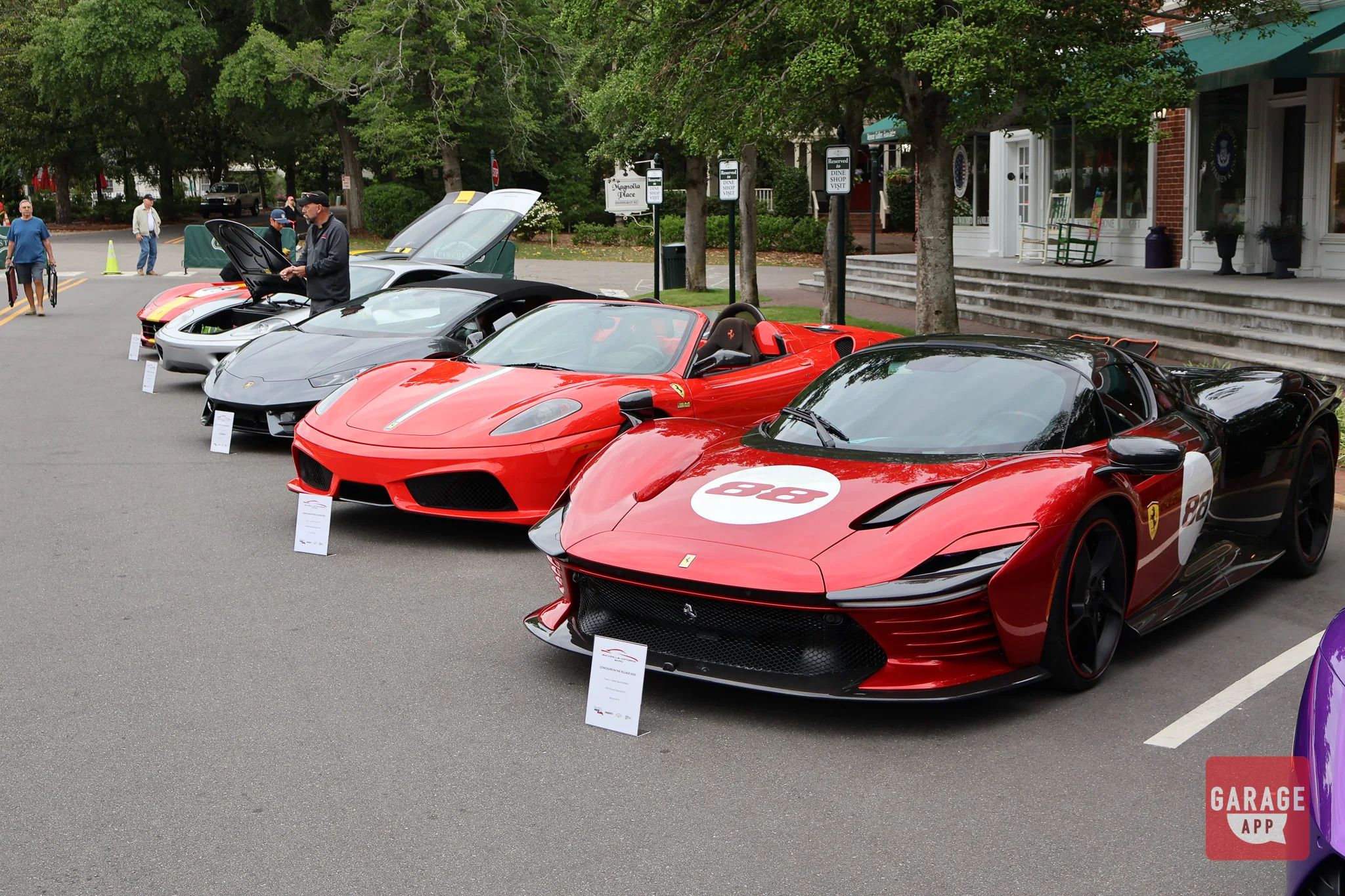
Owning an exotic is a different sport than owning a fast car. The same traits that define the category, rarity and bespoke engineering, become the daily reality of living with one. If you want the wider picture of how exotic ownership fits alongside classics and collectibles, our Classic, Exotic, and Collector Vehicles owner's guide pulls the whole ownership journey together in one place.
Parts Scarcity and Specialized Service
When only a few hundred of something exist, so do the parts. Some components are made in single batches and then never again. Service isn't a matter of driving to any shop. You need specialists who understand a specific platform, sometimes the only people in a region qualified to touch it. Wait times can stretch, and a routine job on an ordinary car becomes a scheduled event on an exotic. Owners of cars like the Spyker C8 know exactly how small the support network can be.
Documentation and Value
Because provenance drives long-term value, record keeping stops being optional. Every service, every modification, every mile matters to the next buyer and to any appraisal. This is one area where technology quietly helps. A Virtual Garage inside GarageApp lets you keep photos, specs, mods, and service history in one place, which is exactly the kind of organized record that supports a car's story over time. GarageApp is built as a geo-location-first network for enthusiasts, so alongside tracking your car you can find nearby owners by make, model, year, and trim, discover local Cars and Coffee meets, and even generate driving routes with CarPlay and Android Auto support.
Connecting with other owners isn't just social. It's how you find the right specialist, the trustworthy parts source, and the community knowledge that protects your investment.