

A Farewell to Ferrari's Naturally Aspirated V8 Golden Age
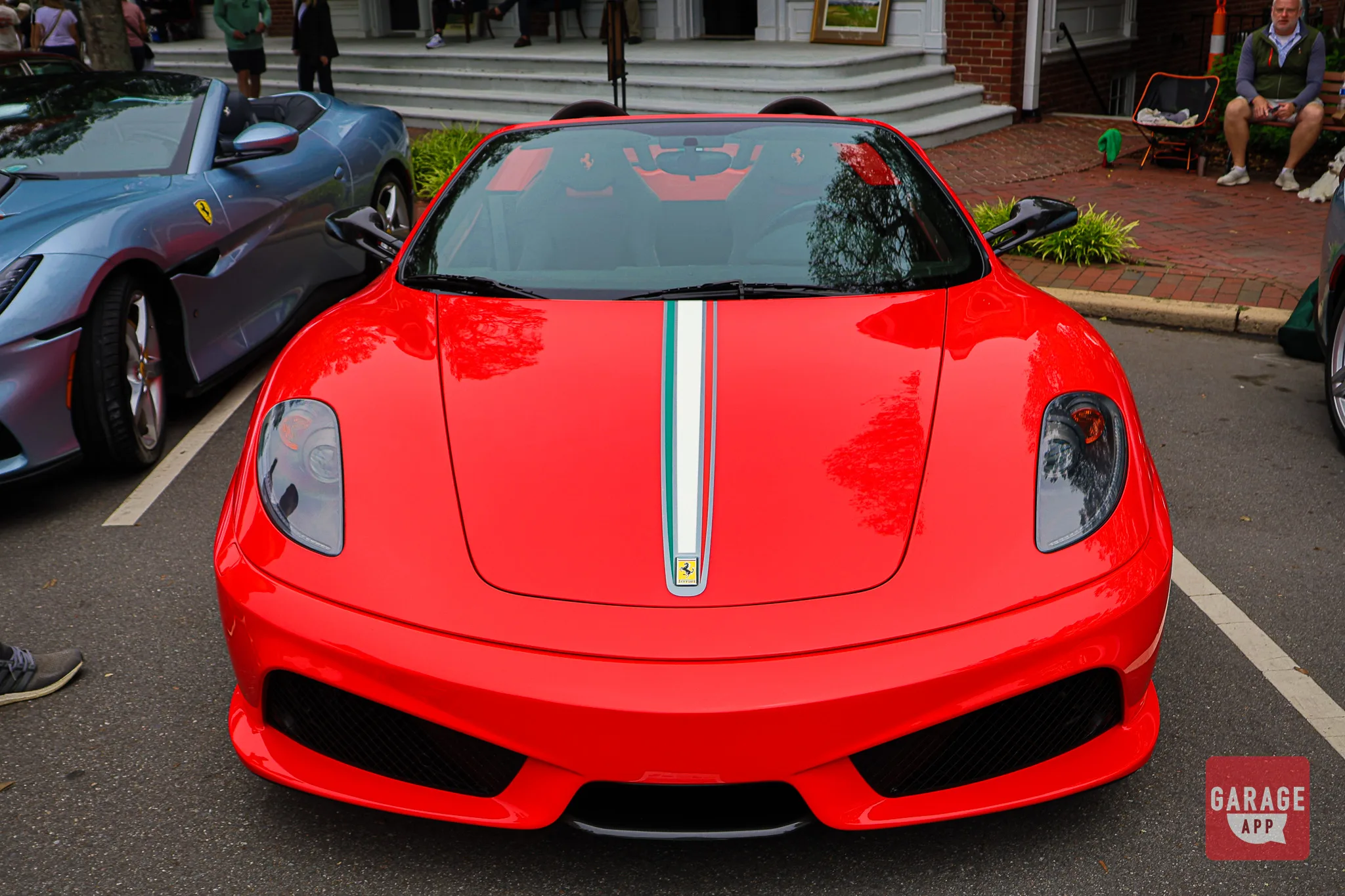
The 2009 Ferrari F430 Scuderia Spider 16M feels less like a product and more like a statement. Built to celebrate Ferrari's 16th Formula 1 Constructors' Championship, it distilled everything Maranello learned during the F430 era into a limited-production open-top supercar many now regard as the last truly analog Ferrari V8.
Only 499 examples were produced, instantly placing the Ferrari 16M among the era's most collectible cars. It took the ferocious hardtop Ferrari F430 Scuderia, chopped the roof, and kept almost all of the coupe's focus. The result sounds like a race engine, steers like a scalpel, and delivers a driving experience turbocharged and hybrid supercars cannot replicate. This guide covers its history, engineering, performance, legacy, and the realities of ownership.
The History Behind the 16M Name
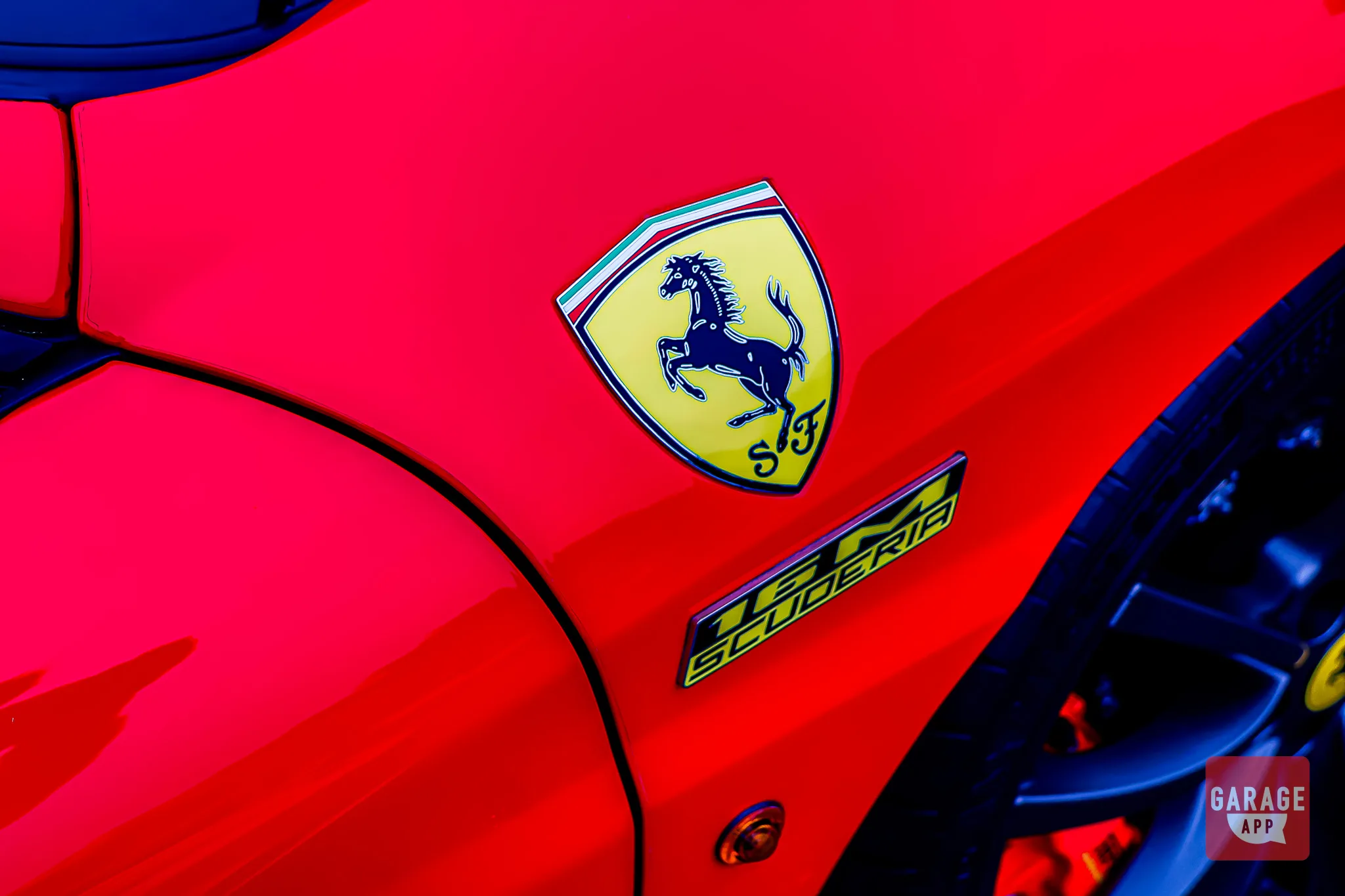
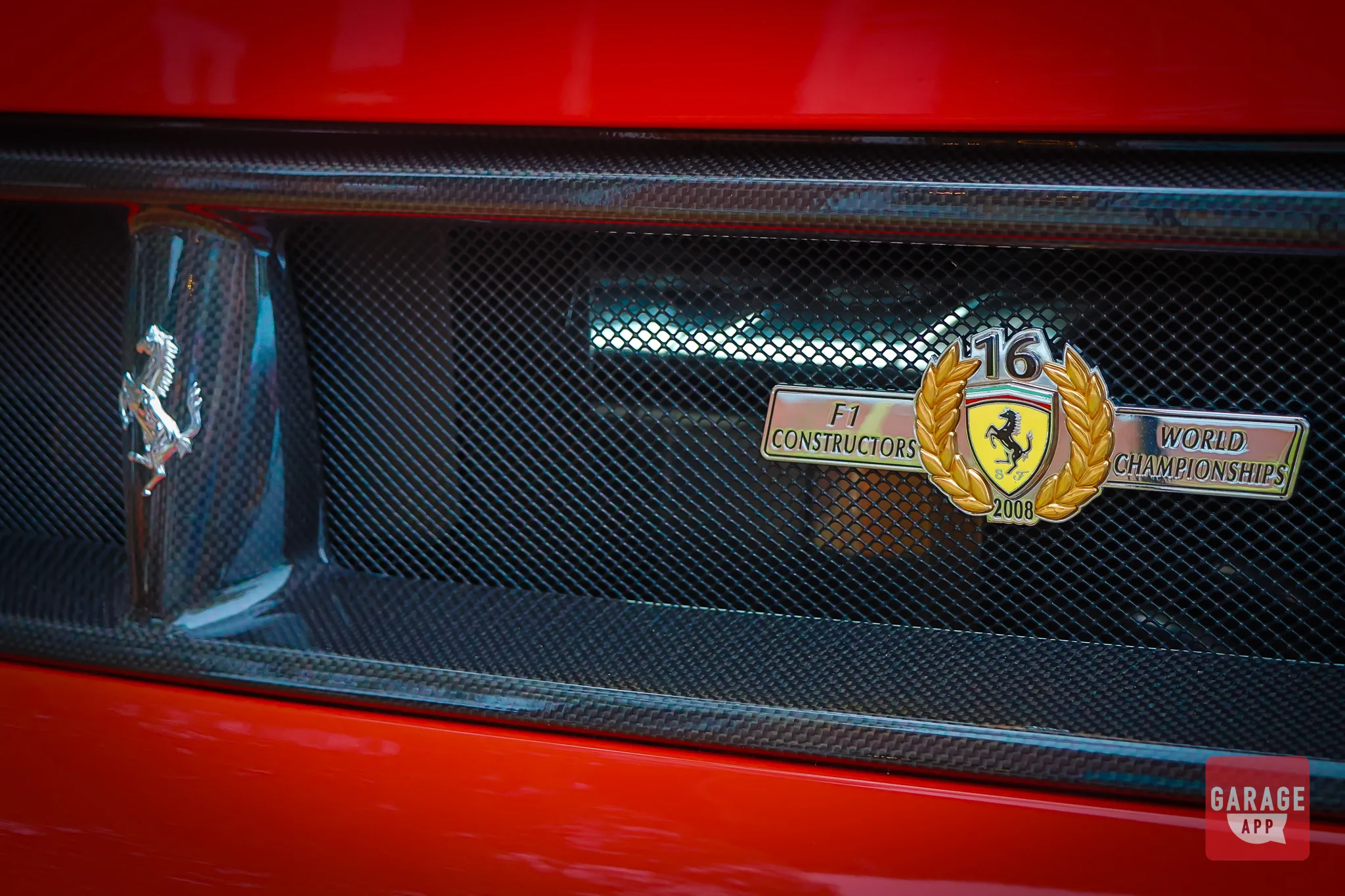
Ferrari has a long tradition of building special editions to mark Formula 1 success, and the 16M is one of the cleanest examples. The badge refers to the 16 Constructors' Championships Ferrari had won by the end of 2008, with the M standing for Mondiale, the Italian word for World Championship. It debuted at Mugello during Ferrari's 2008 World Finals, unveiled to Ferrari Club members before reaching the public. This was not a car chasing mass appeal. It was a reward for devoted collectors, many of whom already owned an F430 Scuderia coupe and wanted the open-air version.
Where It Fits in the F430 Family
The standard F430 arrived in 2004 as successor to the 360 Modena. Ferrari sharpened it into the track-focused F430 Scuderia in 2007, developed with input from Michael Schumacher. The 16M is essentially the Spider version of that Scuderia, closing out the F430 lineage before the 458 Italia moved the range toward a more digital, turbocharged future. Think of it as the exclamation point at the end of a remarkable chapter.
When comparing 16M examples, always confirm the numbered dashboard plaque and matching documentation. With only 499 built, provenance and a complete history file have an outsized effect on value.
Design and Aerodynamics
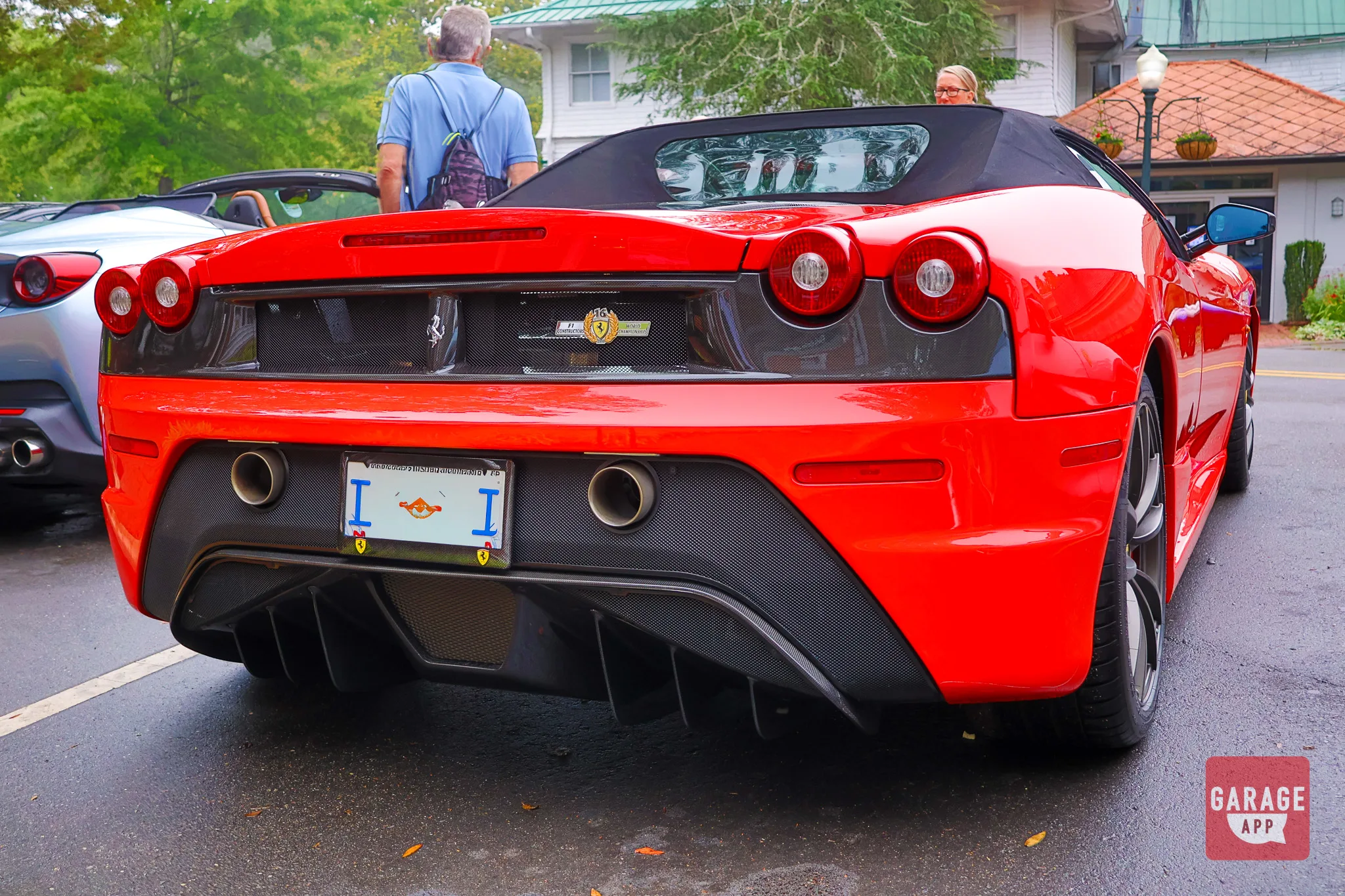
The 16M wears its intentions openly. Over a regular F430 Spider it gains the Scuderia's aggressive front bumper, reprofiled diffuser, and improved airflow, plus lightweight forged wheels and the striking twin-stripe livery associated with the model. Inside, the theme is subtraction. Carbon fiber replaces leather across the doors, console, and cabin, carbon-shell racing seats hold you in place, and Ferrari deleted sound insulation and comfort features to save weight. Formula 1-style LED shift lights sit atop the steering wheel.
The Folding Hardtop That Should Not Work
Rather than a heavy folding metal roof, the 16M uses a lightweight two-piece aluminum top that stows quickly and adds surprisingly little mass. That is why the Spider stays so close to the coupe's dynamic sharpness. Most convertibles pay a steep penalty in rigidity and weight. The 16M pays a remarkably small one.
The Heart of the Matter: A Naturally Aspirated Ferrari V8
The soul of the 16M is its 4.3-liter naturally aspirated Ferrari V8, producing around 503 horsepower at a screaming 8,500 rpm, the most powerful V8 in a Ferrari road car at the time. No turbocharger, no supercharger, no electric assistance. Just displacement, revs, and a flat-plane crank that gives the engine its unmistakable metallic shriek. When Ferrari moved to twin-turbo power with the 488, it gained torque and efficiency but lost the linear, high-revving delivery of this era, which is exactly why enthusiasts still compare the 16M to newer V12 grand tourers and earlier icons like the F355 or the legendary Ferrari F40.
The 16M does not merely go fast. It sings while it does it, and the song is one modern Ferraris can no longer perform.
A common sentiment among longtime Ferrari owners
The F1 SuperFast Gearbox
The 16M uses Ferrari's F1 SuperFast single-clutch automated manual, delivering shifts in as little as 60 milliseconds at launch. It is not a modern dual-clutch, and that is part of the charm. Shifts are sharp, mechanical, and a little dramatic, punctuating hard driving with an aggressive shove in the back. Some owners prefer its raw feel over the smoother units that followed.
The F1 SuperFast clutch is a wear item. Before buying, ask for a clutch percentage reading from a Ferrari specialist and factor any replacement cost into your offer.
Performance and Driving Experience
The 16M sprints from zero to 60 mph in roughly 3.6 seconds and tops out near 196 mph, but raw figures undersell it. This is a car defined by feel.
- Steering that is quick, communicative, and almost telepathic on a good road.
- E-Diff and F1-Trac traction systems developed directly from Ferrari's F1 program.
- Carbon-ceramic brakes that resist fade lap after lap.
- A soundtrack that ranks among the greatest of any road car.
The manettino dial sharpens throttle, gearbox, and stability systems on the fly. In aggressive settings the 16M becomes a serious performance tool, yet it never feels intimidating. It rewards commitment, which makes it a compelling companion on a great mountain road.
Key Specifications at a Glance
- Engine: 4.3L naturally aspirated flat-plane V8.
- Power: approximately 503 hp at 8,500 rpm.
- Transmission: F1 SuperFast automated single-clutch, six speeds.
- 0-60 mph: roughly 3.6 seconds.
- Top speed: approximately 196 mph.
- Production: 499 units worldwide.
- Body style: two-seat convertible with lightweight aluminum folding hardtop.
Ferrari's obsession with weight reduction shows everywhere. Compared to a standard F430 Spider, engineers stripped close to 200 pounds through carbon fiber trim, lighter wheels, thinner glass, and deleted comfort equipment. The E-Diff and F1-Trac systems that put power down cleanly out of corners trace through later grand tourers like the 612 Scaglietti and back to earlier icons such as the Dino 246 GT, which is why the 16M feels like a culmination rather than an outlier.
Legacy: Why the 16M Still Matters
Since release, the 16M has steadily climbed in collector estimation. Its rarity, championship significance, and irreplaceable naturally aspirated V8 secure its place among the most desirable modern Ferrari collector cars. As the industry moves toward electrification and forced induction, cars that sit at the exact moment before technology began filtering the driving experience only grow more special. You feel connected to everything, from the road surface to the engine's rising crescendo.
Ownership Insights
These cars respond well to regular use and consistent servicing. Annual maintenance with a Ferrari specialist, careful attention to the F1 clutch, and monitoring of the carbon-ceramic brakes keep a 16M healthy. Sticky interior components, a known F430-era issue where soft-touch coatings degrade, are worth inspecting closely, since a refreshed interior is a real cost.
Keep a meticulous service and ownership record. For rare Ferraris, documentation is not paperwork, it is value. A well-organized history file can meaningfully increase what a buyer will pay.
Documenting Your Ferrari the Right Way
Rather than scattering photos and receipts across social media and email, serious enthusiasts build a digital garage that keeps everything in one place. With GarageApp you can catalog photos, specifications, maintenance records, restoration history, concours awards, modifications, and memorable drives. A well-built digital car profile becomes a living record that follows the car through its life, and our guide to sharing your build story online walks through how to do it thoughtfully.
Why Rare Ferraris Belong at Car Events
A car like the 16M is not meant to hide under a cover forever. Owners bring rare Ferraris to Cars and Coffee, concours events, and club meetups for reasons far beyond showing off.
- Preserving history by letting people experience these machines in person.
- Connecting generations of enthusiasts, from kids seeing their first Ferrari to owners who remember the F430 launch.
- Inspiring future collectors who might one day chase their own dream car.
- Strengthening the community through shared passion and conversation.
There is something special about a naturally aspirated V8 firing up in a parking lot full of enthusiasts on an early weekend morning. These exotic car meets and local Cars and Coffee gatherings are where automotive culture actually lives. With GarageApp you can discover Ferrari events near you, connect with other owners, and turn ownership into a genuinely social experience.
New to the scene? Read up on Cars and Coffee etiquette before your first event. Knowing the unwritten rules makes it smoother, especially when arriving in something as attention-grabbing as a 16M.
Final Thoughts
The 2009 Ferrari F430 Scuderia Spider 16M is more than a limited edition. It is a farewell letter to an era of Ferrari engineering built around revs, feel, and the glorious noise of a naturally aspirated V8, a rare intersection of rarity, significance, and pure driving joy. If you own one, drive it, document it, and share its story. If you are still dreaming, keep learning, keep attending meets, and keep building toward the day it becomes yours.
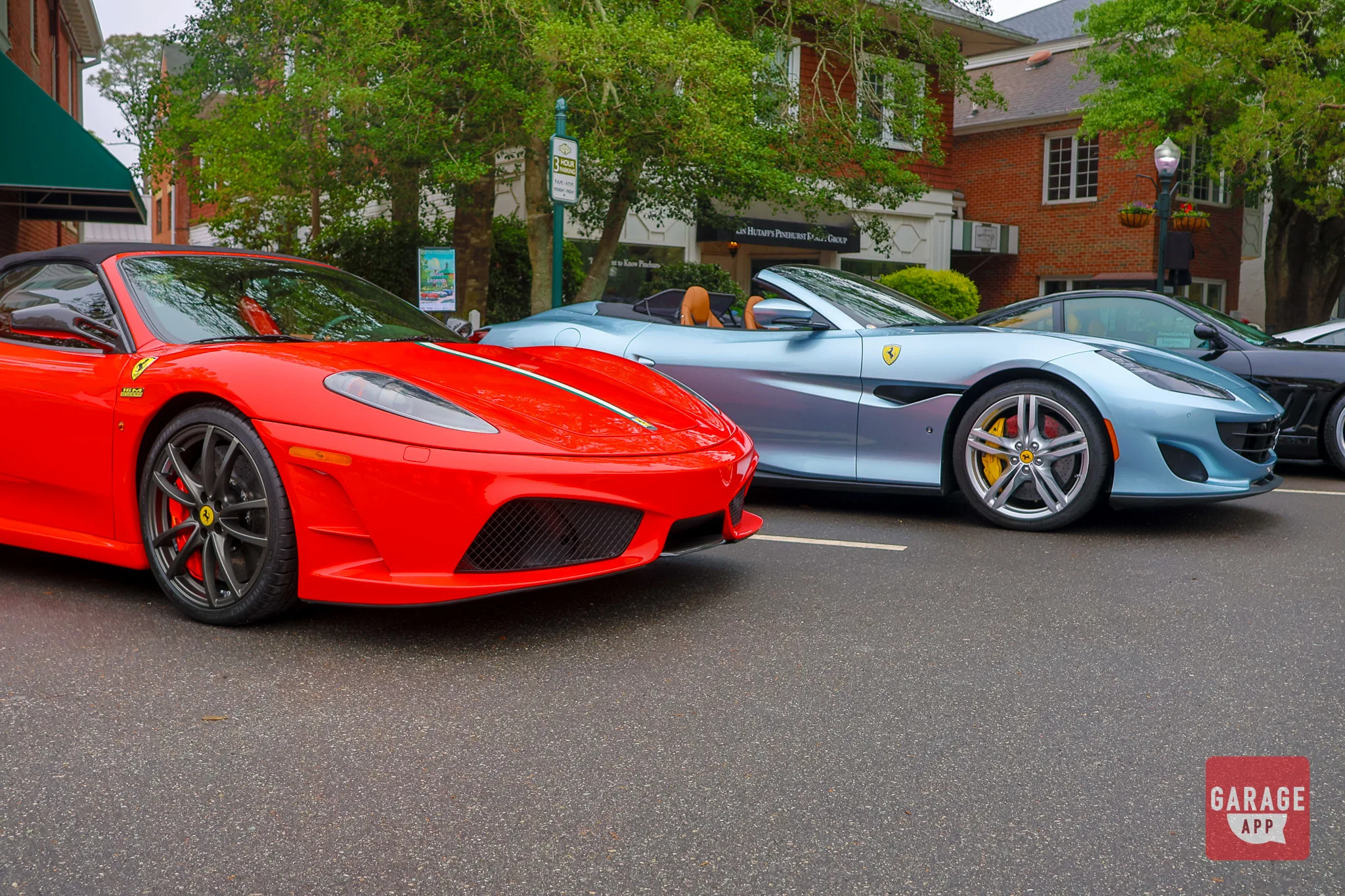
This particular 16M turned heads in person at the Sandhills Motoring Expo, and that is exactly where a car like this belongs. Events like the Expo are the perfect stage for a rare naturally aspirated Ferrari, letting enthusiasts hear that flat-plane V8 in the open air and appreciate the details up close, which is a far better fate than a quiet life under a cover.