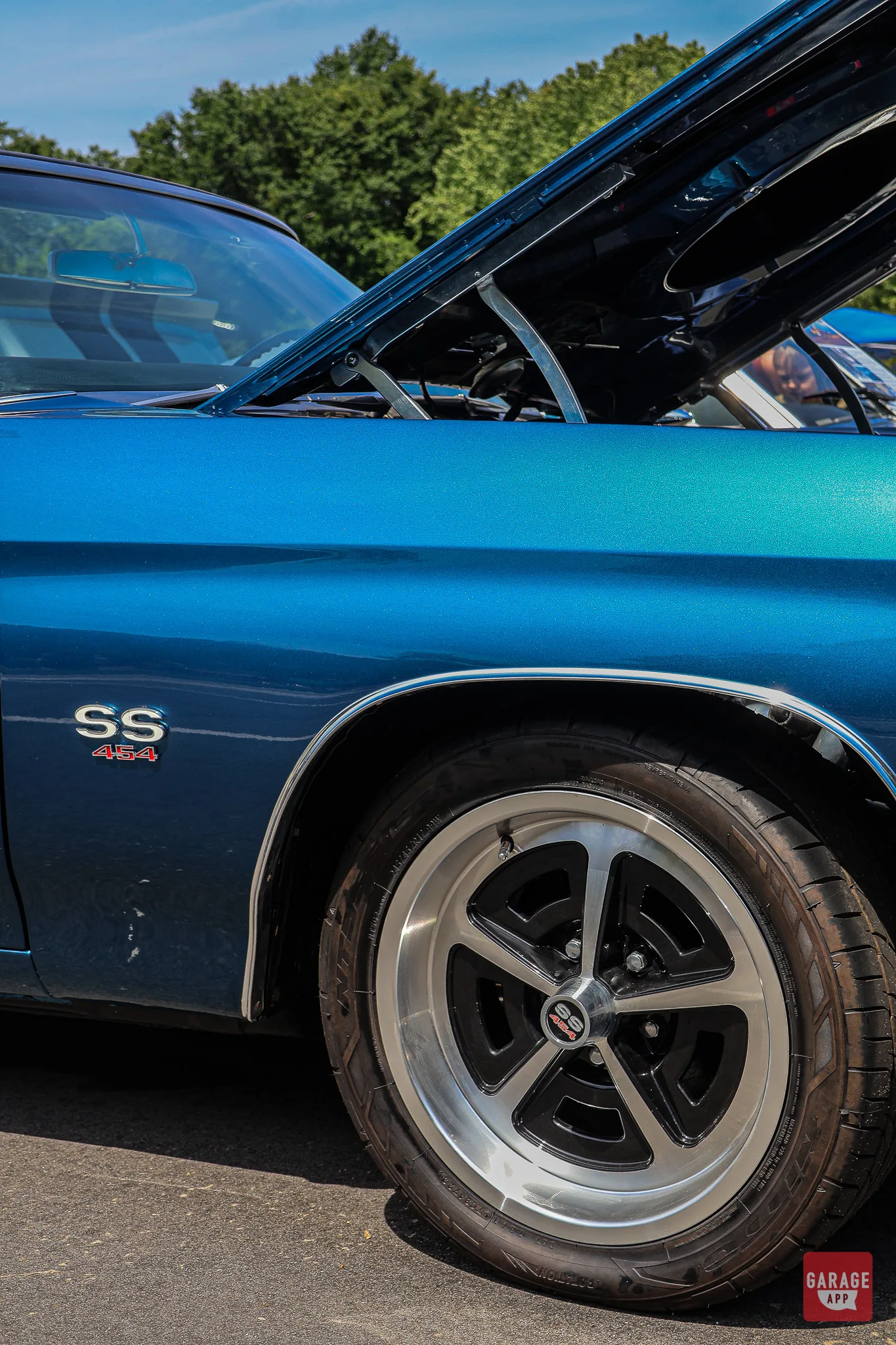

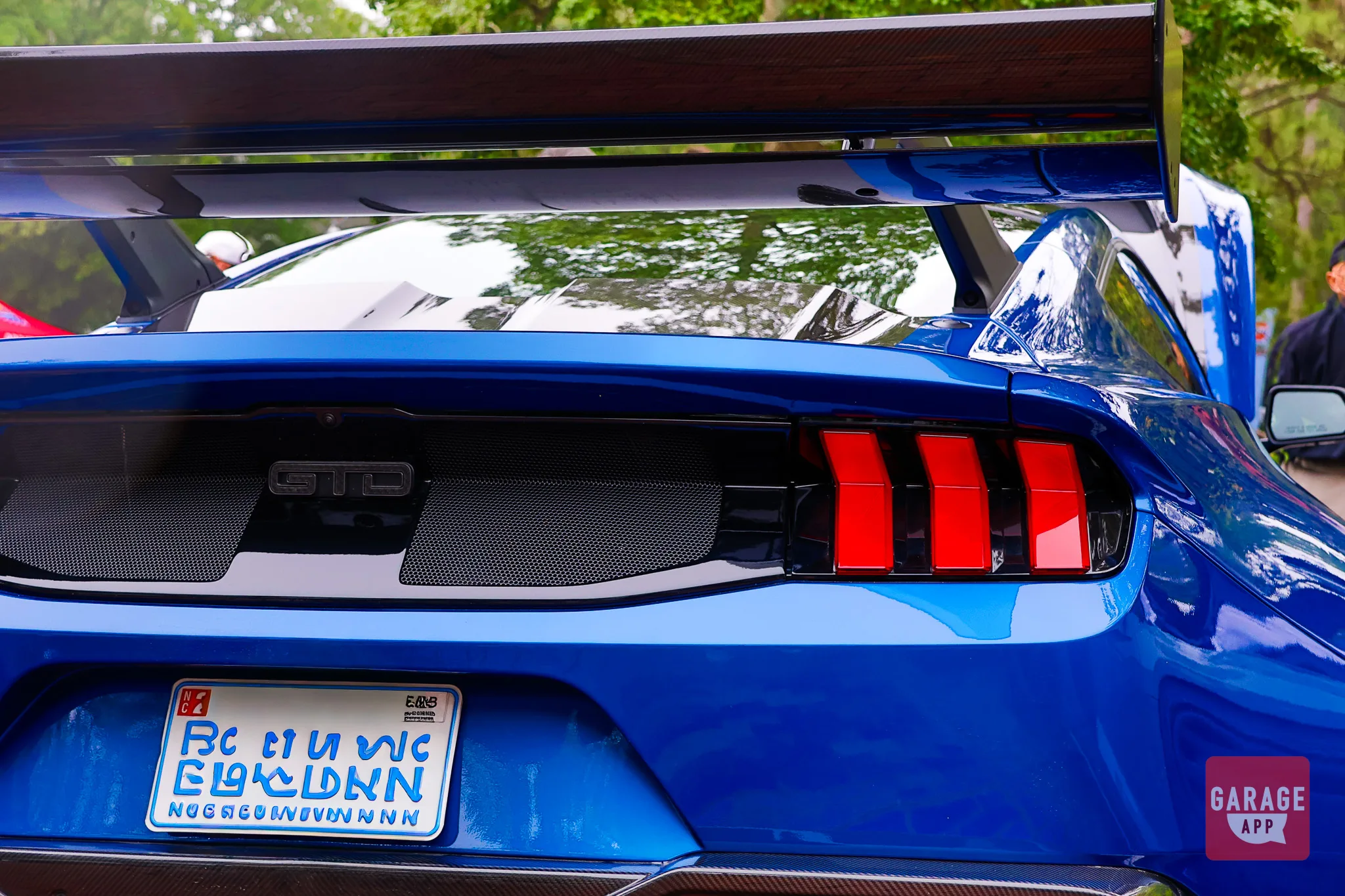
Few debates get an enthusiast fired up faster than classic versus modern muscle. On one side you have thundering big blocks, chrome bumpers, and the raw attitude of the golden era. On the other you have supercharged monsters cranking out horsepower numbers that would have seemed like science fiction in 1970. Both camps are convinced they own the true spirit of American performance. So which era actually reigns supreme? Let's break it down honestly, category by category, and see where the truth really lives.
Defining the Two Eras
Before we start swinging, we need to agree on what we're comparing. The classic muscle car era runs roughly from 1964 to 1974, kicked off by the Pontiac GTO and defined by cars like the Chevelle SS, the Plymouth Road Runner, the Dodge Charger, and the first-generation Mustang and Camaro. The formula was simple: take a mid-size body, drop in the biggest V8 you can find, and sell it to young buyers for cheap.
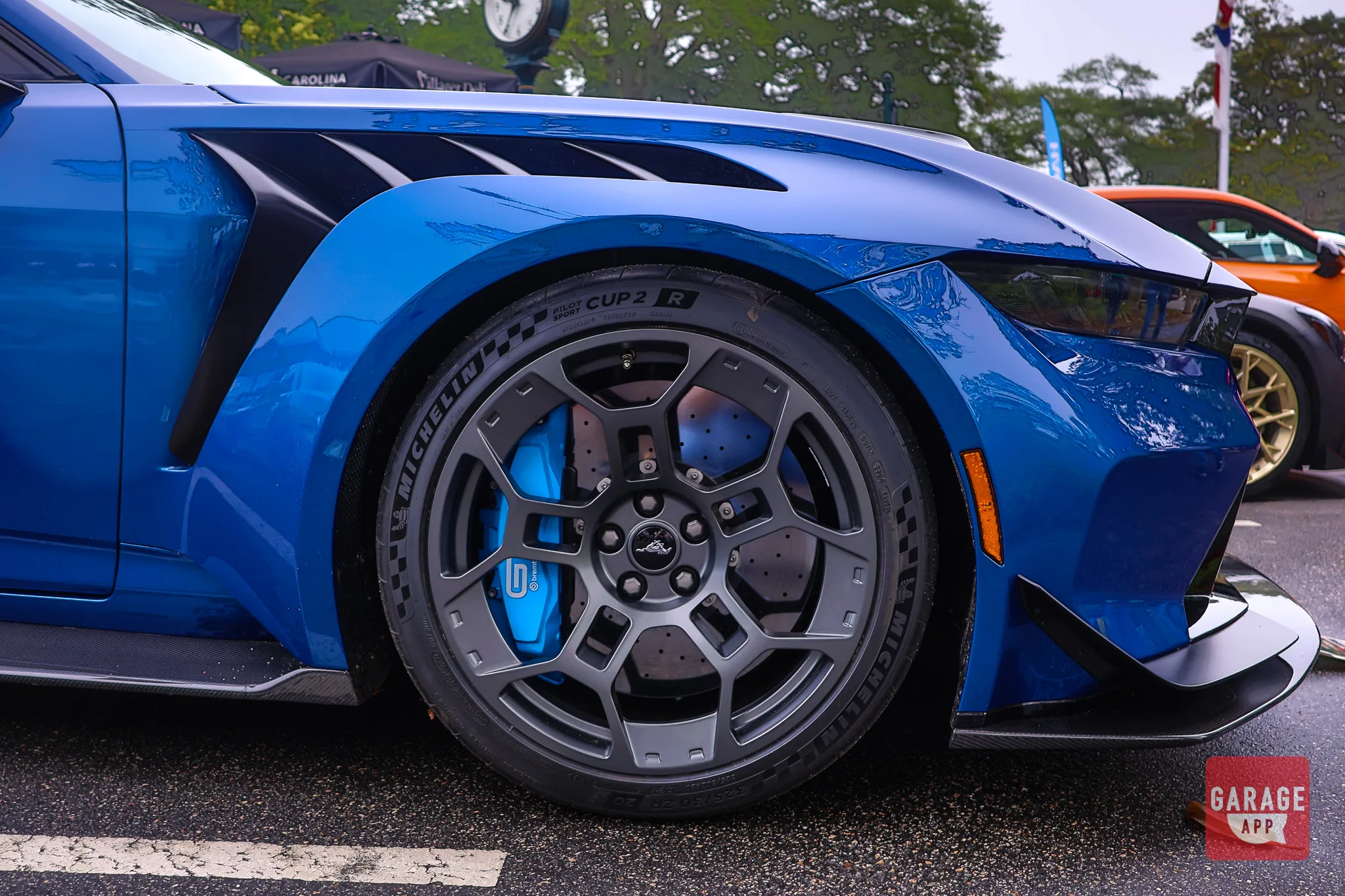
Modern muscle picks up in the mid-2000s, when Dodge relaunched the Challenger, Ford kept the Mustang evolving, and Chevy brought back the Camaro. Today these cars pack forced induction, adaptive suspension, launch control, and interiors that would embarrass a luxury sedan from twenty years ago. If you want a perfect example of how far things have come, look at the 2025 Ford Mustang GTD, a street-legal race car that borrows technology straight from the GT3 program.
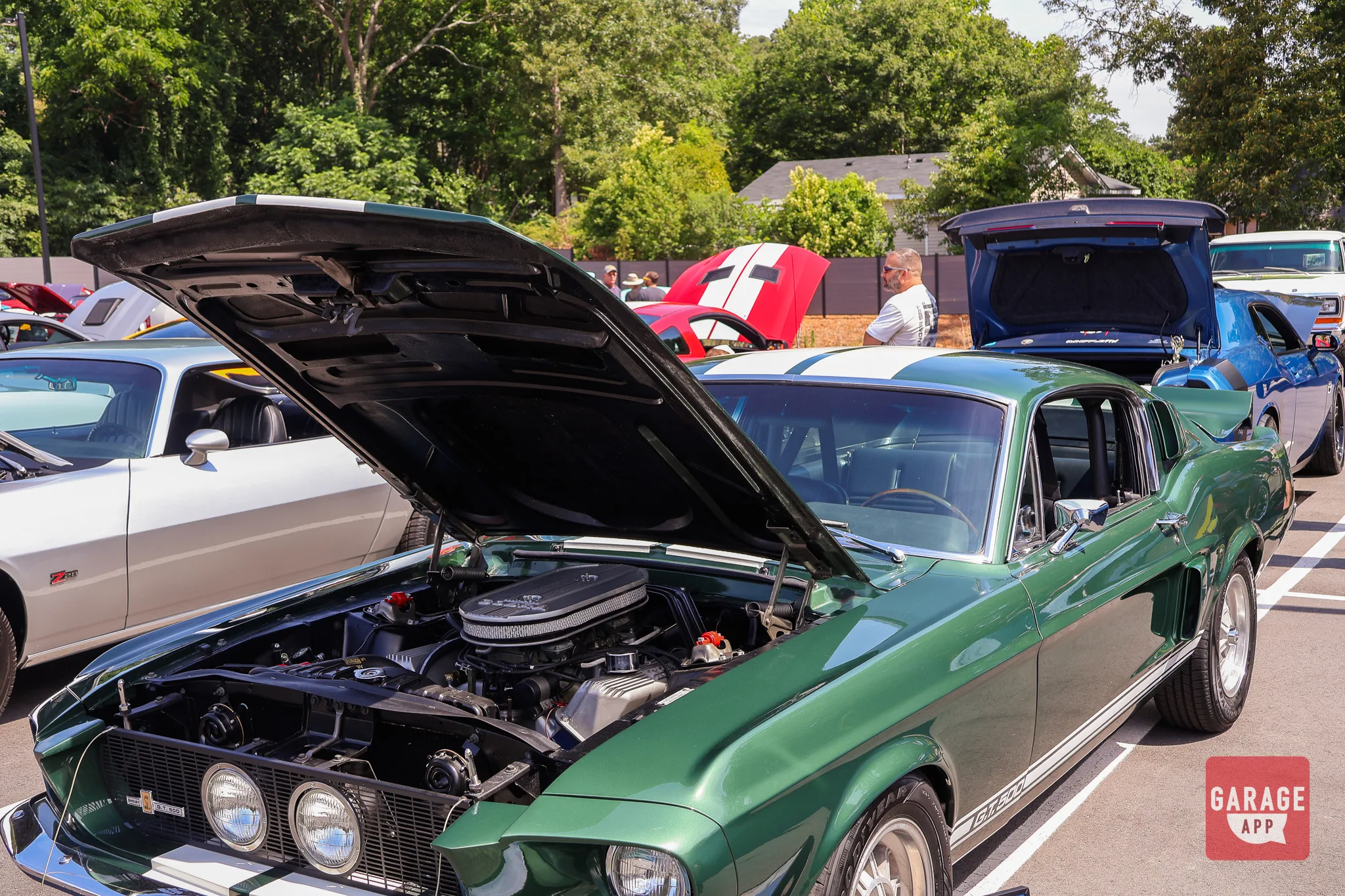
When you catalog your own builds, note the exact drivetrain and factory options. Original numbers-matching classics and limited modern editions both carry serious value, and the details are easy to forget years later.
Horsepower: Then vs Now
This is where the numbers get funny. Back in the day, manufacturers advertised gross horsepower, measured without accessories, exhaust, or real-world losses. A 1970 Chevelle SS 454 with the LS6 was rated at 450 gross horsepower, and that number was genuinely wild for its time. But that same engine measured by today's net standards would land significantly lower.
The Modern Advantage
A base Dodge Challenger R/T today makes more usable, reliable power than most legendary big blocks ever did, and it does it while passing emissions and returning tolerable fuel economy. Climb up the ladder and it gets absurd. The Hellcat family starts at 717 horsepower and the Demon 170 crossed the 1,000 mark on the right fuel. No classic muscle car, in stock trim, comes anywhere close.
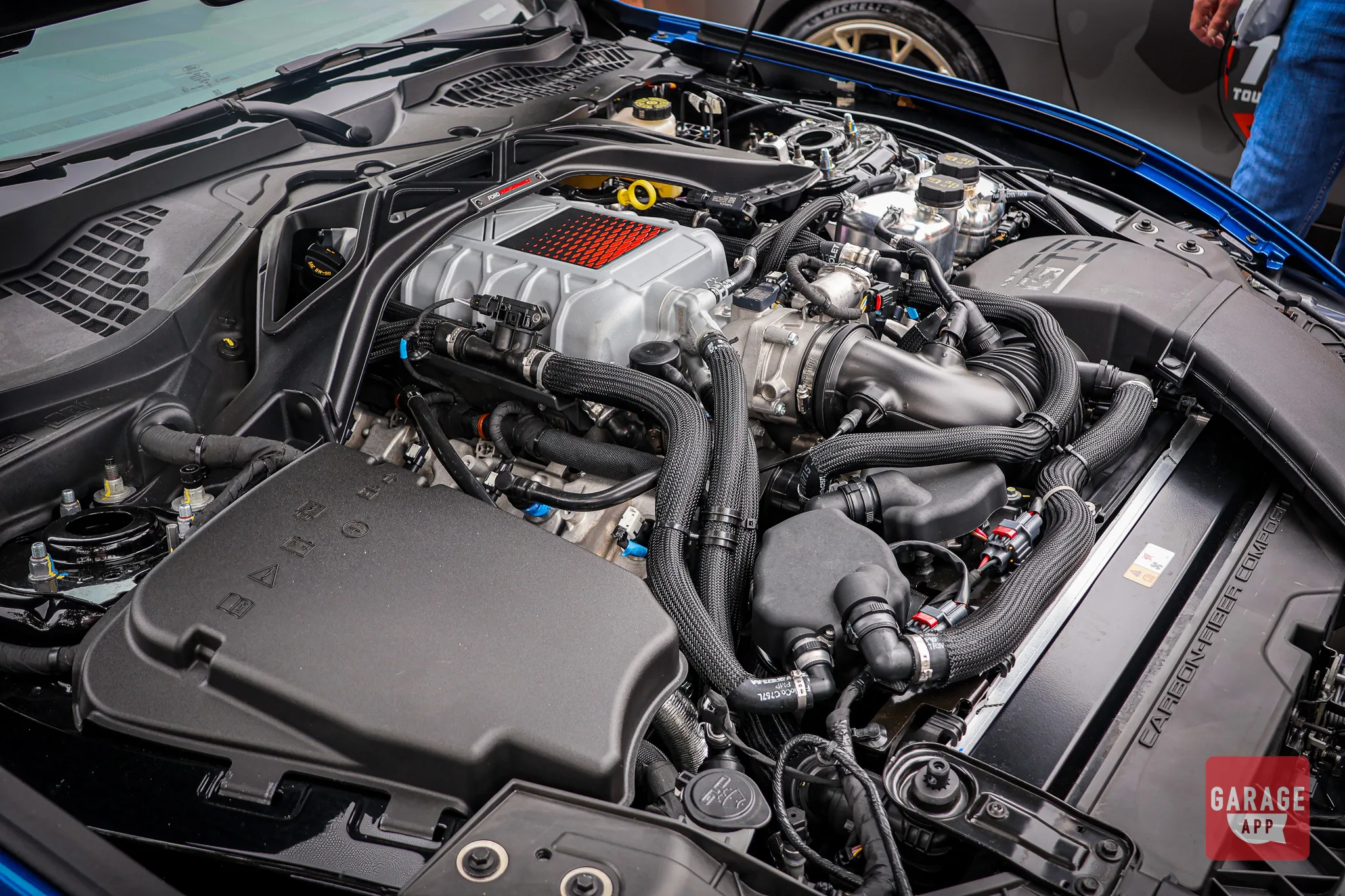
- 1970 Chevelle SS 454 LS6: 450 gross hp (roughly 380 net).
- 1968 Shelby GT500: 360 gross hp.
- 2025 Mustang Dark Horse: 500 net hp.
- Challenger SRT Hellcat Redeye: 797 net hp.
- Challenger SRT Demon 170: over 1,000 hp on E85.
The takeaway is clear. If raw, repeatable, factory-warrantied power is your yardstick, modern muscle wins in a landslide. The golden era gave us the myth. The current era gives us the numbers.
Handling and Real-World Driving
Straight-line bragging rights are one thing. Actually driving these cars is another. Classic muscle cars were built for the drag strip and the boulevard, not the canyon road. Leaf-spring rear suspension, recirculating-ball steering, drum brakes on many models, and skinny tires meant that pushing one hard through a corner was an act of faith and physical labor.
A classic muscle car makes you feel like a hero at forty miles an hour. A modern one makes you a hero at a hundred and forty and you barely break a sweat.
A longtime drag racer turned track junkie
Modern muscle cars corner, brake, and stop with a competence that would have been unthinkable in 1970. Multi-link rear suspension, massive Brembo brakes, sticky performance rubber, and electronic stability control mean a stock Camaro SS or Mustang GT can embarrass exotic cars from just a couple decades ago on a road course. If you are curious about pushing a car like that near its limits, our beginner's guide to your first track day is a great starting point.
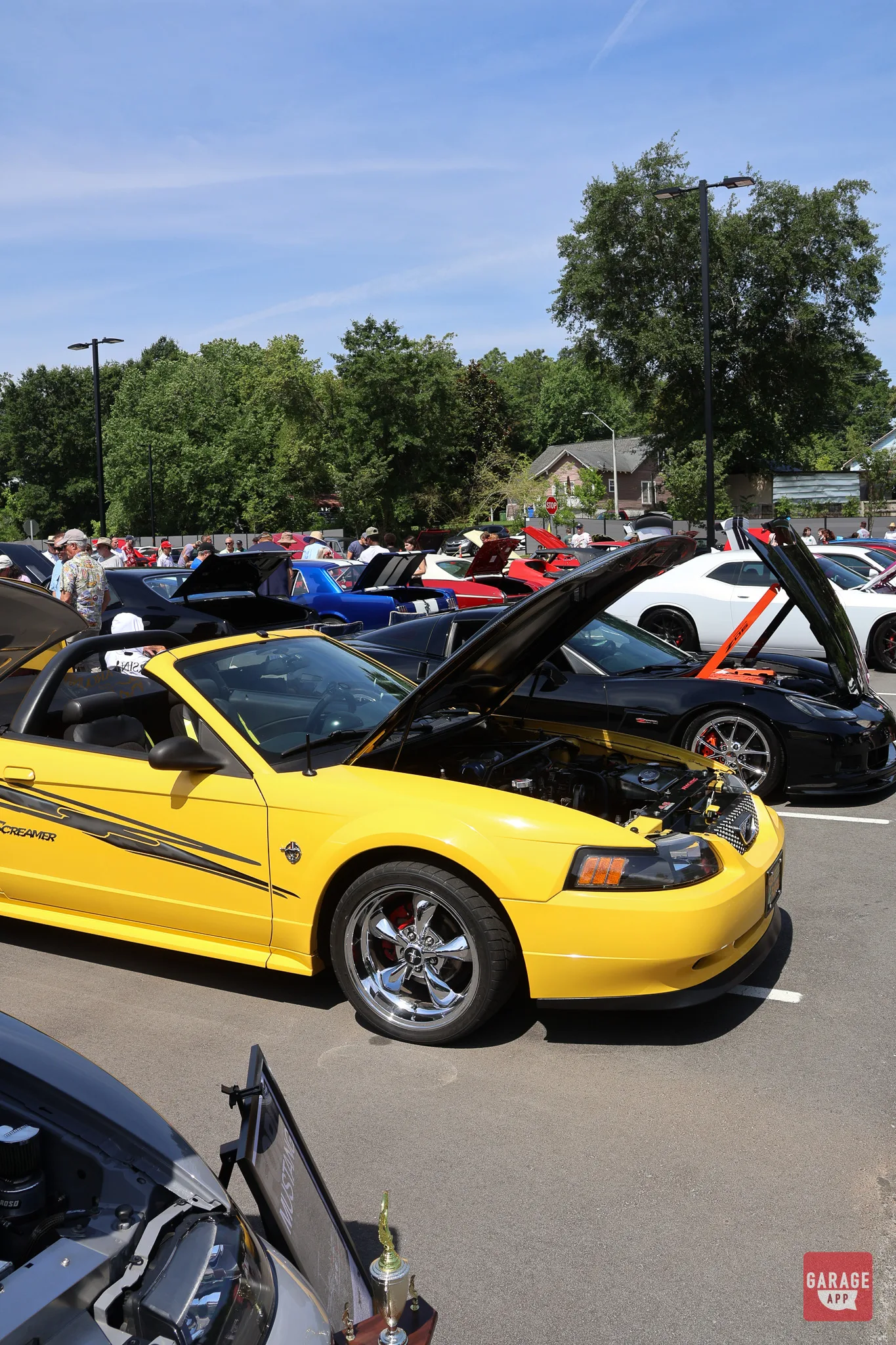
If you own a classic and want to actually enjoy the twisty stuff, modern suspension and brake upgrades transform the experience without ruining the character. Many enthusiasts run a subtle restomod setup for exactly this reason.
Style and Presence
Here is where the classic camp starts winning points back. Design in the golden era was fearless. Long hoods, aggressive stances, hood scoops that meant something, and colors with names like Plum Crazy, Panther Pink, and Grabber Blue. A 1970 Dodge Charger or a fastback Mustang has a presence that stops conversations at any Cars and Coffee event in the country.
Modern Retro Design
Automakers know exactly how powerful that nostalgia is, which is why modern muscle leans so hard into retro cues. The Challenger stayed true to its 1970 shape for over a decade and became a cult favorite because of it. The Mustang and Camaro both borrow heavily from their heritage. But there is a difference between honoring a design and living inside one. Classics have authenticity that a reproduction, no matter how good, cannot fully replicate.
Modern cars do offer something classics never could: liveable comfort. Air conditioning that works, seats that support you, Bluetooth, backup cameras, and the ability to drive four hours without arriving sore and deaf. Whether that counts as a plus or a betrayal of the spirit depends entirely on who you ask.
Soul, Sound, and the Ownership Experience
This is the category that keeps the debate alive forever. Numbers can be measured. Soul cannot. A carbureted big block firing up on a cold morning, the smell of unburnt fuel, the lopey idle from a healthy cam, the way the whole car shudders and comes alive when you mash the throttle. That is a sensory experience modern cars, for all their brilliance, deliberately smooth away.
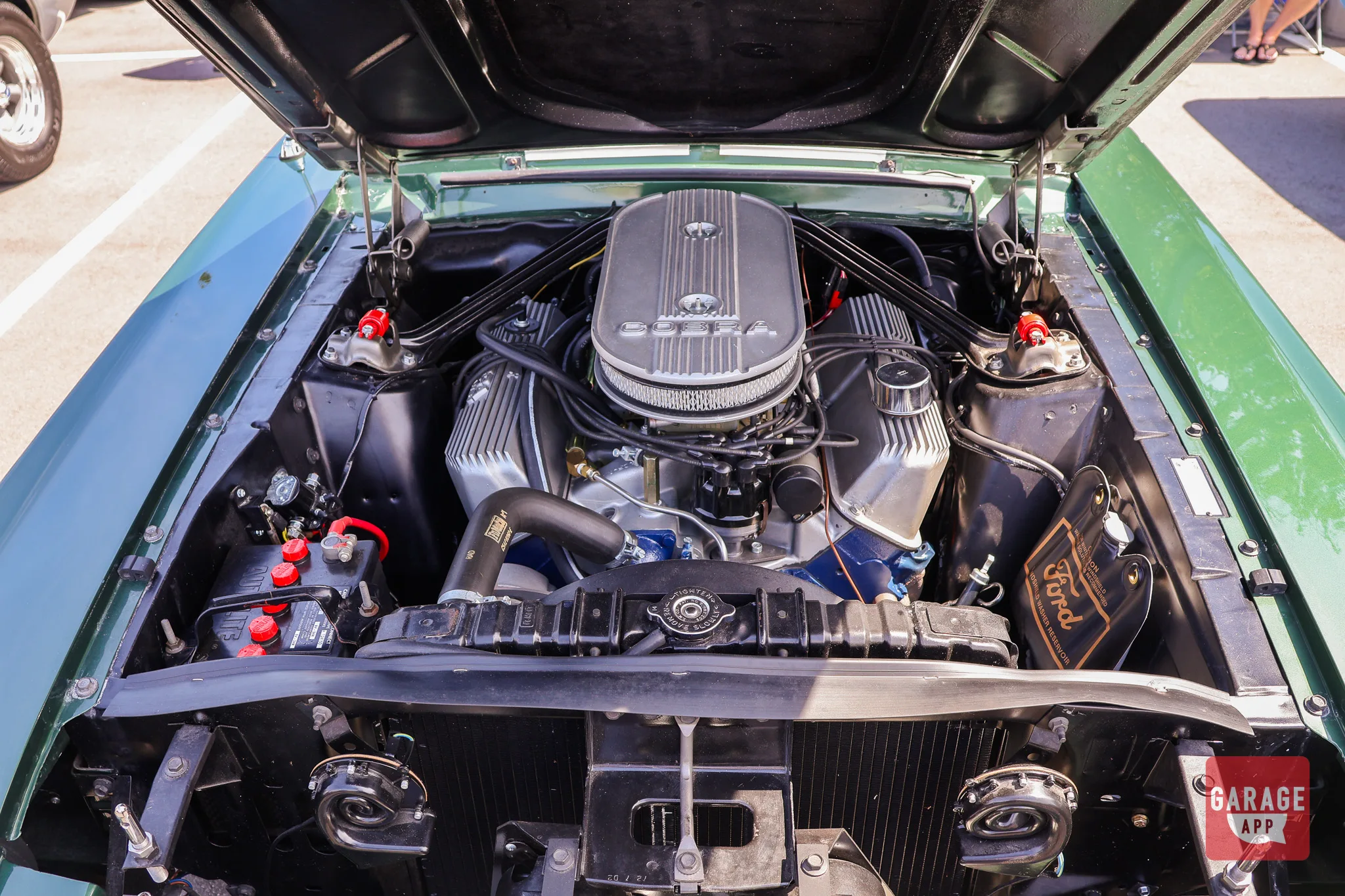
There is also the mechanical intimacy. A classic muscle car invites you into the engine bay. You can tune it, wrench on it, and understand every system with basic tools. Modern muscle is fast and reliable but increasingly sealed off, wrapped in electronics that require a laptop and dealer software to fully access. For a lot of enthusiasts, that hands-on connection is the entire point of the hobby. The broader story of that connection is something we dig into in our look at American muscle culture.
- Classics reward involvement. You maintain them, tune them, and know them intimately.
- Moderns reward usability. Turn the key, drive anywhere, and never worry about vapor lock in traffic.
- Classics appreciate. Clean examples have become serious investments.
- Moderns depreciate, then some become collectible. Limited runs like the Demon are already climbing.
It's worth remembering that owning a classic is a commitment. Parts hunting, occasional roadside troubleshooting, and a garage full of tools come with the territory. Modern muscle asks far less of you day to day, which is exactly why it appeals to buyers who want the look and the speed without the lifestyle.
Documenting your maintenance history matters for both eras. A well-kept log boosts resale value on a classic and helps track modifications and service on a modern build. Keeping it organized in GarageApp means it's always with you at the next show or sale.
So Which Era Wins?
Honestly, this is the wrong question, and any enthusiast who has spent real time with both will tell you the same thing. Modern muscle wins on performance, safety, reliability, and everyday usability. It is objectively the better machine in nearly every measurable way. Classic muscle wins on character, design authenticity, mechanical connection, and that intangible sense of occasion every single time you turn the key.
The best answer for most people is not either-or. It's owning both, or at least appreciating both. Drive the Hellcat when you want to demolish a track day or a road trip. Fire up the Chevelle when you want to feel something. The golden era built the legend and the modern era honors it with hardware the pioneers only dreamed about. That continuity, more than any horsepower figure, is what makes American muscle so special.
Whatever side of the fence you land on, the community around these cars is thriving. Whether you're comparing notes on a numbers-matching restoration or a fresh crate-motor build, connecting with other owners who speak the same language makes the hobby infinitely richer.
Keep Exploring
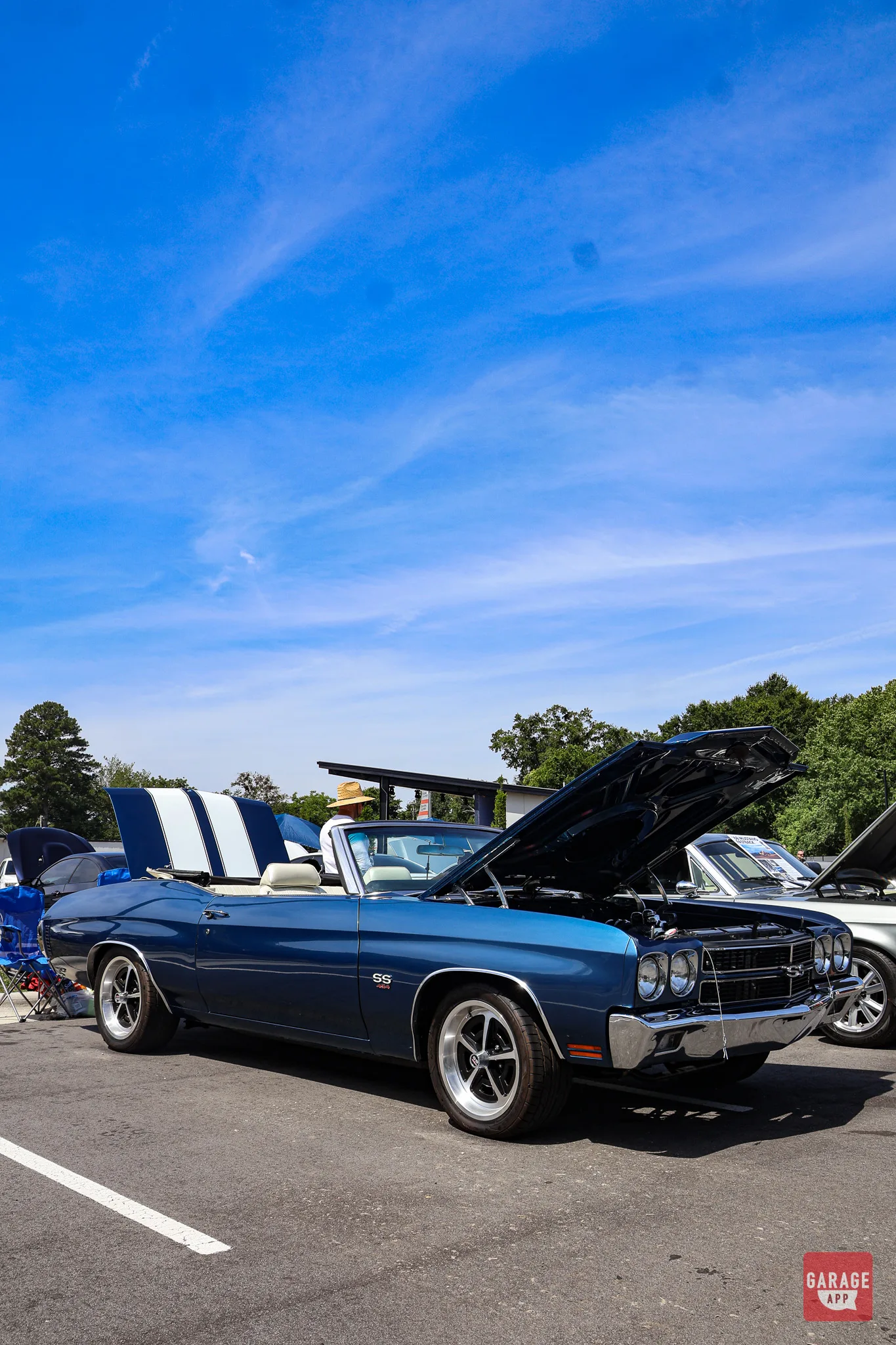
If this debate got you fired up, dig deeper into the machines and the culture. On the classic side, we broke down the 1970 Chevelle SS 454 convertible, the muscle king that anchors half the arguments in this article, and spotted a gorgeous 1968 Shelby GT500 at Fuquay-Varina Cars and Coffee. On the modern end, the 2025 Ford Mustang GTD shows just how far the street-legal race car has come.
The bigger picture lives in the community. Read our deep dive on American muscle culture and the reasons car meet culture is booming in 2026. When you're ready to get out there, learn how to find cars and coffee events near you, brush up on cars and coffee etiquette, and see how to find car events and meets near you this weekend.
Thinking about a build or a first serious purchase? Whether you go classic or modern, start by building your car profile and virtual garage to catalog every detail, explore smart classic car buys for 2026 if you're shopping on a budget, and check out the best first car mods for beginners before you touch a wrench.
However you land on the classic versus modern question, the hobby is better with other enthusiasts in it, and that's exactly what GarageApp is built for. It's a geo-location-first social network for car and motorcycle people, so you can find nearby owners by make, model, year, or trim, discover local car meets, Cars & Coffee runs, and cruises near you, and even see who's attending and what they're bringing before you show up. Build a Virtual Garage to showcase your Chevelle or your Hellcat with photos, specs, and build progress, join groups centered on your favorite brands, and connect with the people who speak the same language. It's a simple way to turn the debate into driveway conversations and lasting friendships.