

Overview
American muscle cars are more than fast machines with loud exhausts. They represent a moment when Detroit decided that raw power, bold styling, and everyday affordability could live under one hood. From the thunder of a big-block V8 at a stoplight to the shine of chrome at a Sunday morning meet, muscle car culture has grown into something that spans generations. This guide walks through where these cars came from, why icons like the Chevrolet Chevelle SS 454 and Shelby GT500 still stir emotion, and how the community keeps that legacy running strong.
Whether you already own a classic or you are just starting to catch the bug, understanding the history and the people behind these cars makes the whole thing richer. And if you want to keep track of your own journey, apps like GarageApp make it easy to document builds, log events, and connect with other enthusiasts.
The Birth of American Muscle
The muscle car formula was almost embarrassingly simple: take a midsize body, drop in the biggest V8 you can build, and price it so a working person could actually afford it. Most historians point to the 1964 Pontiac GTO as the car that kicked off the era, when engineers slipped a 389 into a Tempest and ignored the corporate rulebook about engine size. It sold far beyond expectations, and the rest of Detroit scrambled to catch up.
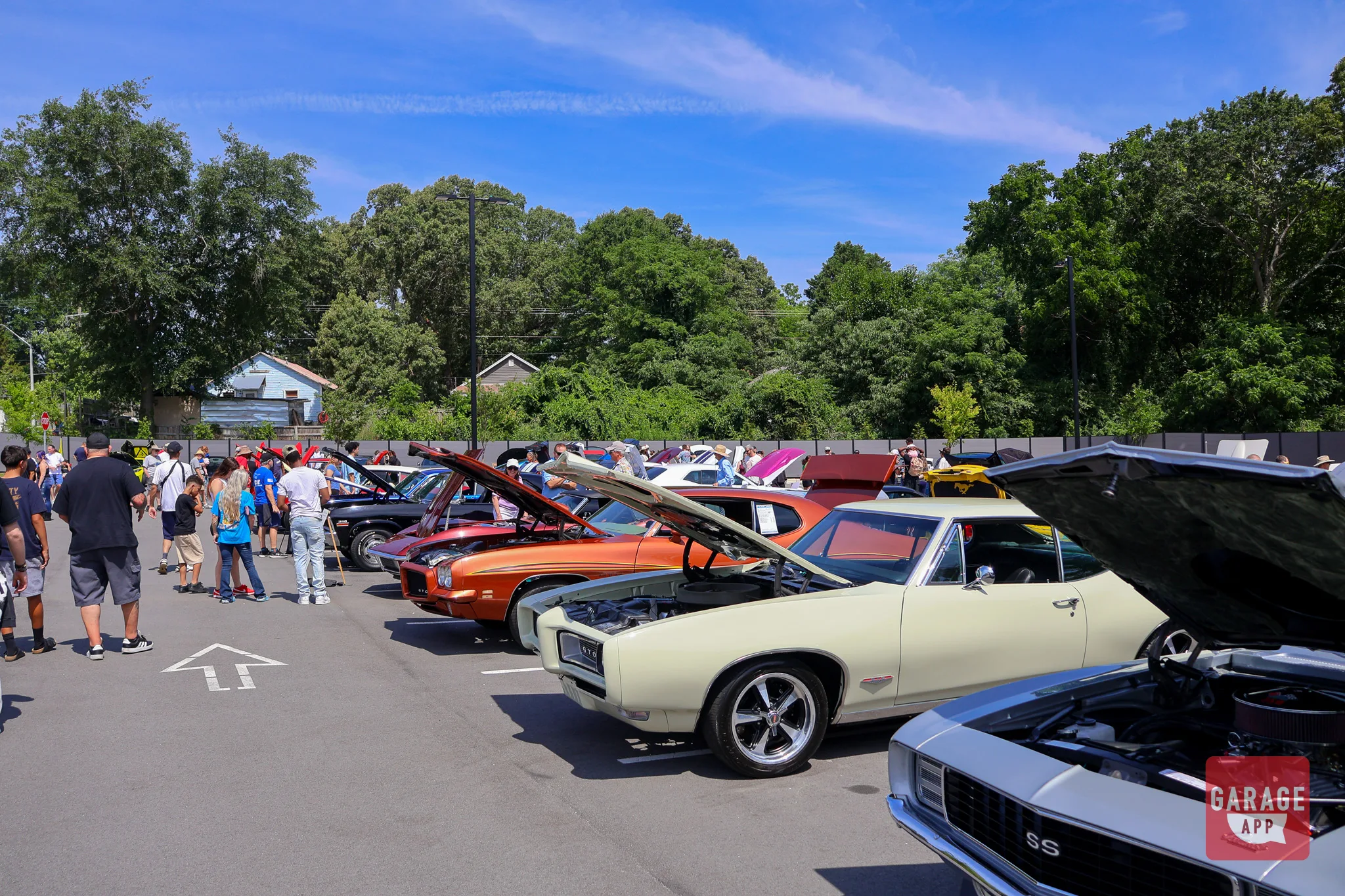
What followed was an arms race. Chevrolet, Ford, Dodge, and Plymouth all wanted the crown, and buyers reaped the rewards. The philosophy was purely American: cubic inches over finesse, straight-line speed over cornering polish. That character still defines how people feel about these cars today.
If you are researching a potential purchase, learn the difference between numbers-matching originals and restomods early. It affects value, insurance, and how you will enjoy the car.
The Golden Era
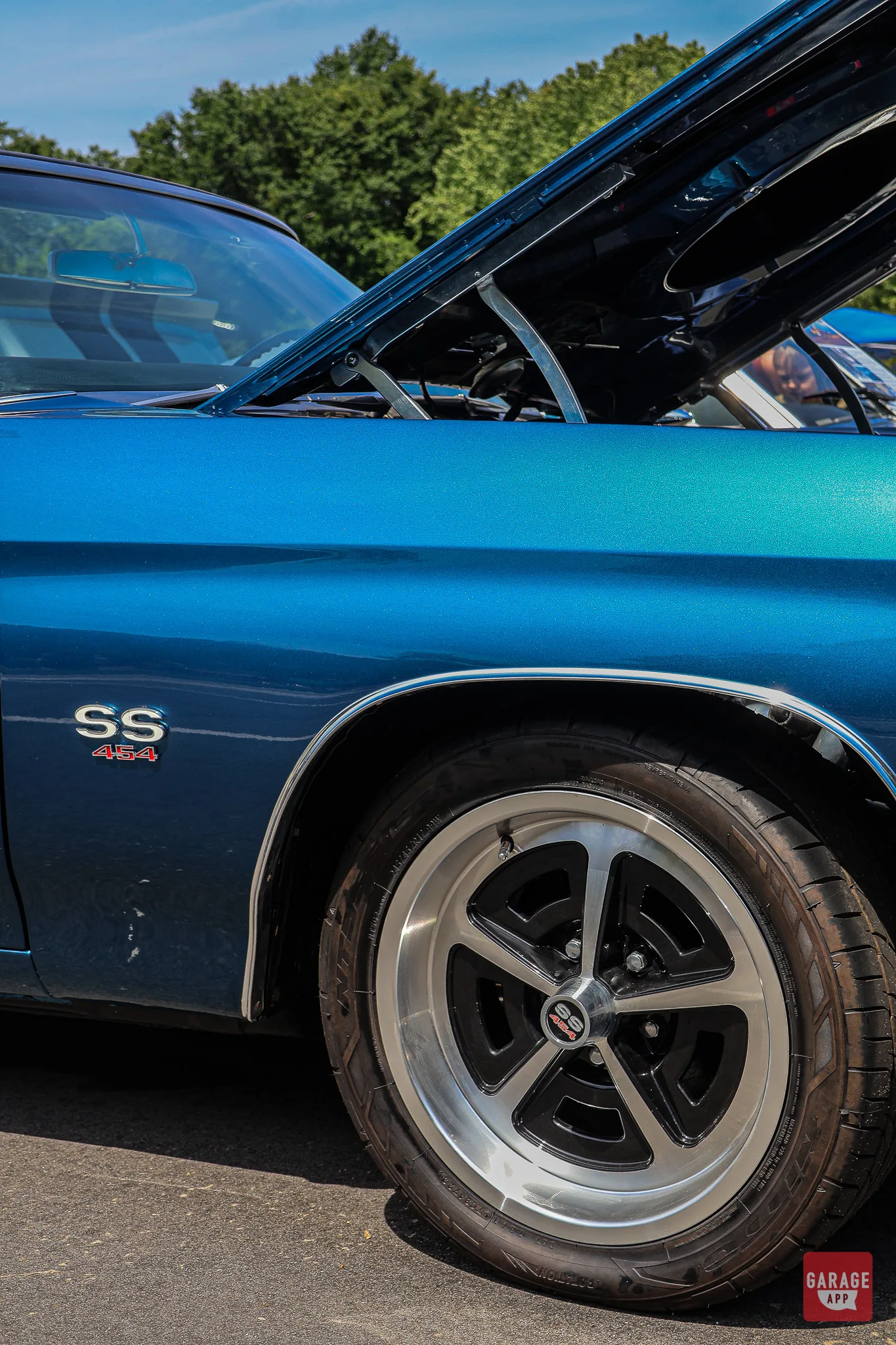
The stretch from roughly 1968 to 1972 is what most people picture when they think classic muscle. Horsepower ratings climbed, badges got bolder, and colors got wild. Plum Crazy, Grabber Green, Hugger Orange. These were not subtle machines, and they were not meant to be.
Peak Power, Then the Squeeze
By the early 1970s, tightening emissions rules, rising insurance premiums, and the 1973 oil crisis pulled the plug on the horsepower party. Compression ratios dropped and net power figures fell fast. That short window is exactly why golden-era cars carry such mystique now. They captured a level of factory performance that would not return for decades.
Legendary Muscle Cars
A few cars rise above the rest, not just for their spec sheets but for what they came to represent.
1970 Chevrolet Chevelle SS 454
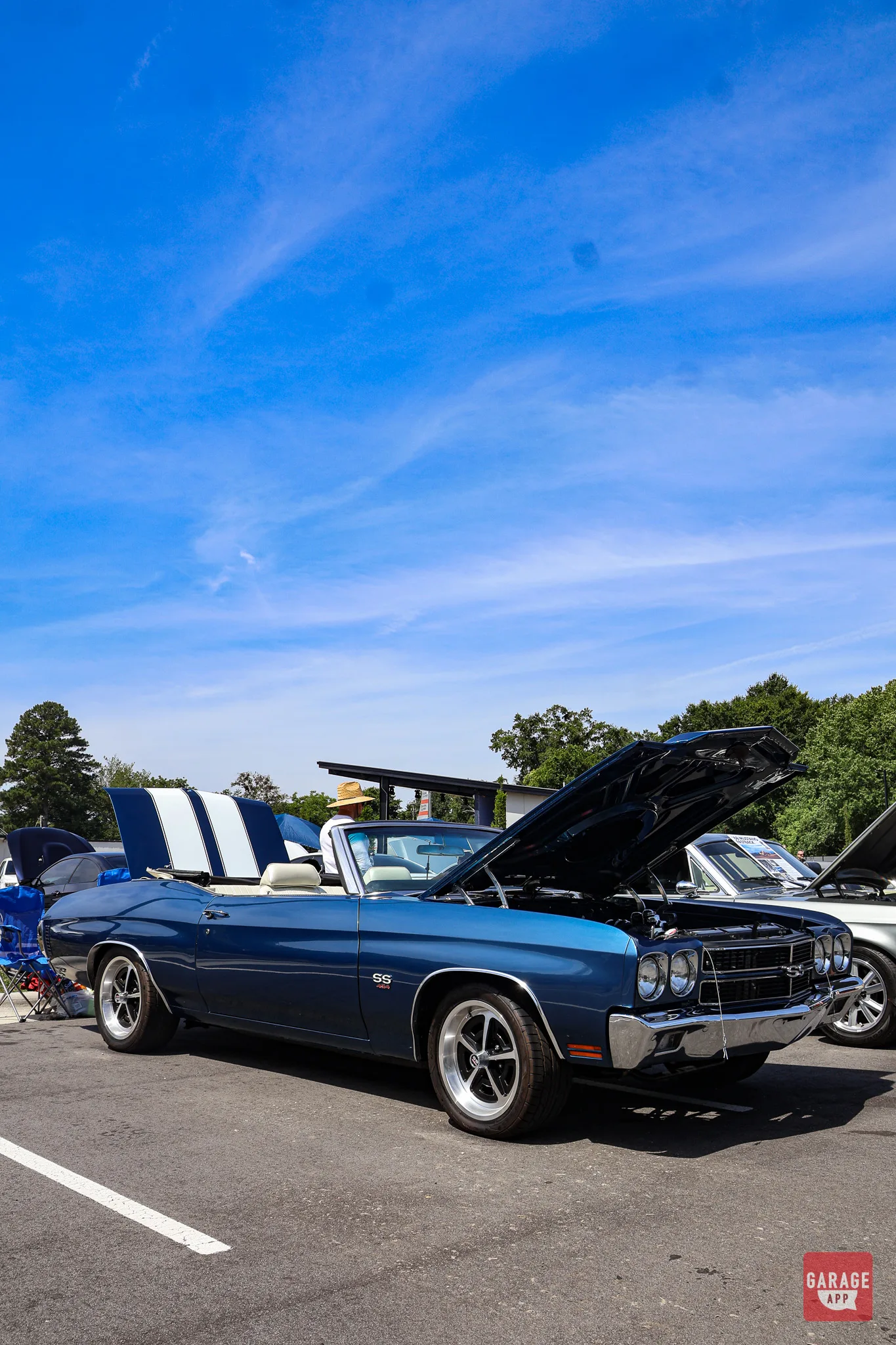
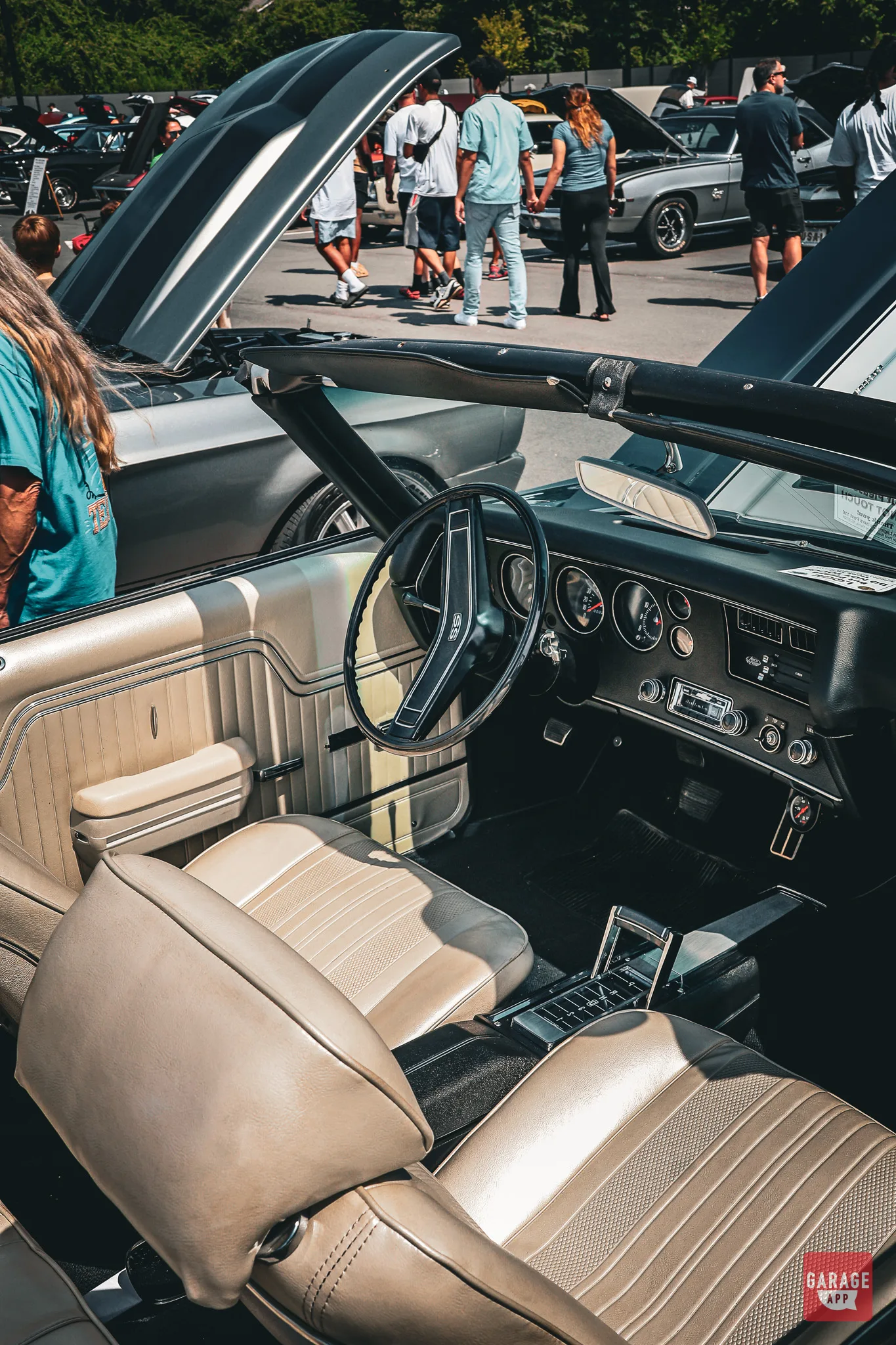
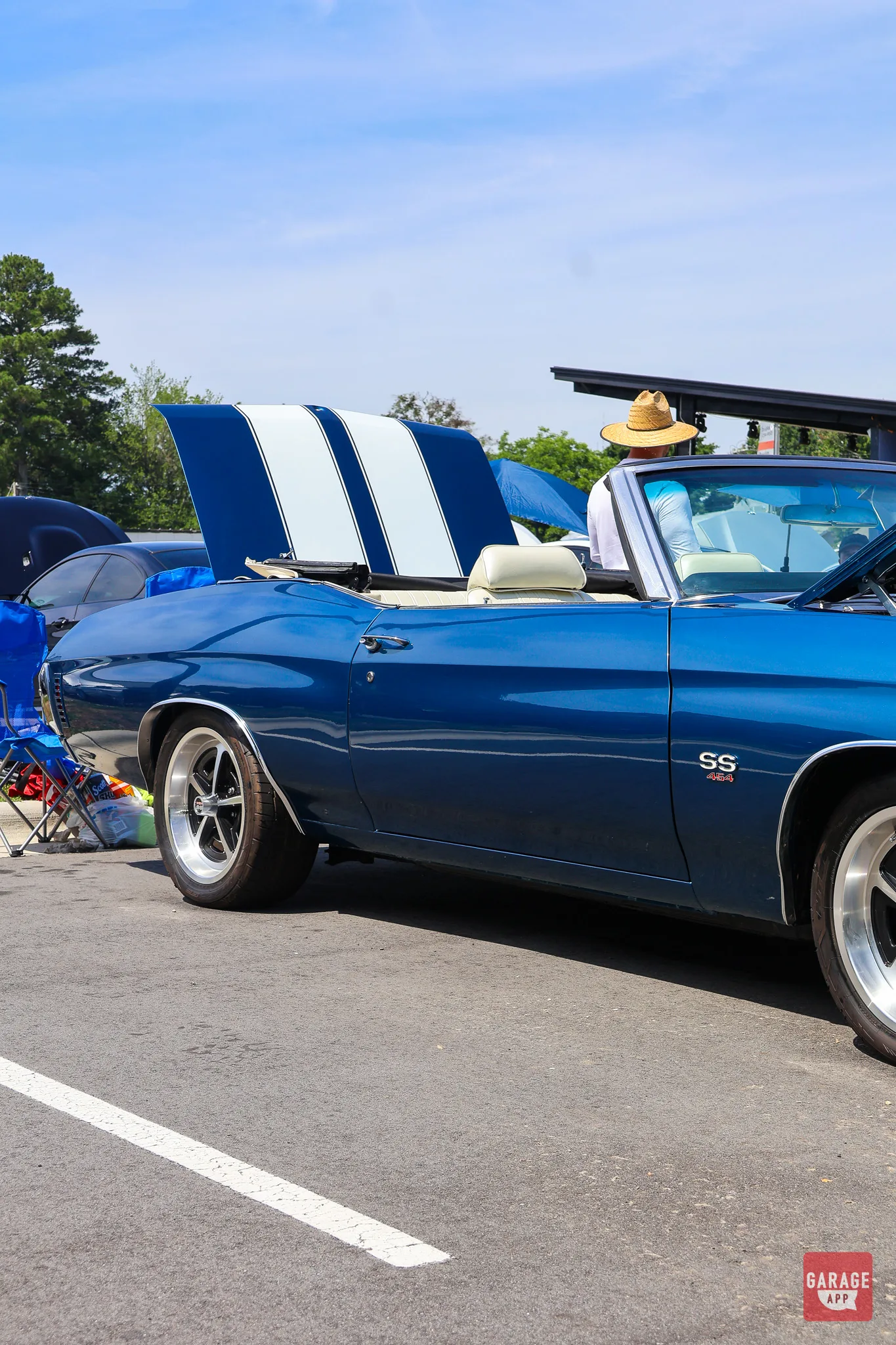
If one car defines big-block muscle, it might be the Chevelle SS 454. The top LS6 version made a factory-rated 450 horsepower and a wall of torque that could twist the chassis. In convertible form it is pure Americana, and values have climbed steadily among collectors. There is a reason people still stop and stare when one rumbles by. Dig deeper into this legend in our full feature on the 1970 Chevelle SS 454 Convertible.
1968 Shelby GT500 Fastback
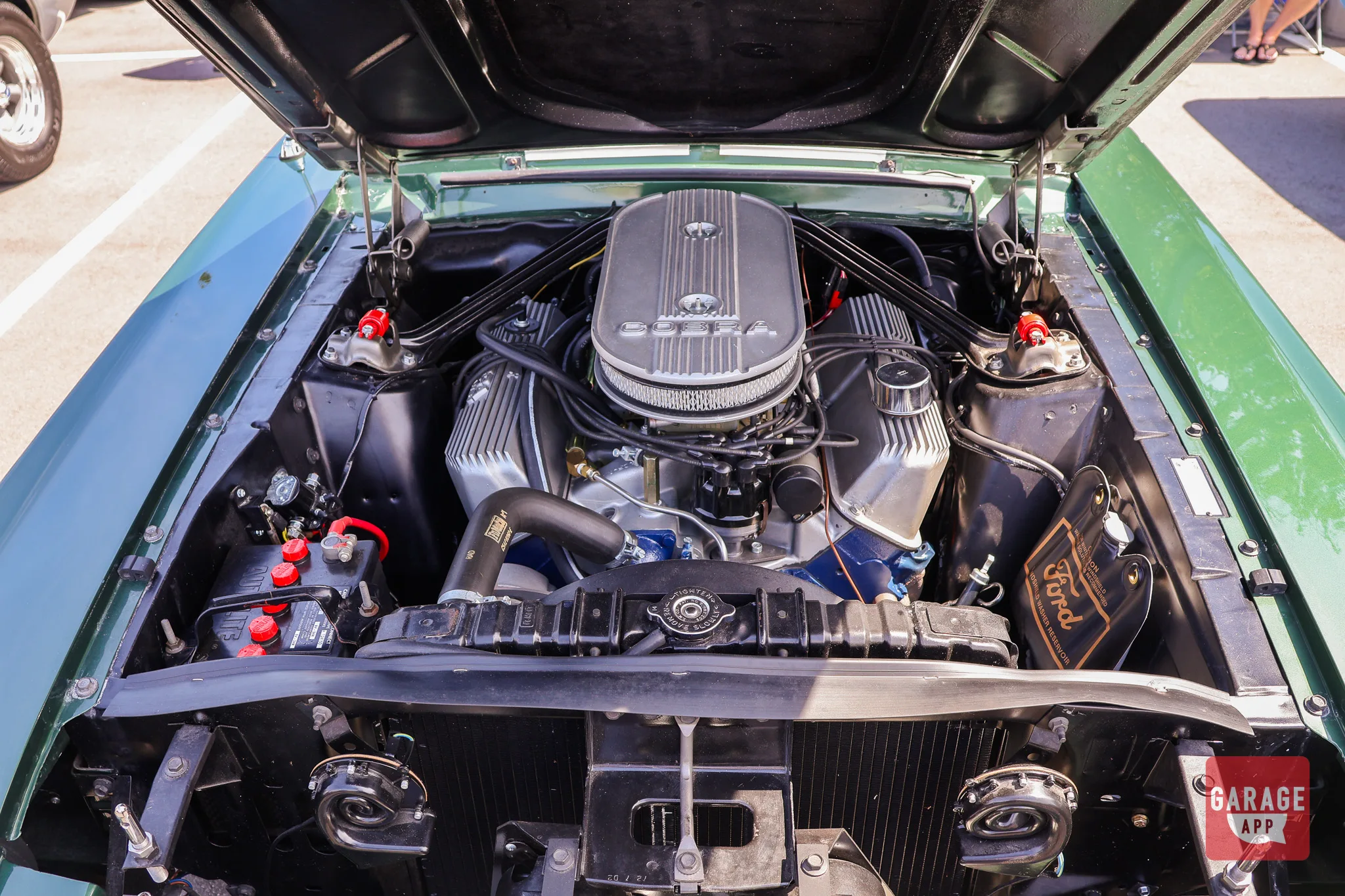
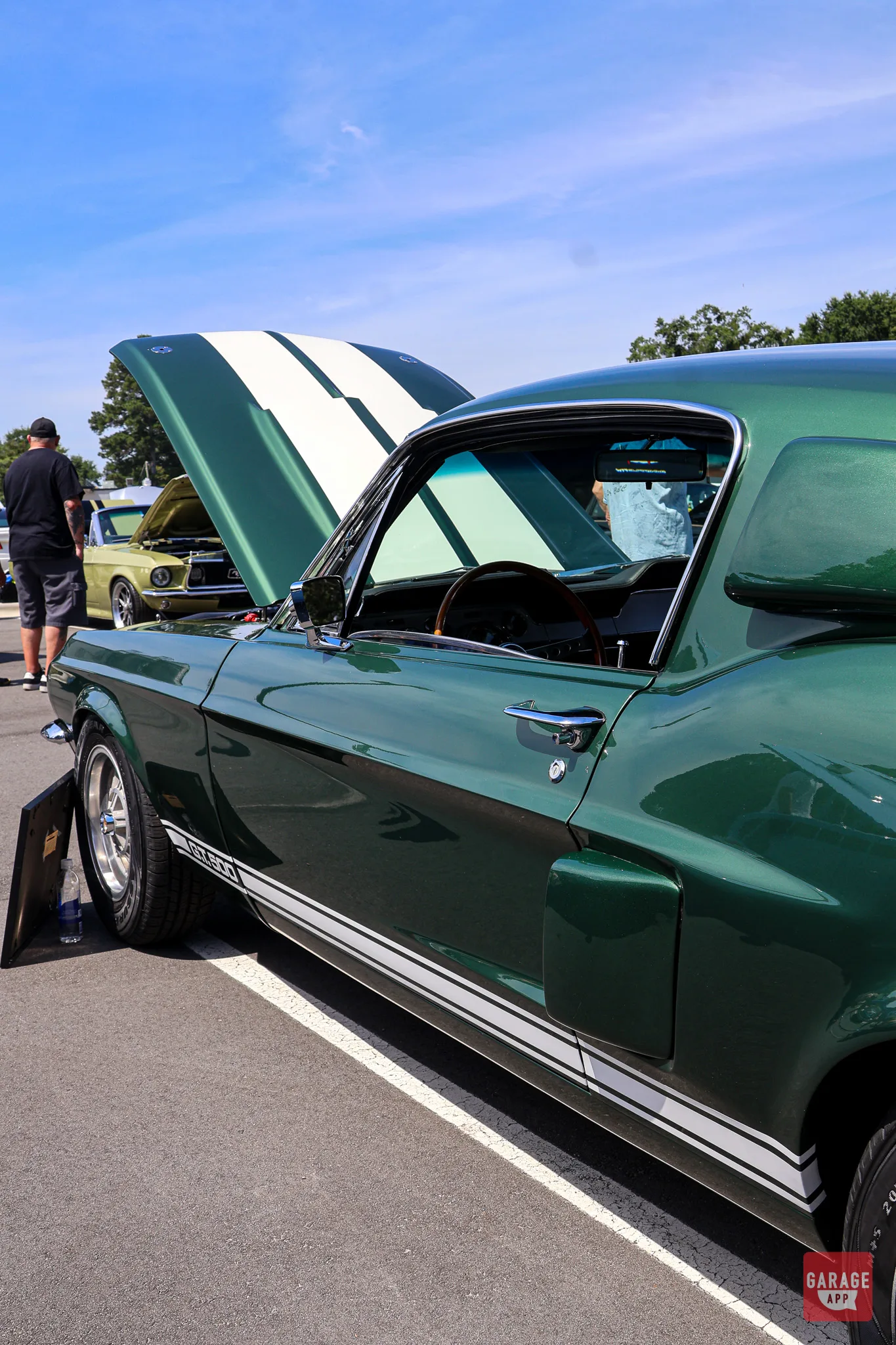
Where the Chevelle brought brute force, the Shelby GT500 brought pedigree. Carroll Shelby's touch turned the Mustang into a genuine icon, and the 1968 fastback with its Cobra Jet power and aggressive fastback profile became a Hollywood favorite and a collector holy grail. Its silhouette alone is instantly recognizable. See one in the wild in our writeup on the 1968 Shelby GT500.
You do not really own a car like this. You just look after it until the next person gets their turn.
A common sentiment among classic muscle owners
Beyond Muscle: American Classics
Muscle cars did not appear out of nowhere. They grew from a broader golden age of American automotive design, and understanding those roots makes the whole story click.
The 1955 Chevrolet Bel Air
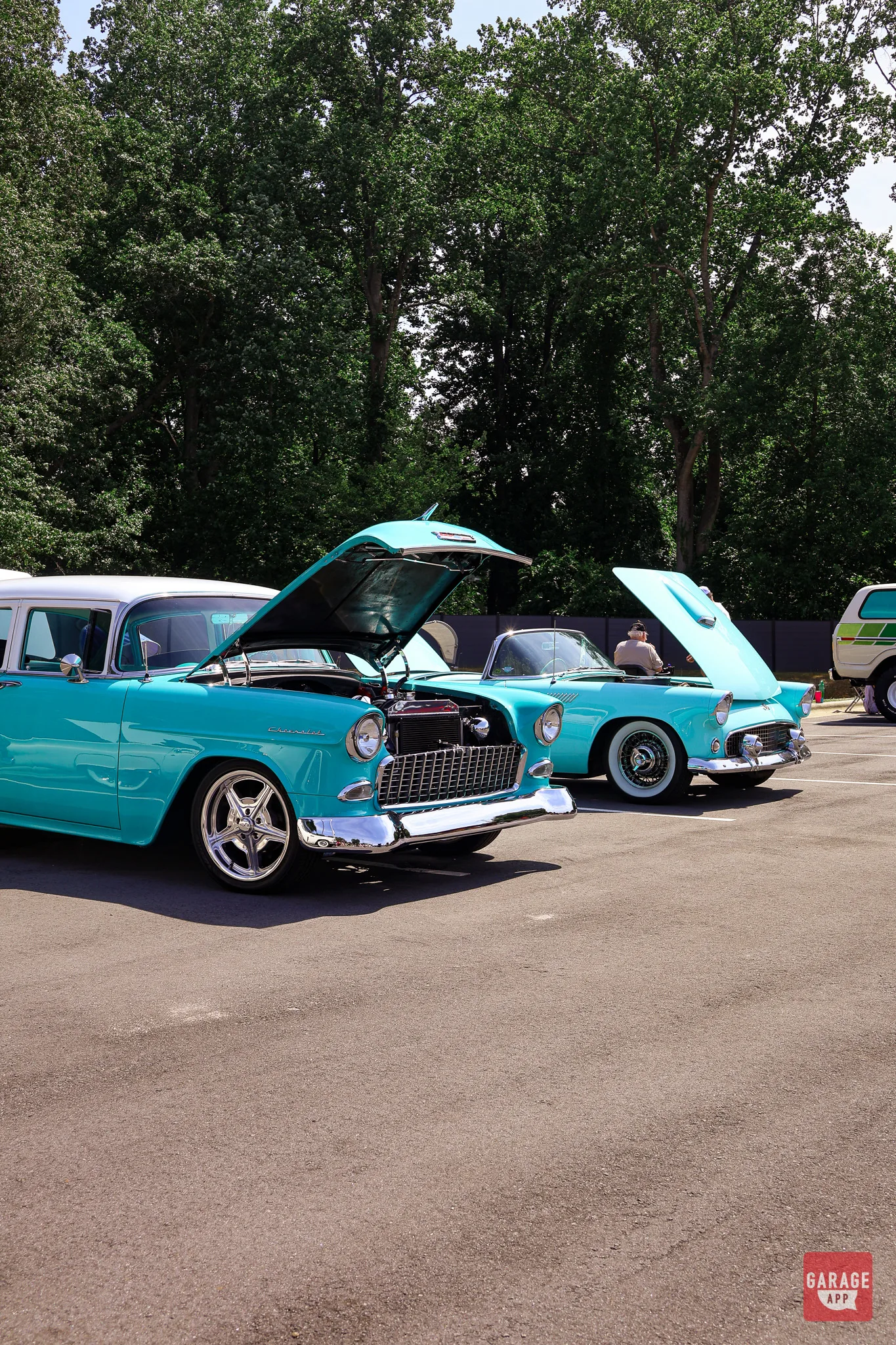
The Bel Air is where the small-block V8 legend really began. The 1955 model introduced Chevy's now-famous 265 cubic inch V8, a lightweight, high-revving engine design that would evolve into the small-blocks powering countless hot rods and muscle cars. With its two-tone paint and jet-age styling, the Bel Air captured postwar optimism perfectly.
The 1955 Ford Thunderbird
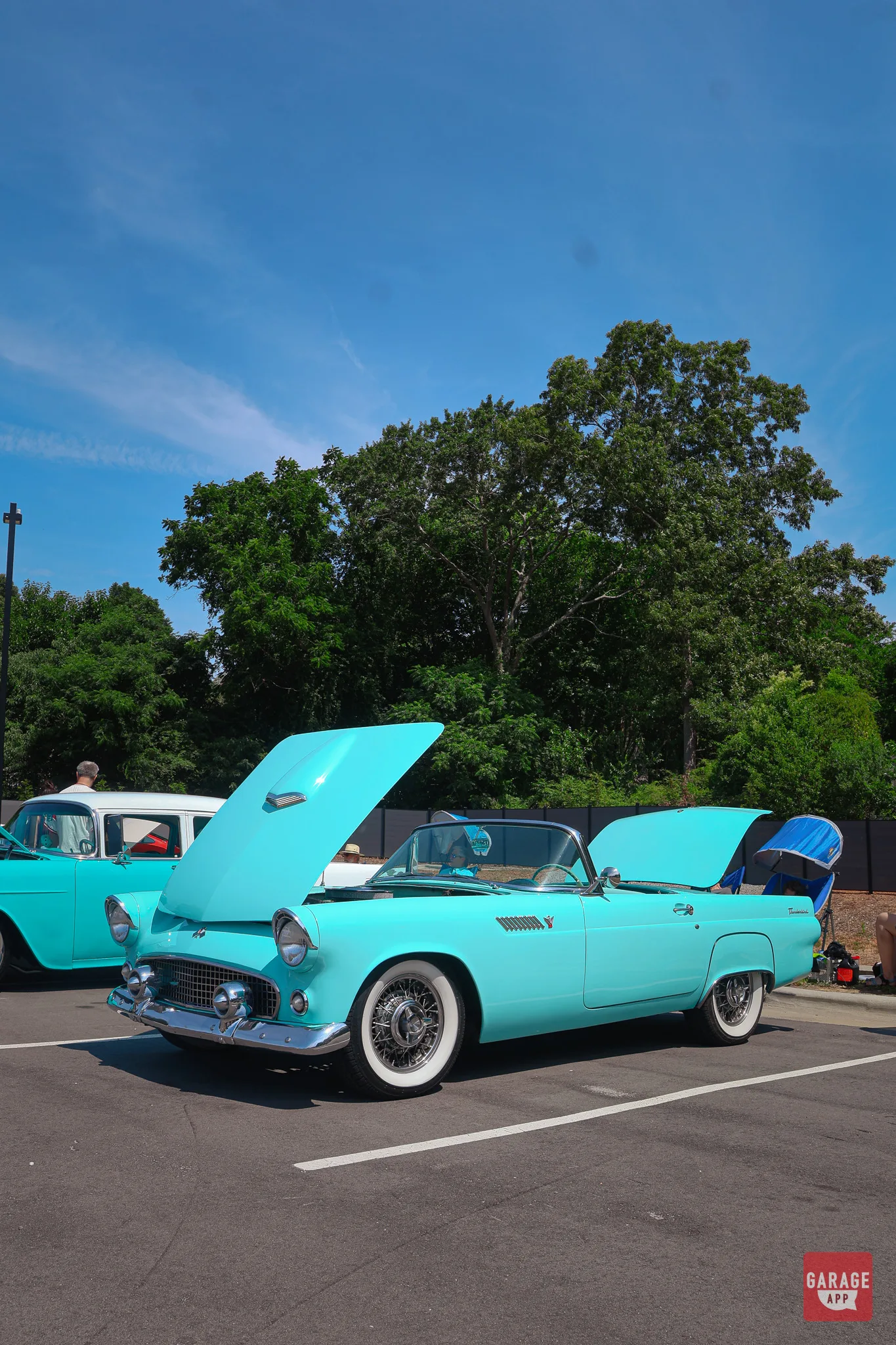
Ford answered the era differently with the Thunderbird, a personal luxury car aimed at style and comfort rather than raw speed. It proved that American design could be about emotion and image, not just cubic inches. These cars show the range of automotive heritage that muscle later built upon.
Attending a local show is the fastest way to learn. Owners of Bel Airs and Thunderbirds love sharing history, and you will pick up more in one morning than a week of online reading.
Restoration & Preservation
Owning a classic muscle car eventually means facing the big question: restore, preserve, or modify. Each path has passionate defenders, and none is wrong.
- Concours restoration returns the car to exact factory condition, right down to correct hose clamps and paint dabs.
- Preservation keeps original patina and unrestored parts intact, honoring the car's history.
- Restomods blend classic looks with modern brakes, suspension, and drivetrains for daily usability.
Whatever route you take, documentation matters enormously. A well-recorded history of parts, receipts, awards, and ownership adds real value and tells the car's story. Many enthusiasts log every step in a virtual garage so nothing gets lost between owners. If you are just starting out, our guide to classic car collecting on a budget is a smart first read.
Photograph your restoration at every stage, not just the finished result. Progress photos help future buyers trust the work and make great stories to share.
The Community
Ask any longtime owner what they love most, and the answer is rarely just the car. It is the people. Muscle car culture is built on knowledge passed hand to hand, garages full of borrowed tools, and friendships that outlast the vehicles themselves.
This is where the caretaker mindset really shows. Owners teach younger enthusiasts how to set points, tune a carb, or spot a fake VIN. That generational handoff keeps the hobby alive. If you are ready to build your own circle, our guide on how to start a car club and tips for networking at car events are great starting points.
Cars & Coffee Culture
Nothing captures the modern community better than a Cars and Coffee morning. Show up early, grab a coffee, and wander among everything from a numbers-matching Hemi to someone's daily-driven project car. It is casual, welcoming, and completely free.
These gatherings do quiet but important work. They connect generations, preserve history through storytelling, and inspire the next wave of enthusiasts who might just be walking past with their parents. Local events like Fuquay-Varina Cars and Coffee and Cars and Coffee Morrisville prove how strong regional scenes have become. To find one near you, check our state-by-state Cars and Coffee guide or learn the basics with our rundown on Cars and Coffee etiquette.
Beyond the weekend meets, charity cruise-ins and organized road trips give these cars a purpose beyond the garage. A well-planned drive through great scenery is what these machines were built for, and resources like our best East Coast driving routes roundup help you make the most of it.
Why These Cars Still Matter
Decades after the last golden-era muscle car rolled off the line, interest is not fading. Younger generations who never saw these cars new are drawn to their honesty. No screens, no synthetic engine noise, just an American V8, a manual choke, and a driving experience you feel in your chest.
They also represent craftsmanship and mechanical simplicity you can actually understand and repair in your own driveway. That accessibility, combined with striking design and genuine history, keeps demand strong among collectors and first-time buyers alike. The rise of broader car meet culture only widens the audience discovering these machines.
Most of all, these cars carry stories. A Chevelle handed down from a grandfather, a GT500 saved from a barn, a Bel Air restored over ten years of weekends. Those human threads are what turn steel and rubber into something worth preserving.
Conclusion
American muscle culture endures because it was never really about horsepower alone. It is about craftsmanship, community, and the pride of keeping something meaningful alive. The best way to honor that legacy is simple: drive these cars, share their stories, show up to local events, and pass the passion on to the next generation. Track your own chapter of the story, then go make some noise.
That caretaker spirit and love of the local scene is exactly what GarageApp was built for. It is a geo-location-first social network made specifically for car and motorcycle enthusiasts, so you can find nearby muscle car owners by make, model, year, trim, or location, and discover the Cars and Coffee mornings, cruise-ins, and charity drives where these V8s come alive. You can even see who is attending and what they are bringing before you show up. Create or join groups built around Chevelles, Mustangs, or your local club, and follow real automotive communities instead of chasing generic algorithms. If you are ready to grow your own scene, our guides on how to start a car club and networking at car events pair perfectly with it.
Beyond meeting people, GarageApp gives your classic a proper home. Build a Virtual Garage to document every car with photos, specs, modifications, and restoration progress, the kind of well-kept history that adds real value and tells the next owner your car's story. When the weather is right, generate AI-powered driving routes and navigate using Apple CarPlay and Android Auto, then share those scenic drives with friends. It serves both car and motorcycle communities in one platform. Start with our walkthrough on how to build your digital car garage or plan a route with our create and share a driving route guide.