

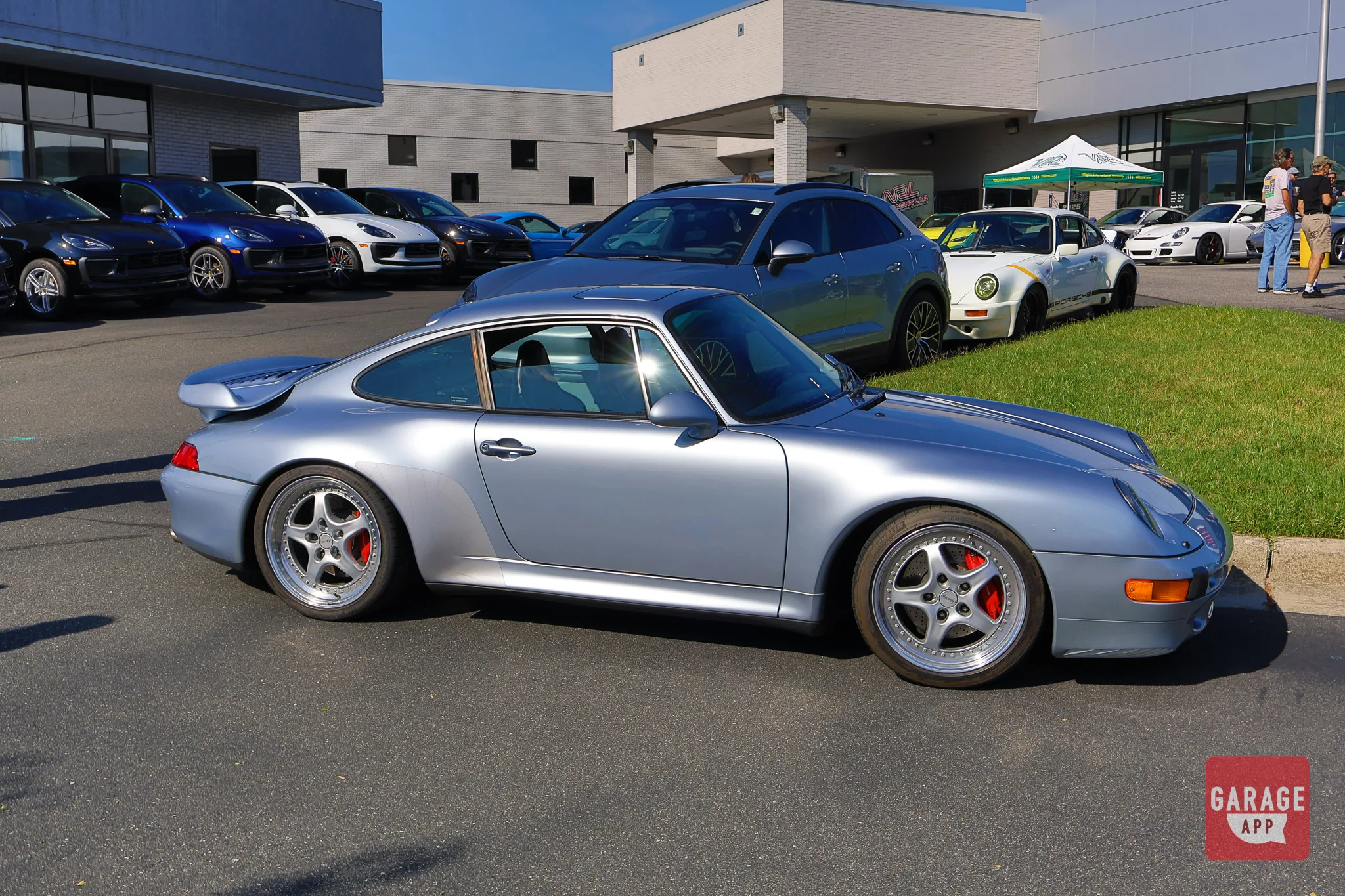
There's a common assumption that any car with a couple decades on the odometer earns the word classic. It doesn't work that way. A 1994 sedan that spent its life commuting is not a classic. It's a used car that got old. Plenty of 30-year-old vehicles are exactly that, unremarkable when new and still unremarkable now. So what separates the cars and bikes that actually earn the label from the ones just accumulating years? That's what this piece is about, and the answer has almost nothing to do with age by itself.
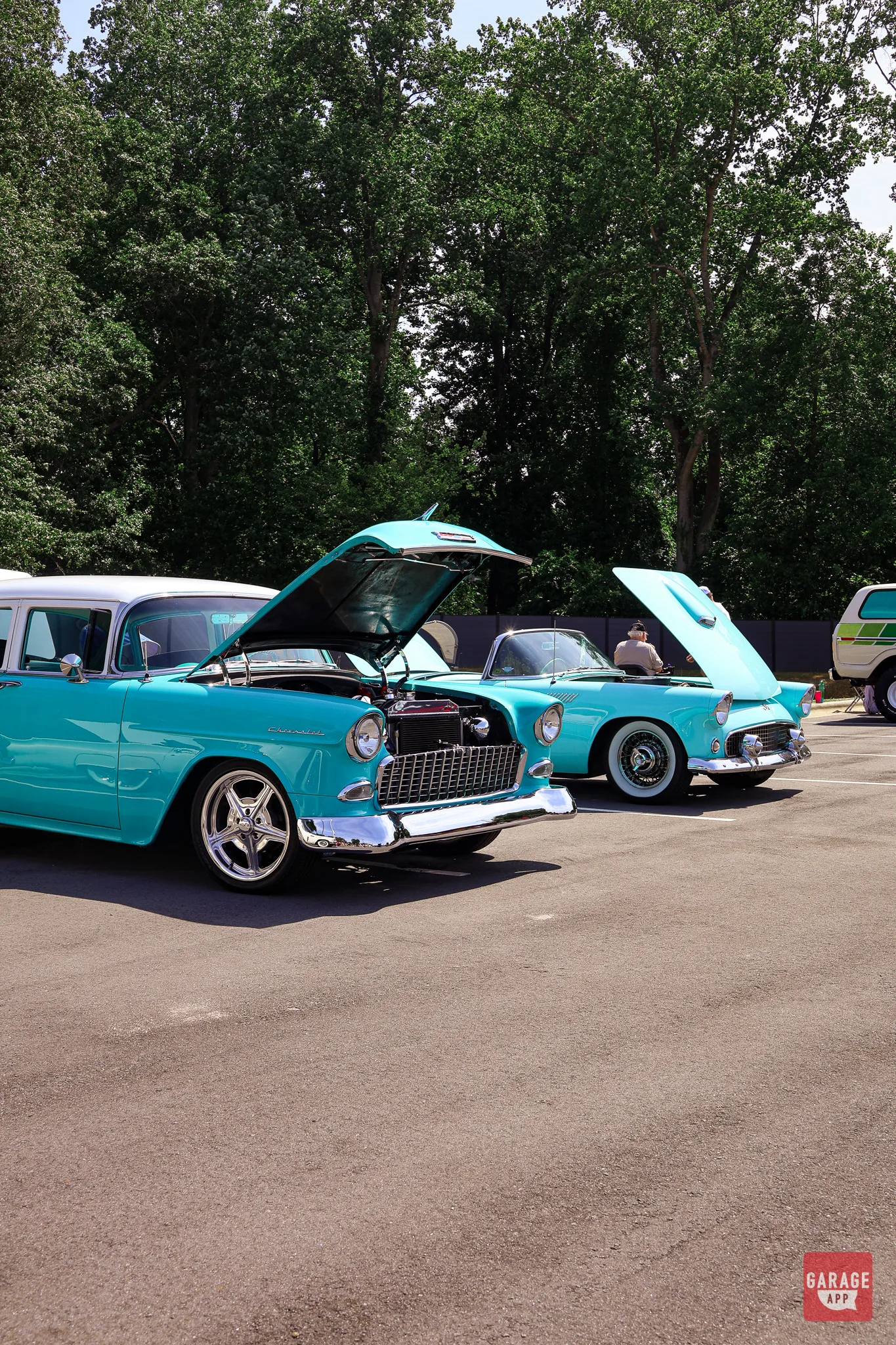
The 20-25 Year Rule and Why It's Incomplete
You've probably heard that a car becomes a classic at 20 or 25 years old. That threshold is real, but it comes from paperwork, not from culture. Insurance companies use it to slot vehicles into cheaper collector policies with mileage caps. Several states use a similar cutoff for antique or historic registration plates, which can mean reduced fees and relaxed inspection rules. The 25-year mark also shows up in U.S. import law, which is why enthusiasts count down the years until a JDM icon becomes legal to bring over.
None of that tells you whether a car is actually a classic. It tells you the DMV and your insurer are willing to treat it like one. Those are administrative categories, and they treat a beige econobox and a genuine icon identically the day they cross the age line.
The gap becomes obvious when you look the other direction. Cars have been called classics long before hitting any age threshold. The BMW E46 M3 was earning the modern classic tag while examples were still being traded as regular used cars. The reverse is true too. Some vehicles hit 40 years old and nobody outside their original owners ever cared. Age is a filter, not a verdict.
If you're buying for the collector insurance rate alone, check your state's specific age cutoff and mileage limits first. The threshold that qualifies a car for historic plates in one state may not match your insurer's definition.
Design and Cultural Relevance
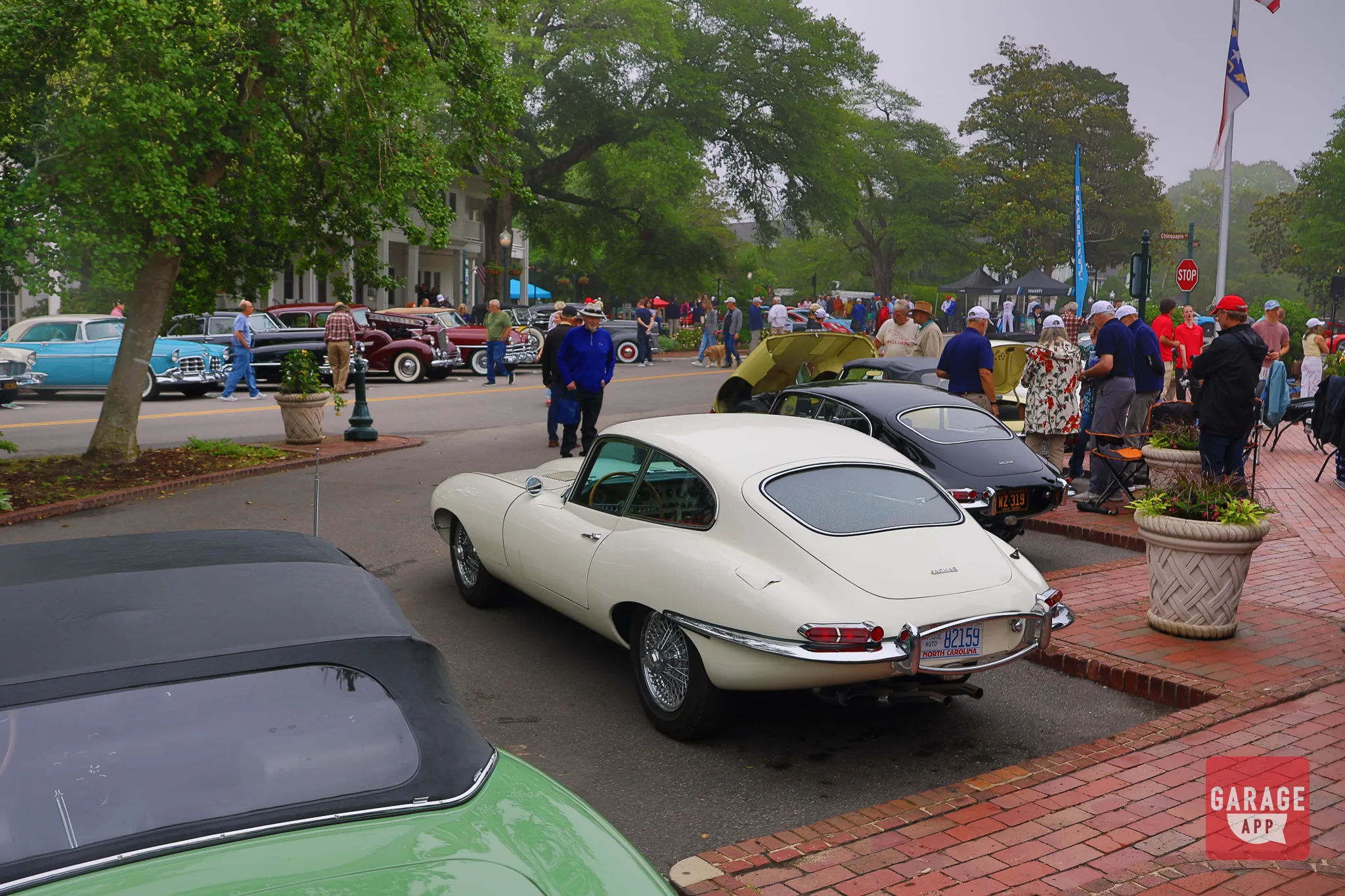
Here's the real test. Does the car represent its era in a way people still recognize and still care about? A vehicle that looked forgettable in the showroom almost never becomes a classic just by getting older. Aging turns an unremarkable car into an old unremarkable car. It doesn't add the thing that was missing in the first place.
Think about the Ferrari Dino 246 GT. It broke from Ferrari tradition, it wore a shape that still stops people in a parking lot, and it captured a specific moment in how Ferrari thought about smaller, lighter cars. That relevance is why it's a classic and not merely an old Ferrari. The 1968 Shelby GT500 works the same way. It's shorthand for an entire chapter of American performance. You see one and you immediately know what decade, what movement, what attitude it belongs to.
Recognition Beats Rarity
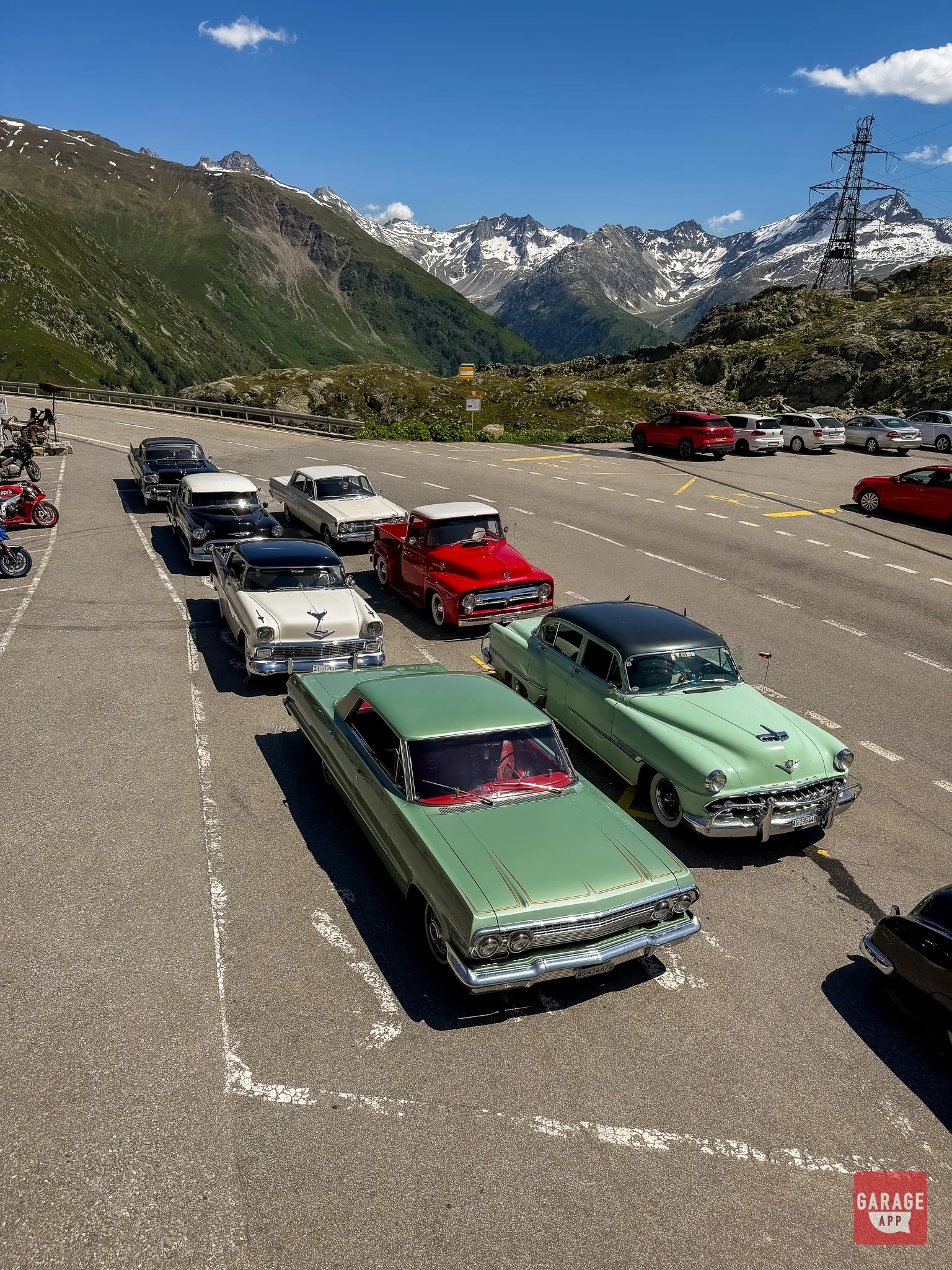
Cultural relevance isn't the same as being rare or expensive. Some genuinely rare cars are footnotes because nobody outside a small circle ever formed an attachment to them. Meanwhile, cars produced in reasonable numbers become classics because they meant something. They anchored a movie, defined a race series, sat on a bedroom poster, or simply looked like nothing else on the road. Recognition is the currency here. A car that a wide group of enthusiasts instantly reads as significant has the thing that matters. One that needs a paragraph of explanation to justify its importance usually doesn't.
A classic is a car people still recognize on sight and still care about seeing. Age just decides when the conversation starts.
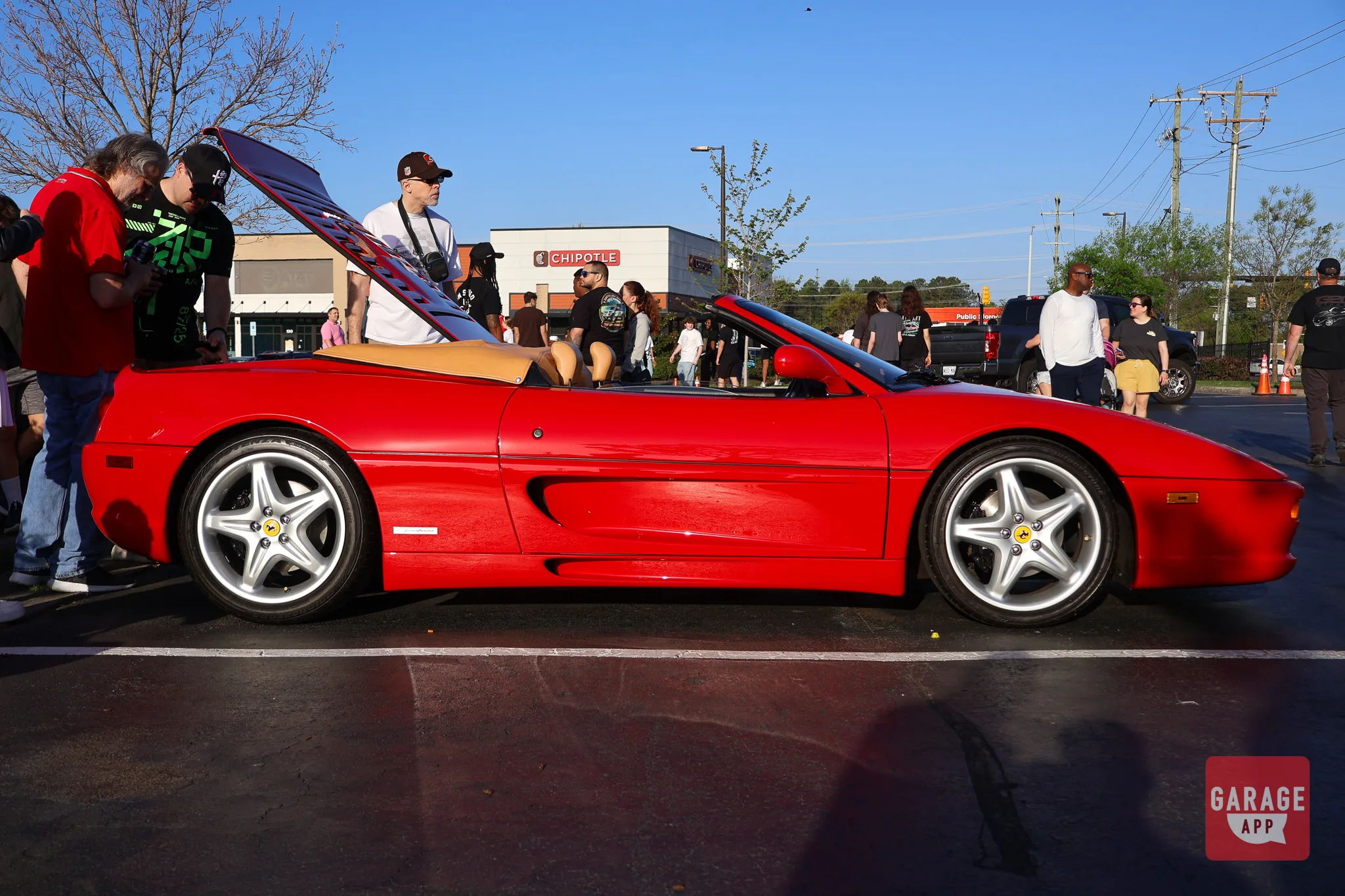
Survivorship: Why Most Old Cars Never Get There
Time is brutal to cars. Most examples of any given model get scrapped, rusted out, crashed, parted for scrap value, or modified beyond recognition. The ones that remain are a tiny, self-selected slice of what originally rolled off the line. And that surviving slice quietly shapes which models we now call classics.
This is survivorship bias applied to sheet metal. When a model has very few clean, original survivors left, each one carries outsized cultural weight. Their scarcity concentrates attention and value onto the handful that made it. The 1970 Chevrolet Chevelle SS 454 is a clean example. Enormous numbers of Chevelles were built, but well-preserved, correctly optioned SS 454 convertibles are a fraction of that. The survivors became reference points, and their condition and originality drive how the whole model is remembered.
The uncomfortable flip side is that survivorship can override merit. A genuinely excellent car with terrible attrition can fade from the collective memory simply because too few good ones are left to keep the story alive. And a merely decent car with a devoted community keeping examples on the road can hold classic status it might not deserve on paper. The cars that survive get to write the history.
When you're evaluating a potential classic, an honest, unmolested survivor is often worth more than a flashier restomod. Originality is getting harder to find, and it's the thing that gets rarer with every passing year.
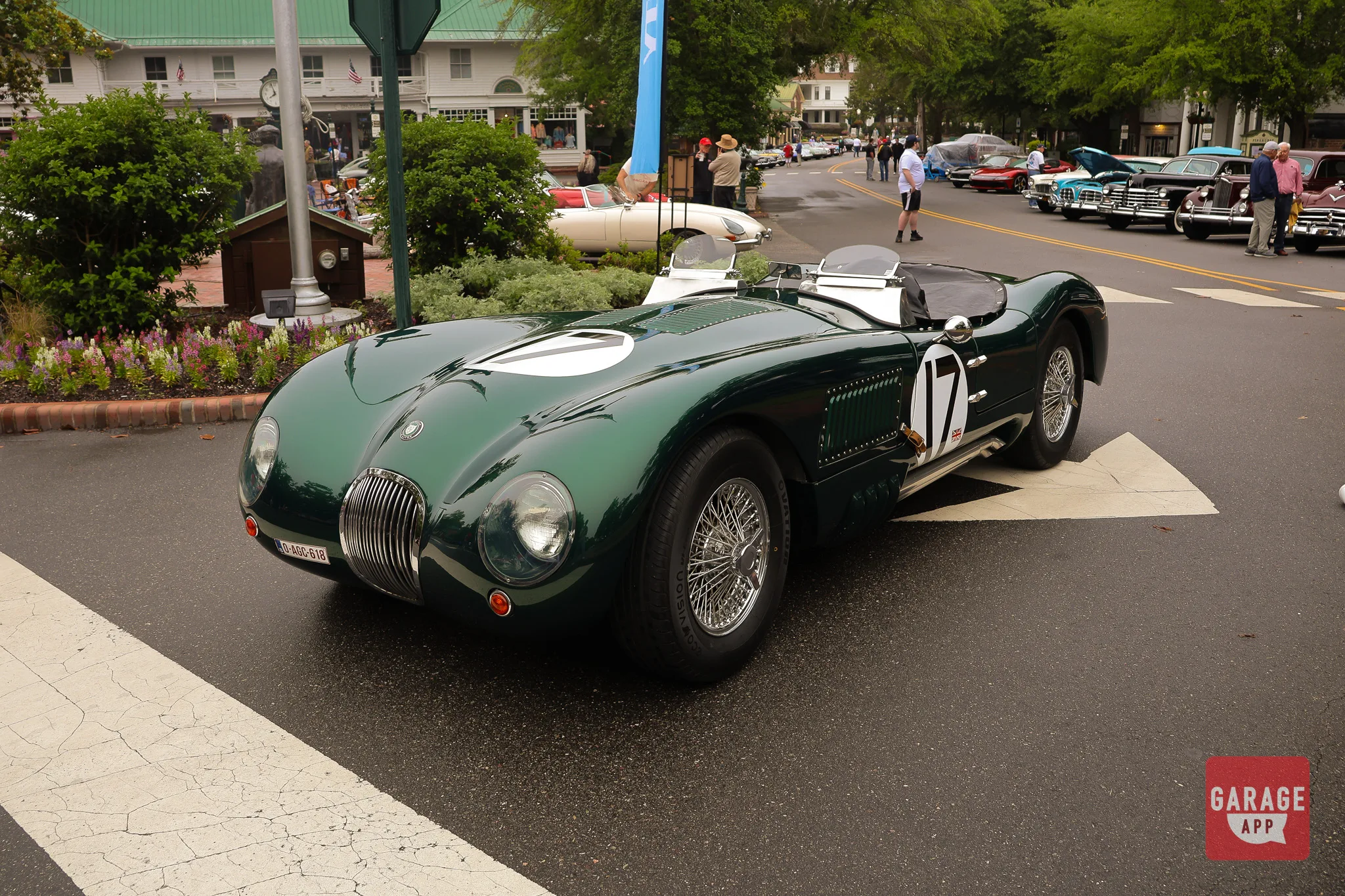
Classic Doesn't Mean Fragile
There's an instinct, especially among newer owners, to treat a classic like it's made of glass. Trailer it to shows, keep it under a cover, start it once a month, drive it never. That instinct misunderstands what the label means. Being a classic is about relevance, not delicacy. A car doesn't become more classic by sitting still.
Look at the BMW E46 M3 crowd. That generation is already firmly a modern classic, and yet the people who love it most tend to be the ones actually driving them, tracking them, taking them on backroad runs. The car earned its status by being brilliant to drive, so hiding it away defeats the point. A garage queen isn't purer than a car that gets used on the right morning. It's just a car nobody gets to enjoy.
Classic owners cluster around very specific models and eras rather than broad car culture in general, which is why following the local air-cooled Porsche crowd or the muscle car survivors near you on GarageApp tends to be more useful than a generic enthusiast group. The people who obsess over your exact car are the ones with the parts leads, the mechanic recommendations, and the honest drive-it-or-don't advice. If you're not sure where to start, finding the events and meets near you is usually the fastest way in.
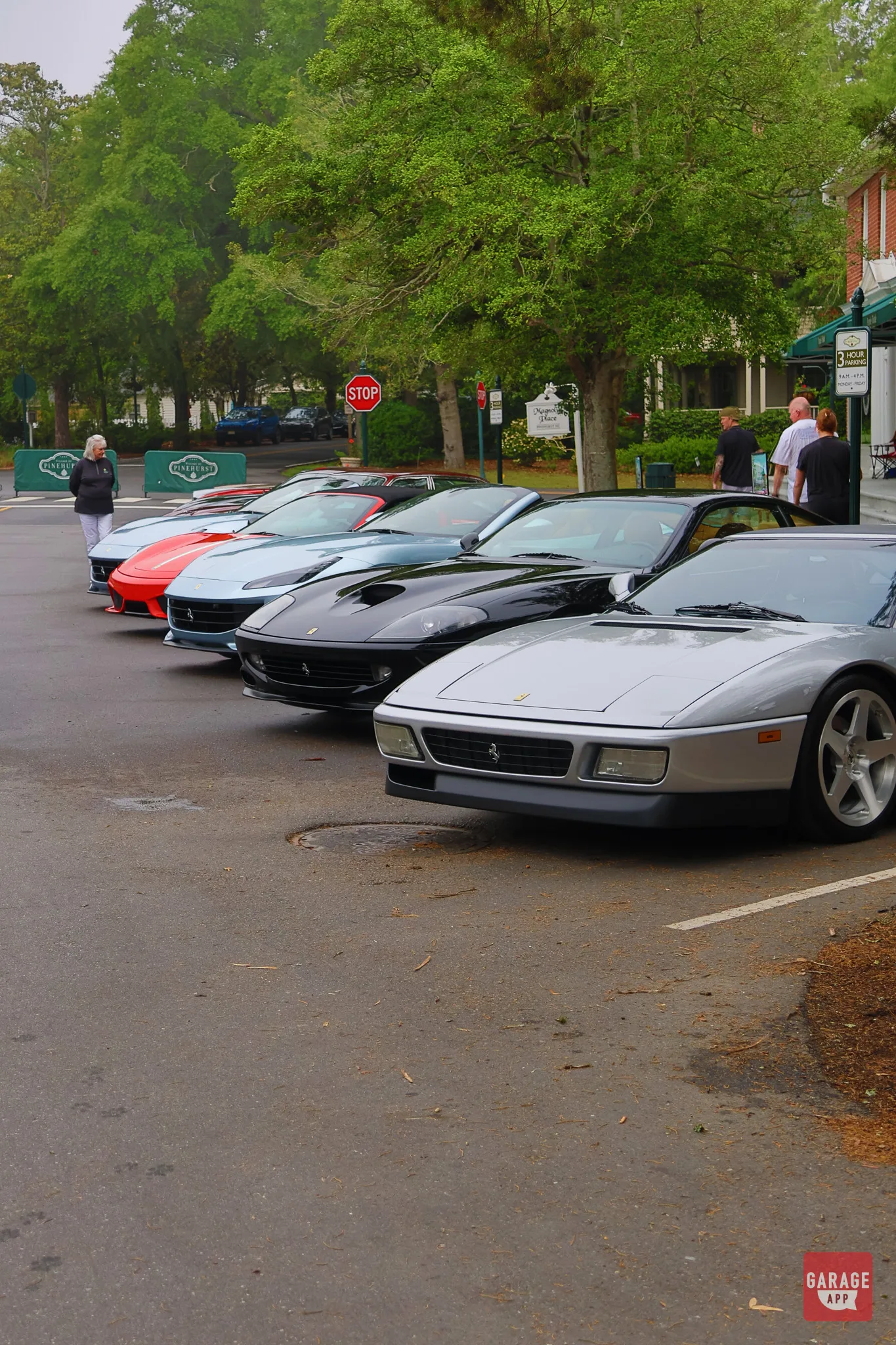
Classic Motorcycles: Same Idea, Different Timeline
The same logic applies to bikes, but the clock runs faster. Motorcycles reach classic status on a compressed timeline compared to cars, and survivorship is the main reason. Production numbers for a given model are usually far lower, and attrition is far higher. Bikes get dropped, crashed, stripped for parts, and left to seize in sheds at a rate cars rarely match.
So a motorcycle can earn the label faster than a car of the same age. A bike from the mid-90s can be talked about as a genuine classic while a car from the same year is still just a used car. Fewer clean survivors, a smaller and more passionate owner base, and design significance that reads instantly to riders all speed up the process. The cultural relevance test is identical. Did the bike define something about its era, and do riders still recognize and want it? When the answer is yes and only a handful of good ones remain, classic status arrives early. It's also why documenting a clean example well, right down to photographing it properly, does the whole community a favor.
Provenance matters even more on bikes than cars. A documented history and matching numbers can separate a genuine classic from a parts-bin lookalike, since so many older motorcycles have been rebuilt from multiple donors.
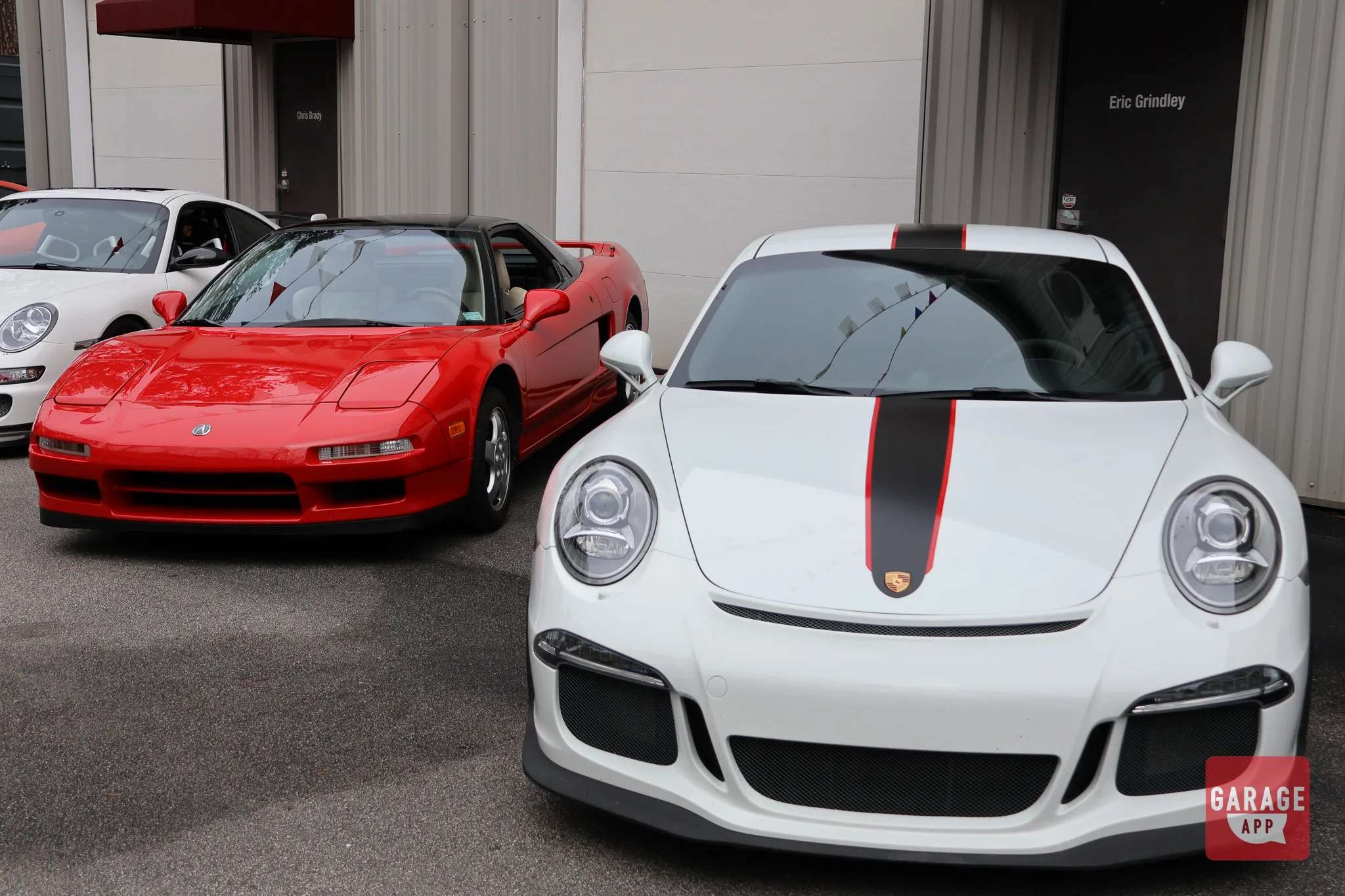
Where Classic Fits in the Bigger Picture
Classic is only one label in a larger conversation. It sits alongside exotic and collector status, and those categories overlap in ways worth understanding before you go shopping or before you file that car under the wrong description. For how classic stacks up against the other two, read What Counts as a Classic, Exotic, or Collector Vehicle Today. If you want the whole subject in one place, our complete owner's guide to classic, exotic, and collector vehicles ties every thread together. And once you've found the car or bike that actually earns the word, mapping out the full ownership picture is worth doing too. That's the whole reason we care what qualifies in the first place. The label only matters if you enjoy what wears it, and networking with the right community makes enjoying it a lot easier.