

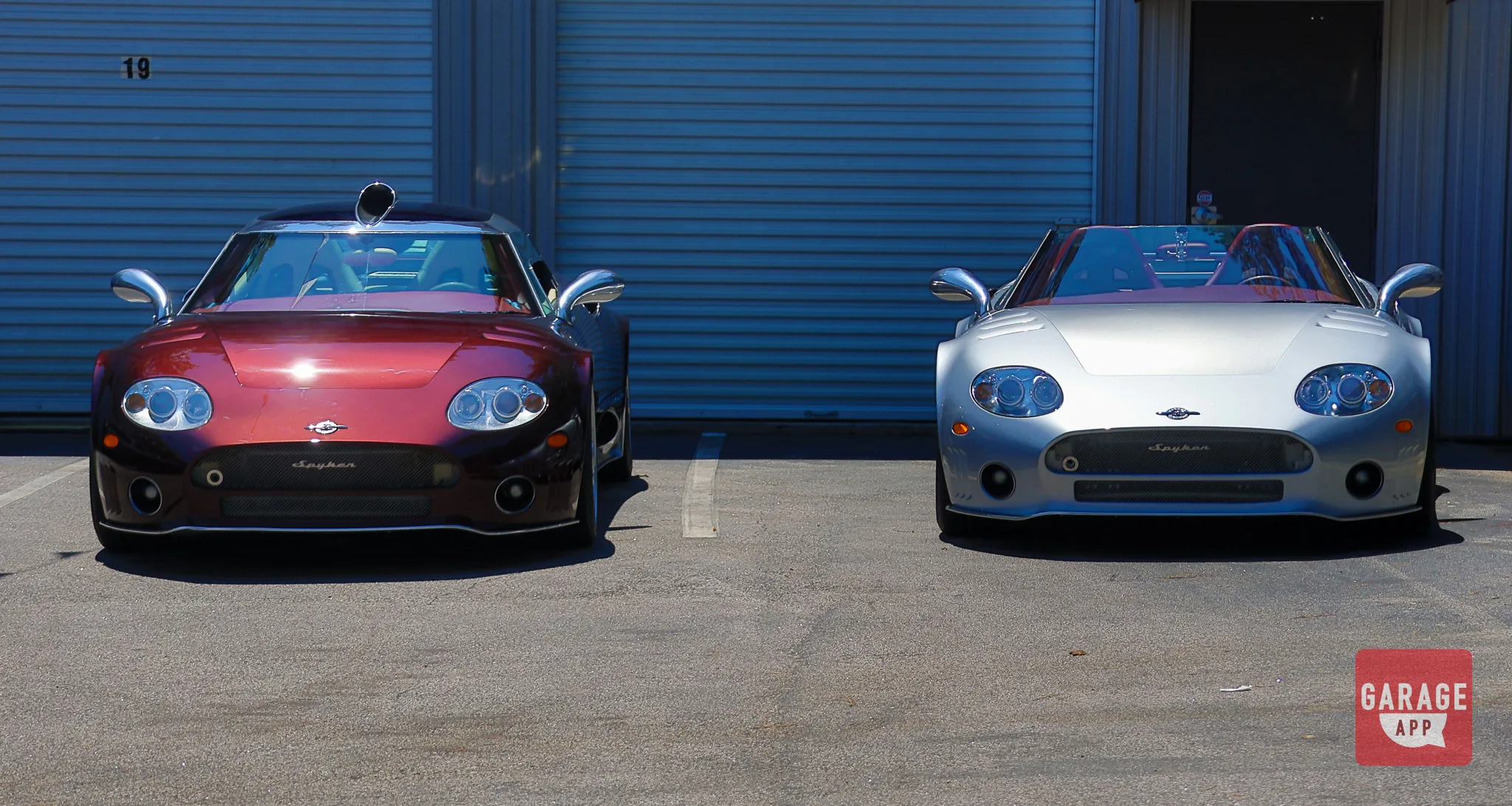
Most supercar brands are born loud and die quietly. Spyker has done the opposite. The Dutch company has stumbled, paused, changed hands, and gone silent more than once, yet it keeps coming back. To understand why, you have to look past the spinning aircraft propeller logo and the famous quote about aviation. You have to look at the cars themselves, the racing that gave them credibility, and the small group of people who kept the technical knowledge alive when the factory could not.
The Origins of Spyker
Spyker is older than almost every name it gets compared to. The company was founded in 1880 in the Netherlands by the Spijker brothers, building carriages before moving into automobiles and aircraft. That dual heritage matters, because the aviation work is not a marketing invention bolted onto the modern cars. It is genuine company history that the revived brand chose to honor.
The engineering credentials came early. The 1903 Spyker 60 HP was among the first cars in the world to use a six-cylinder engine, and it combined four-wheel drive with four-wheel brakes at a time when most manufacturers were still figuring out how to stop reliably with two. That car alone places early Spyker firmly in the conversation about genuine automotive innovation rather than novelty.
The original company eventually faded, as many early manufacturers did. But the name carried weight, and decades later it would be picked up by people who understood exactly what they were inheriting.
The C8 Spyder and Modern Spyker
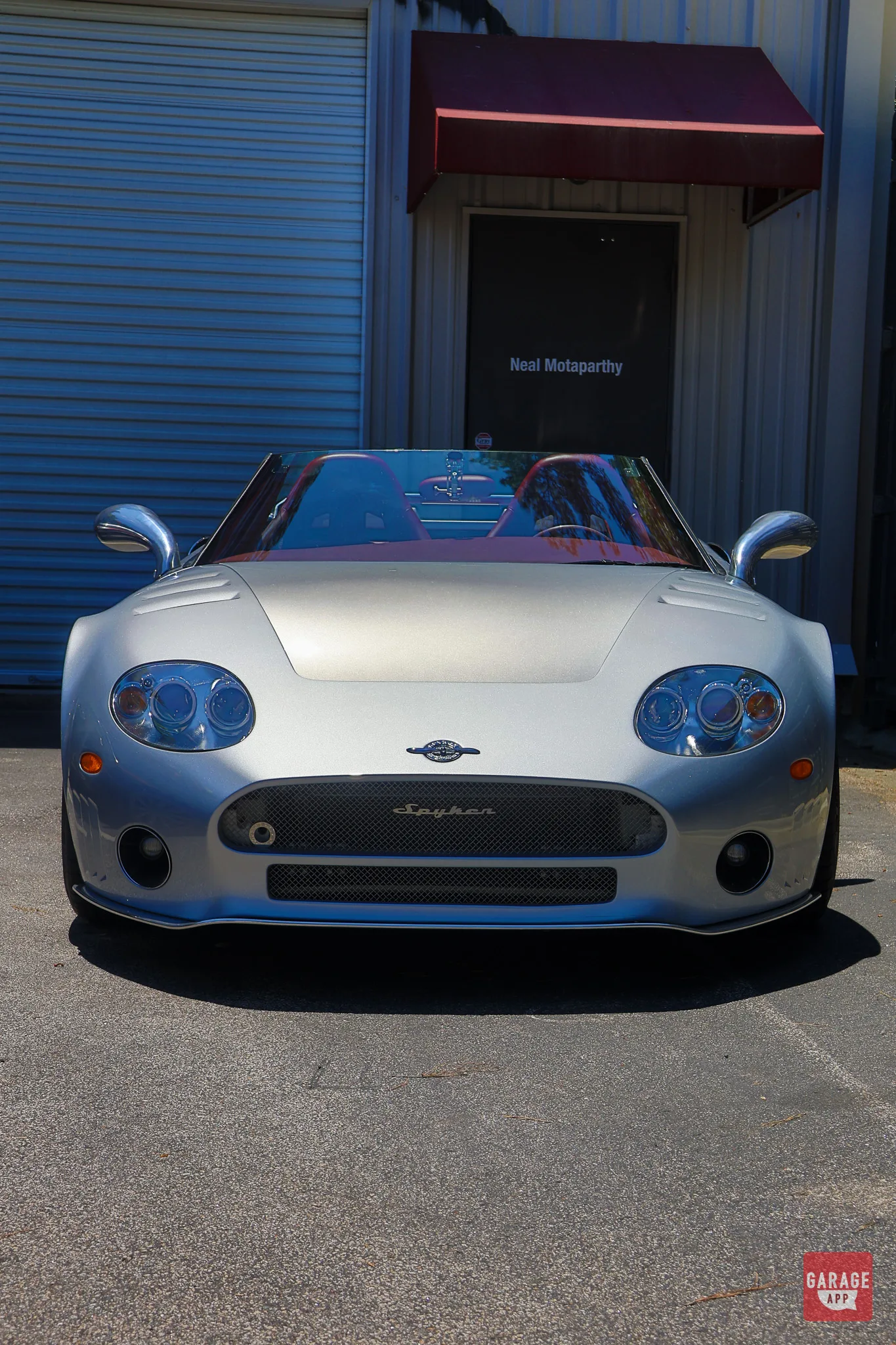
Modern Spyker was revived in 1999 by Victor Muller and Maarten de Bruijn. Their ambition was specific and narrow. They wanted to build an ultra-exclusive, hand-assembled Dutch supercar that prioritized craftsmanship and mechanical character over volume. Across the modern era the company produced only around 200 cars, which tells you everything about the philosophy.
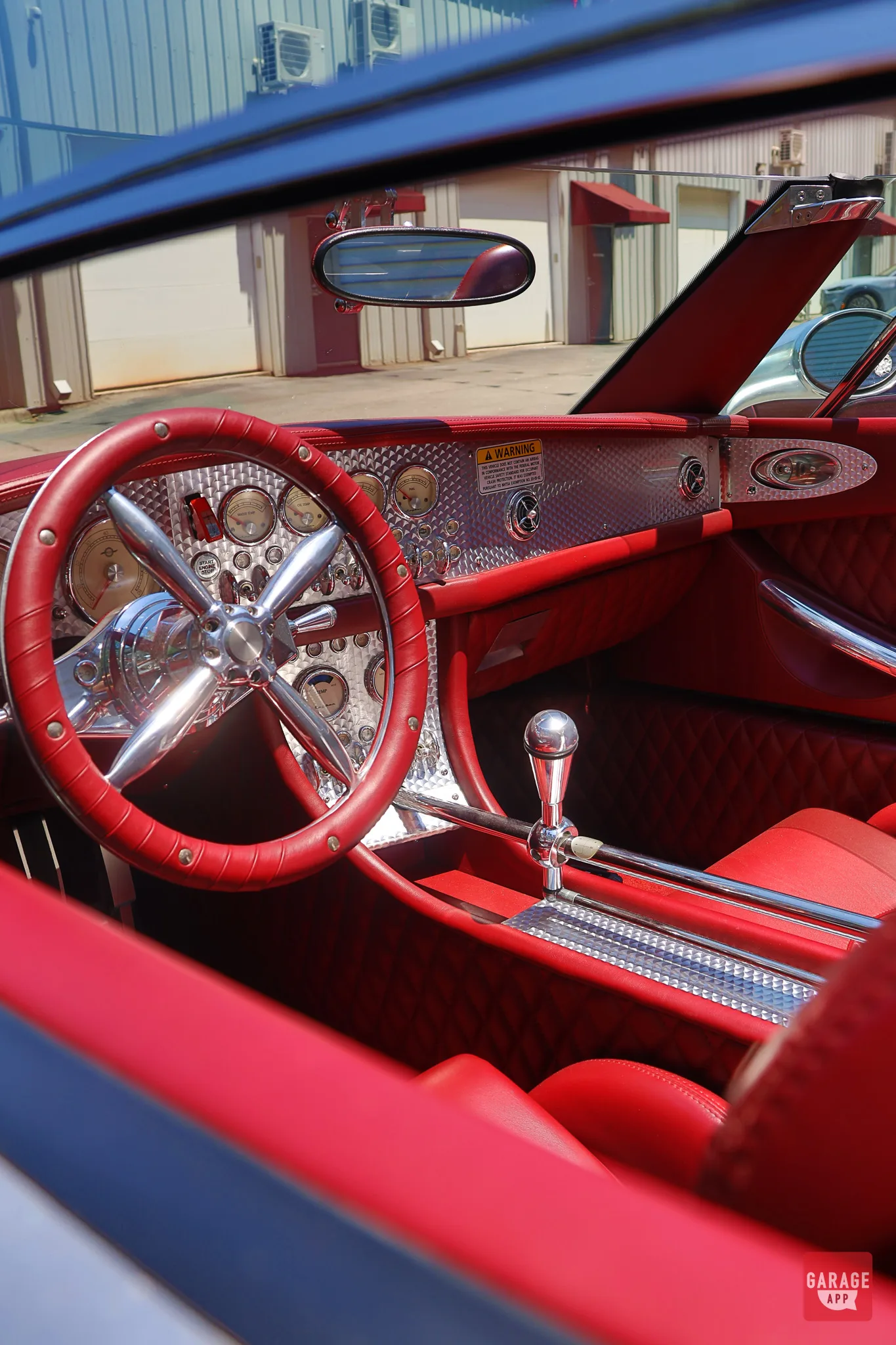
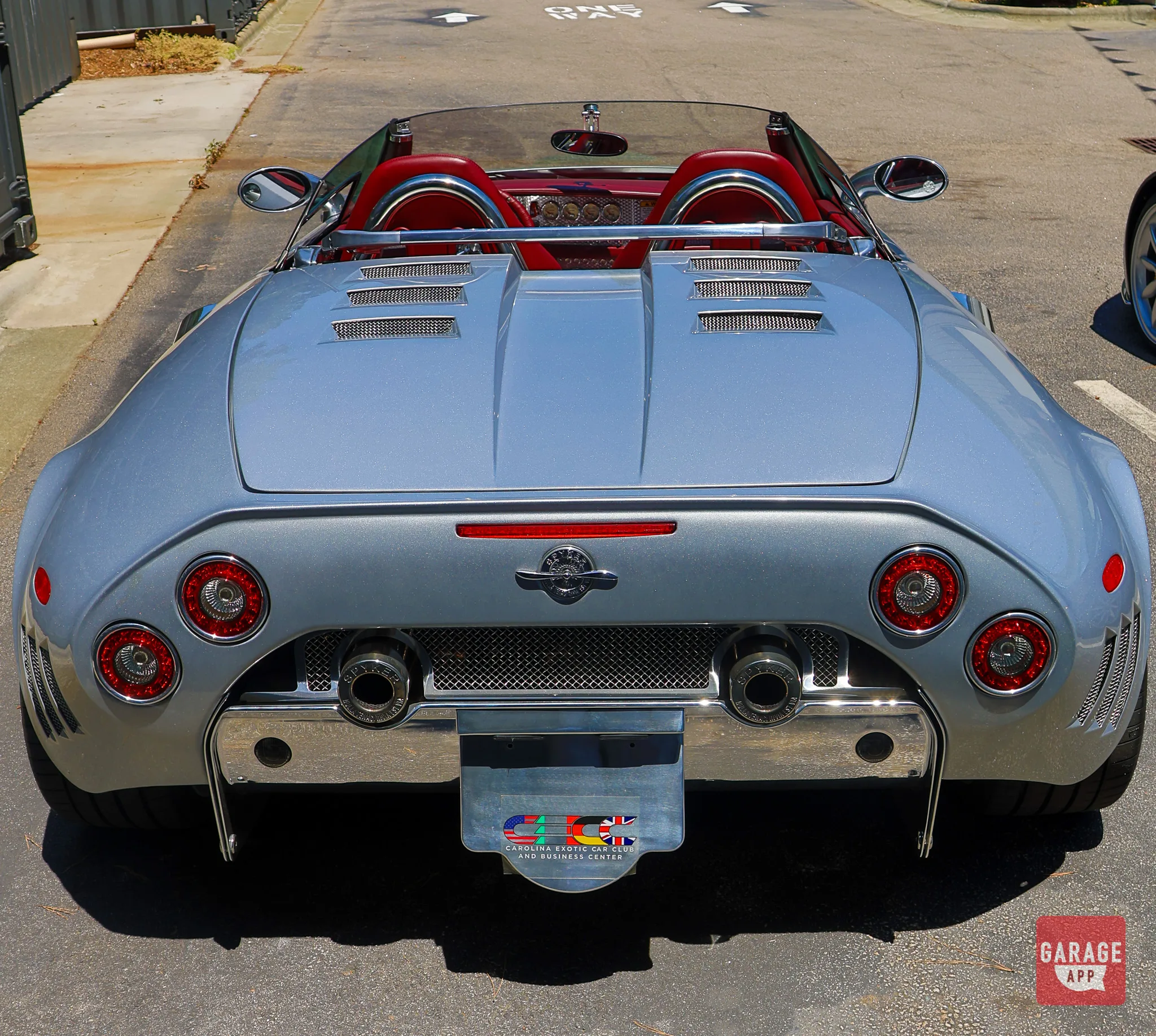
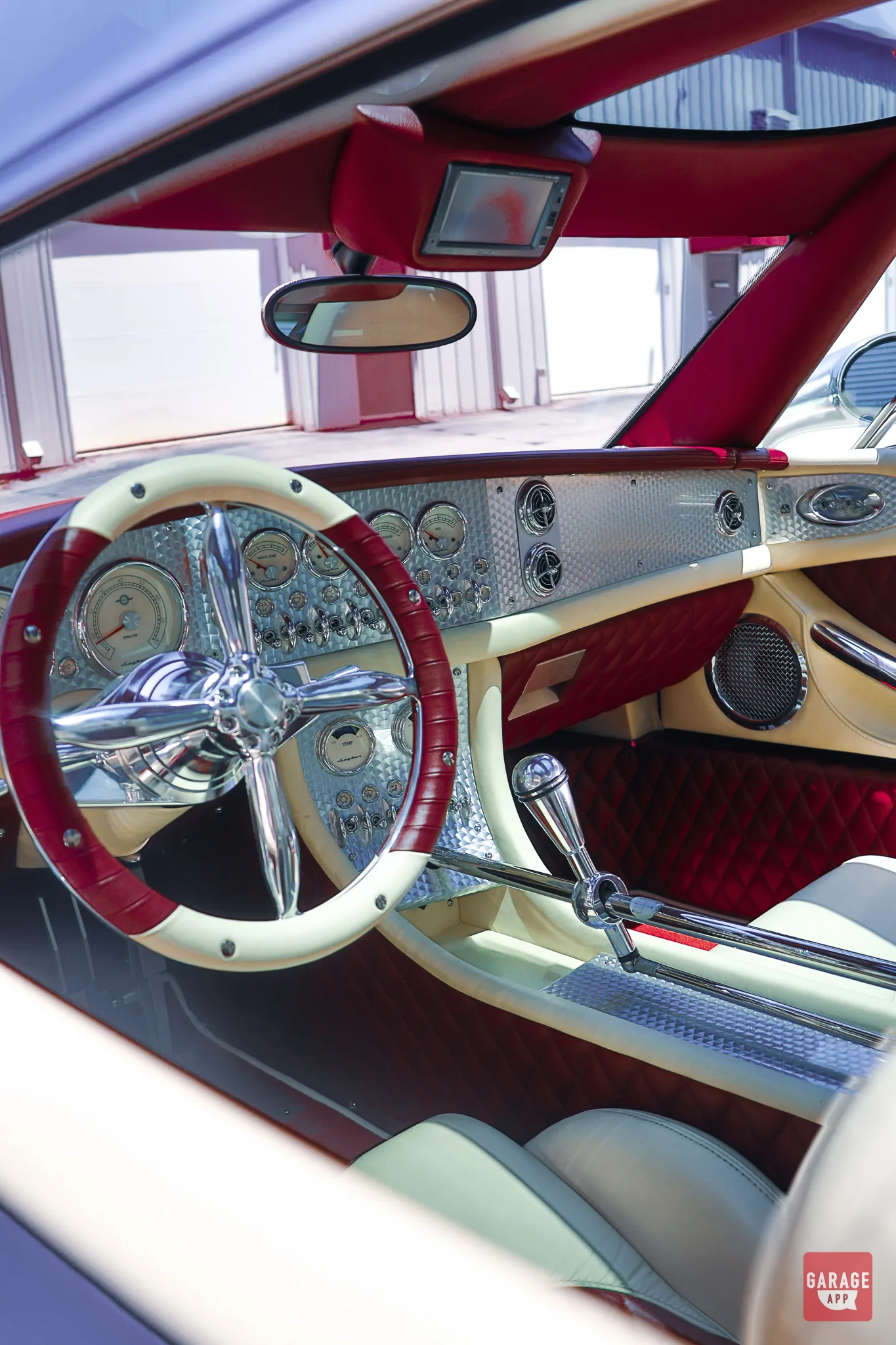
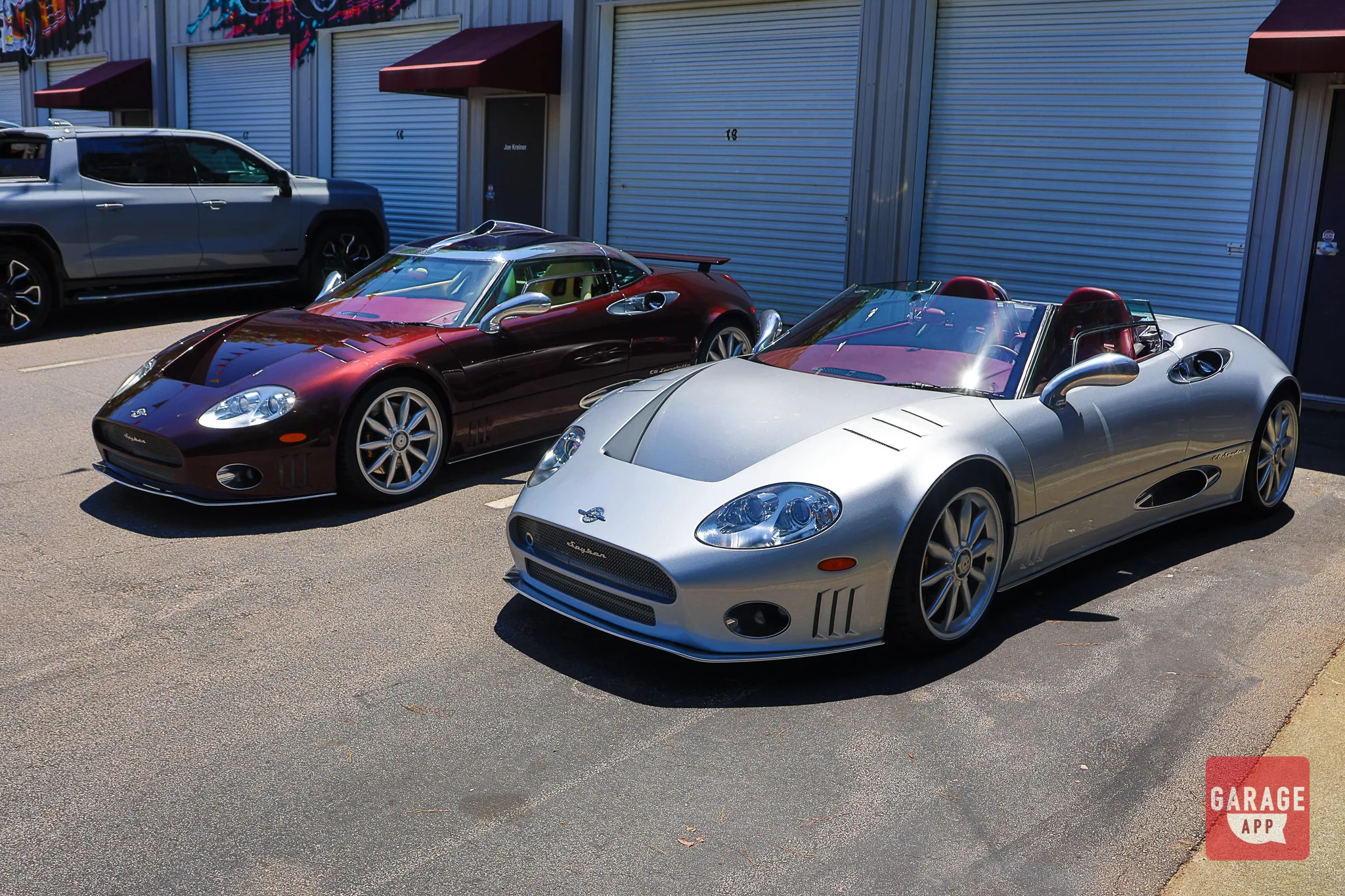
The C8 Spyder was the car that defined that language. It used an Audi 4.2-liter V8, a choice that gave owners a proven and durable powerplant without forcing Spyker to fund its own engine program. The structure was an exposed aluminum chassis, and the interior leaned hard into the aviation theme with toggle switches, a propeller-style starter, and machined metal everywhere your hands landed.
What set it apart was the honesty of the construction. This was a hand-built car that did not hide its engineering. You could see the aluminum, you could feel the mechanical connection, and the whole thing felt designed for people who valued process as much as performance. If you appreciate that same analog purity in other machines, the same instinct shows up in cars like the Porsche 991 Speedster.
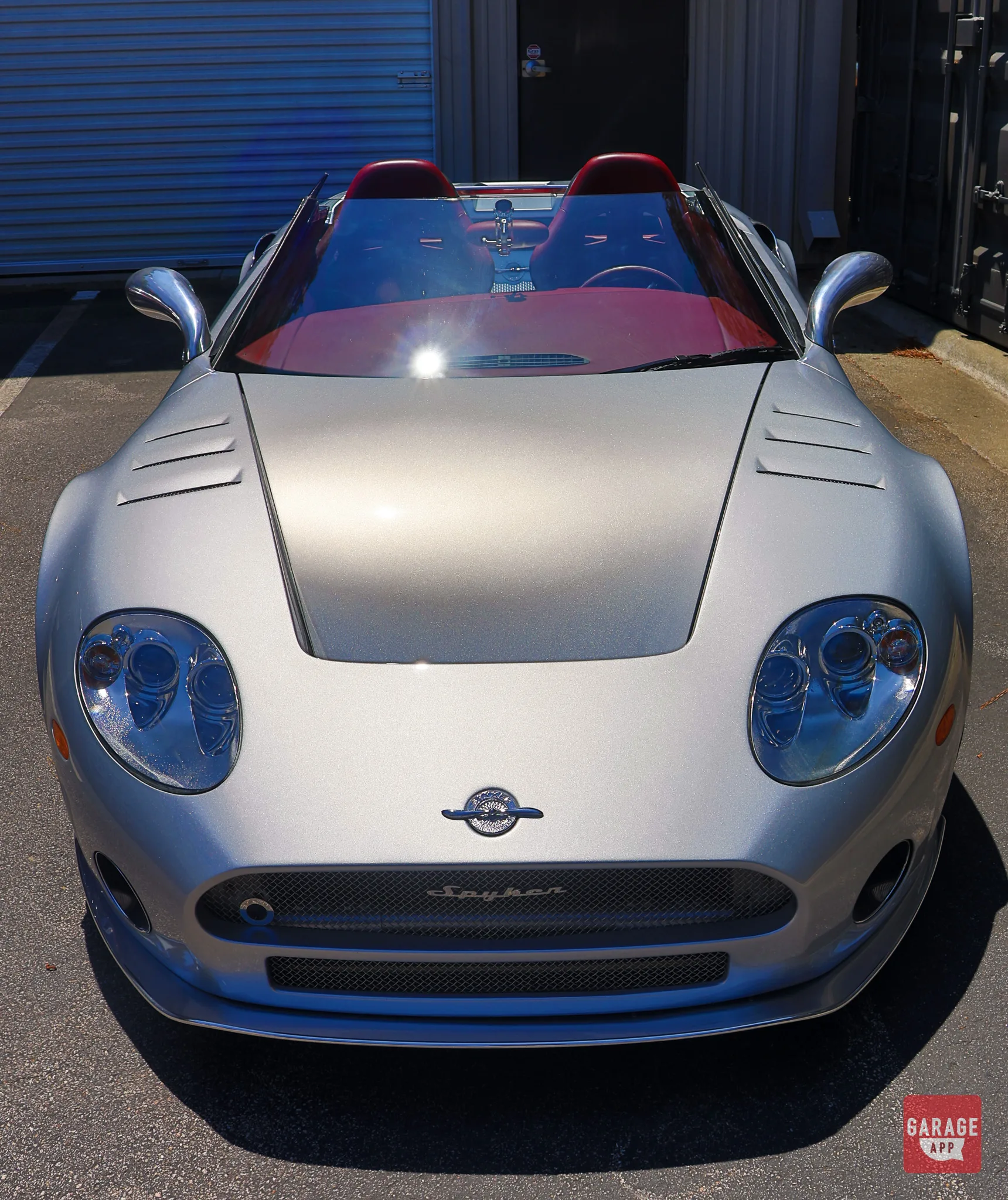
When evaluating any low-volume Spyker, ask for documentation on chassis history and prior service. With only around 200 cars built, provenance and a clear maintenance record matter far more than they would on a mass-produced exotic.
The C8 Laviolette and Automotive Artistry
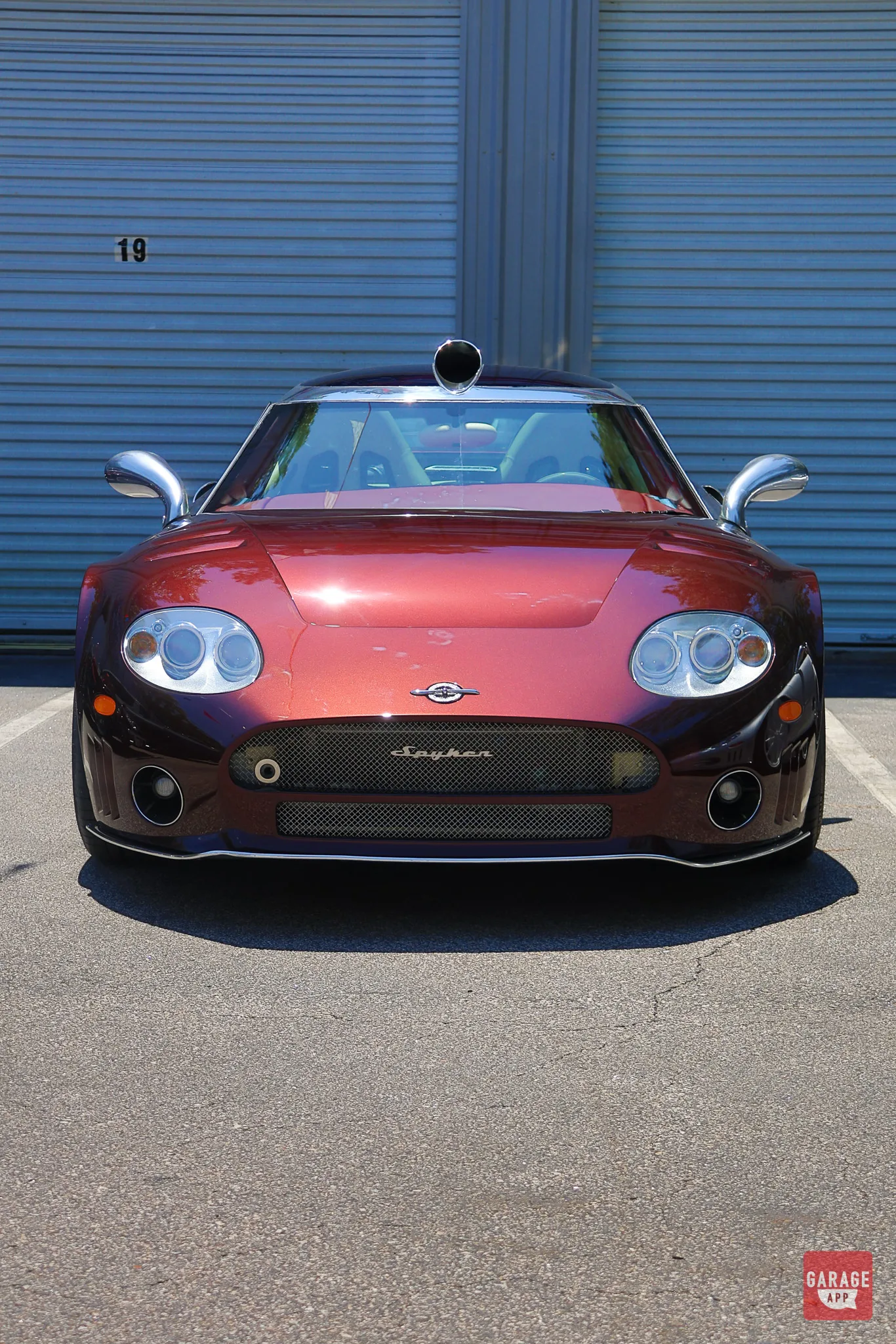
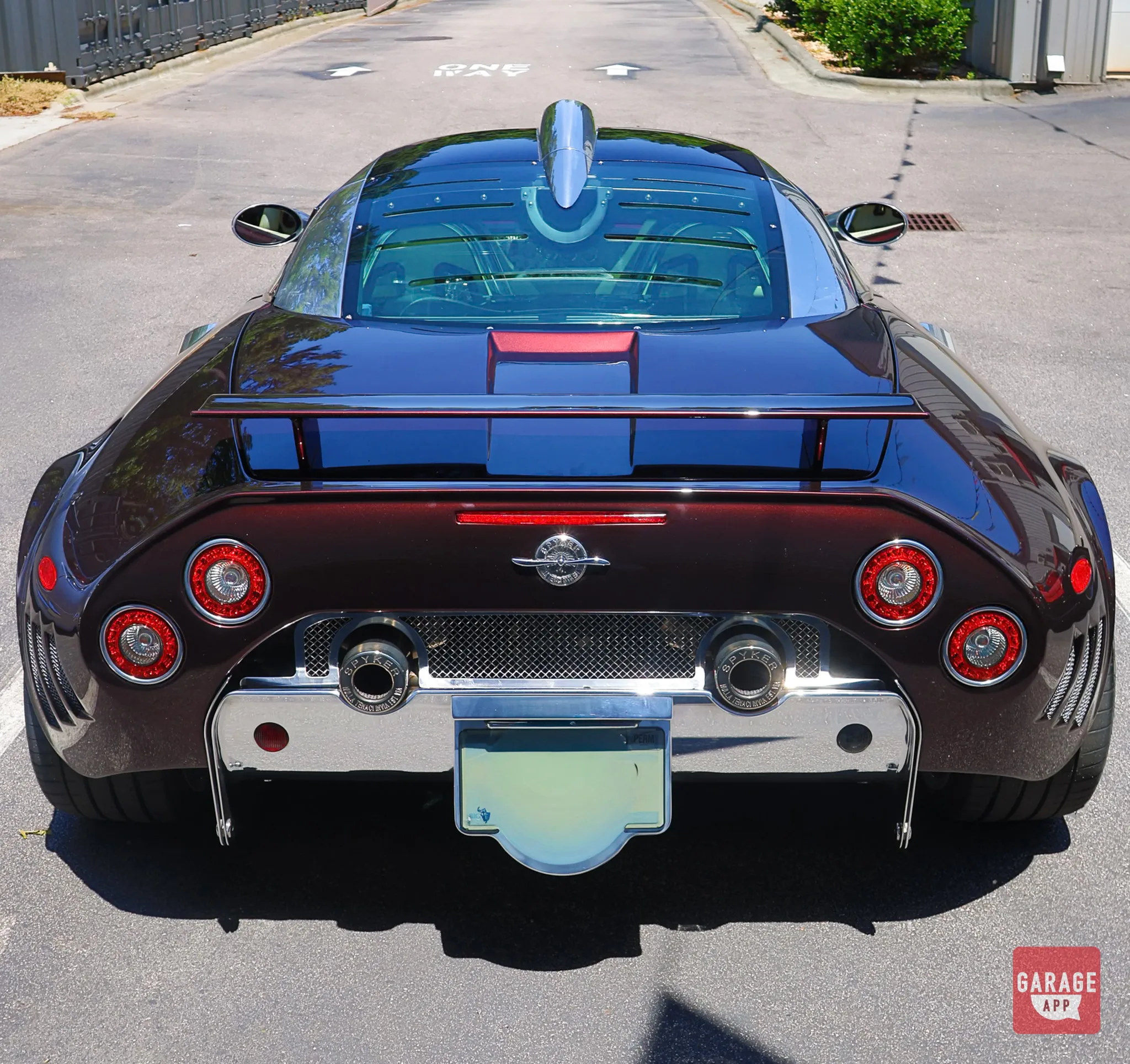
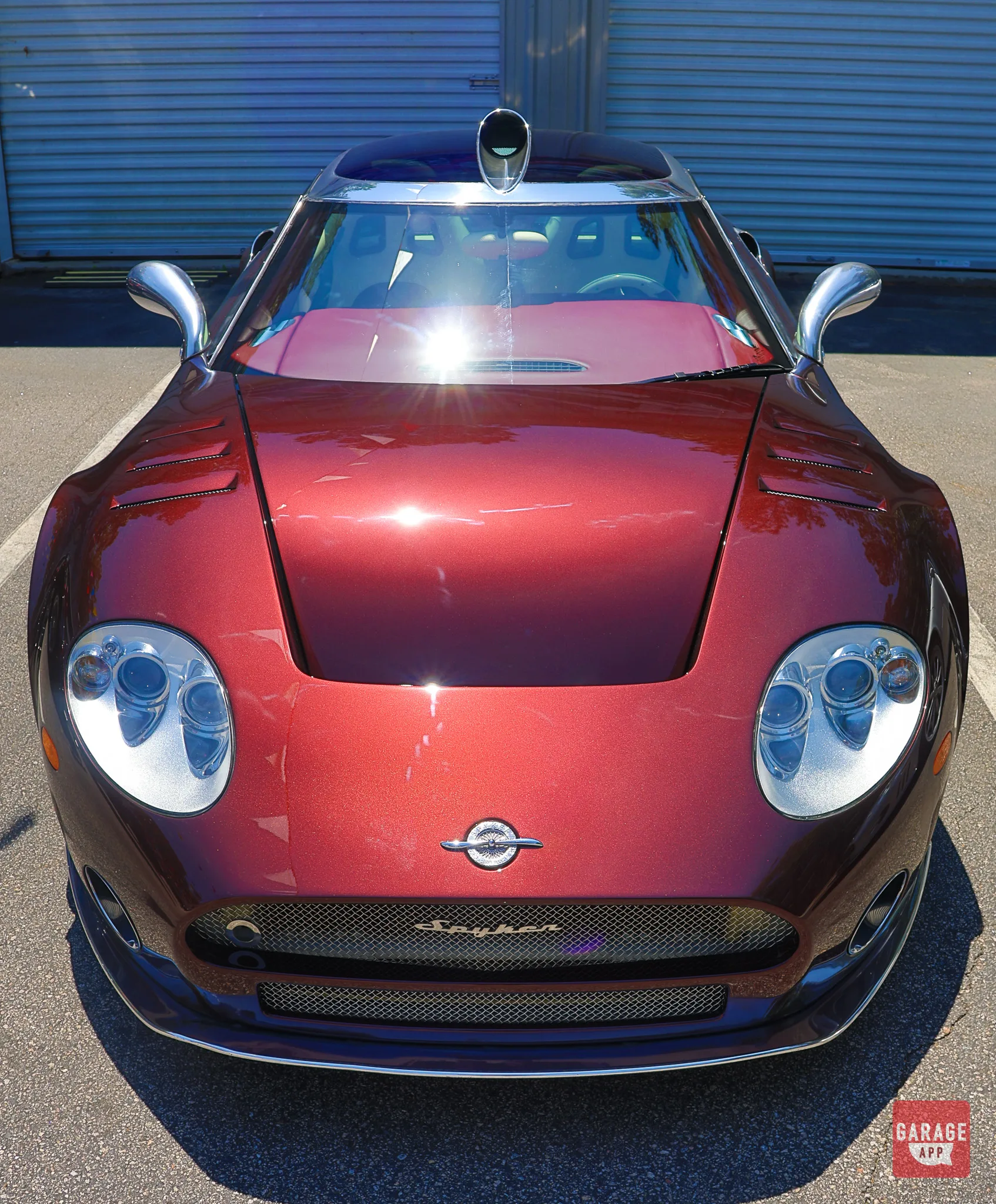
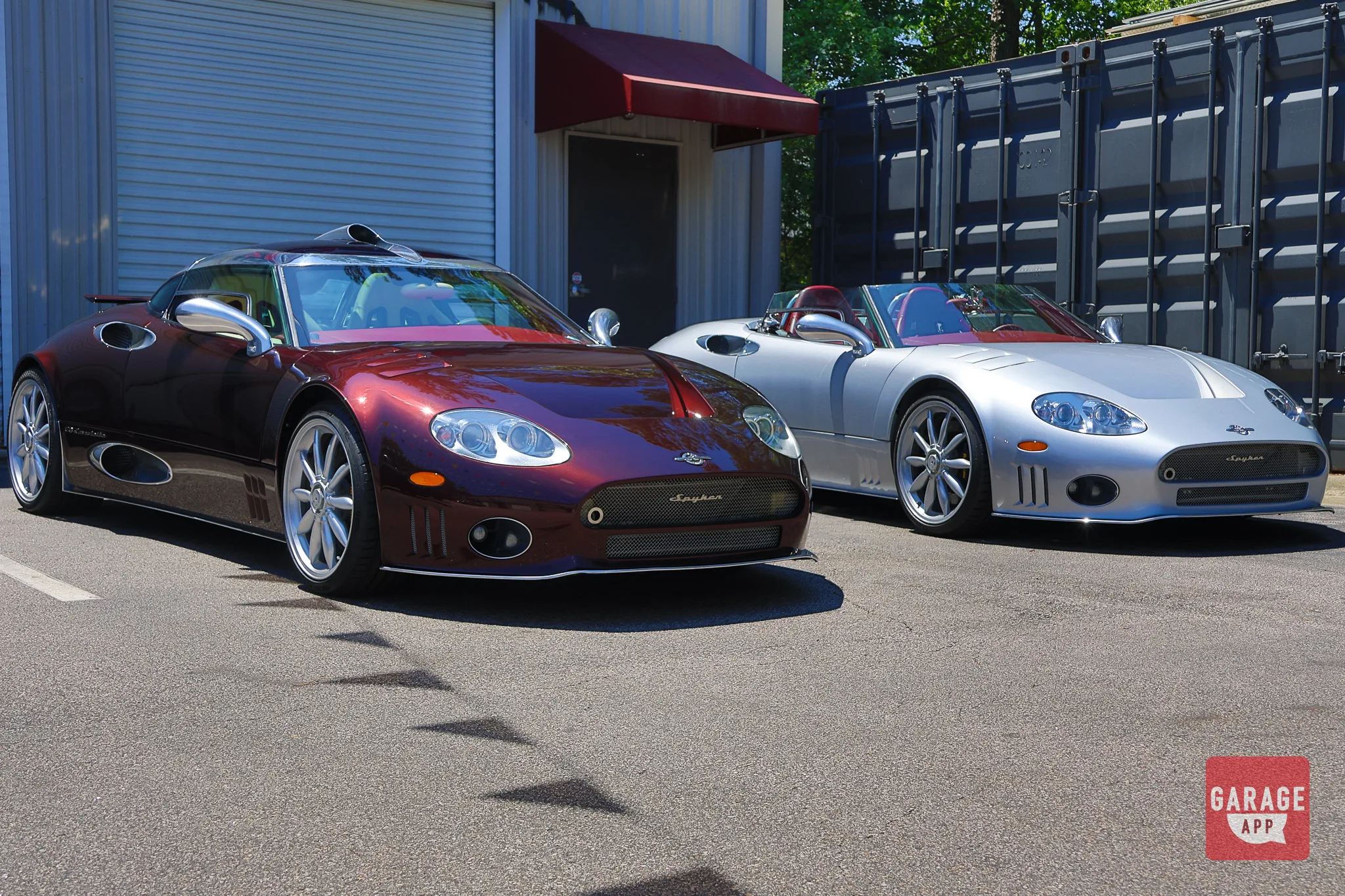
If the Spyder was the statement, the C8 Laviolette was the refinement. It was named after Joseph Valentin Laviolette, the engineer behind much of the original company's early technical work, which is a deliberate nod to Spyker's own history rather than an invented backstory.
The Laviolette's signature feature is its glass canopy roof, a single curved expanse that floods the cabin with light and gives the car an unmistakable silhouette. Many enthusiasts consider it the purest expression of what modern Spyker was trying to do. It combined the craftsmanship, the engineering, and the sense of individuality into one coherent object.
Nulla tenaci invia est via - For the tenacious, no road is impassable
Spyker company motto
Today the Laviolette remains highly collectible, partly because of its rarity and partly because it represents the brand at its most confident. It is not a car that chases trends. It is a car that commits fully to a specific idea of what a supercar should feel like.
Spyker Racing Legacy
Racing is where small manufacturers either prove themselves or get exposed. Spyker chose to compete, and that decision did more for the brand's credibility than any advertisement could have. The road cars gave birth to a series of racing variants built to handle real competition.
- C8 Double 12R, an early endurance racing development of the road car.
- C8 Spyder GT2-R, built for GT class competition.
- C8 Laviolette GT2-R, carrying the closed-roof concept onto the track.
These cars competed at Le Mans and at international GT events, putting a tiny Dutch outfit against far larger and better-funded teams. Then in 2007 Spyker stepped into Formula 1, running a full season in the most demanding motorsport on earth. The results were modest, which is no surprise given the resources involved, but the act of showing up mattered.
Racing validated the engineering. It showed that the exposed chassis and hand built ethos could survive real stress, and it pushed the Spyker name in front of a global audience that might never have encountered the road cars. For a company producing so few vehicles, that exposure was worth far more than the trophy count suggested.
If you are tracing the lineage of a Spyker race car, focus on the Double 12 development vehicles and prototypes. These cars carry the most engineering history and are the hardest to document accurately, which makes expert verification essential.
Jasper den Dopper and SpykerEnthusiast
Here is where the story gets interesting for anyone who actually owns or wants to own one of these cars. Building a supercar company is one thing. Keeping the cars running decades later, through periods when factory support thins out or disappears, is a completely different challenge. That is the gap Jasper den Dopper stepped into.
Den Dopper founded SpykerEnthusiast in the Netherlands, and over the years it has become one of the most important independent resources for the brand. The work spans restoration, maintenance, engineering, parts manufacturing, and detailed chassis documentation. When you build only around 200 cars and original support becomes inconsistent, that kind of independent capability is not a luxury. It is what keeps the cars on the road.
His portfolio is broad. He has worked on C8 road cars, Double 12 race cars, prototypes, and rare development vehicles that most people will never see in person. Because so many of these cars are one-offs or near-unique, the knowledge required to service them correctly is specialized and easily lost. By documenting chassis histories and manufacturing parts that are no longer available, SpykerEnthusiast preserves technical knowledge that could otherwise have vanished.
He supports owners and collectors worldwide, and within the community he is widely regarded as one of the foremost independent Spyker experts. If you collect any low-volume marque, you understand how rare and valuable that kind of focused specialist can be. It is the same logic that makes specialist knowledge so important across the wider classic and collector world.
It is worth stepping back to remember who set this stage in the first place. Victor Muller revived modern Spyker in 1999 alongside Maarten de Bruijn, and he served as the driving force behind the brand's vision, public image, and international expansion. He positioned Spyker as an ultra-exclusive Dutch alternative to Ferrari and Lamborghini, emphasizing hand craftsmanship, aviation inspired design, mechanical purity, and individuality over production volume. Under his leadership the company launched iconic models like the C8 Spyder and C8 Laviolette, which established the visual and philosophical identity that enthusiasts still associate with the marque today, and he pushed Spyker into motorsport through Le Mans campaigns and the acquisition of the Midland Formula One team in 2006, giving the small manufacturer a global platform and reinforcing racing as a core part of its identity. In short, Muller created and shaped the modern Spyker story, while later figures like Jasper den Dopper and SpykerEnthusiast helped preserve and sustain that legacy after production slowed and factory support became limited.
Spyker's Plans for 2026
Spyker has been written off before, and it keeps proving the obituaries premature. New investment and partnerships are supporting another revival effort, and the early signals suggest the brand is staying true to itself rather than chasing volume.
The focus remains on low-volume, hand-built exclusivity. The headline car is the Preliator XXV, expected to produce roughly 800 horsepower from a twin-turbo V8. That is a meaningful jump in output from the V8 era of the C8, but the philosophy behind it sounds familiar. Craftsmanship, individuality, and aviation-inspired design remain the core values.

Victor Muller has been clear about the conditions. He has stated that any future Spyker must remain true to the principles that defined the brand from the beginning, which means hand built craftsmanship, exclusivity, aviation-inspired design, and a distinctly Dutch identity rather than a pivot toward large scale production. He has also emphasized that the company's future depends on strategic partnerships and new investment, the kind of backing that lets Spyker stay independent and boutique instead of trying to compete head-on with mainstream luxury manufacturers.
- New investment and partnerships funding the revival.
- A continued commitment to hand-built, low-volume production.
- Major public milestones planned around Monterey Car Week and Pebble Beach.
Targeting Monterey Car Week and Pebble Beach is a deliberate choice. Those events are where serious collectors gather, and they are the right stage for a brand that sells craftsmanship and exclusivity rather than spec-sheet bragging rights. Recent plans suggest these venues will introduce the next chapter of the company, a clear effort to reconnect the historic marque with collectors, enthusiasts, and the wider global automotive community. Whether the revival succeeds long term is an open question, but the intent is consistent with everything Spyker has stood for. Muller remains the visionary behind modern Spyker's past and its future ambitions, while specialists like Jasper den Dopper and SpykerEnthusiast provide the technical continuity and preservation work that keeps the marque's heritage alive between revival efforts.
If you plan to chase a Spyker reveal at Monterey or Pebble Beach, build your trip itinerary early. The good viewing spots and event access for headline debuts fill up fast during Car Week.
Legacy of a Dutch Icon
Spyker's story is really three stories layered together. There is the original company from 1880 that proved the Dutch could engineer genuinely advanced cars. There is the modern revival that built the C8 Spyder and Laviolette and validated them through Le Mans and Formula 1. And there is the preservation effort, led by people like Jasper den Dopper, that kept the cars healthy and the knowledge intact when it mattered most.
What ties it all together is a refusal to disappear. This is a supercar company that has never produced cars at scale, never had the resources of its rivals, and never compromised on the idea that a car should be built by hand for someone who genuinely cares. The 2026 plans are just the latest chapter in that pattern.
For enthusiasts, that combination of rarity, history, and human craftsmanship is exactly what makes a marque worth following. Tracking these cars, their provenance, and the specialists who keep them alive is part of the fun, and it is the kind of obsession that builds real automotive history.
Nothing captures that refusal to disappear quite like a Spyker turning up where nobody expected one. Spyker #206 is exactly that kind of story, a genuine barn find that resurfaced after years out of sight and reminded everyone how thin the line is between a preserved icon and a forgotten one. Chassis histories like this are why documentation and independent expertise matter so much for a marque with only around 200 cars. You can read the full account in the story of the barn-find Spyker on GarageApp, and it is the perfect example of why tracking provenance is half the fun of following a car like this.