

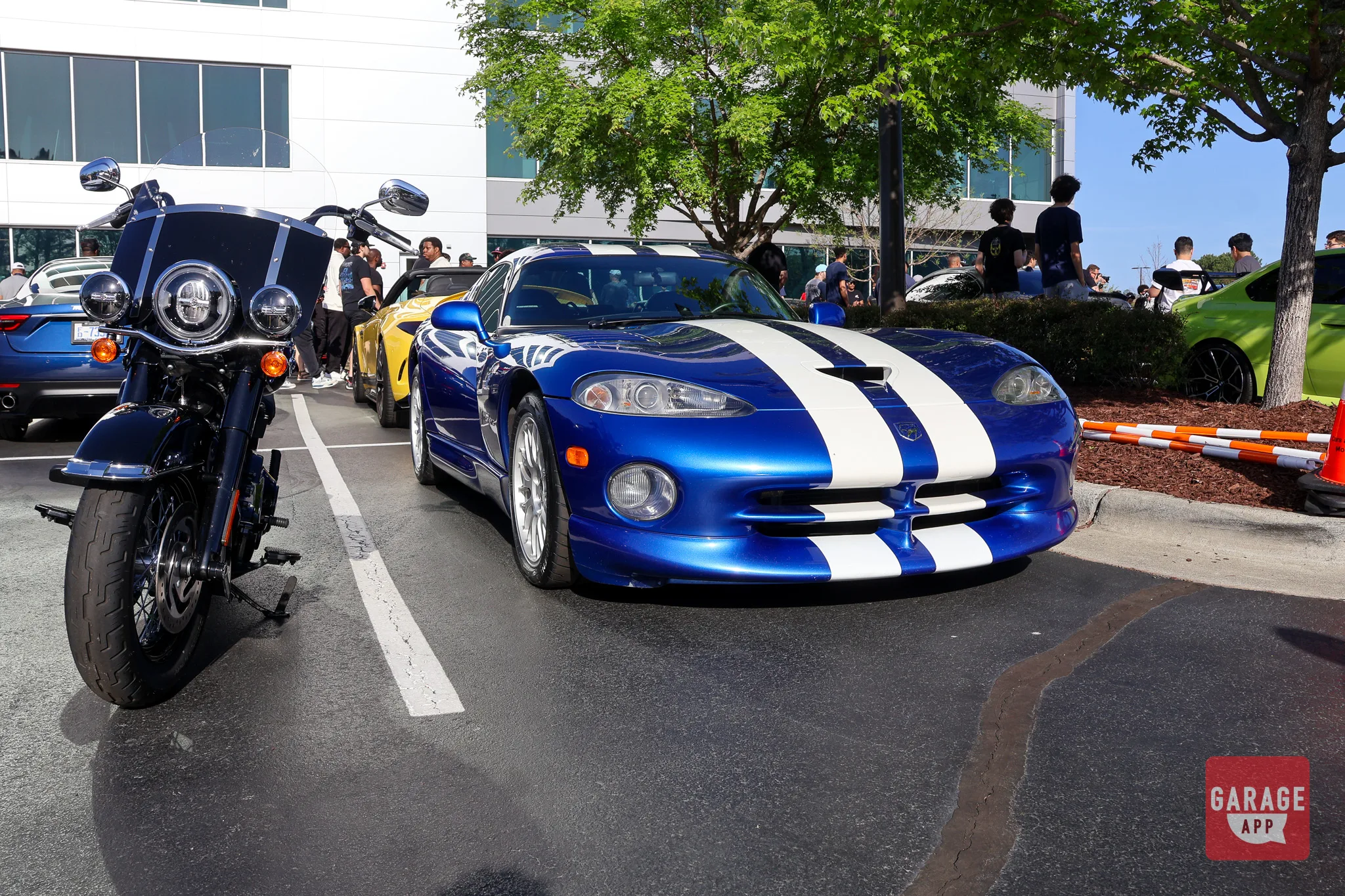
If you have been reading through our guide on classic, exotic, and collector vehicles, you already know that the collector world is far broader than auction headlines suggest. The Collector Vehicles section of that guide covers what qualifies a car or bike as collectible in the first place. This piece picks up where that leaves off and answers the harder question: how does a normal person actually start?
Most people never begin because they think they need a six-figure budget and a climate-controlled warehouse. Neither is true. The gap between wanting a collection and having one is smaller than it looks, and it usually comes down to picking a first vehicle instead of waiting forever for a perfect one.
The Barrier to Entry Is Lower Than People Assume
Collecting does not require exotic money. It never really has. Entry-level collector cars and motorcycles exist at every price point, from a tidy 1980s Japanese coupe to a first-generation air-cooled scooter that fits in a corner of your garage. The mistake is assuming the hobby starts at the top of the market. It does not. It starts wherever you are.
There is a strange trap that catches new collectors, which is the belief that the first piece has to be the piece. So they wait. They save, they research, they refresh listings, and years pass with nothing in the garage. A well-chosen, honest example bought now teaches you more than a rare unicorn you keep dreaming about. You learn how to store a vehicle, how it ages, what maintenance really costs, and what you actually enjoy owning.
The Collector section of our cornerstone guide makes the case that collectibility is about significance, condition, and desirability rather than sticker price. That framing matters here because it means a $6,000 car can be every bit as collectible as a $600,000 one. Start small, buy honest, and let the collection reveal itself.
Set a total budget before you fall in love with a listing. Emotion is the most expensive thing in this hobby, and a number written down in advance is the cheapest form of discipline you can buy.
Cars vs. Motorcycles as a Starting Point
The car-or-bike question is not really about which you love more. It is about what fits your life, your space, and your wallet right now. Both are valid entry points into the collector world, and plenty of people end up doing both eventually.
Lower cost of entry with motorcycles
Motorcycles let you into the hobby for a fraction of what a comparable car costs. A collectible bike from the 1970s or 1980s can often be had for the price of a decent used commuter. The savings continue after purchase. Tires, fluids, and consumables cost less, storage takes a quarter of the room, and you can do most basic service yourself in an afternoon. For a lot of first-time collectors, a bike is simply the easier yes.
Space and storage differences
This is the practical dividing line. Three motorcycles fit in the footprint of one car. If you rent, live in a townhouse, or share a single-bay garage, a small stable of bikes is realistic in a way that a car collection is not. Riders who plan trips around their machines, like those reading our motorcycle road trip planning guide, often find that a collection grows naturally because each bike serves a different purpose. Cars ask more of your square footage, but they also shelter you from weather and carry more people, which matters if the collection is meant to be driven and shared.
What to Look for in a First Piece
Once you know whether you are leaning toward two wheels or four, the shopping mindset matters more than the specific model. New collectors tend to chase the wrong things.
Condition over rarity
A solid, well-documented, running example beats a rare one riddled with problems, every single time, especially for a first purchase. Rarity is exciting on paper and miserable in practice when the car needs parts that no longer exist. A common model in excellent condition will be cheaper to own, easier to enjoy, and simpler to sell if your tastes change. Buy the best example of an ordinary thing before you buy an ordinary example of a rare thing.
Parts and service availability
Early on, practical maintenance access matters more than bragging rights. Can you get brake pads without waiting three months? Is there a specialist within driving distance? Does a healthy owners community keep reproduction parts flowing? Some vehicles that look collectible on paper fall into awkward gaps in the market. Our breakdown of classic, exotic, and collector definitions is worth reading here, because understanding what category a vehicle falls into tells you a lot about how easy it will be to keep on the road.
Before you buy anything, spend an evening pricing the three most common repairs for that model. If those numbers make you wince, walk away now rather than later.
Budgeting for the Real Costs
The purchase price is the smallest number you will deal with over the years you own a vehicle. It is the down payment on a longer relationship. Storage is a recurring cost whether you rent space or give up part of your garage. Specialty insurance, agreed-value coverage, and the occasional bill for servicing all stack up quietly in the background.
None of this should scare you off. It just means the honest budget includes more than the asking price. A cheap car that lives outside and rusts costs more in the long run than a slightly pricier one kept properly. For a fuller picture of protecting and housing a collection, our guide on cataloging and tracking your collection walks through how owners keep tabs on the real running costs over time.
Verifying What You're Buying
Even at entry-level prices, basic provenance checks save you from expensive regret. Match the numbers on the frame, engine, and title. Ask for service records, old registrations, and any receipts a previous owner kept. Gaps in a story are not always dishonest, but they are always worth asking about.
A vehicle with documentation is worth more and easier to trust, and the habit of demanding paperwork now will serve you when you eventually buy something more valuable. Understanding what actually makes a car or motorcycle a classic helps you read a listing critically, because it teaches you which details genuinely add value and which are just marketing. Bring a knowledgeable friend or hire a pre-purchase inspection. It is the cheapest insurance in the whole process.
Growing a Collection Over Time
Your first purchase quietly sets the direction for everything after it. Some people fall for a single marque and go deep, ending up with a shelf of the same badge across different eras. Others branch sideways, adding a motorcycle to a garage full of cars, or building a small collection around one decade they love. There is no correct path, and the fun is in letting your taste evolve. If you want the wider view of everything that comes with ownership, from maintenance to insurance to reading the market, our owner's guide to classic, exotic, and collector vehicles ties the whole journey together.
The thing that accelerates a collection more than money is community. Owners who know their model share parts leads, honest mechanic recommendations, and the private-sale listings that never hit the big auction sites. That is exactly where GarageApp fits. It is a geo-location-first social network for car and motorcycle enthusiasts, so you can find nearby owners by make, model, and year, join local Cars and Coffee gatherings and cruises, create or join groups built around a marque or club, and track your growing stable in a Virtual Garage. Often the best way to find your second vehicle is to find your first community around the one you already have.
Buy the best example of an ordinary thing before you buy an ordinary example of a rare thing.
A rule most collectors learn the expensive way