

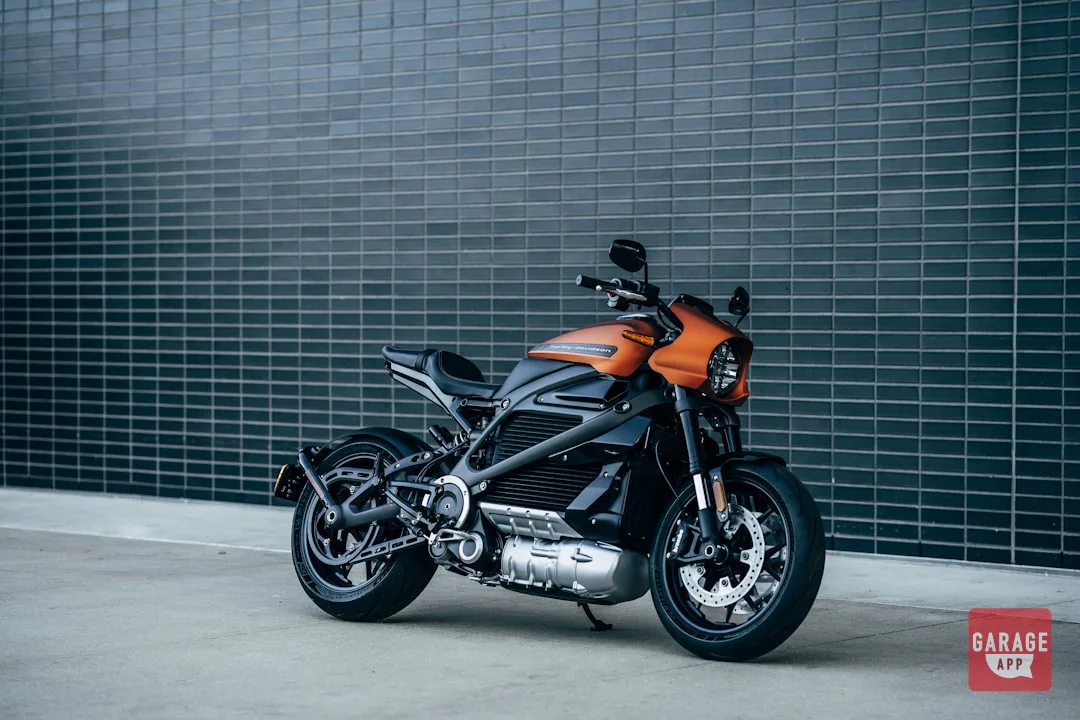
There's nothing quite like twisting the throttle on an empty highway and watching the landscape shift with every mile. After six cross-country trips over the past decade, I've learned that the gap between a great road trip and a forgettable one almost always comes down to planning. Not the rigid, joyless kind, but the kind that quietly handles the boring stuff so you can spend your attention where it belongs: on the riding.
Everything here comes from real experience, more than 40,000 miles on two wheels. Whether you're chasing a weekend escape or a full two-week adventure, these strategies will help you ride smarter and enjoy every mile of it. And if you're rolling out with friends, our multi-car convoy road trip guide covers the group logistics that apply just as much to a pack of bikes.
Choosing Your Route: Where the Best Roads Actually Are
Let's start with a hard truth: not every famous road is fun to ride. Some of the most hyped routes are choked with traffic or paved dead flat. What you want are roads with character, real curves, and minimal congestion. If you're hunting beyond this list, our guide on how to find the best driving roads near you will help you scout your own. These five deliver.
Pacific Coast Highway (California)
PCH from Monterey to Big Sur is non-negotiable. You'll thread roughly 2,000 curves in 150 miles, most of them sweeping and smooth, and the views will tempt you to stop every 20 minutes. Honestly, you should. Camp in Big Sur, give yourself at least three days, and don't worry about the other riders. The road is wide enough that it never feels crowded.
Tail of the Dragon (North Carolina)
318 curves in 11 miles. That's the whole legend. The road is tight but well-maintained, and you'll be turning almost constantly, so run it early before the car traffic arrives. The towns nearby, Robbinsville especially, offer solid rider-friendly food and beds. Most people ride it twice in a day, since the first run is about survival and the second is finally about enjoyment.
Beartooth Highway (Montana/Wyoming)
This one hits different at altitude. You're cruising past alpine lakes at 10,000 feet with switchbacks that seem to go on forever, the pavement smooth and the curves technical without ever feeling scary. It's summer only, typically June through September. The three-hour run from Red Lodge to Cooke City can reset your entire mood. If altitude riding hooks you, our Grimsel Pass road trip through the Swiss Alps is the international version of that same high.
Blue Ridge Parkway (Virginia/North Carolina)
469 miles of flowing curves through the mountains, no commercial trucks, a reasonable speed limit, and a dozen scenic pullouts where you can stop without feeling rushed. It's easier than the Dragon but far longer, so pace yourself. Ride it in fall if you can, when the leaves make every corner feel brand new.
Route 66 (Chicago to California)
The full run is 2,400 miles, but most riders tackle sections. The middle stretch through New Mexico and Arizona is where it comes alive, with red rock landscapes and small towns that haven't changed much since the 1960s. Gas stations get sparse out here, so plan your fuel stops carefully. This route is more about the experience than the riding quality, and that's exactly the point.
Essential Gear You'll Actually Use
Here's the thing about road trip gear: the fancy stuff sounds good, but the practical stuff saves your trip. I've had expensive gear fail and cheap gear hold up. What matters is matching the tool to the situation.
Luggage Systems
Soft luggage beats hard luggage in the curves because the weight distribution is more forgiving. Kriega makes excellent rucksacks and tank bags that attach cleanly without mounting brackets, while Nelson-Rigg builds affordable duffel systems that fit almost any bike. For a seven-day trip, aim for 40 to 50 liters of capacity total. Go beyond that and you're carrying too much, and your back will let you know.
Use compression bags inside your luggage. They keep everything organized and let you pack more efficiently, and I run two or three per bag. They cost about $20 total, and they might be the smartest purchase you make.
Rain Gear That Actually Works
A riding jacket with a waterproof liner is non-negotiable. KLIM, REV'IT, and Alpinestars all make reliable options that don't feel like plastic bags. Pack lightweight rain pants too. Getting soaked in hour one is miserable, but getting soaked in hour six, still 200 miles from camp, is genuinely dangerous.
Keep rain gear in the top pocket of your luggage, never at the bottom. When the weather turns, you'll need it fast.
Tools and Emergency Kit
You don't need a full mechanic's shop. Carry a tire repair kit with plugs and reamer, a basic wrench set, spare oil, a spare belt or chain depending on your bike, electrical tape, zip ties, and a portable tire pump. Roadside Service Plus or AAA coverage is worth the cost. I've only needed it once in 40,000 miles, but that one time saved me from pushing a 500-pound bike three miles in the heat. The same pre-trip discipline that four-wheel adventurers use in our 4x4 off-road prep checklist applies here: sort your gear before you need it, not on the shoulder.
Navigation and Comfort
Get a waterproof phone mount, and keep a paper map as backup for remote areas like the Southwest where cell coverage disappears. Download offline maps on Google Maps before you leave. REVER is built for motorcycle route planning and lets you save routes with waypoints and gas stops, while Calimoto does similar work with strong route recommendations. It also helps to keep your bike's specs and service records handy in a virtual garage app so you know exactly what you're riding into a long trip with.
A tank bag with a map window keeps important info visible without constant stops. And heated grips are a genuine game-changer if you're riding into cool weather. You'll appreciate them more than you'd expect.
Planning Your Budget for a Seven-Day Trip
Here's what a realistic budget looks like, assuming you're riding solo and either camping or using budget motels.
These numbers assume you already own your motorcycle and gear. If you're buying gear specifically for the trip, add another $500 to $1,500 depending on what you need, with a quality riding jacket and rain gear as the first priority if you don't have them.
Eat breakfast at a diner before you ride. It's cheaper than grazing on fast food all day, and packing gas station snacks like nuts and energy bars keeps you going between stops. Your wallet and your stomach will both thank you.
Safety Considerations That Actually Matter
Fatigue kills, and not in a dramatic way, but in a boring, preventable one. If you're tired, stop. Cap your day at 350 miles at the very most, and even that's generous. Most good riders do 200 to 250 miles and call it a day.
Check the weather before you ride. Afternoon thunderstorms in the Southwest can be intense, so pull storm reports for your route the night before. If big weather is coming, adjust your timing or find shelter, because no ride is worth getting caught in hail.
Ride defensively on unfamiliar roads. That decreasing-radius turn you didn't see coming will drop you faster than you'd think, so on twisty roads, assume every corner tightens. Brake hard before the turn, not during it. If your route crosses state lines, it's worth knowing the local rules too, and our lane splitting laws by state guide is a quick way to check before you cross a border.
Tell someone where you're going and when you expect to check in. This isn't paranoia, it's basic safety. Most road trip disasters happen when nobody knows where you are.
Carry a first aid kit and know how to use it. Learn how to fix a flat before you leave home, not while standing on the shoulder in 100-degree heat, and test your gear in the driveway. A helmet light that works at home might not work when you actually need it.
The Tools That Make Planning Easier
REVER is the best motorcycle route planning app available right now. Import routes from other riders, add waypoints for fuel stops, and sync everything to your phone. The community ratings help you skip the bad roads before you ever ride them.
Calimoto focuses specifically on curvy roads, which makes it ideal for trip planning. You can filter by curve intensity and road surface, then export routes straight to your navigation unit.
Google Maps offline is underrated. Download your entire route and the surrounding areas before you go, and you'll have zero-battery access to the map, which is huge when you're in the middle of nowhere with a dying phone.
Roadtrippers rounds it out with excellent recommendations for stops along the way, from diners and scenic pullouts to the occasional odd roadside museum. And if the trip lights a fire under you to keep sharing your rides, our guide on documenting your build online works just as well for a two-wheeled travel log.
What Most Riders Forget (And You Shouldn't)
Sunscreen. You'll be in the sun for eight hours on some days without realizing it because you're locked in on the ride, and your neck and wrists will burn badly. Pack good sunscreen and use it.
Extra socks. It sounds silly, but wet socks on day five will wreck your mood faster than almost anything, so pack double what you think you need.
A camera plan. Some of the best light you'll ever ride through happens on these trips, so it pays to know how to photograph your motorcycle like a pro before you leave. A small notebook helps too: jot down the spots worth remembering, track your fuel consumption, note your mileage. It quietly becomes a memoir of the trip, and you'll flip through it for years.
Your bike's service schedule. Before a long trip, check tire condition, fluid levels, brake pad wear, and chain tension. A breakdown far from home costs ten times what the same maintenance costs in your garage.
The Real Reason to Do This
A motorcycle road trip strips away the noise of daily life. No email, no meetings, no obligations beyond the road in front of you and the sky above. You'll meet other riders at gas stops and diners, discover towns you never knew existed, and roll through corners that make you grin while you're still in them. If you'd rather not go it alone, learning how to find motorcycle riders and groups near you is the easiest way to turn a solo run into a shared one.
If the long-distance, off-grid side of this appeals to you, the wider world of overlanding builds, gear, and off-grid camps is a natural next rabbit hole. The planning is just what gets you there. The trip itself is the freedom, and that's worth every single mile.