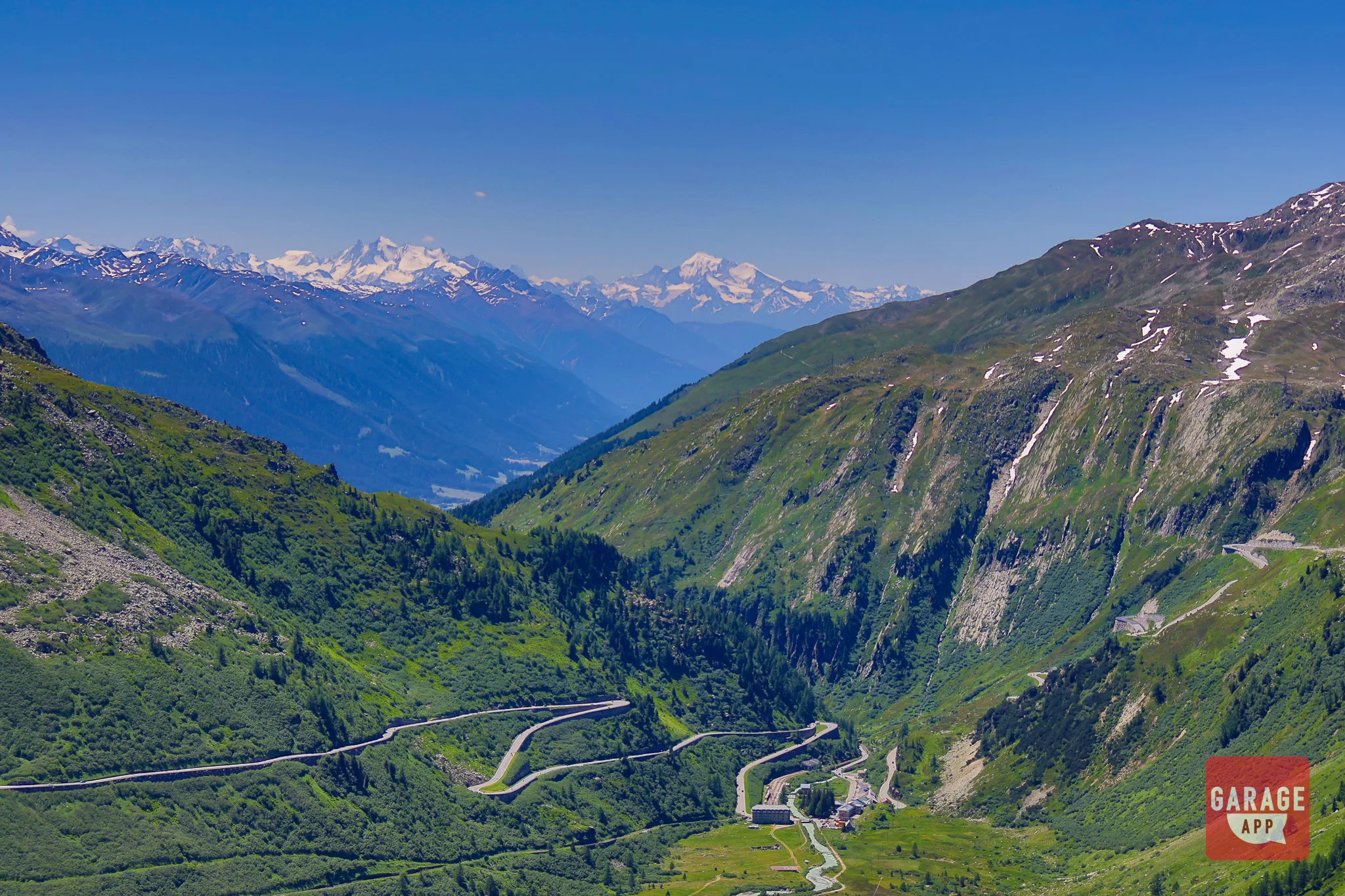

There is a certain kind of road that stops being just asphalt and becomes a destination. The Swiss Alps driving route through Grimsel Pass is one of them. Ask any serious enthusiast about their bucket list and somewhere near the top, alongside the Nürburgring and the Stelvio, sits a tangle of hairpins in the Bernese Oberland where the tarmac clings to granite and the air thins with every switchback.
I had wanted to do this drive for years. Not because a magazine told me to, but because the images kept finding me. A lone car threading stone-walled bends. An abandoned hotel perched impossibly on a cliff. Drivers from a dozen countries converging on the same mountain. This is my account of piecing it together, driving it, and why it turned into more than a single trip.
Why the Swiss Alps Are a Bucket-List Drive
Plenty of places have great roads. What makes Switzerland special is density. Within an area you could cross in an afternoon, you have some of the best driving roads Switzerland has to offer stacked practically on top of one another. Grimsel, Furka, Susten, Nufenen, the Gotthard's old cobbled Tremola. You can link three or four legendary passes into a single day without ever repeating a corner.
Then there is the road quality. Swiss engineering is no cliche when you feel it under the tires. The surfaces are smooth and the sightlines through the hairpins are honest, which means you can trust the road and actually enjoy it instead of fighting broken tarmac and blind guesswork.
- Elevation drama: Grimsel tops out around 2,164 meters, and the road rises and falls through hundreds of meters in minutes.
- Scenery that changes by the corner: Glacial lakes give way to granite walls, then summer snowfields, then deep valleys dropping away below you.
- Iconic passes clustered together: This is a genuine alpine mountain pass road trip with almost no dull transit stages between the good bits.
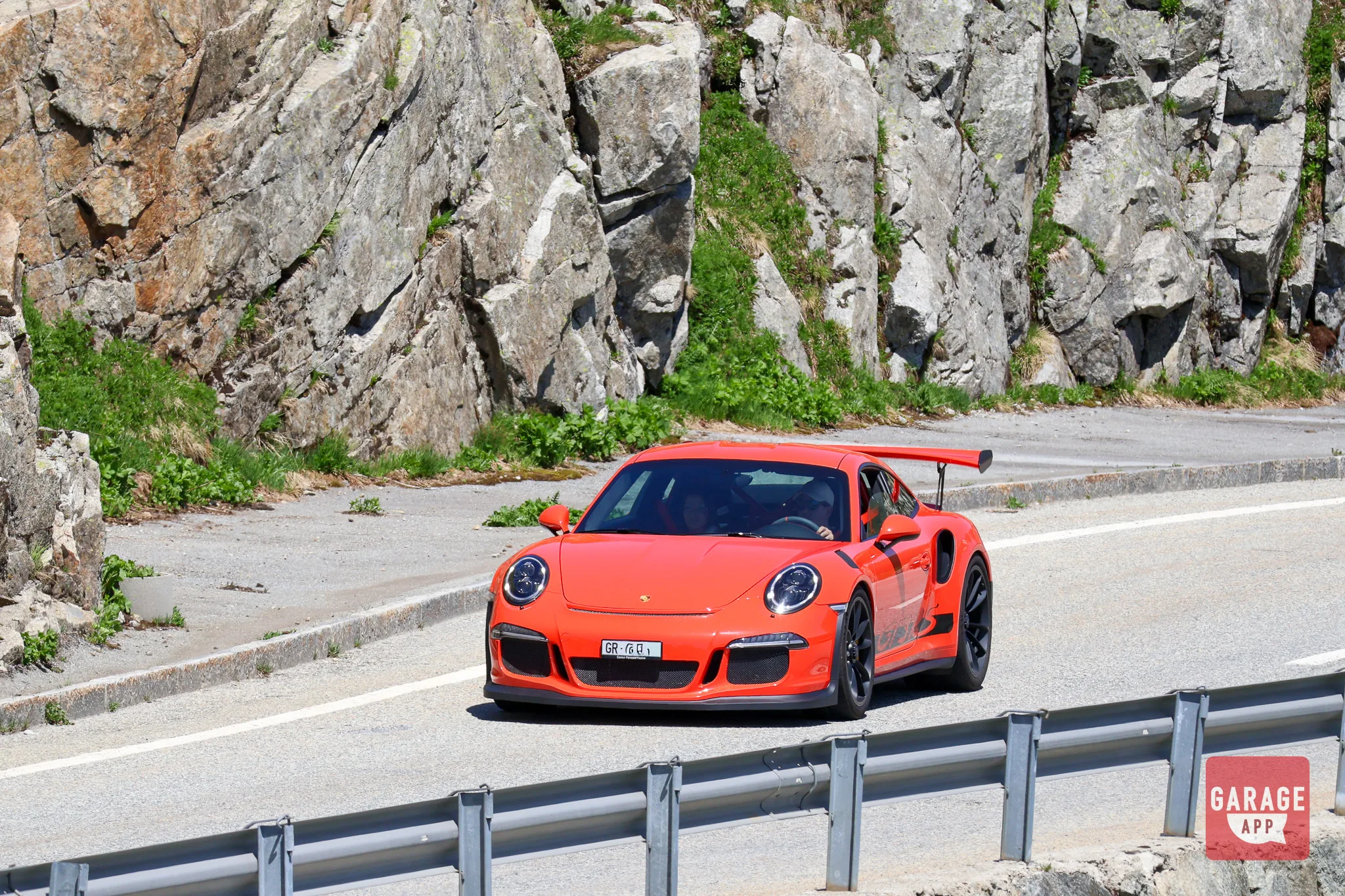
You do not drive the Swiss Alps to get somewhere. The road is the somewhere.
A rider I met at the Furka summit
Planning the Route
The mistake most first-timers make is treating each pass as an isolated stop. What you actually want is one cohesive loop where the passes flow into each other. The classic move is the Grimsel-Furka-Susten triangle, roughly 100 kilometers of near-continuous switchbacks that connect back to themselves. Drive it clockwise or counterclockwise and you get three completely different characters in one loop.
This is where I stopped fighting spreadsheets and let technology do the stitching. I used GarageApp's AI-generated driving routes to link the Grimsel Pass drive, the Furka climb, and the Hotel Belvedere approach into one seamless plan. It sequenced the passes, flagged the good pull-offs, and gave me a single route to follow instead of a pile of browser tabs.
Build your loop so you hit the highest, most exposed pass earliest in the day. Weather at 2,000-plus meters can turn by lunchtime, and you want clear sightlines and dry granite for the technical stuff.
Pacing Matters More Than Distance
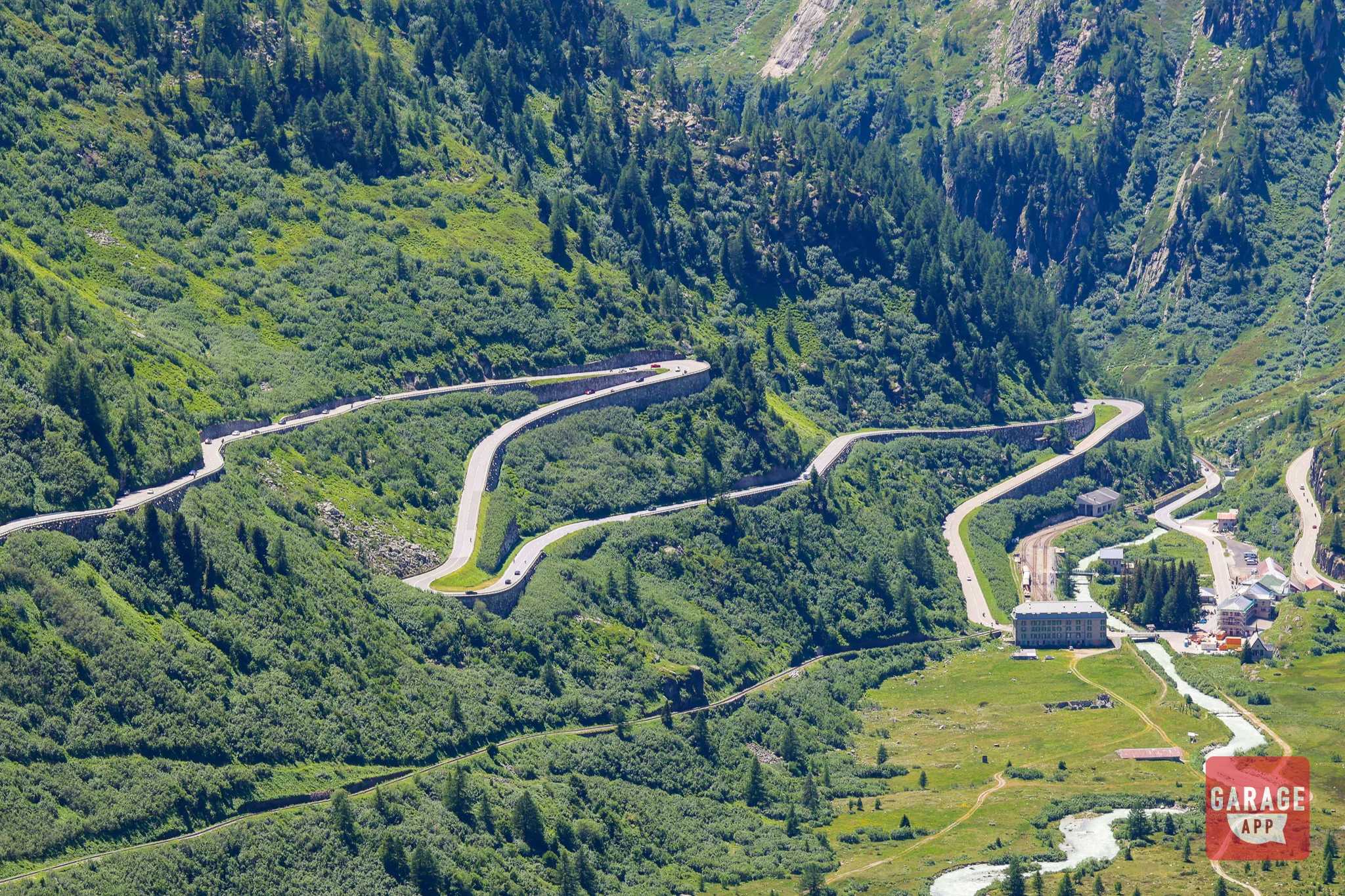
On paper the loop looks short. In practice you will want to stop constantly, and you should. Averaging even 40 km/h through this terrain is optimistic once you factor in photo pull-offs, cows, cyclists, and the urge to just sit and stare at a glacial lake. Plan for a full unhurried day per major section, not a blitz.
The Road to Hotel Belvedere
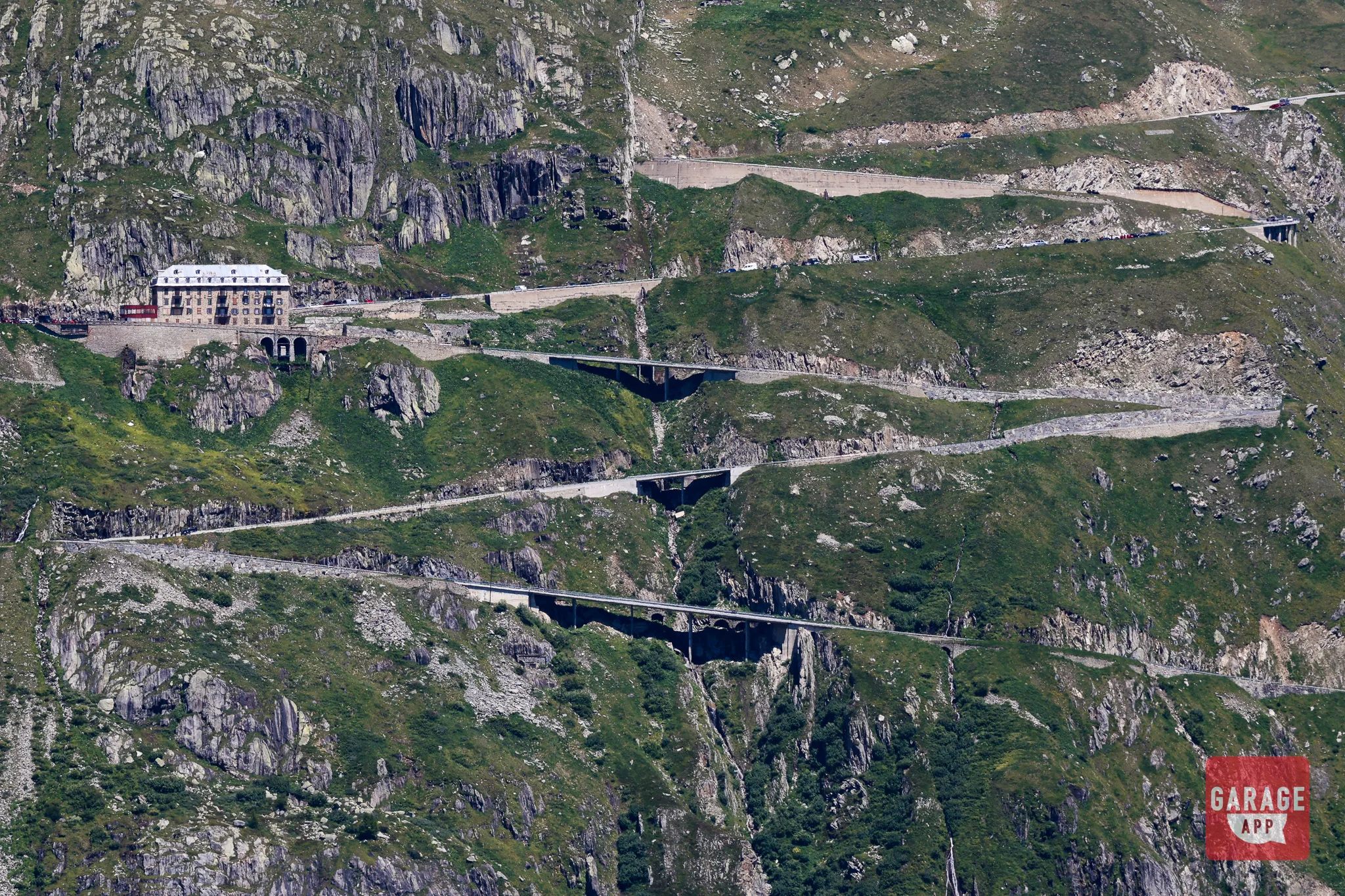
If Grimsel is the warm-up, the Furka Pass is the headliner, and the Hotel Belvedere Switzerland made famous the world over is its centerpiece. You know the building even if you think you do not. It is the yellow-and-white hotel on the hairpin where the Aston Martin DB5 chases the Mustang in Goldfinger. That single scene turned a mountain hotel into a pilgrimage site.
The Belvedere sits right on a switchback near the old Rhône Glacier viewpoint. It closed years ago and now stands empty, but that has only deepened its mythology. Pulling up after the climb, with the valley folding away below, is one of those moments that justifies the entire trip. Enthusiasts leave notes, take the same framed photograph, and simply stand there for a while.
There is something poetic about a place best known from an Aston Martin chase. If you appreciate the grand touring lineage, the spiritual descendants of that DB5 make good company here. Cars in the vein of the Aston Martin DB11 Volante exist for exactly these roads.
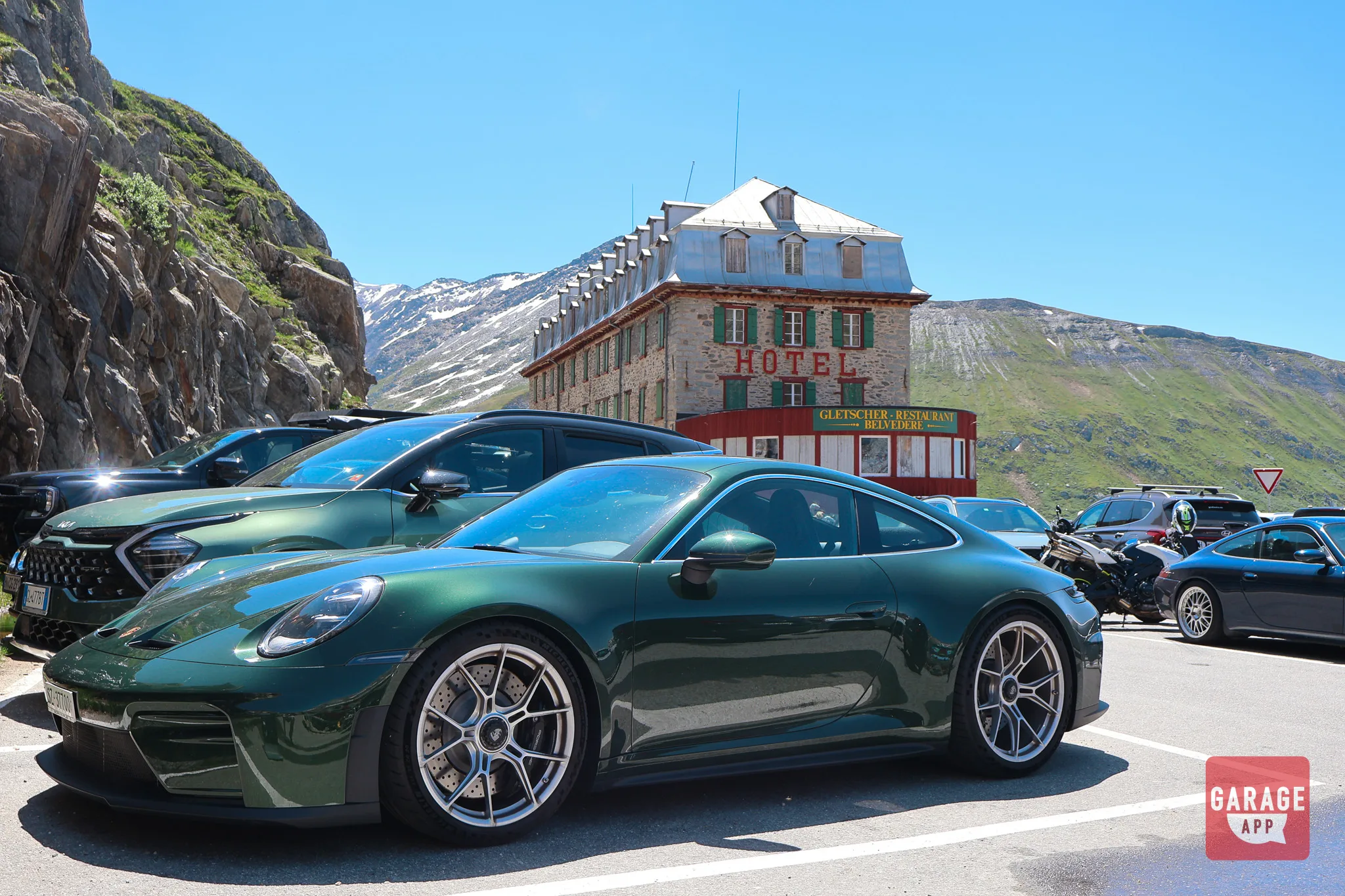
The Belvedere and the Rhône Glacier ice grotto are just below the Furka summit. Time your arrival for early morning light and you will beat the tour buses that clog the hairpins by mid-morning.
What to Expect on the Drive
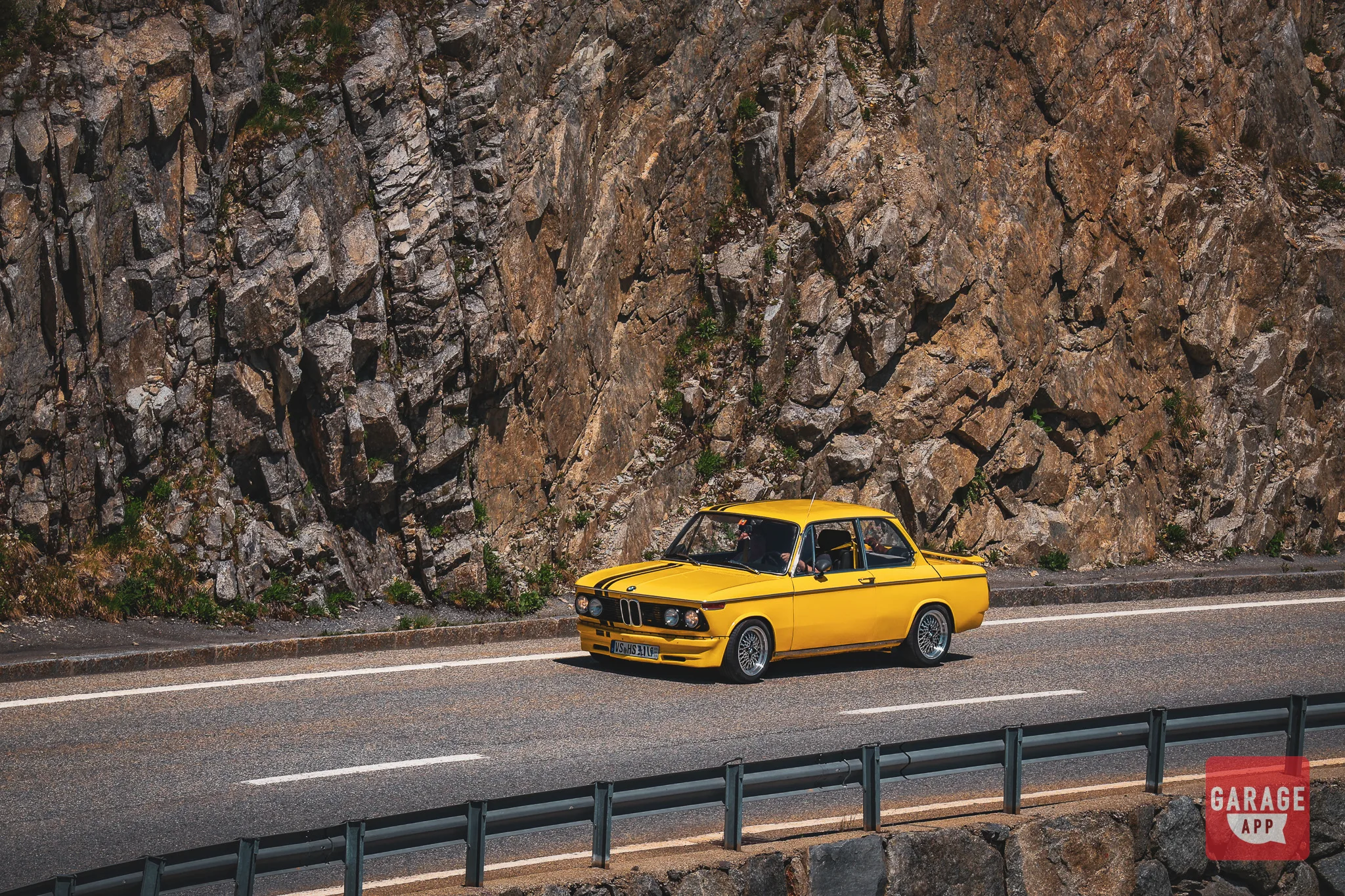
This is not a highway with a view. It is a scenic drive Switzerland built on genuinely demanding roads, and it rewards drivers who respect it.
- Hairpins, and lots of them: They are tight, stacked, and often walled with stone. Second and third gear live here.
- Altitude: You climb fast. Naturally aspirated cars feel the thinner air, and so might you if you rush the walking.
- Weather that flips on you: Sunshine at the base can turn to sleet at the summit within twenty minutes. Pack layers, and have a plan B for the car.
- Shared, narrow ledges: Buses, motorcycles, cyclists, and campers all use these roads too. Patience is not optional.
Seasonal Road Closures
This is the single biggest thing that trips people up. Grimsel, Furka, and Susten all close in winter, typically from around October or November until late May or June depending on snowfall. There is no negotiating with an alpine winter. Always check current pass status before you commit to a date, because a closed Furka means no Belvedere.
The Community You Meet Along the Way
Here is what the photos never capture. You are not alone out there. These passes are a global gathering point. In a single afternoon I traded nods with a Dutch couple in a 993, a pack of German sportbike riders, a British enthusiast in a Caterham, and an Italian family who had driven up just to eat lunch with a view. Everyone is grinning. Everyone gets it.
What surprised me was how easy it was to actually connect. When I spotted an interesting car at a pull-off, I used GarageApp's find nearby owners and riders to see who else from the community was in the area. It turns a friendly nod into a real conversation, and sometimes an impromptu convoy up the next pass.
If you are hunting for a specific car at the summit, you can even search by make, model, and trim to find that owner and strike up a chat. On a road where everyone shares the same obsession, those introductions are the whole point. The psychology of car culture runs on exactly this kind of shared moment.
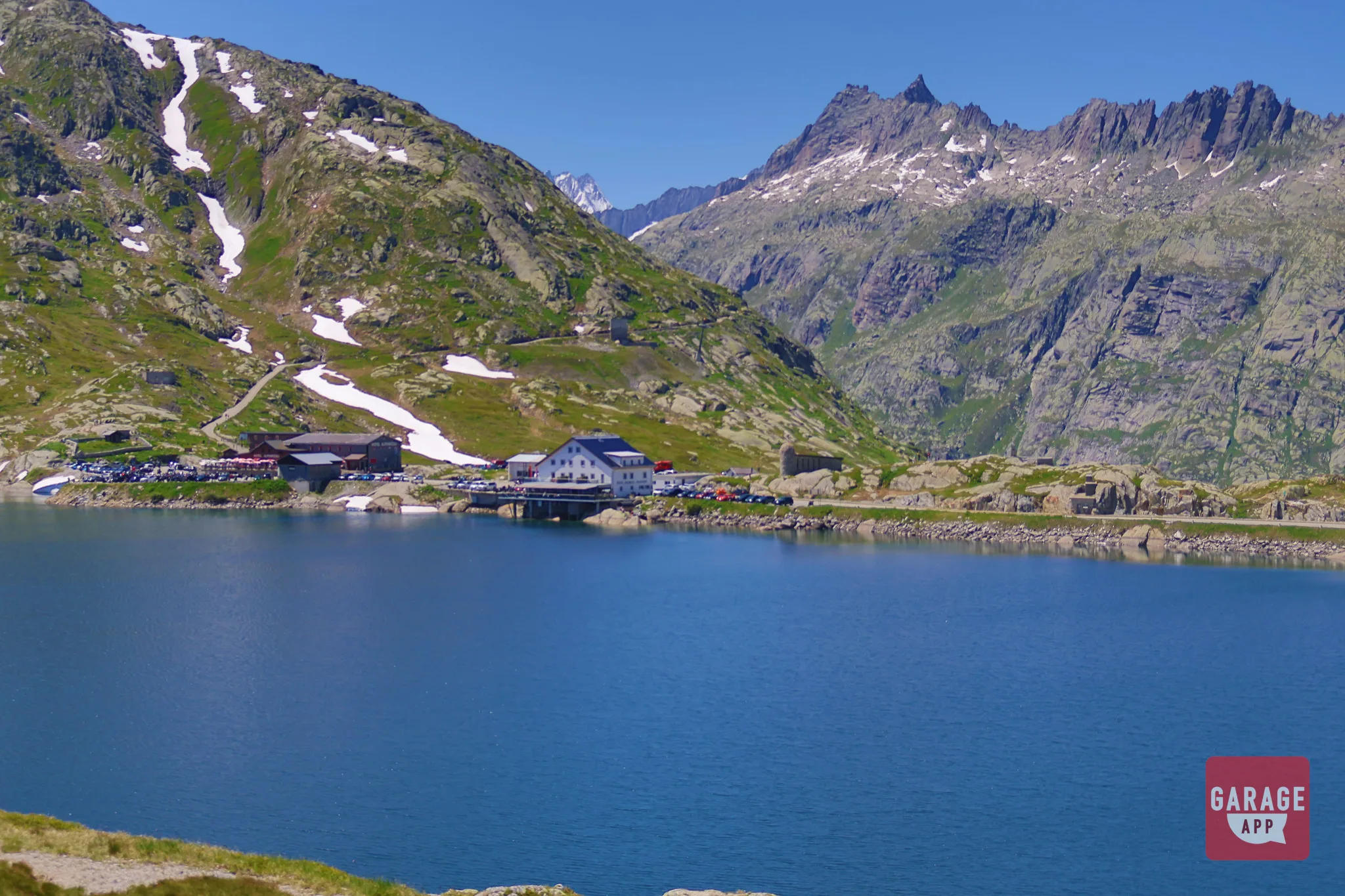
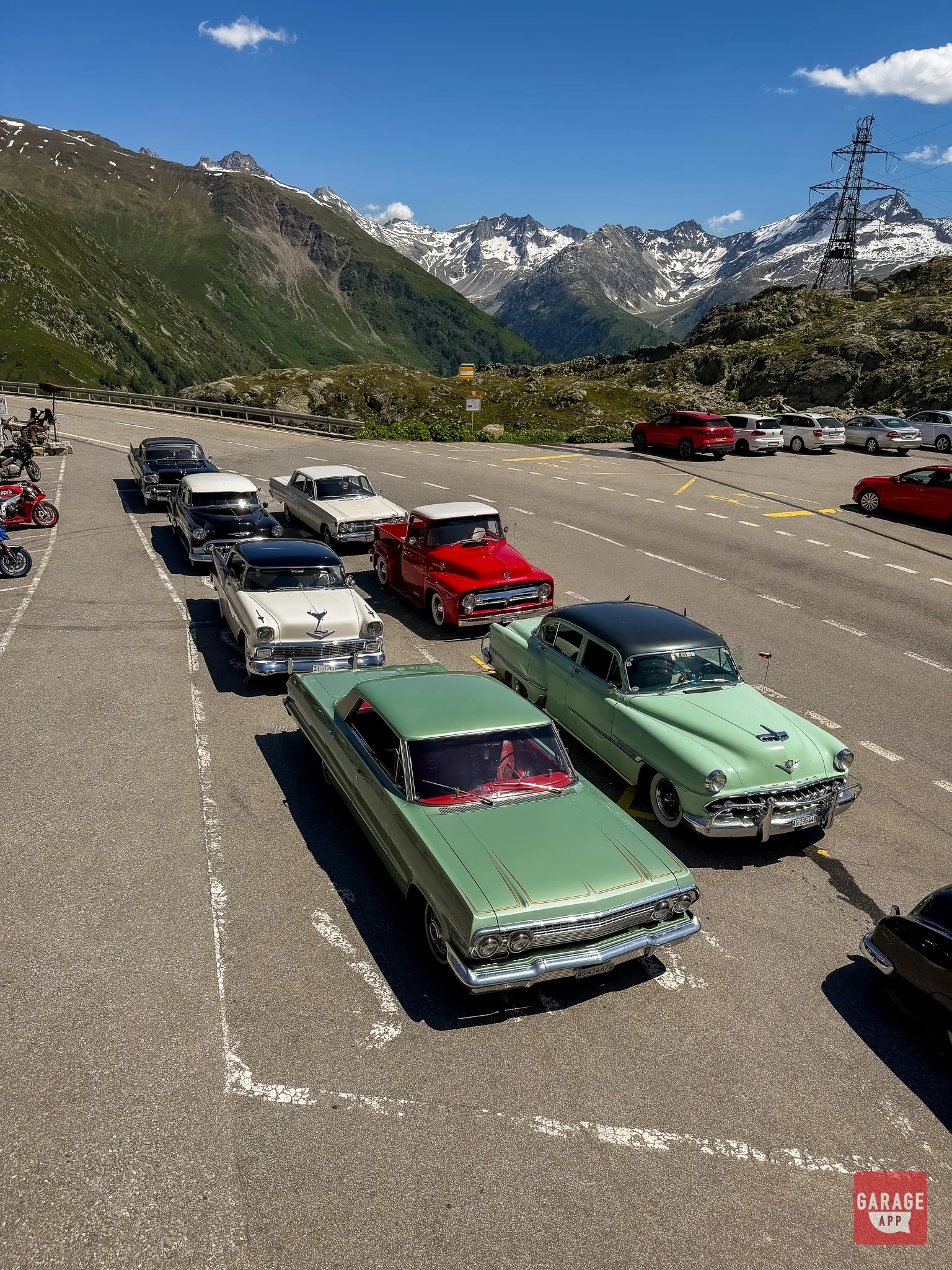
Keep an eye out for spontaneous meets at the summit parking areas. GarageApp's local event and meet discovery sometimes surfaces gatherings you would never have known about, and event attendee visibility shows you who is planning to be there before you even arrive.
Logistics for Planning Your Own Trip
Best Time of Year
Aim for July through September. The passes are reliably open, the weather is at its most cooperative, and the snowmelt has cleared the roads. June can work but risks late closures at altitude. October is a gamble that occasionally pays off with empty roads and gold-lit valleys.
Rental Car or Bike Considerations
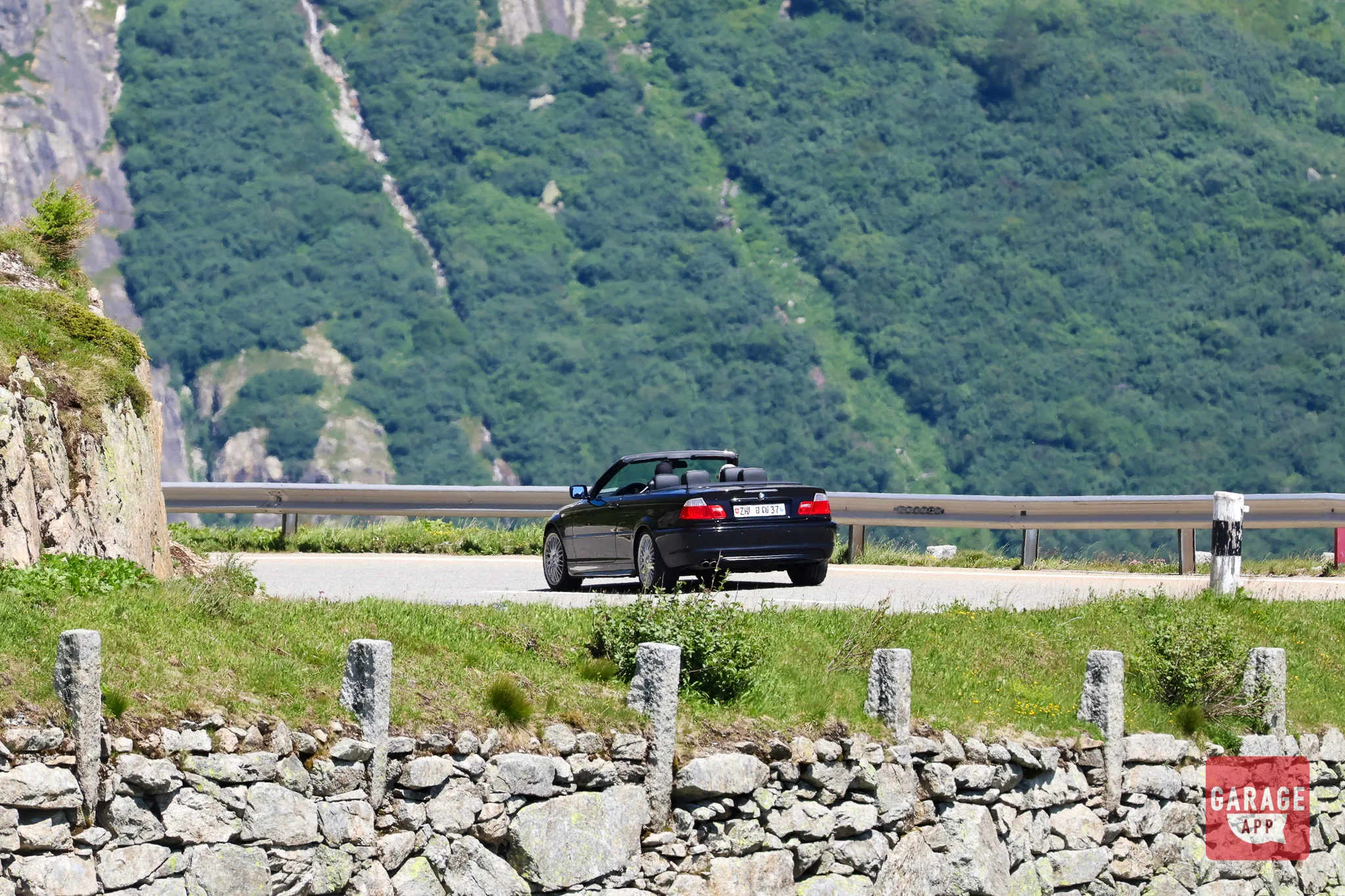
If you are flying in, plenty of outfits rent performance cars and motorcycles for this kind of alpine mountain pass road trip. Pick something with a real manual or a sharp automatic, good brakes, and a footprint that fits the hairpins. A monstrous SUV is not the tool here. If you are riding, plan your legs the way you would for any motorcycle road trip, with fuel and weather baked in.
Navigating the Passes
You do not want to be fumbling with a phone on a blind hairpin. GarageApp's CarPlay and Android Auto integration keeps turn-by-turn guidance on the dash where it belongs, so your eyes stay on the road. On unfamiliar mountain roads with two-way traffic on narrow ledges, that matters more than anything.
Pacing Over Multiple Days
Do not try to hammer the whole triangle in one shot. Base yourself in a valley town like Andermatt or Meiringen, drive one or two passes a day, and leave room to repeat your favorite. Some of these roads deserve a second run. If you are bringing friends in separate cars, our multi-car convoy planning guide covers how to keep a group together through the hairpins.
Turning a Bucket-List Drive Into an Ongoing Connection
The trip does not have to end when you park the car. I logged the whole run in my Virtual Garage, attaching it to my car's build so the trip became part of the vehicle's ongoing story rather than a folder of photos I would forget. Years from now, that drive is stitched into the car's history.
I also posted the run to the location-aware social feed, so nearby enthusiasts and future travelers researching the same route can see a real, first-hand account of the drive. That is exactly the kind of genuine trip report I wished for when I was planning mine.
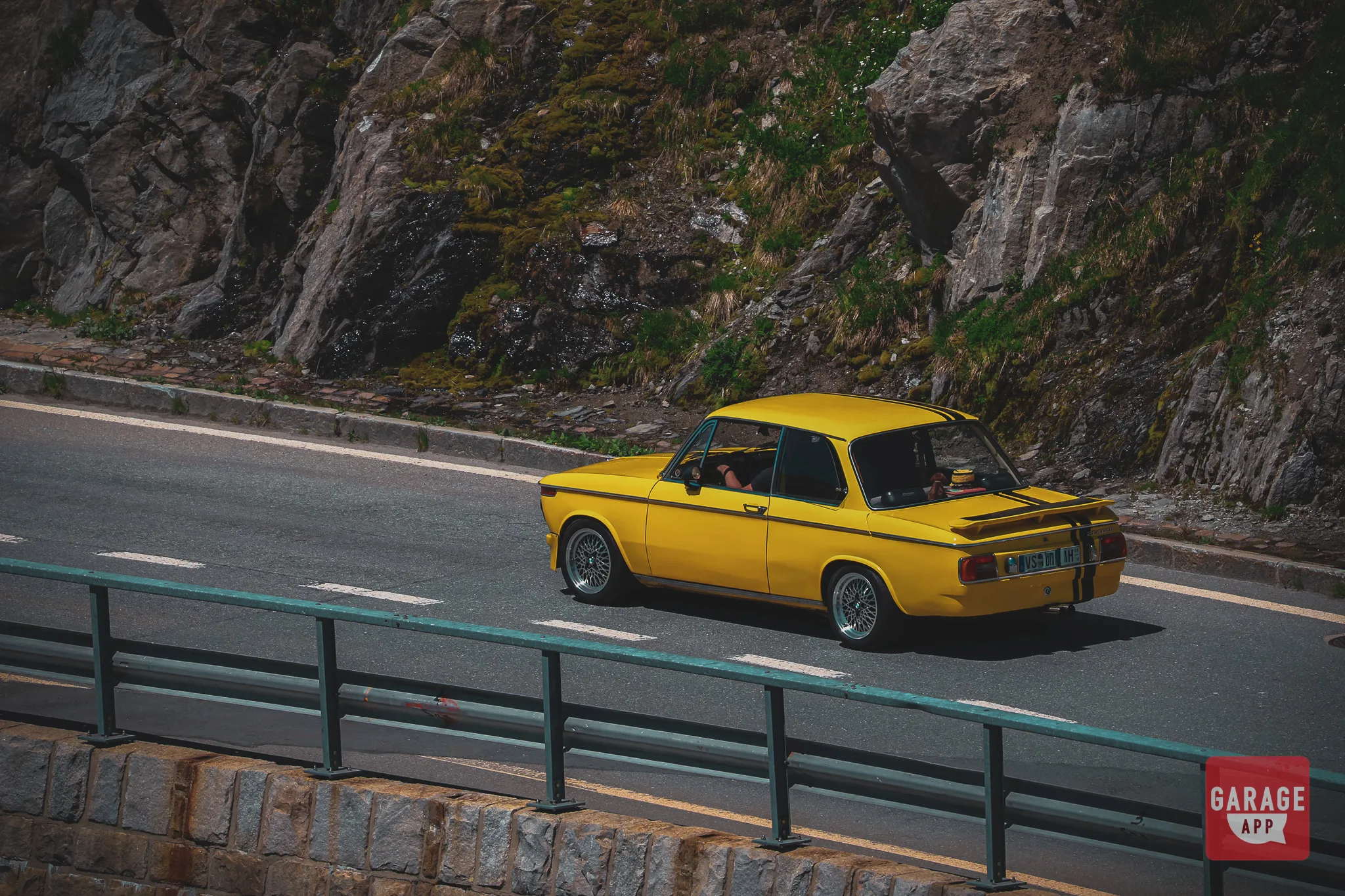
Best of all, the people you meet do not have to vanish into a single afternoon. I followed a few of the international enthusiasts I crossed paths with through GarageApp's local community following, and stayed in touch with a couple through messaging. A drive through the Swiss Alps became an ongoing thread of friendships across borders.
The best part of a drive like this is that the stories keep finding you long after the engine cools. One of the enthusiasts I stayed in touch with later sent me photos of a barn-find Spyker he was quietly resurrecting, a Dutch dream pulled from a dusty shed and destined, one day, for roads exactly like Furka and Grimsel. That is the thread that runs through all of this. A mountain pass introduces you to people, those people share their obsessions, and suddenly a single bucket-list drive becomes a network of builds, friendships, and future runs waiting to happen.