

Building a local car community has never been easier, but bringing enthusiasts together still requires the right tools. That's where GarageApp comes in. Built specifically for car and motorcycle enthusiasts, GarageApp is a geo-location-first social network designed to help people find nearby owners, discover local Cars & Coffee events, cruises, and meets, and connect with others who share the same passion. Instead of relying on generic social media feeds, members can see who's attending events, what vehicles they'll be bringing, join local groups, showcase their own builds in a Virtual Garage, and turn online conversations into real-world friendships. Whether you're starting a new community or growing an existing one, GarageApp helps make local automotive connections happen naturally.
This guide walks through the online and offline strategies that actually work, drawn from real clubs that grew from a handful of friends into recurring meets that pull hundreds of cars. Whether you're into air-cooled Porsches, LS-swapped everything, or you just love the smell of a parking lot at 7am, the playbook is the same.
Start With a Clear Identity, Not a Big Vision
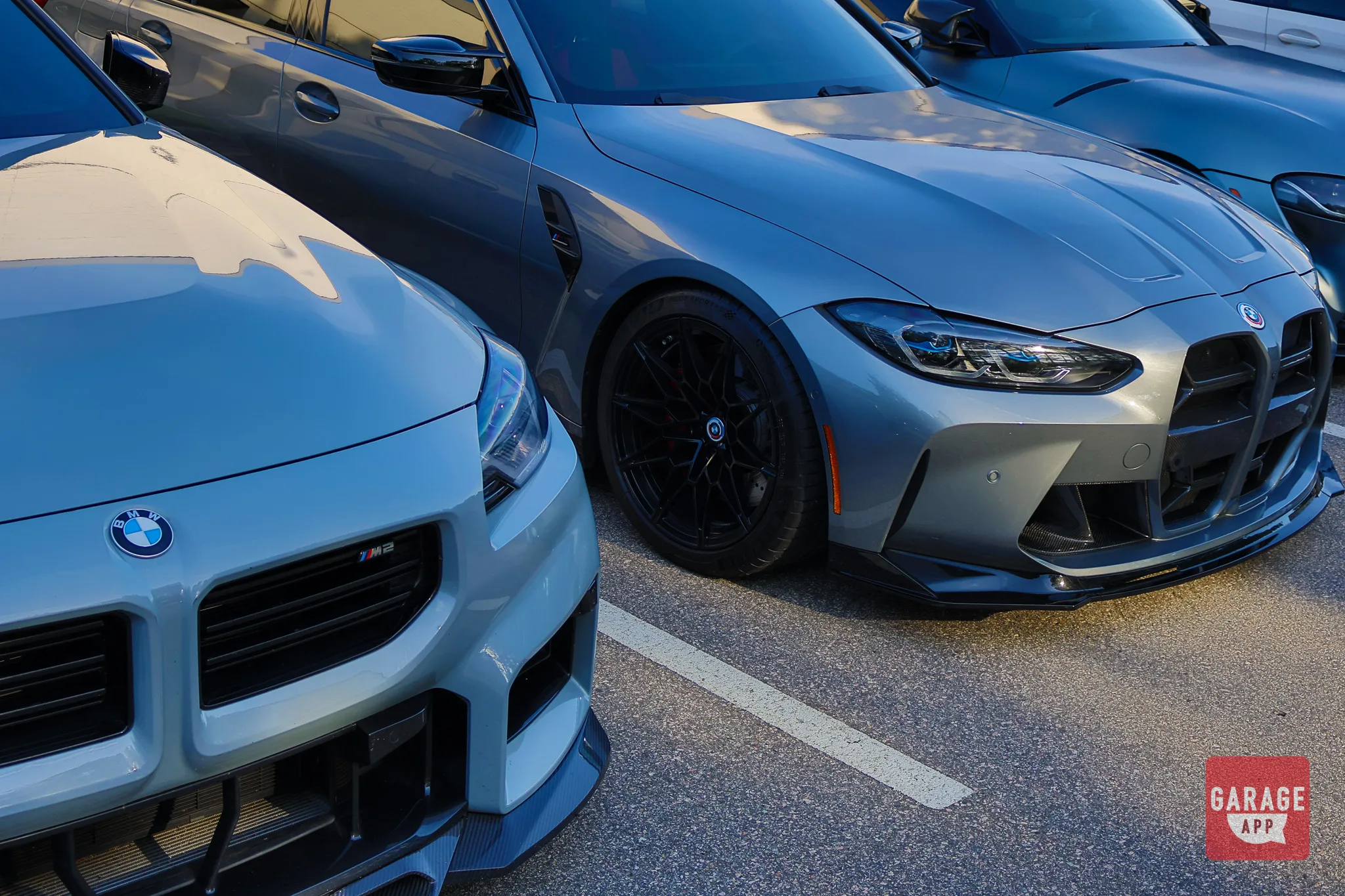
The biggest mistake new organizers make is trying to appeal to everyone. A group called "Car Lovers of the Tri-County Area" sounds inclusive, but it means nothing to the person deciding whether to spend their Saturday morning with you. Communities that stick have a point of view. It might be a make, like the BMW crowd you'll find in places like Europäisch Raleigh. It might be a style, like overlanding builds or American muscle. Or it might just be a vibe, like coffee and quiet appreciation before the sun gets hot.
Pick something you genuinely care about, because you're going to talk about it every week for years. Your enthusiasm is the fuel. If you're forcing it, people can tell, and they won't come back.
Define the One Thing You Do
Write a single sentence that explains what your community is and why someone should join. "A monthly meetup for European sports car owners who like backroad drives more than parking lots." That's a real identity. It tells people what to expect and, just as importantly, who this is for. You can always expand later. Nobody ever grew a community by being vague on purpose.
Name your group something searchable and specific. When someone Googles their car make plus your city, you want to be the first result they find.
Build Your Online Home Base
Before you host a single meet, you need a place people can find you online. This is the difference between a one-time hangout and an actual community. The goal is a spot where new people can discover you, current members can talk during the week, and everyone can see the cars that make the group worth joining.
Pick One Platform to Anchor Everything
Don't spread yourself thin trying to run five accounts. Choose one primary hub and treat the rest as feeders. Instagram is unbeatable for showing off cars and pulling in new faces through hashtags and location tags. A Facebook group is still the workhorse for event coordination and older, more local crowds. A Discord server works beautifully for tight-knit groups that want real-time chat and channels for builds, meets, and off-topic banter.
Increasingly, enthusiasts are moving toward purpose-built tools instead of general social media. Apps designed for car people let members catalog their virtual garage, post their builds, and find others nearby with the same taste. GarageApp exists exactly for this, so members can find enthusiasts by make and model instead of hoping the algorithm shows their post to the right person.
- Instagram for discovery and visual reach.
- Facebook group or Discord for coordination and daily conversation.
- A car-focused app like GarageApp to connect members by their actual vehicles.
Post Like a Community, Not a Brand
The fastest way to look dead is to only post announcements. Feature members' cars. Ask questions. Share a build story. Repost photos your members took. When someone sees their own car highlighted, they feel ownership of the group, and that feeling is what turns a follower into a regular. Documenting builds is powerful here, and encouraging members to share their build journeys online gives the whole community a steady stream of content that isn't just yours to produce.
Reply to every comment and DM in your first six months. Personal attention early on creates the loyal core that carries a community through slow periods.
Host Your First Real-World Meet
Online buzz is nice, but cars are meant to be seen and heard in person. Your first meet is where a following becomes a community. It doesn't need to be big. Ten cars in a good parking lot beats fifty in a bad one. The energy of people standing around talking shop is what people remember, and it's what they'll tell their friends about.
Choosing a Location That Works
Look for spots with easy parking, tolerant or supportive businesses, and enough room to grow. Coffee shops, breweries, and shopping centers with underused morning lots are classic choices for a reason. The Cars and Coffee model in places like Morrisville works because it gives a business foot traffic during a slow hour and gives enthusiasts a legitimate reason to gather. Always ask permission. A five-minute conversation with a store manager can turn into a permanent home for your meet, and the story of Fuquay-Varina Cars and Coffee shows how a good venue relationship keeps a meet alive for years.
A community isn't built on the day of the meet. It's built in the hundred small conversations that happen between them.
Longtime meet organizer
Nail the Logistics Before You Announce
- Confirm the venue and get permission in writing if possible.
- Set a clear date, start time, and end time so nobody lingers past their welcome.
- Decide on a rain plan and communicate it early.
- Post arrival and parking instructions so the lot fills in an organized way.
- Recruit one or two friends to help manage the crowd and greet newcomers.
If you want a deeper breakdown of running an event well, the full guide on how to organize a car meet covers everything from crowd flow to dealing with the one guy who wants to do burnouts in the lot. Learn from other people's mistakes so your first event isn't your last.
Turn Attendees Into a Community
Getting people to show up once is easy. Getting them to come back, invite friends, and eventually help you run things is the actual work. The secret is making people feel known. A community where everyone is a stranger is just a parking lot. A community where the regulars know your name and your car is a place you'll rearrange your schedule for.
Create Rituals and Recognition
Consistency beats intensity. A meet that happens the first Saturday of every month, rain or shine, becomes part of people's routine in a way that random pop-up events never do. Add small rituals: a featured car of the month, a group photo at the same time each meet, a shared drive to breakfast afterward. These traditions give people something to look forward to and a reason to stay to the end.
Recognition matters just as much. Shout out the guy who drove two hours to attend. Congratulate the member who finally finished her engine swap. When people feel seen, they become ambassadors, and word of mouth from a genuine enthusiast is worth more than any ad.
Give People a Way to Connect Beyond the Meet
The relationships that hold a community together often form in the small talk over coffee. Encourage it. The art of networking at car events isn't about business cards, it's about the follow-up conversation that turns a nod in a parking lot into a friendship and a shared garage session. Make it easy for members to find each other online after they meet in person, whether that's swapping GarageApp profiles or dropping their handles in your group chat.
End every meet by announcing the next date on the spot. People are far more likely to commit while the good feeling is still fresh.
Grow Without Losing What Made It Special
Growth is a good problem, but it's still a problem. Many communities peak and then fizzle because they scaled faster than their culture could handle. The trick is to grow deliberately, protecting the vibe that made people join in the first place.
Delegate Before You Burn Out
If you're doing everything yourself, your community is only as reliable as your energy on any given week. Identify your most engaged members and give them real roles: social media, photography, greeting newcomers, planning drives. People who help build something stay committed to it. This also insures the group against the day you can't make it, because a community that depends entirely on one person is one bad weekend away from disappearing.
Expand the Calendar Beyond the Parking Lot
Once your monthly meet is solid, add variety to keep things fresh. Group drives on a great road, a track day, a shop tour, or a charity show all deepen relationships in ways a static meet can't. Planning a good drive takes real thought, and the group ride planning guide covers how to route it so nobody gets left behind at a stoplight. A scenic run on one of the best East Coast driving routes can become the highlight of your community's year.
- Monthly meet as your reliable anchor event.
- Seasonal group drives to deepen bonds and see great roads.
- Occasional track days or autocross for the members who want to actually use their cars.
- A charity event each year to give the community purpose beyond horsepower.
Keep Culture at the Center
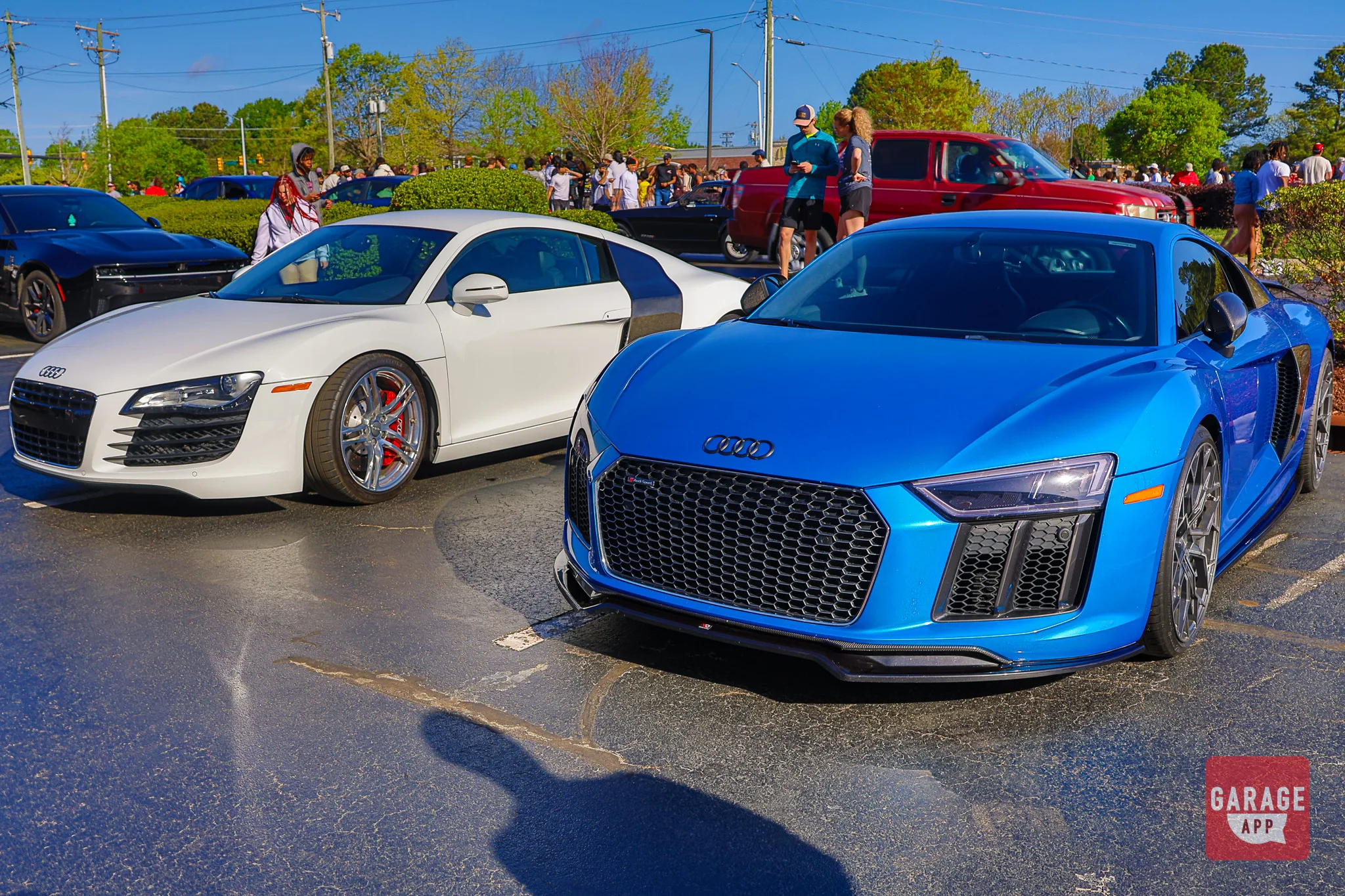
As new faces arrive, they won't automatically absorb your norms. Be clear about expectations, from parking etiquette to how you treat newcomers. A welcoming, no-attitude culture is a magnet, and it's also fragile. Protect it actively. The communities that last are the ones where the newest member with the cheapest car feels as welcome as the guy with the rare exotic. That inclusivity, more than any single build, is what people come back for.
Building a car community from scratch takes patience, but it's some of the most rewarding work an enthusiast can do. You start alone, and if you're consistent and genuine, you end up surrounded by people who get it. That's the whole point.
And every so often the payoff is a story only a community can produce, like the barn find Spyker that sat forgotten before enthusiasts brought it back into the light. Those are the tales people gather around and retell for years, and they're a big part of why you build a crew in the first place.