

This is part of our larger guide to Classic, Exotic, and Collector Vehicles, where we break down how each category actually works. Here we zoom in on the collector side, because it gets misunderstood more than any of the other three. People assume a car earns collector status the moment it hits a certain birthday. It doesn't. The reality is messier, more interesting, and worth understanding before you spend real money chasing one.
Collector Status Is Earned Through Demand, Not Just Age
Here is the core idea, stated plainly. A car does not become a collector vehicle by getting old. Plenty of thirty and forty year old cars are just old cars, worth their scrap value and little else. What separates a genuine collector vehicle is the intersection of three forces that have to line up at once. Scarcity, meaning there simply are not many left. Condition, meaning the ones that survive are worth preserving. And sustained enthusiast demand, meaning people actively want to own, drive, and talk about them.
When those forces overlap, you get a collector vehicle. When only one shows up, you get something else. An old economy car is scarce because nobody bothered to save them, but no one wants it, so it stays worthless. Our cornerstone on collector classification frames this same tension. The rest of this article pulls apart each factor so you can spot the difference.
Production Numbers and Survivorship
How Many Were Built
Original production runs give you a starting number, and that number matters. A car built in the hundreds is playing a fundamentally different game than one built in the hundreds of thousands. The Ferrari F40 had a run measured in the low thousands, and that alone created a foundation for its collectibility. But the build figure is only the ceiling. Attrition takes over from there.
Cars get wrecked, rusted, parted out, and neglected into oblivion. A model that left the factory in decent volume can shrink to a fraction of that within a few decades. The number that actually matters is not how many were built. It is how many are still around and in a state anyone would want.
How Many Survive Today
Survivorship is where things get real. A surviving, unmodified, original-spec example carries far more weight than the raw production figure suggests. This is why certain muscle cars command wild prices despite decent original numbers. The survivors in honest condition are rare even if the model was not. Two cars with identical badges can sit worlds apart in value based on which one kept its original everything.
Before you fall for a big production number as proof of commonality, ask how many survive in unmolested condition. That gap is often where the real value hides.
Historical or Cultural Significance
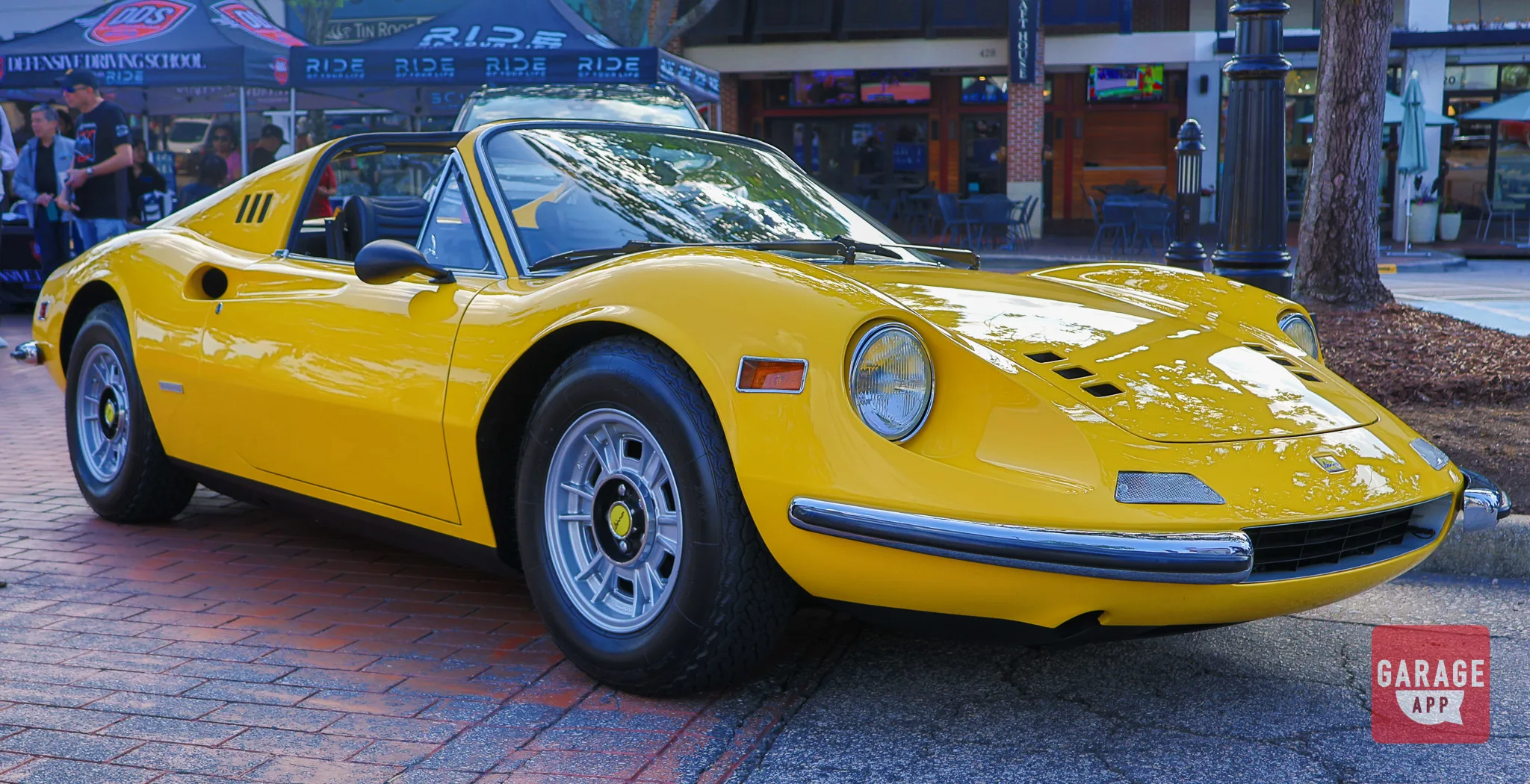
Numbers explain scarcity, but they do not explain why anyone cares. That is what significance does. Some cars matter because they marked a milestone. The Ferrari Dino 246 GT shifted how a legendary marque thought about smaller, more accessible sports cars, and its place in that story keeps it desirable decades on. Significance can come from a lot of directions, and the strongest collector vehicles usually check more than one.
Motorsport connection is a big one. A road car with a genuine competition bloodline, or one homologated so a manufacturer could go racing, carries a weight that no marketing campaign can fake. Design influence is another. Some cars introduced a shape, a proportion, or an engineering approach that everything after them borrowed from. The Porsche 959 pushed technology so far ahead of its time that it reshaped what a supercar could be, and that legacy still follows every surviving example.
There is also the role a car played in its maker's own history. Think of the models that saved a struggling company, launched a dynasty, or capped an era before regulations changed the rules forever. The last of the naturally aspirated screamers before turbos and hybrids took over tend to get collected precisely because they represent an ending. Significance is often about timing and story as much as spec sheet.
Scarcity gets you noticed. Significance is what makes people care thirty years later.
A common refrain among longtime collectors
Condition and Originality
Numbers-Matching Components
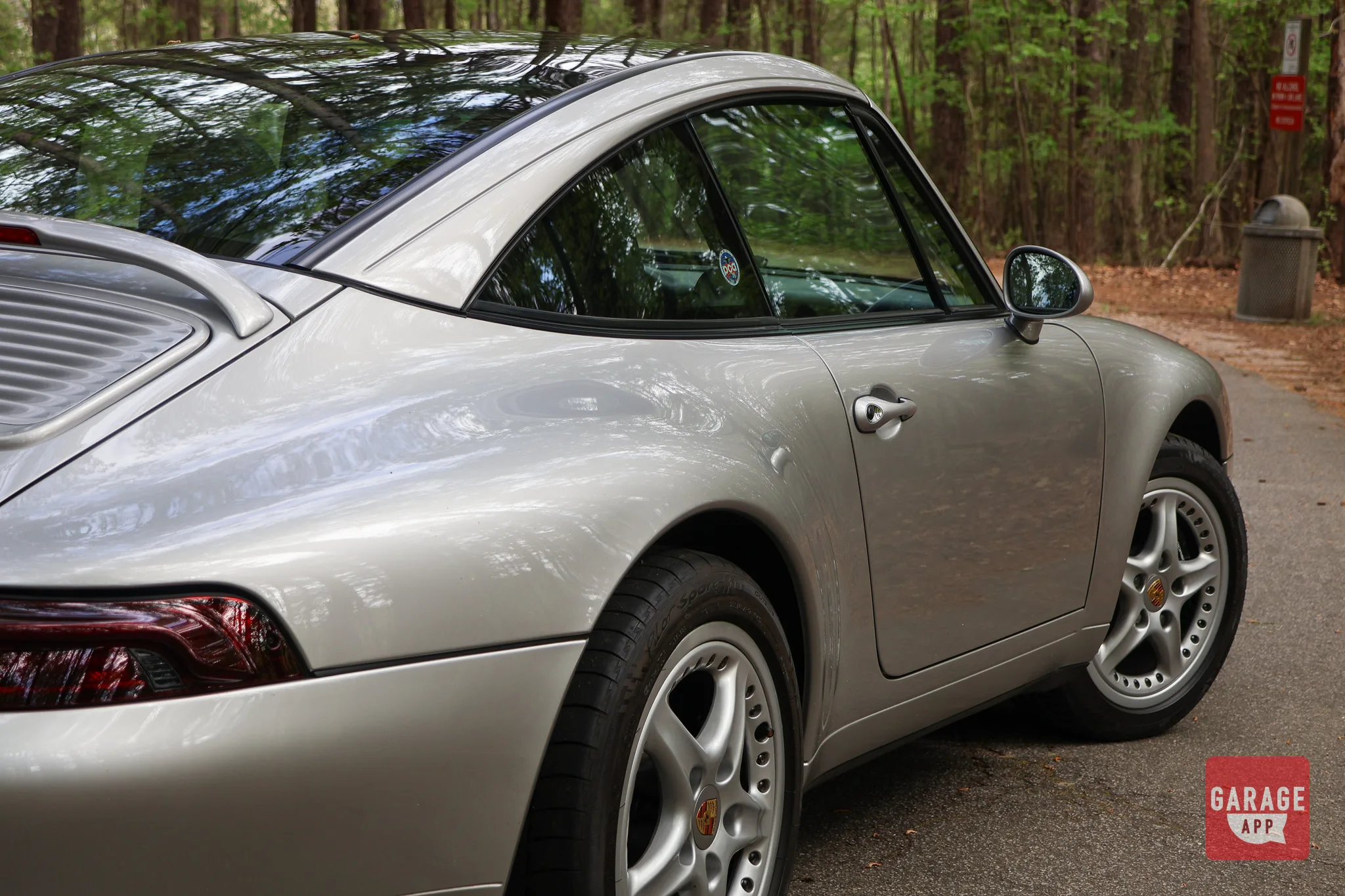
In the collector world, originality is almost a religion. The phrase you hear constantly is numbers-matching, and it refers to a car that still wears the engine, transmission, and drivetrain it left the factory with, verified by the stamped numbers that tie those components to the specific chassis. A numbers-matching car and a rebuilt-with-a-replacement-engine version of the same model can differ enormously in value, even when they drive identically. Collectors are paying for authenticity, not just performance.
Documented History
Originality means little if you cannot prove it. This is where documentation carries the day. Service records, factory build sheets, and an unbroken ownership chain turn a good story into a verifiable one. A well-kept history file can be worth real money on its own. If you want the full breakdown of how paperwork establishes authenticity, our guide to provenance and documentation goes deep on what to keep and why it matters.
Never assume verbal claims about a numbers-matching car. Ask to see the stamped numbers and cross-reference them against the documentation before money changes hands.
Market Demand as Confirmation, Not Cause
Here is where a lot of people get the logic backward. Rising values do not create collector status. They confirm it. When scarcity, significance, and preserved originality all stack up, prices climb as a result. The money is a symptom, not the disease. A car that reflects those underlying factors will hold and often grow its value across cycles.
The trap is the expensive car that has none of that foundation behind it. A limited-badge special edition with an inflated sticker but no genuine scarcity, no meaningful history, and no lasting enthusiast pull is not a collector vehicle just because it cost a fortune new. Plenty of pricey cars depreciate like anvils because there was never anything holding them up beyond the price tag. If you cannot explain why a car is scarce and why people will still want it in twenty years, the current asking price tells you almost nothing.
This is also how the collector side differs from the exotic classification, where price and pedigree carry more of the definition on their own.
What This Means for Buyers and Owners
So how do you use any of this in the real world? Start with verification. Before you buy, confirm the drivetrain numbers, study the history file, and understand exactly how the specific car sits within its model's survivorship picture. A car that photographs beautifully can still be a mechanical and documentary mess underneath.
Ownership brings its own responsibilities. These cars reward careful storage, controlled humidity, and mileage discipline, because condition is a huge part of what you are protecting. Insurance matters too, since standard policies rarely reflect what a genuine collector vehicle is worth. Agreed-value coverage exists for exactly this reason. If you want to see how all of these threads come together across buying, maintaining, and protecting a car like this, our complete owner's guide to classic, exotic, and collector vehicles walks through the whole picture, and you can browse everything in this space through the Classic, Exotic, and Collector hub.
Documentation is the thread running through all of it, and it is worth keeping organized from day one. GarageApp is a geo-location-first social network for car and motorcycle enthusiasts, and its Virtual Garage lets you document a vehicle's photos, specs, and history in one place. You can also find nearby owners by make, model, and year, and discover local events and meets where cars like yours actually show up. For a collector vehicle, having its story recorded and its community close by is part of preserving what makes it worth owning.