

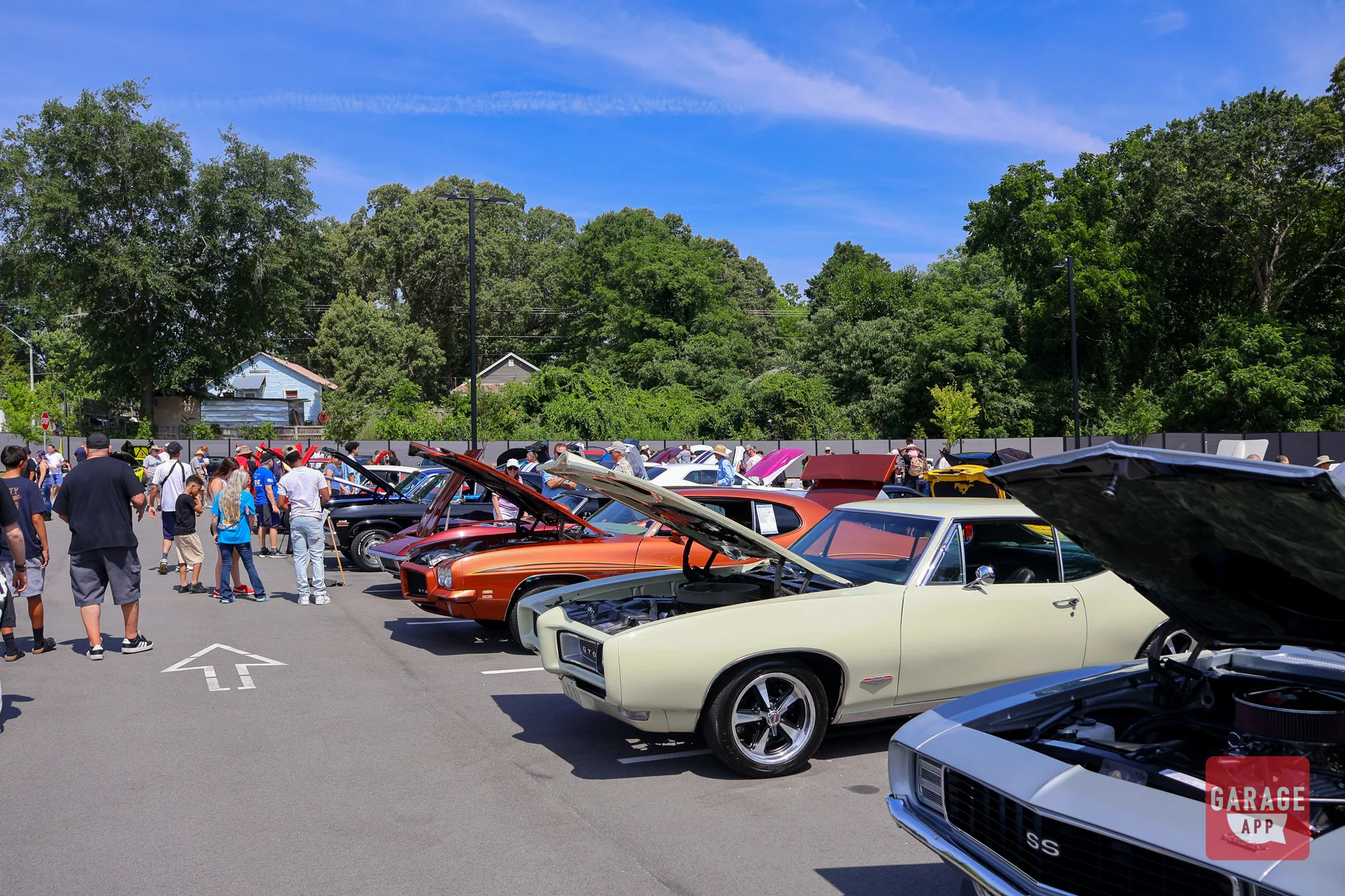
How much does it cost to restore a classic car? Plan on $20,000 to $50,000 for a basic driver-quality restoration, $40,000 to $120,000 for a comprehensive restoration, and $100,000 to $200,000 or more for a frame-off, concours-level build. Labor, billed at roughly $70 to $135 per hour, is the single biggest reason the numbers climb so fast. If you're weighing this against buying something already finished, browse GarageApp's Classic, Exotic & Collector coverage for what these cars actually look like once the work is done
Most people land on this question for one of three reasons. You're eyeing a project car, build, or restoration and want a budget before you hand over cash. A shop just gave you a quote and you want to know if it's sane. Or you're wondering how much you'd save by turning the wrenches yourself. This classic car restoration cost breakdown covers all three, using the ranges shops and industry sources actually publish rather than guesses.
Cost by Restoration Level
"Restoration" means wildly different things depending on who's saying it. A guy at a cruise-in with fresh paint and new seat covers calls his car restored. So does the owner whose car scored 99 points at a national judging event. The price gap between those two cars can be six figures, so the first job is deciding which level you're actually after.
| Level | Typical Cost | What You Get |
|---|---|---|
| Basic / driver quality | $20,000 to $50,000 | Safe, reliable, good-looking car for regular driving. Some original flaws remain. |
| Comprehensive | $40,000 to $120,000 | Most systems rebuilt or replaced, quality paint, new interior, solid body. |
| Frame-off / concours | $100,000 to $200,000+ | Every part removed, restored, or replaced to factory-correct spec for judging. |
Basic, driver-quality restoration
This is the car you actually use. The goal is mechanical reliability and a presentable look, not perfection. Expect brakes, suspension, fuel system, and wiring sorted, with paint and interior done to a good standard. A few chips and imperfect panel gaps come with the territory, and honestly, that's fine for a car you'll park at the grocery store.
Comprehensive restoration
Here the car comes mostly apart. Engine and drivetrain get rebuilt, rust gets cut out properly, and the paint is a real paint job rather than a scuff-and-shoot. The wide $40,000 to $120,000 range reflects how much rust and missing parts a car starts with. Two cars getting the exact same scope can land $50,000 apart based purely on what was hiding under the carpet.
Frame-off and concours-level builds
The body comes off the frame, every bolt is accounted for, and correct finishes matter down to the hose clamps. This is show-car territory, and it's where you pay for obsessive detail. At the extreme end, bespoke shops like ECD Auto Design and similar builders charge $80,000 to $400,000 or more, which tells you there's effectively no ceiling if you want one.
Pick your level before you pick your car. A rough, cheap project bought for a concours build almost always costs more in the end than a solid, pricier car that needs less metalwork.
What's the Biggest Cost Driver?
Labor. It isn't close. Parts get the attention in forum threads, but the hours are what drive the invoice.
Classic car restoration labor cost per hour typically runs $70 to $135, depending on the shop's reputation and where it's located. A rural shop with a small crew sits near the bottom. A well-known restoration house in a high-cost metro area sits near the top, and specialty marque experts can push past that.
Then there's the hour count. A concours-level restoration can consume 4,000 to 5,000 hours of labor in total. Think about that for a second. That's the equivalent of two or more years of full-time work for one person, on one car. Even a driver-quality job eats hundreds of hours once you add disassembly, rust repair, body prep, and reassembly.
Parts are what you see on the invoice. Hours are what you actually pay for.
Ethan - GarageApp Team
This is why two quotes for the "same" job can look so different. One shop might estimate the bodywork conservatively, while another assumes the worst. Neither is necessarily wrong. Neither can really know until the paint comes off.
Cost Breakdown by Component
If you're sanity-checking a quote or planning a staged build, component pricing is where it gets useful. These are the typical ranges for the major line items:
- Engine rebuild: $10,000 to $35,000. The low end covers a straightforward rebuild of a common engine. The high end covers rare or high-performance engines where parts and machine work get expensive.
- Paint job: $7,500 to $20,000 and up. The difference is mostly prep. A great paint job is 80 percent bodywork and blocking, and only then paint.
- Interior and upholstery: $3,000 to $14,000 for the full interior, or $250 to $750 per seat if you're doing it piecemeal.
- Dashboard repair: around $2,000.
- Carpet replacement: $1,000 to $2,500.
- Bodywork and rust repair: the true wildcard. It's billed almost entirely by the hour, which means it swings with how much rot is hiding in floors, rockers, and quarter panels.
Notice what's missing from that list: suspension, brakes, wiring, chrome, glass, and weatherstripping. They add up, and they're the line items people forget when they total the big four in their head. If a quote seems high, look for these before assuming the shop is padding it.
The average cost to restore a muscle car falls in these same ranges, with one catch. Popular muscle cars like first-gen Camaros and Mustangs have huge reproduction parts support, which keeps parts affordable. Rarer models with numbers-matching expectations push costs toward the top of each range, because correct original parts are scarce.
Restoration vs. Restomod: Which Costs More?
On restomod vs restoration cost, restomods usually win on price, especially against concours work. A restomod keeps the period-correct look but swaps in modern mechanicals: fuel injection, disc brakes, better suspension, air conditioning that actually works. Builds typically run $50,000 to $150,000.
Why cheaper than concours? You're not hunting factory-original parts or matching date codes. New, modern components are often easier to buy than a correct 1969 carburetor. You're paying for fabrication and integration work instead of archaeology.
My take: if you plan to drive the car regularly, a restomod is the smarter spend. It'll start in January, stop in traffic, and keep you cool in August. If your goal is originality, judging, or preserving a genuinely rare car, restore it correctly. Cutting up a rare numbers-matching car to add modern bits is how you destroy value you can't get back.
Restomods can quietly creep into bespoke-shop pricing. Set a hard spec list early, because every "while we're in there" upgrade adds fabrication hours.
Is It Cheaper to Restore a Classic Car Yourself?
Usually, yes. Since labor is the dominant cost, doing the work yourself removes the biggest line on the invoice. That's the core math behind the cost to restore a car yourself.
But DIY doesn't make everything free. Parts cost the same no matter who installs them. Most home restorers still farm out engine machine work, paint, and upholstery, and those are some of the priciest components on the list above. A realistic DIY project often means you do disassembly, cleaning, mechanical work, and reassembly, while paying pros for the specialized stuff.
The hidden cost is time. Remember those 4,000 to 5,000 hours for a concours car? Doing that on nights and weekends is a multi-year commitment, and plenty of projects end up sold half-finished at a loss. Be honest about your skills, your space, and your patience before you commit.
Documenting the build helps more than people expect. Logging parts, receipts, and progress photos in your GarageApp profile keeps you organized and gives future buyers proof of the work, which matters when it's time to sell. It's also worth reading up on provenance and documentation before you tear anything apart.
How to Get an Accurate Restoration Quote
A good quote protects both you and the shop. Here's how to get one worth trusting:
- Define your level first. Tell the shop whether you want driver quality, comprehensive, concours, or restomod. Vague goals produce vague quotes.
- Bring the car in for inspection. No reputable shop will quote seriously from photos, because rust and past repairs hide under paint and filler.
- Ask for an itemized estimate. Separate labor hours from parts, and break it down by body, paint, mechanical, and interior.
- Ask how they handle surprises. Find out how the shop communicates when hidden rust or damage pushes hours past the estimate.
- Get at least two or three quotes. Compare the scope line by line, not just the bottom number.
- Check their past work. Look at finished cars, talk to previous customers, and see how they held up after a few years of driving.
Ask local owners of the same model who they used. Car clubs and meets are the best source of honest shop reviews, and GarageApp makes it easy to find owners of your exact model near you.
Last reality check: is restoring a classic car worth it? Financially, usually not. Restoration costs regularly exceed the finished car's market value, which is why buying a car someone else already restored is often cheaper. If you're chasing returns, study how collector values and auctions really work first. If you're doing it for the experience and the car you'll end up with, that's a perfectly good reason, just go in with eyes open.