

Two Legends, Two Philosophies
Few off-road debates spark as much passion as Land Rover Defender vs Toyota 4Runner. Both nameplates carry decades of trail history, and both have earned cult followings that stretch from muddy forest two-tracks to remote desert crossings. Yet they arrive at capability from opposite directions. The Defender leans into modern engineering and refined luxury, while the 4Runner leans into proven simplicity and near-legendary durability.
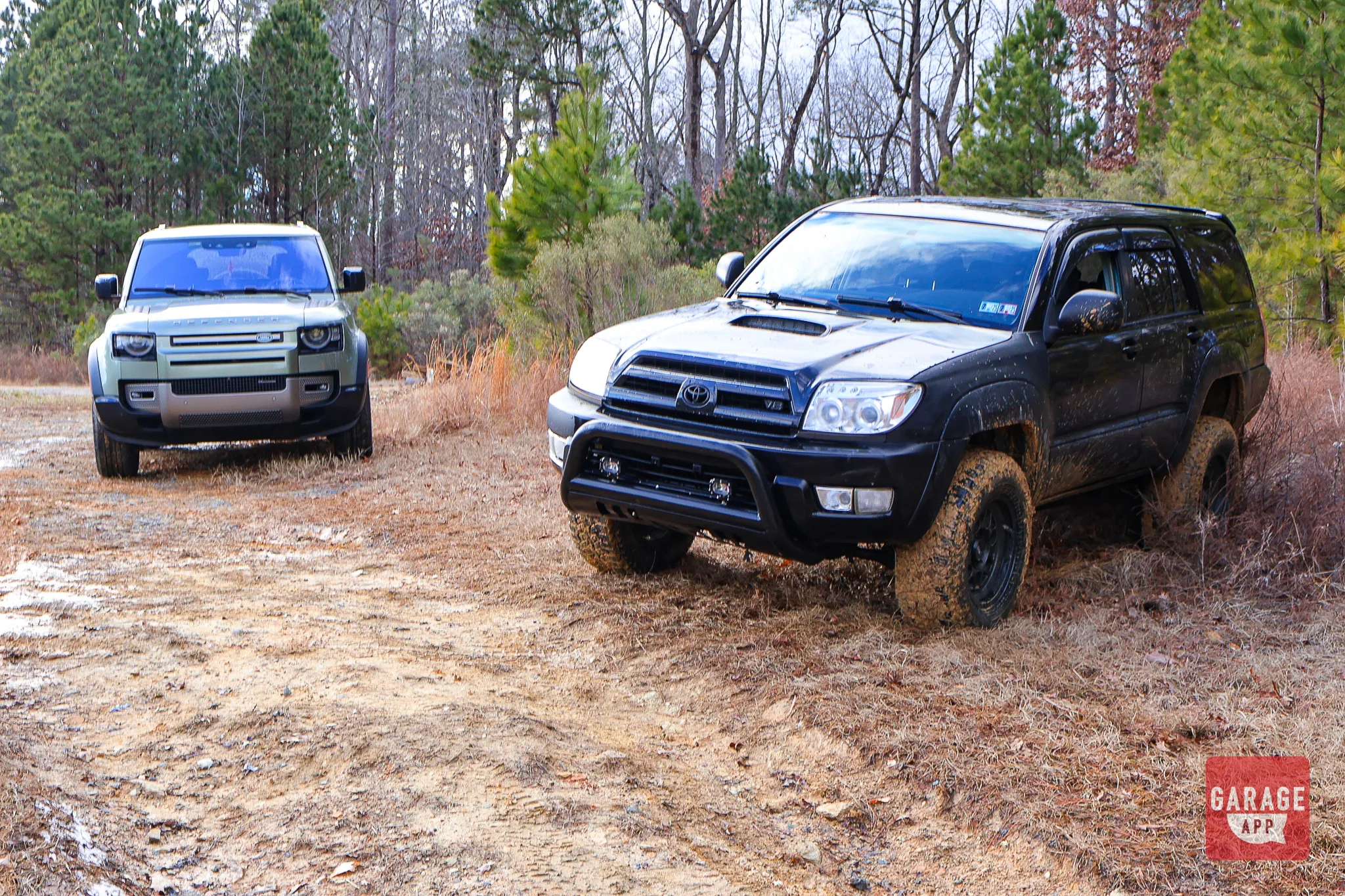
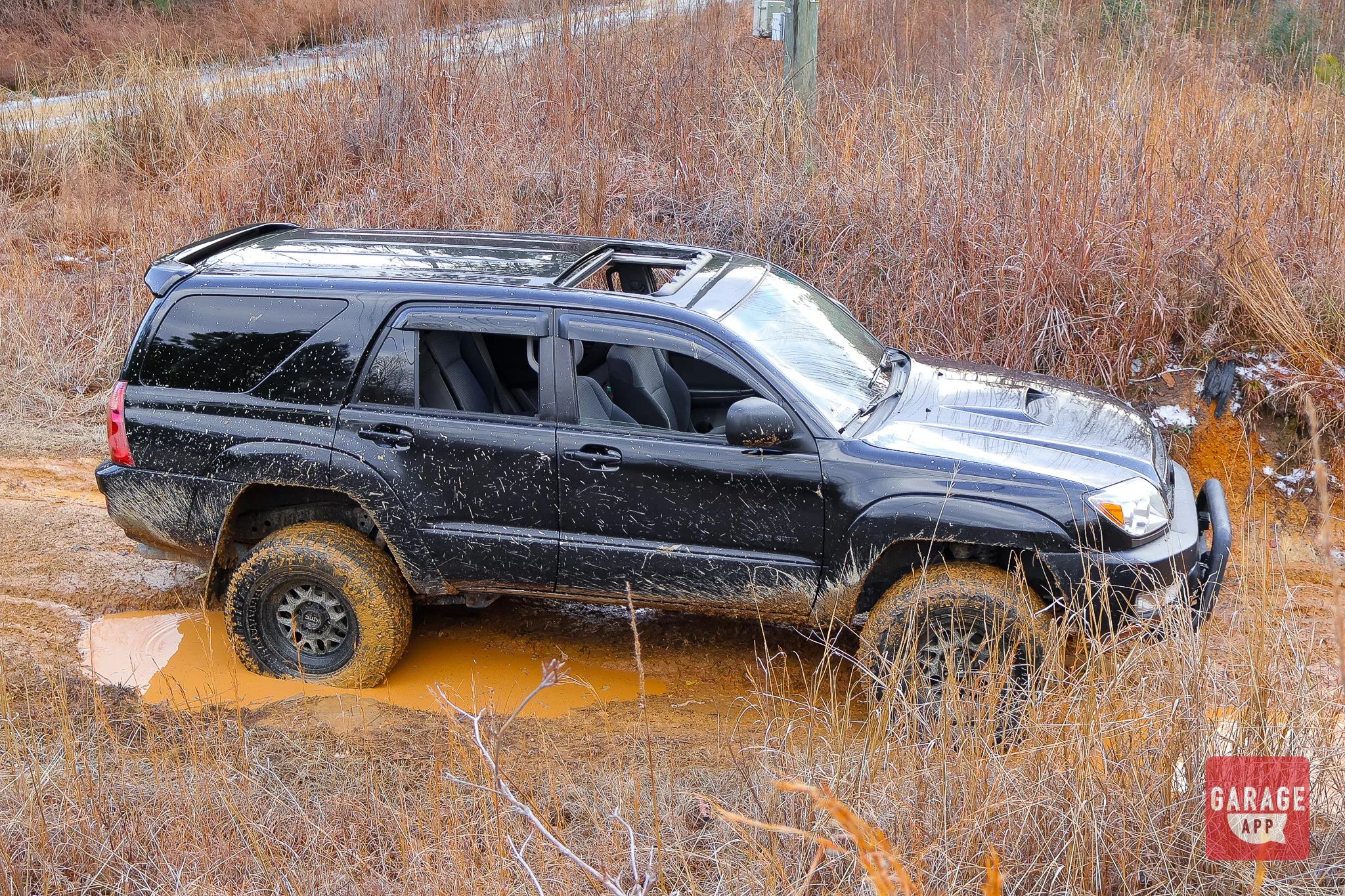
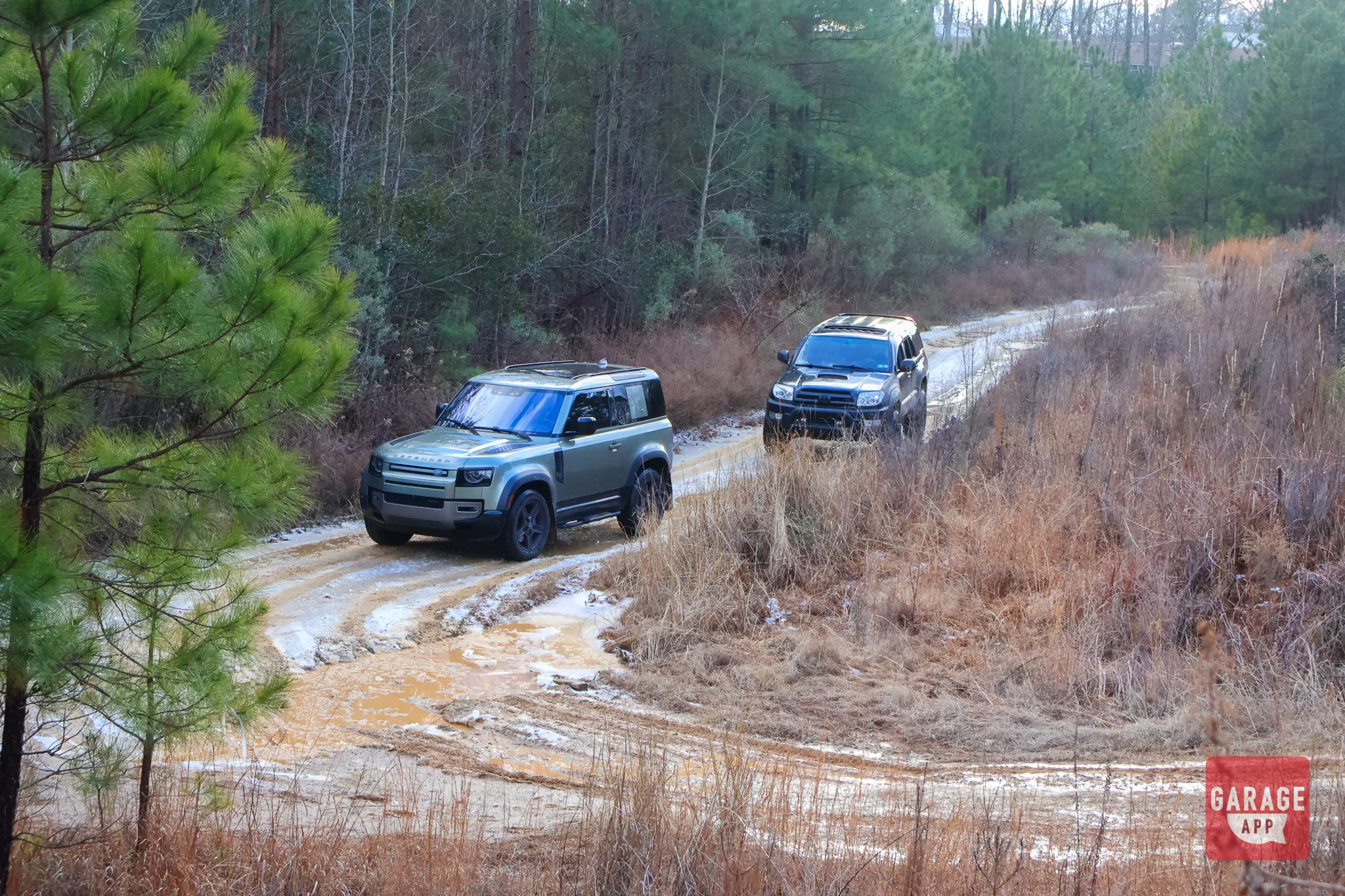
Watch a modern Defender 90 and a lifted 4Runner V8 pick their way through a rutted forest trail together and the contrast is obvious. One glides over obstacles with air suspension and terrain software. The other muscles through on beefy tires and old-school mechanical grit. Neither is wrong. That is exactly why enthusiasts keep circling back to this matchup, and why so many owners connect over it on GarageApp.
Land Rover Defender Off-Road Capability
The new Defender rewrote what people expected from Land Rover. Gone is the leaf-sprung agricultural feel of the classic, replaced by a monocoque platform packed with technology that makes serious Land Rover Defender off road capability feel almost effortless.
Terrain Response and Air Suspension
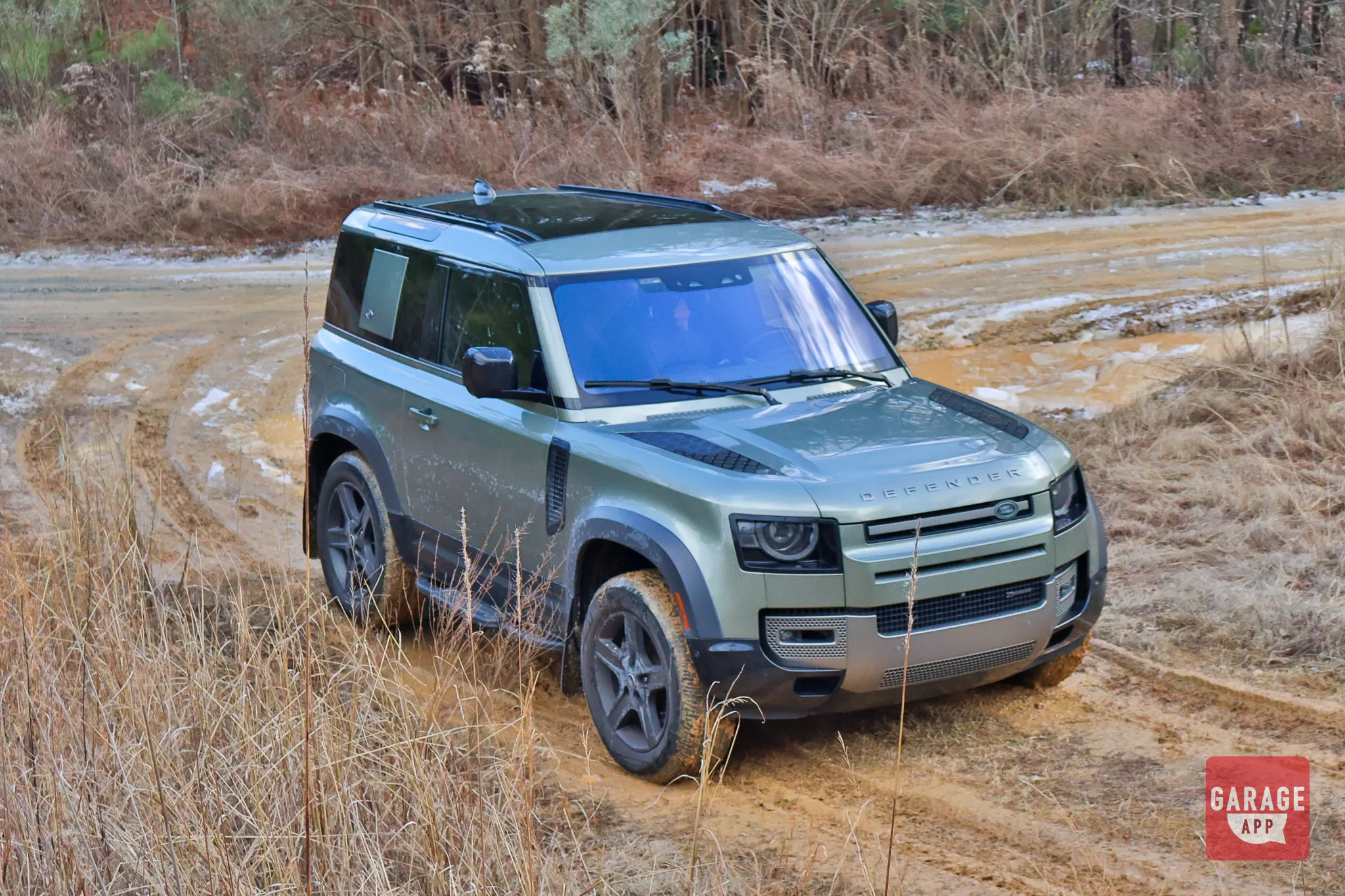
Terrain Response 2 lets you dial in settings for mud and ruts, sand, rock crawl, or grass and snow, and the truck adjusts throttle mapping, traction control, and diff behavior automatically. Optional electronic air suspension raises the Defender for extra ground clearance, then drops it low for easy loading or highway efficiency. On a Defender 90 with the air setup, you can gain meaningful lift at the touch of a button.
- Approach angle up to around 38 degrees with the suspension raised
- Departure angle near 40 degrees on the short-wheelbase 90
- Wading depth of roughly 35 inches, class-leading for a stock SUV
- Cameras that show the terrain directly under the front tires
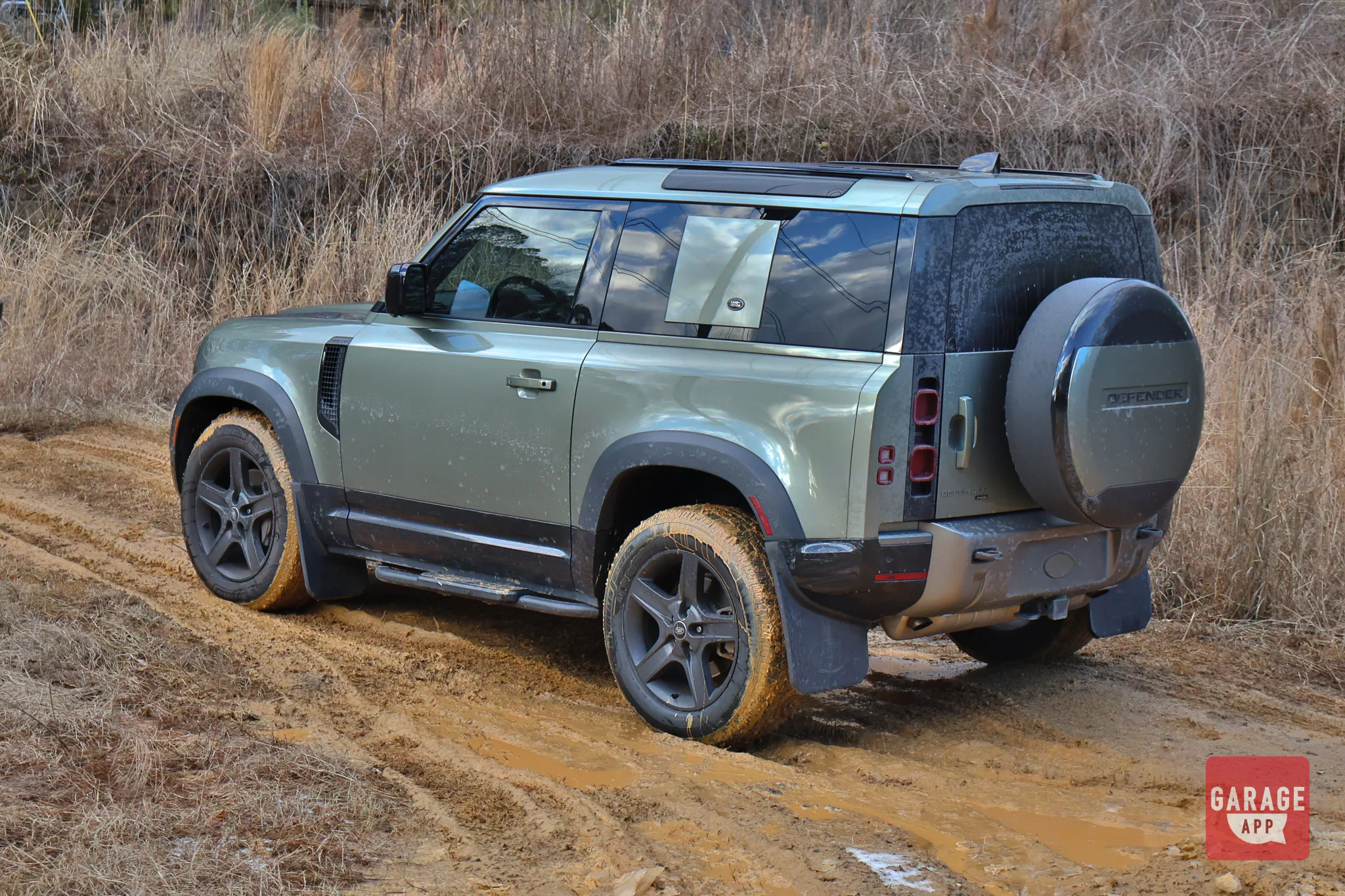
What really surprises first-time drivers is how confident the Defender feels doing genuinely hard things. The ClearSight ground view camera essentially makes the hood transparent, so you can place a tire exactly where you want on a slick, off-camber climb.
If you are new to electronic terrain modes, practice switching between them on easy trails first so the transitions feel natural before you tackle anything technical.
Comfort That Does Not Quit at the Pavement
The Defender is also a genuinely nice daily driver. Quiet cabin, supportive seats, and modern infotainment mean the same truck that crawled a muddy trail on Saturday handles the school run on Monday without complaint. That dual-purpose nature is a big part of the appeal, and it fits neatly into the boxy SUV comeback reshaping the market.
Toyota 4Runner: Proven Reliability
If the Defender wins on technology, the 4Runner wins on trust. Ask any group of trail veterans and someone will tell a story about a 4Runner with 250,000 miles that still starts every morning. That reputation is not marketing. It is decades of consistent, dependable engineering.
The best off-road vehicle is the one that always gets you home. That is why so many enthusiasts never sell their 4Runner.
A common sentiment on overlanding forums
Simplicity as a Feature
The 4Runner, especially the beloved V8-powered fourth generation and the long-running fifth generation, favors mechanical solutions over screens. A real transfer case, a rugged body-on-frame chassis, and drivetrains that shrug off abuse make Toyota 4Runner off road builds famously low-drama. When something does break, it is usually simple and cheap to fix in the field.
Endless Aftermarket Support
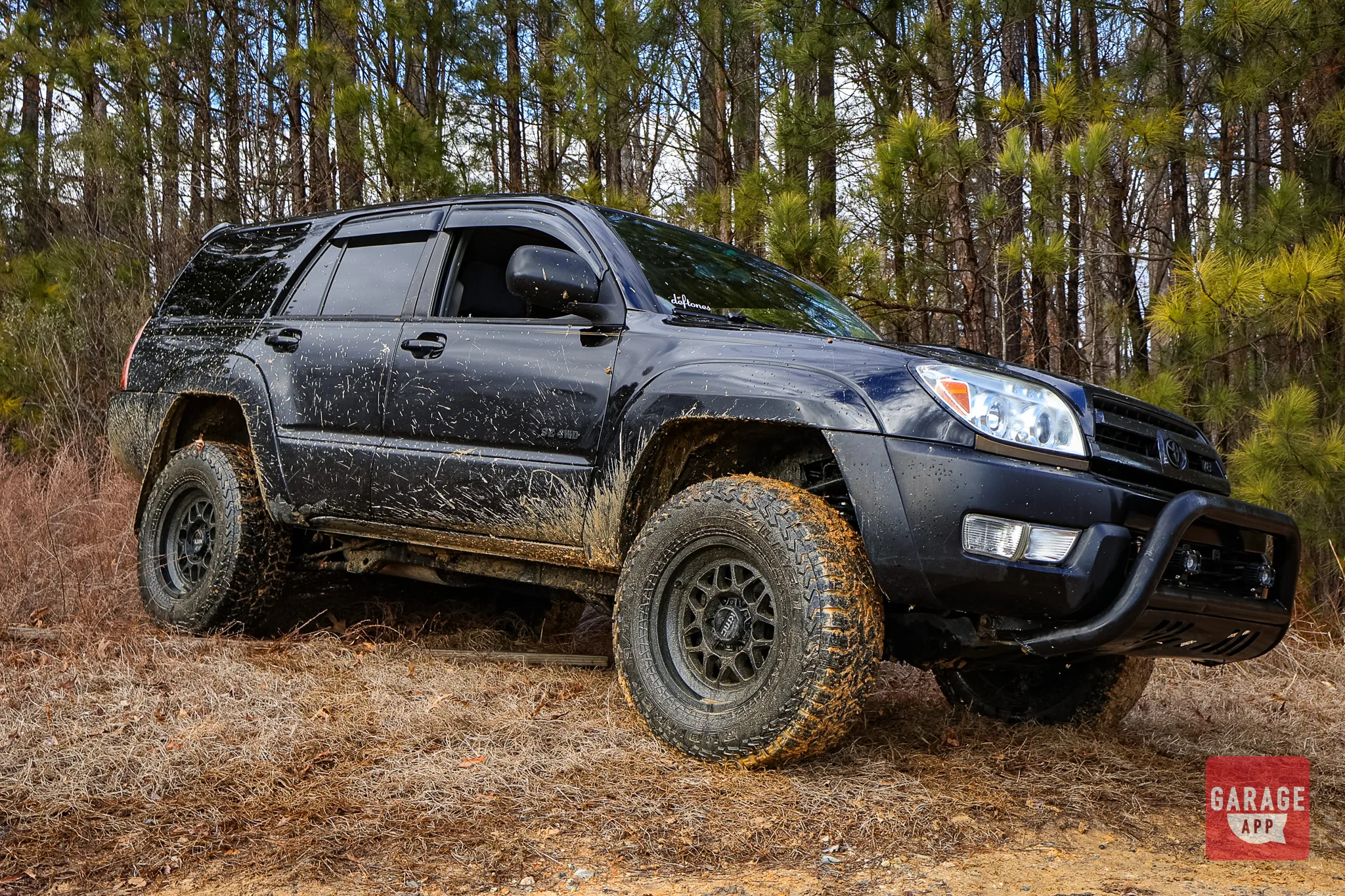
This is where the 4Runner truly separates itself. The aftermarket is enormous. Lift kits, bumpers, sliders, roof racks, drawers, lockers, and lighting are all available and well documented. Owners lift these trucks, add 33s or 35s, and build them into exactly the rig they want.
- Bolt-on suspension lifts from countless reputable brands.
- Proven long-travel and mid-travel options for desert running.
- Deep community knowledge for nearly every model year.
- Strong resale value that protects your investment.
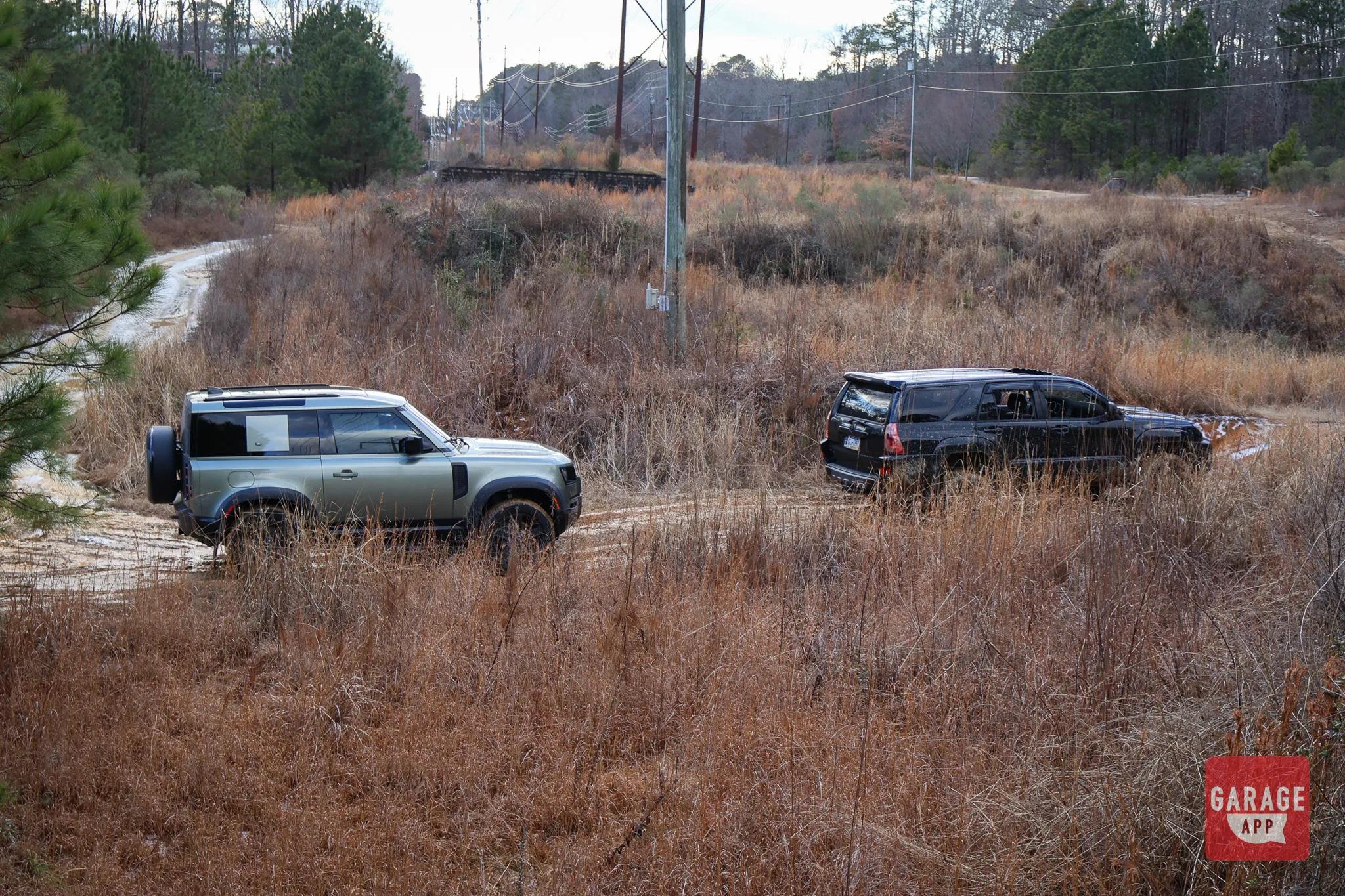
Because parts and knowledge are so accessible, enthusiasts keep building older generations rather than trading up. If you are just getting started, our guide to the best first car mods for beginners applies surprisingly well to a first 4Runner build.
Before any serious trail, run through a proper pre-trip inspection. A quick check of recovery gear, tire pressure, and fluids saves you from most trailside headaches.
Trail Comparison: Mud, Ruts, and Real Terrain
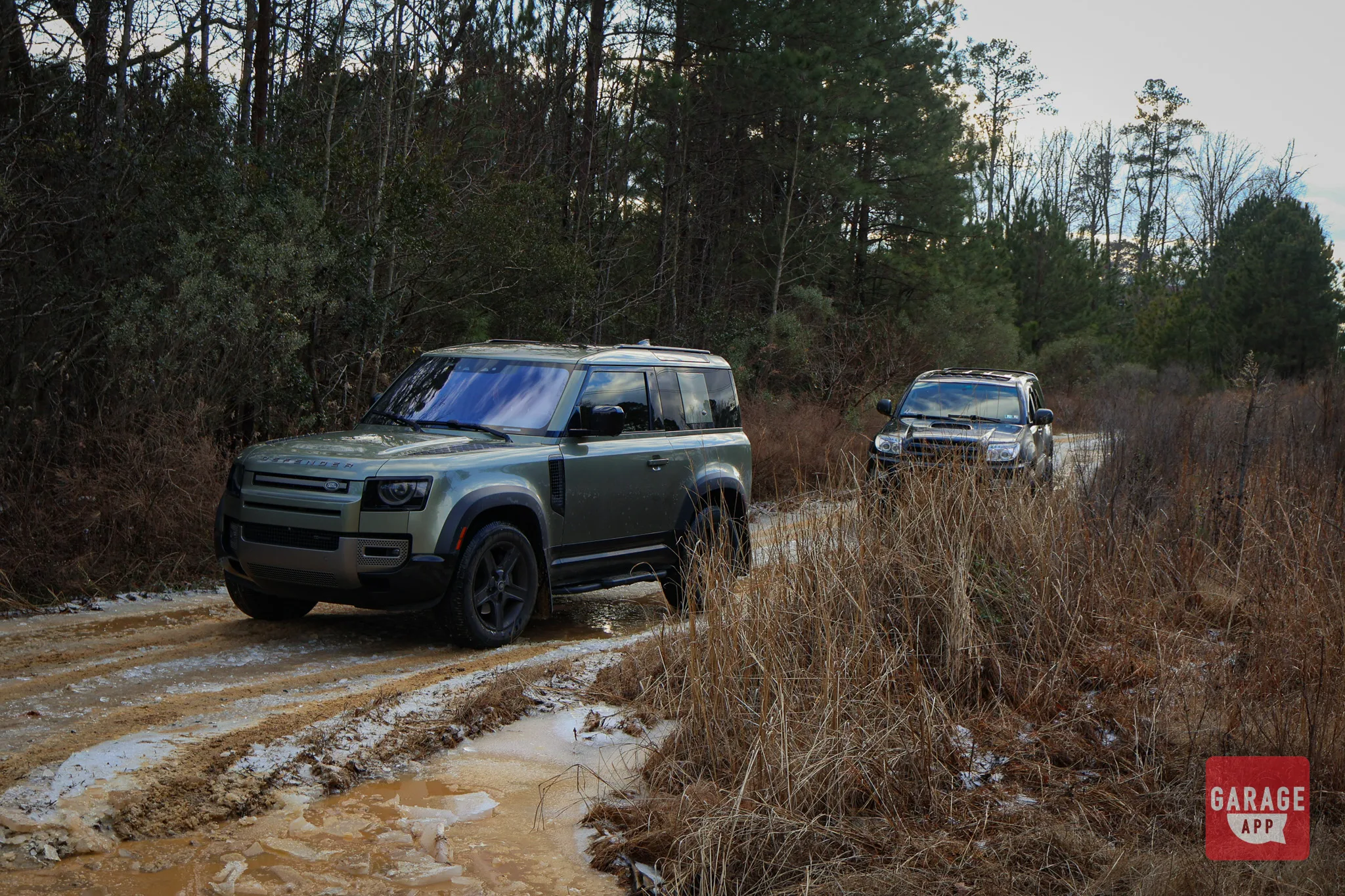
Picture the muddy forest trail from our photos. Deep ruts, slick clay, roots, and the occasional off-camber climb. Watching the Defender 90 and the lifted 4Runner V8 tackle the same obstacles shows why the 4Runner vs Defender debate never really ends.
How the Defender Approaches an Obstacle
The Defender leans on its brain. Set it to mud and ruts, let the traction control sort out grip, use the cameras to place your tires, and the truck often makes a difficult section look routine. It manages wheelspin so precisely that you sometimes crest an obstacle before you realize how hard it was.
How the 4Runner Approaches an Obstacle
The 4Runner leans on hardware and technique. Air down the tires, lock the rear diff, pick a smart line, and let the flexible suspension and torquey V8 do the work. It rewards driver skill and gives immediate, honest mechanical feedback. There is a satisfaction in feeling exactly what the truck is doing.
Neither approach is objectively better. The Defender prioritizes ease, refinement, and technology. The 4Runner prioritizes simplicity, repairability, and driver connection. The right answer depends entirely on what kind of adventurer you are. For a deeper look at getting any rig trail-ready, check the 4x4 off-road prep checklist.
Overlanding and Weekend Adventure
Both trucks shine as overlanding platforms. The short-wheelbase Defender 90 is nimble on tight trails yet plush enough for long highway stretches to a trailhead. The 4Runner offers cavernous cargo room, a huge accessory ecosystem, and the confidence to disappear into the backcountry for days.
Roof tents, dual-battery setups, fridges, and awnings turn either vehicle into a basecamp on wheels. The broader 4x4 SUV overlanding scene has exploded, and if you want the full picture of builds and gear, our overlanding in 2026 guide covers it in depth.
Respect the Land
Access to public land is a privilege, not a guarantee. Stay on designated off-road trails, pack out everything you bring in, and never widen ruts by driving around obstacles. Responsible off-roading keeps trails open for the next generation of enthusiasts, and it protects the wild places that make these adventures worth having.
Travel in pairs whenever possible. A second vehicle is your best recovery insurance, and it makes remote adventures far safer.
The Community Behind Off-Roading
The best part of owning an adventure vehicle is rarely the vehicle itself. It is the people. Off-road culture thrives on shared knowledge, group trail rides, and the camaraderie of helping a stranger winch out of a mud hole. Defender owners swap suspension notes. 4Runner owners trade armor recommendations. Everyone learns from everyone.
That community energy mirrors what is happening across the entire hobby. The rise of car meet culture shows how automotive communities are booming, and off-road groups are a huge part of it. Learning to network at events can turn a single trail ride into lasting friendships and a whole crew of adventure buddies.
Documenting your build is part of the fun too. A well-photographed rig earns respect, and our guide to documenting your car build online helps you tell that story well.
Finding Off-Road Events and Fellow Owners
The hard part used to be finding people. Where are the local trail rides? Who else runs a 4Runner V8 in your area? Which weekend has an overlanding meetup within driving distance? This is where GarageApp changes the game for off-road enthusiasts.
GarageApp is a geo-location-first social network built for car and motorcycle enthusiasts. You can search for nearby owners by make, model, year, trim, keyword, or location, so finding another Defender or 4Runner owner in your zip code takes seconds. You can also discover local car events and meets, from overlanding gatherings to Cars and Coffee, and see who is attending along with what vehicles they will bring.
- Find nearby off-road owners filtered by make, model, and trim.
- Discover trail rides, overlanding meetups, and Cars and Coffee events near you.
- Create or join groups built around Defenders, 4Runners, or local off-road clubs.
- Build a Virtual Garage to showcase your rig, specs, and modifications.
- Generate AI-powered driving routes and navigate scenic drives through CarPlay and Android Auto.
The route-planning tools are especially handy for adventure vehicles. You can generate a scenic path from your location to a distant trailhead, then share it with your convoy and follow it hands-free. If you want to see how that works with a group, our group drives with CarPlay guide walks through it.
Conclusion: Two Paths, One Adventure
The Land Rover Defender vs Toyota 4Runner debate has no losing side. The Defender represents the modern, technology-first vision of adventure, where clever engineering makes hard trails feel accessible and refined. The 4Runner represents the proven, mechanical, build-it-yourself philosophy that has earned generations of trust.
Choose modern comfort and terrain software, or choose bulletproof simplicity and endless aftermarket freedom. Either way, you end up on the same muddy forest trail, grinning, wondering where the road goes next. That shared love of getting off the pavement is the real winner, and it is exactly the kind of thing worth sharing with your local off-road community.