

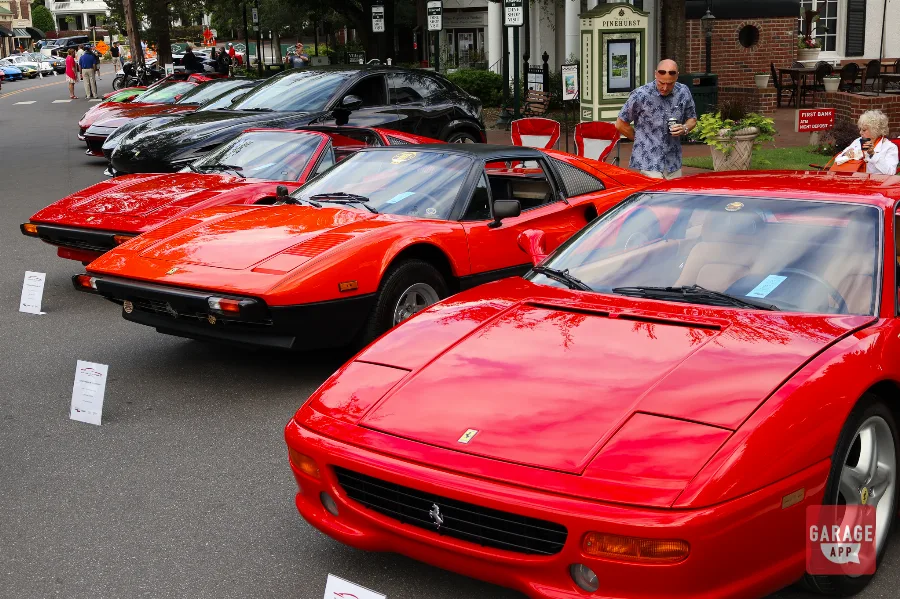
Most local shows use a points sheet for car show judging: judges score paint and body, trim and glass, wheels and tires, interior, engine bay, undercarriage and presentation, and the highest total in each class wins. Focus your car detailing where people forget to look, like wheel barrels, door jambs and wheel wells. That's usually where the trophy gets decided.
Here's the thing nobody tells first-timers. The car with the flashiest paint doesn't always take the class. The car with the fewest surprises does. Judges walk up with a clipboard and a flashlight, and they've seen hundreds of glossy hoods. What separates first from third is the stuff underneath, behind and inside. Whether you're entering a church-lot fundraiser or working up to one of the biggest car shows in America, the scoring logic is the same. Here's how it works and where to focus your Saturday-night prep.
The Judging Formats You'll Run Into
Not every show judges the same way, and knowing the format before you register changes how you prep. Shows are a different animal from casual meets, so if you're coming from the cars and coffee scene, expect a lot more structure.
| Format | How It Works | What It Rewards |
|---|---|---|
| Points-based | Judges score each category on a sheet and total it | Overall condition and detail work |
| Class placement | Judges rank cars within a class as 1st, 2nd, 3rd | Being the best example among similar cars |
| Deduction (concours) | Cars start at a perfect score and lose points for flaws | Originality and correctness |
| People's Choice | Spectators vote | Crowd appeal and presentation |
| Participant's Choice | Other entrants vote | Respect from fellow owners |
| Specialty awards | Organizer or sponsor picks | Best paint, best engine, long-distance driven, and similar |
Points-based judging is by far the most common at local and club shows, and it's what the rest of this guide focuses on. Concours judging, with its strict deduction rules, is a different game entirely. People's Choice and Participant's Choice are popularity contests in the best sense: a clean car with a great story often beats a perfect car with nobody standing next to it.
How a Judging Day Actually Runs
Judging usually happens in teams of two to four people, and each car gets roughly five minutes. That's not a lot of time, which is why first impressions and obvious misses carry so much weight. Your entry card goes on the driver's side dash so judges can match the car to its class and sheet at a glance.
- Stay with your car when judging starts. Judges expect the owner to open the hood, doors and trunk.
- Don't expect them to touch anything. Good judges won't open a door or lift a hood without permission, so if you're off getting a burger, some shows score unopened areas at the minimum.
- Ties get handled by the rules. Most shows either re-judge the tied cars or use a tiebreaker published in the show rules, often the score in a single category. Tiebreakers vary depending on the show.
Ask at registration when judges will reach your row. Being there with the hood already up and a microfiber in your back pocket signals you take it seriously, and it saves the judges time.
Basic car show etiquette applies here too. Be friendly, answer questions honestly, and don't hover or lobby. Judges remember owners who make the five minutes easy.
8 Places Judges Look (and Where Cars Lose Points)
Every car show judging sheet is a little different, but the car show judging criteria tend to cluster around the same eight areas. Prep in this order and you'll cover what matters most.
- Paint and body. This is often the largest share of points on the sheet. Judges look for swirls, scratches, orange peel, panel gaps and mismatched color. A proper decontamination, polish and protective layer goes a long way here. Coating, sealant or wax, the point is depth and clarity under direct sun.
- Wheels, inner barrels and brake dust. Faces are easy. Barrels are where cars lose points. Pull the wheels if you can, or at least get a long-handled brush in there.
- Door jambs. Open the door and the judge's eyes go straight to the jambs, hinges and sill plates. A dusty jamb on a gleaming car looks like a shortcut. Wipe them down again the morning of the show, since a few highway miles undo the work.
- Wheel wells. Judges carry inspection mirrors and flashlights for a reason. Clean the liners, dress the plastic evenly and make sure no road grime is clinging to the suspension parts you can see.
- Undercarriage. Dirt, grease and overspray all cost points. You don't need a rotisserie-restoration underside at a local show, but leaks and caked mud stand out under a mirror.
- Engine bay. Open the hood. A closed hood at a points-based show is basically leaving points on the table. Clean wiring, tidy hoses and no fluid stains matter more than chrome everything.
- Interior and trim. Carpet, seats, dash, headliner, glass and the rubber trim around it. Vacuum the seat rails, clean the inside of the windshield, and pull the air fresheners and phone mounts.
- Presentation. A small display board or info sheet listing the year, history and mods helps judges score you fairly in five minutes. If you've built a digital garage for your car, you already have the details ready to print.
Do a final walk-around at eye level, then crouch down to wheel height. That second angle is the judge's angle, and it's where you'll spot brake dust and tire dressing streaks.
Pick the Right Class
Learning how to win a car show starts before you ever pick up a towel. Car show classes exist so judges compare like against like: stock muscle against stock muscle, modified imports against modified imports. Enter a lightly modded car in a stock class and you'll get dinged for originality. Enter it in a full-custom class and it'll look tame next to builds with six-figure paint.
Read the class descriptions carefully, and if one isn't clear, ask the organizer. The question of restomod vs. original comes up constantly at registration tables, and organizers would rather sort it out before judging than after. Most shows also offer an exhibition-only option if you want to display without being scored. That's a smart move for a first show, or for a car that's mid-build.
Talk to past winners in your class. Car people love explaining what judges dinged them for, and you'll learn more in ten minutes than from any rulebook.
Find and Host Shows With GarageApp
Practice makes the difference. The more shows you enter, the faster your prep gets and the better you understand what local judges care about. GarageApp's local event discovery shows you meets and shows near you, and attendee visibility lets you see who else is bringing a car, which is handy for sizing up your class.
Thinking about running a judged show of your own? Start with how to organize a car meet, then read the organizer's playbook for growing it into something bigger. When you're ready, you can create an event on GarageApp and share it with marque owner groups in the app, which is the fastest way to fill specific classes with the right cars.
Comments (0)
Be the first to comment.
You need to be logged in to comment
Not a member yet? Join GarageApp to join the conversation.
Your comment has been sent!
Our GarageApp team will moderate your comment shortly.