

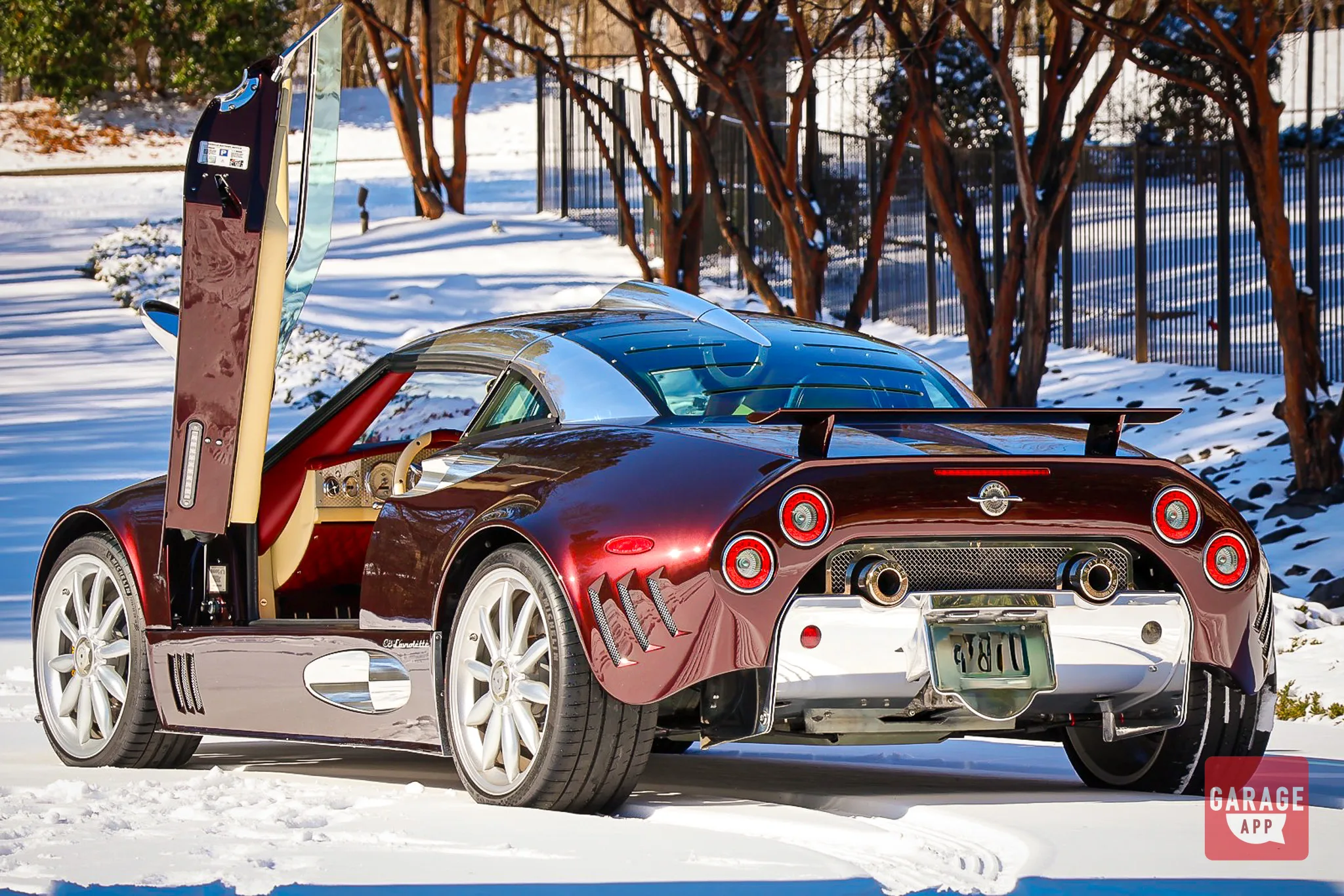
Winter car photography comes down to a few habits: add +1 to +2 stops of exposure compensation for snow, shoot in the low sun that hangs around all day, keep spare batteries warm in an inner pocket, and seal your camera in a bag before heading back indoors so condensation can't form.
Get those right and winter stops being the off-season. It becomes the best light of the year. A bright red coupe on fresh powder, a black truck against an empty white field, frost on a soft top at noon. Summer can't give you those frames. This is the cold-weather companion to our general car and motorcycle photography fundamentals, so we'll skip angles and composition basics and focus on what changes when the temperature drops. Everything here works whether you're holding a phone or a full camera kit.
1. Expose for Snow, Not for Your Meter
Your camera's meter assumes the world averages out to middle gray. Point it at a snowfield and it dutifully drags all that white down to a dull gray, taking your car's paint with it. The fix is exposure compensation, and it's the core of good snow photography exposure. Start around +1 EV on overcast days and push toward about +2 EV in bright sun. Then check your histogram or highlight warnings, because overdoing it turns snow into a flat white blob with no texture. You want snow that's bright but still shows crystals and tire tracks.
| Conditions | Starting compensation | What to watch |
|---|---|---|
| Overcast, flat light | About +1 EV | Snow still looking gray |
| Bright sun on snow | Up to about +2 EV | Blown highlights, lost texture |
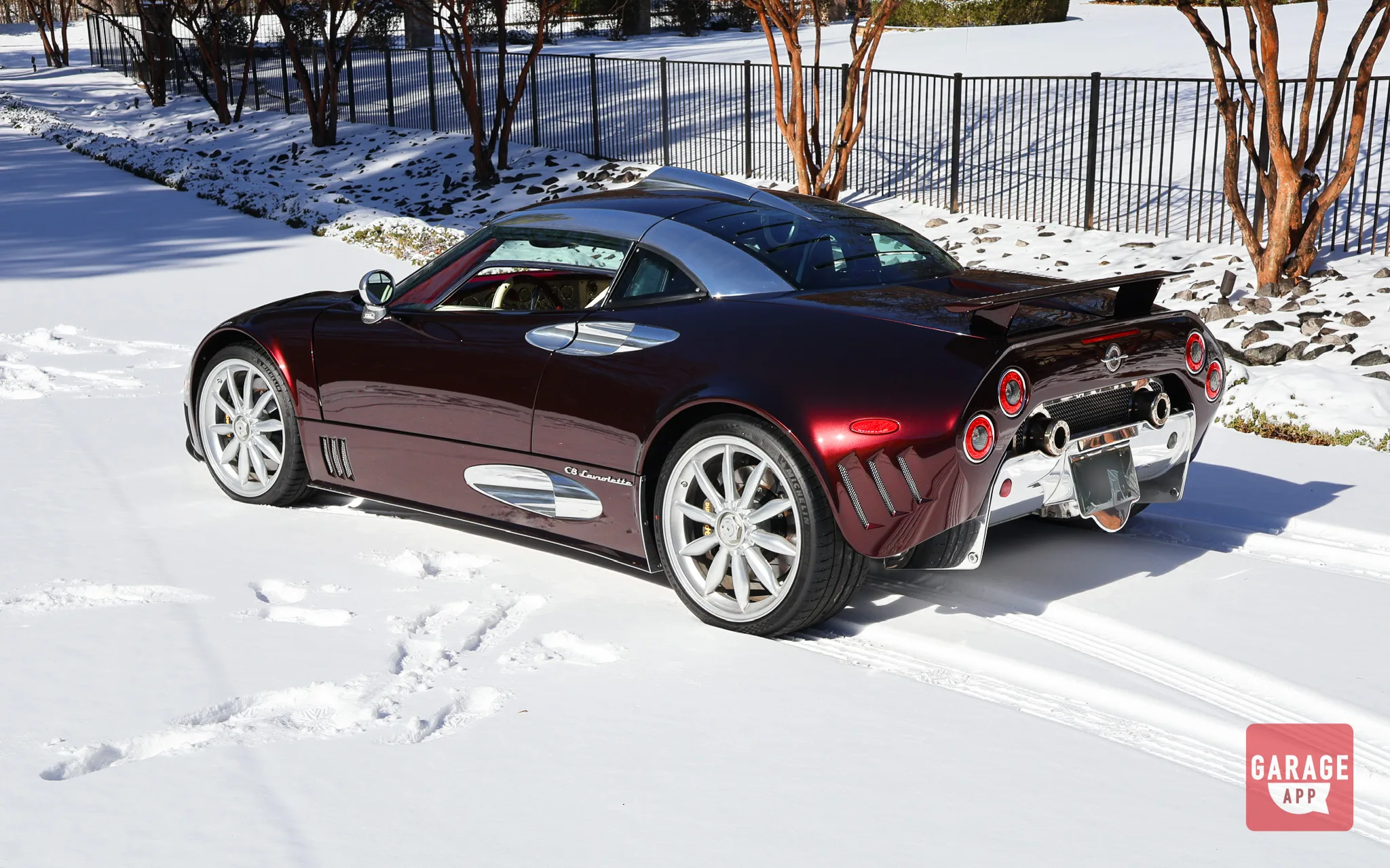
On a phone, tap the car to focus, then drag the exposure slider up until the snow reads white instead of gray. Lock it before you recompose so the phone doesn't undo your work.
2. Watch Your White Balance
Snow is a mirror for whatever is above it. Under open shade or blue sky it goes cold and blue, and near sunrise or sunset it can pick up a magenta tint. Sometimes that cool mood suits the shot, but it also shifts your paint color, and nobody wants their red car looking faintly purple. Shoot RAW so you can correct white balance later without wrecking the file. Many current phones offer a RAW option too. When you edit, use a patch of clean snow as your neutral reference.
3. Use the Low Winter Sun
This is winter's secret weapon. The sun rides low across the sky, so that warm, raking golden-hour quality shows up in late morning and early afternoon, not just at dawn and dusk. You don't need a pre-sunrise alarm to get great light. Low sun throws long shadows that define fender flares, body lines, and wheel spokes. Put the light at a three-quarter angle to the car and let the shadows do the sculpting.
4. Make Contrast the Whole Point
A saturated car on clean snow is the reason you're out here. Yellow, orange, green, and red pop against white like nothing else. White and silver cars are tougher, so give them a dark backdrop: a wall of evergreens, a weathered barn, exposed rock. Pick backgrounds on purpose instead of parking wherever the plow left room. Overlooks along some of the best mountain driving routes are stunning in winter, as long as the roads are open and safe. Same logic for motorcycles on a dry winter day, where a bright tank against snow reads instantly.
5. Go Easy on the Polarizer
A circular polarizer cuts glare off paint and glass and deepens a blue sky. In winter it can bite you. With the sun sitting low, the effect across the sky gets uneven, and it's easy to end up with a sky that goes nearly black on one side and pale on the other. Rotate it slowly, watch the sky as closely as the car, and back it off before it looks fake. A quarter turn less is often the better picture.
6. Decide What Falling Snow Should Do
Snowfall during a shoot is a bonus if you control it. A faster shutter speed freezes flakes into crisp dots hanging in the air. A slower one stretches them into streaks that suggest motion and weather. Neither is wrong, so choose the look before you start firing. One firm rule: skip the flash while it's snowing. It lights up every flake near the lens and fills the frame with glowing white blobs in front of your car.
7. Help Your Autofocus
Autofocus hunts for contrast, and a white field under a gray sky has almost none. Add falling snow and the camera may lock onto a flake a few feet away instead of your headlight. Switch to single-point AF and place the point on something with hard edges, like a badge, a grille, or the line where tire meets snow. If it still hunts, go manual and use focus magnification on the screen. On a phone, tap and hold on the car to lock focus.
8. Keep Your Batteries Warm
Cold drains batteries fast, and it always seems to happen right when the light gets good. Bring spares and keep them in an inside jacket pocket, close to your body, not in a bag in the trunk. When one dies, swap in a warm battery and tuck the cold one back into your pocket. Phones suffer too, so keep yours inside your jacket between shots and carry a small power bank.
Thin liner gloves under warmer mittens let you work dials and touchscreens without exposing bare hands to the cold for the whole session.
9. Beat Condensation Before It Starts
Walking a freezing camera straight into a warm house or car is how you get fogged glass and moisture inside the body. Before you go in, seal the camera in a zip-top or dry bag while you're still outside. Let it warm slowly inside the bag so condensation forms on the bag, not on your lens and electronics. Pull the memory card first if you can't wait to start editing.
10. Protect the Car and Respect the Spot
Winter roads are coated in salt and slush, and both show up brutally in photos, especially on dark paint and lower doors. Wash before the shoot, then do a final wipe on location. Our quick detail routine works as well in a snowy pull-off as it does before a meet, and if you're newer to this, start with car detailing basics. Getting there matters too, and the right winter tires beat any lens upgrade. Don't let the hunt for a backdrop push you into unplowed lots, closed roads, or private property. Pick safe, legal spots, stay clear of plows, and follow good photography etiquette when other people's cars end up in frame.
Indoor and Garage Shoots When It's Too Cold
Some days just aren't worth it. When it's brutally cold or every road is pure salt, move the shoot inside. A garage, a heated shop, or a friend's warehouse gives you total control, and light is the main challenge. Overhead fluorescents and bare bulbs create harsh hot spots on paint. Try opening the garage door for soft, directional daylight, or bounce a work light off a white wall or ceiling instead of aiming it at the car.
Reflections are the other fight. Glossy paint shows everything: shelving, a trash can, you. Clear clutter behind the camera, not just in front of it, and find angles where the panels reflect a clean wall or the open door. A tidy, well-lit garage turns into a studio faster than you'd expect.
Walk a slow lap around the car looking only at the reflections in the paint before you shoot. Whatever you see there is what the camera will see.
Share Your Winter Shoot on GarageApp
Once the files are edited, give them a home. Post your best frames to your Virtual Garage on GarageApp so the snow shots live next to each car's summer gallery. If you haven't set one up yet, here's how to build your digital garage. Sharing in the location-aware feed puts your photos in front of enthusiasts nearby, which is the easiest way to find other people still shooting in January. Follow local communities on GarageApp to catch winter meets and cold-weather drives worth photographing, then get back out while the light is low and the snow is fresh.