

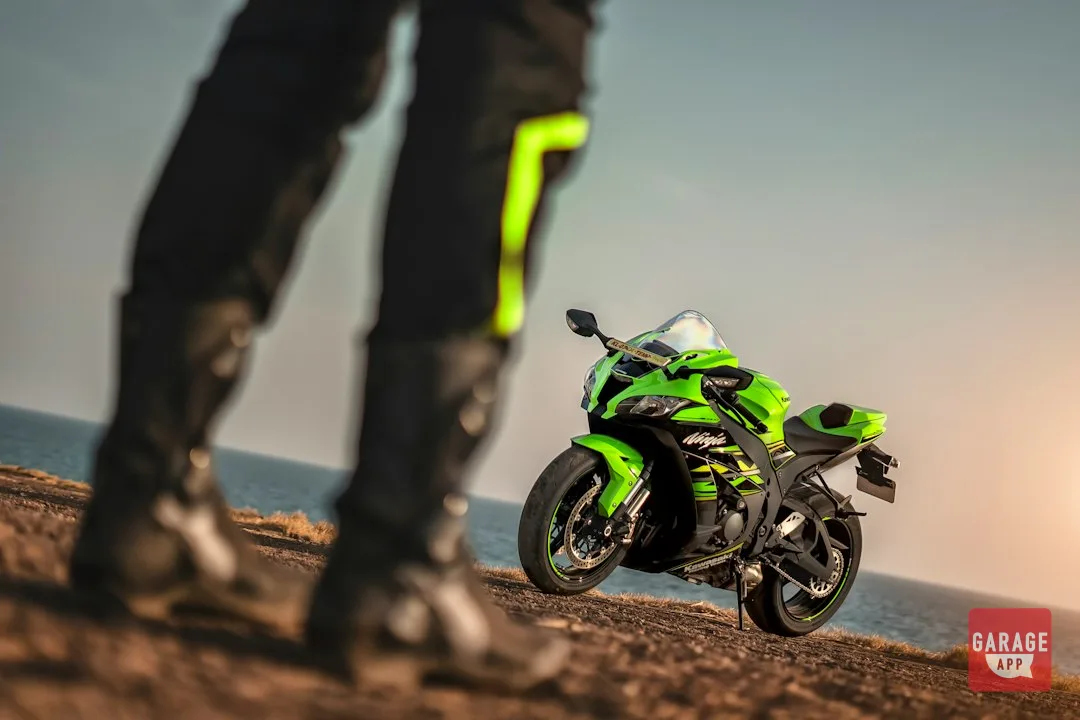
The best beginner motorcycle for 2027 is the Kawasaki Ninja 500. It is light, makes roughly 45 hp, and has a low seat with a soft clutch. The Yamaha YZF-R3 is the best beginner sport bike runner-up. The Honda Rebel 300/500 is the best beginner cruiser, the Triumph Speed 400 the best naked, the Honda CRF300L the best dual-sport, and the Honda XR150L the most forgiving.
Your first motorcycle should not scare you. It should be light enough to pick up off the ground on your own, comfortable in traffic, and cheap enough that a dropped bike in the driveway is an annoyance rather than a crisis. The best first motorcycle is the one you ride every weekend for two years, not the one that looks good parked outside a coffee shop.
This list covers ten bikes sold new in the US that meet that standard. Every entry tells you who the bike suits, how it rides, what it gets wrong, and what to look for used. Each one also points you to owners on GarageApp, because the fastest way to learn a bike is to talk to someone who already owns one.
How We Picked These Bikes
Every bike here had to clear a few hard filters. Weight came first. A beginner will drop a bike at walking pace, usually in a parking lot, and a machine under about 420 pounds wet is far easier to lift and to hold up at a stop. Power came next: roughly 50 hp or less, delivered smoothly, so a clumsy throttle hand does not turn into a wheelie or a lowside.
We also looked at ergonomics. Upright or neutral riding positions keep weight off your wrists and let you turn your head freely. Seat height mattered because confidence at a stop depends on getting your feet down. Price had to sit in the range where a new rider can afford the bike and the gear. Dealer support counted too, since a bike with no service network nearby becomes a headache at the first warranty claim.
Some popular bikes did not make it. Liter-class sportbikes like the Yamaha R1 or Kawasaki ZX-10R are out. They are fast enough to punish small mistakes at speeds a new rider has never experienced. Heavy cruisers such as full-size Harley-Davidson touring models are out on weight alone. The Royal Enfield Super Meteor 650 is a lovely, relaxed bike with a low seat, but it weighs well over 500 pounds wet, and that mass is a real liability when you misjudge a slow U-turn.
Beginner Motorcycles at a Glance
| Bike (Style) | Engine | Seat Height | Wet Weight | MSRP |
|---|---|---|---|---|
| Kawasaki Ninja 500 (Sport) | 451cc parallel twin | 30.9 in | approx. 376 lb | approx. $5,300 |
| Yamaha YZF-R3 (Sport) | 321cc parallel twin | 30.7 in | approx. 375 lb | approx. $5,500 |
| Honda Rebel 300 / 500 (Cruiser) | 286cc single / 471cc twin | 27.2 in | approx. 364 / 408 lb | approx. $4,850 / $6,500 |
| Triumph Speed 400 (Naked) | 398cc single | 31.0 in | approx. 375 lb | approx. $5,000 |
| Royal Enfield Hunter 350 (Retro) | 349cc single | 31.1 in | approx. 399 lb | under $5,000 |
| Honda CB300R (Naked) | 286cc single | 31.7 in | approx. 317 lb | approx. $5,000 |
| Honda CB500 Hornet (Naked) | 471cc parallel twin | 31.9 in | approx. 414 lb | approx. $7,000 |
| Honda CRF300L (Dual-sport) | 286cc single | 34.7 in | approx. 309 lb | approx. $6,000 |
| Kawasaki KLX300SM (Supermoto) | 292cc single | 33.9 in | approx. 302 lb | approx. $6,300 |
| Honda XR150L (Dual-sport) | 149cc single | 32.8 in | approx. 282 lb | approx. $3,000 |
1. Kawasaki Ninja 500
Who it suits: almost everyone. If you want a beginner sport bike that will not feel outgrown after one season, this is it. The 451cc twin replaced the Ninja 400 and kept everything that made that bike the default first choice.
How it rides: the engine pulls cleanly from low revs, so you are not wringing it out just to merge. The assist-and-slipper clutch is light enough for stop-and-go traffic. The bars sit higher than a true race replica, and that small difference makes a long day on twisty mountain roads far less tiring.
Honest drawback: the suspension is basic. Heavier riders will feel it wallow on rough pavement. Used market: early bikes are just starting to show up, and good Ninja 400s are an excellent cheaper alternative. If you prefer flat bars, the Z500 is the same platform without the fairing.
2. Yamaha YZF-R3
Who it suits: riders who want the look of an R1 and the manners of a commuter. The R3 is the purest sporty feel on this list, and it has a large track-day following.
How it rides: the 321cc twin likes revs. Below about 6,000 rpm it is calm. Above that it wakes up with a sharp, satisfying note. Steering is quick and the chassis is stable, which makes it a fine bike for learning cornering lines at a riding school.
Honest drawback: you have to rev it to make progress, and highway passing at 70 mph takes a downshift or two. Used market: there are plenty of them, but check for crash damage on the fairing tabs and footpegs. A lot of R3s have been dropped. The MT-03 shares the engine with upright bars and less plastic to break.
When you look at a used sportbike, crouch down and check the bar ends, lever tips, and frame sliders. Scuffs there tell you more about its history than the seller will.
3. Honda Rebel 300 / 500
Who it suits: anyone who wants a beginner cruiser, and it is a strong contender for the best motorcycle for short riders. The 27.2-inch seat puts most adults flat-footed at a stop. It shows up constantly in conversations about women riders reshaping motorcycle culture, and for good reason.
How it rides: low and planted. The 300 is a single with enough grunt for town. The 500 uses a twin with noticeably more highway reserve. Both steer lightly for a cruiser. Honda's E-Clutch option lets you start and stop without touching the lever while still shifting with your foot. It is available on the Rebel 300 in the US.
Honest drawback: the feet-forward position and short suspension travel make big potholes jarring. Used market: huge supply, strong resale, and endless accessories. Pick the 500 if you plan any freeway riding at all.
4. Triumph Speed 400
Who it suits: riders who want a classic-looking roadster with real build quality. It feels like a more expensive bike than it is.
How it rides: the 398cc single has punch in the midrange that makes city riding easy. The suspension is better than the price suggests, and the brakes are strong. It is one of the most fun bikes here on a short back-road loop. The Speed 400 was launched at a US price near $5,000.
Honest drawback: a single-cylinder buzz comes through the bars and pegs at sustained highway speed. Used market: still young, so supply is thin, but values are holding up. The Scrambler 400 X adds longer suspension and a taller seat for gravel roads.
5. Royal Enfield Hunter 350
Who it suits: budget buyers and anyone who loves retro style. The Hunter is a small, honest motorcycle that does not pretend to be anything else. It is priced under $5,000.
How it rides: slow and friendly. The 349cc engine makes modest power, which takes nearly all of the fear out of the throttle. Handling is light, and the small 17-inch wheels make it eager in traffic.
Honest drawback: it runs out of breath above 60 mph, so it is a poor choice if your commute is mostly interstate. Used market: limited but growing, and dealer coverage varies by region, so check service options first. The Meteor 350 is the cruiser version with a lower seat, also under $5,000.
6. Honda CB300R
Who it suits: city riders who value light weight above everything. At roughly 317 pounds it is the lightest full-size street bike on this list.
How it rides: like a bicycle with an engine. It changes direction instantly, the upright bars give good leverage, and the brakes are well matched to the weight. Filtering through traffic feels natural. If you live somewhere it is legal, read up on lane splitting laws by state before you try it.
Honest drawback: the seat is firm and the tank is small, so long rides mean frequent breaks. Used market: these sell for reasonable money and tend to be lightly used. Confirm the CB300R remains in Honda's US lineup for 2027.
7. Honda CB500 Hornet
Who it suits: taller riders and anyone who knows they will ride a lot of highway miles from day one. It sits at the upper edge of our criteria.
How it rides: the 471cc twin is smooth and tractable, with enough power for two-lane passing without drama. It feels grown-up. Plenty of owners use one for planning a first motorcycle road trip because it holds 75 mph comfortably.
Honest drawback: at around 414 pounds and a 31.9-inch seat, it is the heaviest and tallest street bike here, so shorter riders should sit on one first. Used market: the Hornet name is new, but the platform is shared with the older CB500F, which is a great used buy.
Is 500cc a good beginner bike? On a modern twin making under 50 hp, yes. Displacement matters less than weight, power delivery, and how calm the throttle is at low rpm.
8. Honda CRF300L
Who it suits: riders who want one bike for pavement and fire roads. Learning on dirt builds skills that transfer directly to the street, especially throttle control and calm reactions when the rear steps out.
How it rides: soft, light, and unflappable. The long suspension soaks up bad roads that would rattle a cruiser rider's teeth. Drops on dirt rarely cost more than a lever.
Honest drawback: the 34.7-inch seat is tall, though the soft suspension compresses a good deal once you sit. Short riders should test it before buying. Used market: strong demand keeps prices firm, and many come with skid plates and hand guards already fitted.
9. Kawasaki KLX300SM
Who it suits: urban riders who want something playful. A supermoto is a dirt bike on street wheels and brakes, and it is a hooligan in the best sense.
How it rides: quick, narrow, and nimble enough to dart around potholes. The upright, wide-bar stance gives an excellent view over traffic. It teaches body position faster than almost anything else.
Honest drawback: the seat is narrow and wind protection is zero, so anything longer than an hour gets uncomfortable. Used market: smaller supply than the Honda, but values are reasonable. Kawasaki has shuffled this model in and out of the US lineup before.
10. Honda XR150L
Who it suits: the nervous, the cautious, and anyone returning to riding after a long break. This is the lightest and most forgiving bike on the list, and it is the cheapest by a wide margin.
How it rides: gently. The air-cooled 149cc single is nearly impossible to upset, and the bike is light enough that a drop is a non-event. It is a great tool for building basic skills on back roads and gravel.
Honest drawback: it is not a highway bike. Top speed and power are limited, and you will feel exposed around fast traffic. Used market: cheap, simple, and durable. Expect to sell it within a year and lose very little.
How to Choose Your First Bike
Fit comes first. Sit on the bike with your riding boots on. You want to touch flat-footed, or at least get the balls of both feet on the ground. One tiptoe is not enough when you stop on a slope or a crowned road. Reach the bars without locking your elbows, and check that you can squeeze the clutch fully without straining.
Buy used first. Nearly every new rider drops a bike at low speed, usually while turning out of a driveway or stopping on gravel. On a used bike, a scuffed lever is a shrug. On a new one, it hurts. You will also lose less money when you sell it after a season or two.
Skip the ego bike. A 600cc supersport or a liter naked bike is not a step you grow into. It punishes mistakes you have not learned to avoid yet. Ride something modest, put miles on it, and join local riders so you build skill around people who have done it before. Our guide to finding motorcycle riders and groups near you is a good place to start, and so is a list of beginner-friendly meets and group rides.
Take a certified rider course such as the MSF Basic RiderCourse before you buy. You learn on their bikes, and many states waive the riding test for graduates. Some insurers discount premiums for it too.
When to Step Up
Is 600cc too much for a beginner? It depends on the bike. A 600cc inline-four supersport revs to the moon and makes over twice the power of anything on this list, so the answer there is yes. A middleweight twin is a different story. The Kawasaki Ninja 650 and Yamaha MT-07 are the classic second bikes. Both have torquey twins that are friendly at low rpm, and they give you real highway reserve. Most riders are ready for one after a full season and a few thousand miles. When you do upgrade, log your bikes in a digital garage so your riding history follows you.
What to Budget Beyond the Bike
The sticker price is only part of it. Gear is the big one: a DOT-certified helmet, an armored jacket, gloves, riding pants, and boots that cover your ankles. Buy the helmet new and get it fitted in person. Jackets and pants can often be found lightly used.
Set money aside for a training course as well, plus a license endorsement fee in your state. Insurance varies widely with age, zip code, and the bike itself. A sportbike usually costs more to insure than a cruiser of similar size, so get quotes on every bike you are considering before you sign anything. Also budget for a first service, a tire replacement within the first couple of years, and a quality chain lube if your bike runs a chain.
Ride With People on the Same Bike
The right first bike is light, forgiving, and fun enough to keep you riding. Once you have it, find your people. Use GarageApp Smart Search to look up owners by make, model, and location, and join Groups for your bike or your area. When you are ready for longer outings, the Route Planner helps you build and share a ride, and Events is where you will find local meetups and bigger gatherings like the biggest motorcycle events in America. If nothing exists near you yet, here is how the different kinds of riding groups and clubs work, and how to start a riding group of your own.