

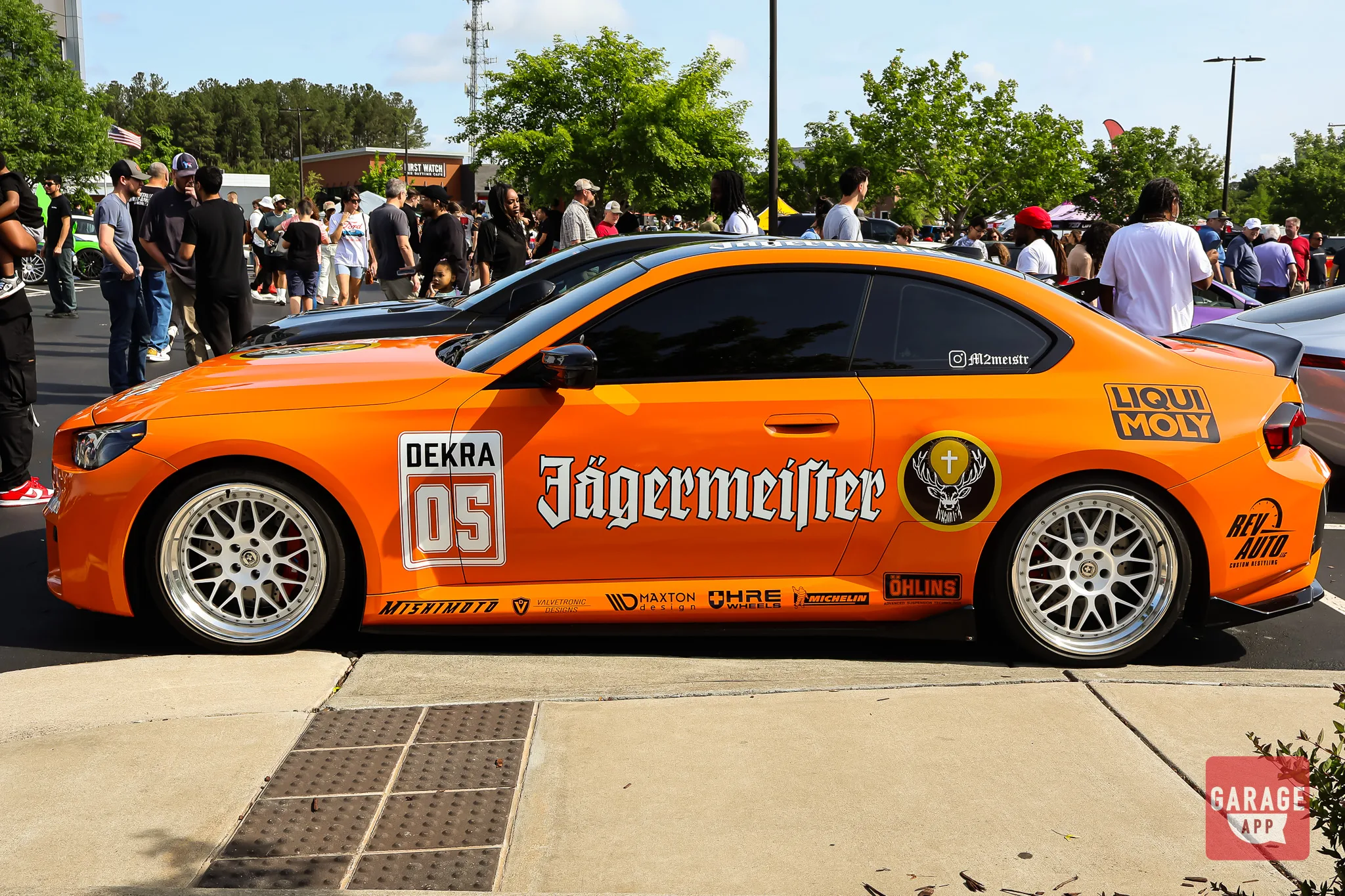
Few automotive movements spark as much debate as stance culture. To some, a slammed car sitting on aggressive camber is the purest form of self-expression. To others, it's a punchline about scraping oil pans and shredding tires. Love it or hate it, stance has grown from a scrappy underground scene into a global phenomenon that shapes how a huge chunk of the modern car world thinks about ride height, fitment, and style.
So how did a fringe look become a mainstream aesthetic you'll spot at almost any meet? Let's trace the whole arc, from its scattered roots to today's polished, air-suspension-equipped scene, and figure out where it's heading next.
What Stance Actually Means
Before the history lesson, it helps to nail down the terms. At its core, stance is about the relationship between the wheels and the fenders. It's the pursuit of aggressive fitment, where the wheel and tire sit as close to flush with the fender edge as possible, paired with a dramatically lowered ride height.
- Camber — the inward or outward tilt of the wheels viewed from the front. Negative camber is the signature stance look.
- Poke — when the wheel sticks out past the fender.
- Tuck — when the tire sits tucked up under the fender lip.
- Flush — the goal for many, with the wheel face sitting even with the fender edge.
- Static vs. air — a fixed lowered height on coilovers versus adjustable air suspension that drops and raises on demand.
Purists argue endlessly about where function ends and pure form begins. That tension, between what looks good and what actually works, is baked into the entire history of the movement.
The Underground Roots
Stance didn't appear out of nowhere. Its DNA traces back through decades of lowered-car culture, and depending on who you ask, the origins pull from several different worlds.
Lowriders and Going Low
Dropping a car to the ground for style has deep roots in Southern California lowrider culture, going back to the postwar years. Lowriders weren't chasing camber or flush fitment, but they established the idea that ride height itself could be a statement. They also pioneered hydraulic and later air systems that let a car sit slammed and still drive.
Japanese Roots: Shakotan and Bosozoku
Japan had its own slammed traditions. Shakotan literally means "low car," favoring ground-hugging classics on wide, deep-dish wheels. The wilder bosozoku scene took it further with extreme camber, massive flares, and outrageous exhausts. These looks, born in the 1970s and 80s, planted seeds the modern stance movement would later harvest. If that world pulls at you, the growing wave of newly eligible imports makes it worth reading up on the 25-year rule and what's finally landing on US shores.
The Tuner Boom and Early Forums
The version of stance most of us recognize crystallized in the mid-to-late 2000s, growing out of the import tuner scene. As the raw power-chasing era matured, a subset of builders started caring more about how a car sat than how fast it ran. Forums and early photo-sharing sites became the incubators, letting enthusiasts trade fitment knowledge that had no formal home anywhere else. That same grassroots energy is why so many enthusiasts today build a car enthusiast community from scratch instead of waiting for one to appear.
It stopped being about how quick your car was and started being about how it made you feel every time you walked up to it.
A common sentiment among early stance builders
Long before dedicated platforms existed, stance was built on people sharing builds and celebrating each other's cars. That's exactly why so many enthusiasts now document and share their build journey online in one place.
The Styles Within Stance
Stance isn't a single look. As it grew, it split into distinct sub-styles, each with its own philosophy and following.
Hellaflush and the Flush Movement
The term Hellaflush became almost synonymous with stance in its explosive years. The goal was aggressive, flush-or-poke fitment paired with a serious drop. It was loud, unapologetic, and deeply divisive, which only made it spread faster. Whole apparel brands and event series were built around the aesthetic.
Euro and VIP Stance
European stance found its own lane with German platforms sitting on air over polished multi-piece wheels. Japan's VIP style took big luxury sedans and slammed them into aggressive profiles that flipped the idea of what a luxury car should look like. BMW owners in particular have embraced stance in droves, and if that's your world, it's worth exploring what BMW enthusiast culture is really about.
If you're planning your first stance build, decide early whether you want static or air. Static is simpler and cheaper but punishing on rough roads. Air costs more up front but lets you clear driveways and speed bumps without wincing.
The Move to Mainstream
So how did a niche obsession end up everywhere? A few forces pushed stance out of the underground.
Social Media Turned Fitment Into Content
Stance is visual, and it arrived at exactly the right moment for image-driven platforms. A perfectly stanced car photographs incredibly well, and the low, wide angles became a signature style of their own. If you want your build to land like the ones you scroll past, our car photography tips show how to shoot your ride like a pro with just your phone, and there's a dedicated guide for photographing your motorcycle too.
Air Suspension Went Reliable and Accessible
One of the biggest hurdles for stance was drivability. Nobody wants to scrape into every gas station. As air suspension kits became more refined, affordable, and easier to install, the aggressive look stopped requiring a total sacrifice of usability. Management systems that save ride heights and air up in seconds removed the biggest barrier to entry.
It Bled Into Mainstream Car Culture
Walk any modern cars and coffee and you'll see stanced builds parked next to restomods, track cars, and overlanders without anyone batting an eye. What was once a controversial fringe is now just one accepted flavor of the scene. This blending reflects a bigger shift in how communities gather, something we dug into in our look at why car meet culture is booming.
Documenting your build as you go, wheel specs, offsets, suspension settings, and before-and-after shots, makes it far easier to help other builders and track what actually worked. A virtual garage keeps all of it organized instead of scattered across your camera roll.
The Controversies
No honest history of stance can skip the arguments, because they're a defining part of the culture.
- Function over form. Heavy negative camber wears tires unevenly and can hurt handling, which drives purists up the wall.
- Practicality. Extremely low static setups scrape everything and turn a routine drive into an obstacle course.
- Safety. Poor fitment or extreme setups done badly can compromise components or handling if not engineered carefully.
- The 'ruined a good car' argument. Slamming a rare performance car purely for looks sparks endless debate about disrespect versus personal freedom.
The counterargument is simple and hard to dismiss: it's someone's car and their money. For many builders, stance was never about lap times. It's about ownership, identity, and building something that turns heads. That divide isn't going anywhere, and honestly, the friction keeps the conversation alive.
The Current Scene and Where It's Headed
Today's stance scene is more mature than the wild Hellaflush peak. Perfect fitment is still prized, but wild static camber for its own sake has cooled in favor of builds that look aggressive yet actually function. Air suspension is now almost the default at the higher end, and lightweight forged and multi-piece wheels let builders chase both looks and performance.
The bigger story is integration. You'll find stanced cars at beginner track days, on group drives, and cruising the same scenic East Coast routes that performance builds favor. The tribalism that once separated stance from the rest of car culture has softened into mutual respect.
Where it goes next likely follows the whole hobby. As EVs enter the car meet scene and new platforms arrive, the stance treatment will adapt to them just as it adapted to every generation before. The core idea, that how a car sits is a form of self-expression, is here to stay. And whatever you build, sharing the journey with a community that gets it is half the fun.
Stance went from forum threads and skeptical side-eye to a permanent fixture of modern car culture. Not bad for a look plenty of people once wrote off as a fad. Whether you run flush on air or just appreciate a clean build in the lot, it's a movement that earned its place.