

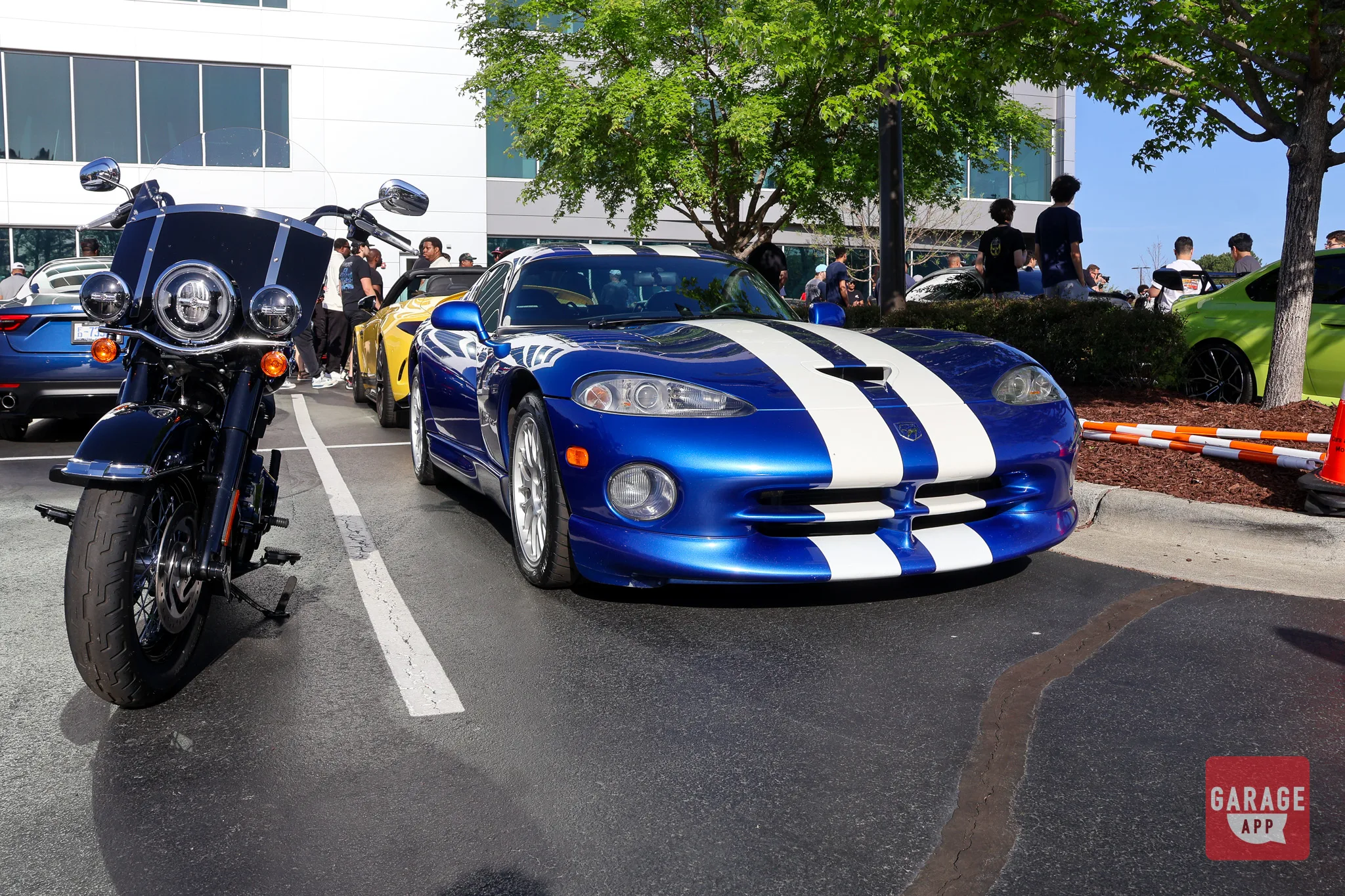
Here is the uncomfortable truth about how to grow a car meet: a good meet does not spread itself. That myth kills more new meets than bad parking lots ever could. You pick a great spot, post a couple of times, show up with three friends, and wait for the crowd a great idea is supposed to summon. It never arrives, and the meet fizzles by the third week.
Growth is not luck. It is psychology, patience, and a handful of small mechanics that make momentum visible to strangers deciding whether your meet is worth their Saturday. If you want the big-picture view of the format itself, start with our complete guide to car meet culture, and if you want the step-by-step logistics of setting the thing up, that lives in our event-creation tutorial. This piece is about the harder question: why most meets die and how the rare ones catch fire.
Why Most New Meets Die at Three Cars
Nobody wants to be the only one who shows up. That single sentence explains ninety percent of failed meets. It is the cold start problem: people come to a meet because there is a crowd, and there is no crowd because people have not come yet. So the enthusiast on the fence, the one with the clean E46, looks at your empty listing, imagines standing alone in a Starbucks lot at 8 a.m., and stays home. Three cars in a corner reads as failure even when it is a totally normal Week Two. The organizers who survive understand they are not failing. They are simply early.
Screenshot your best turnouts, even small ones. A tight photo of eight interesting cars looks like a scene. A wide photo of eight cars in a huge empty lot looks like a funeral. Frame the momentum you have.
There is also a discovery problem underneath. If the only people who know about your meet are the four guys in your group chat, you have not built a meet. You have organized a hangout. Getting your event onto a local event discovery feed is the difference between existing and being findable, and findable is where growth starts.
Consistency Is the Actual Growth Hack
If you take one thing from this article, take this: same time, same place, every single time beats any promotion you could ever run. Think about the meets you respect. You do not check whether they are happening. You know the first Saturday at that lot is a thing, the way you know the sun comes up. Every time an organizer cancels because it drizzled, they reset the trust clock. People stop assuming and start checking, and checking is friction, and friction kills attendance.
The meets that win are not the most exciting ones. They are the ones that show up the most reliably.
A truth most organizers learn the hard way
Reliability is what lets word of mouth compound. When your meet is a fixed point on the calendar, someone can tell a friend "come to the thing on Saturday" without checking a date or hedging. The meet becomes a place, not an event, and that only happens through boring, relentless repetition.
Set your recurring event once and keep it locked. If you host on GarageApp, a repeating listing means regulars can follow the meet and get reminders automatically instead of relying on you to re-announce it every month.
The Tipping Point: When Regulars Start Bringing Friends
Growth for a car meet is slow, then sudden. For weeks it feels like pushing a stalled car uphill. Then one morning there are cars you have never seen, brought by people you did not invite. That moment is critical mass, and it happens because your regulars started bringing friends. This is the mechanism behind building a real enthusiast community. A regular does not bring a friend to a shaky meet, because if it is dead they look bad for hyping it. Once the meet feels safe and lively, the calculus flips and inviting a friend makes them look plugged in.
You cannot force the tipping point. You can only set the conditions: reliability, a welcoming vibe, and visible signs of life. The psychology of why we bond over cars is the engine here. People are not really coming for the cars. They are coming for the feeling of belonging to something, and that feeling needs a critical mass of other humans to exist at all.
Old-School Word of Mouth vs. How It Actually Works Now
Old word of mouth was flyers under wipers and a text chain that got muted after the second month. It moved through trusted people, but it had a fatal flaw: it was invisible. If ten friends told forty people, none of those forty could see the other thirty-nine, so each one still faced the empty-lot fear alone. Modern word of mouth is visible and shareable. When someone shares your meet, the recipient can see who else is going and what the last one looked like. That is also why generic social media so often fails car communities: a feed post disappears in minutes and shows no context.
- Old way: an announcement that lands in one person's inbox and vanishes.
- New way: a live event page that gets richer every time someone commits.
- Old way: you are the only one who knows the full guest list.
- New way: everyone can see the crowd building in real time.
Making Momentum Visible
This is the core of the whole thing. The single most effective move is making the crowd visible before the crowd exists in the parking lot. When someone sees "40 people are already going," the empty-lot fear evaporates, replaced by the fear of missing something. This is where an attendee visibility layer does real work. On GarageApp, a listing shows who has RSVP'd and what they drive, so an unknown meet suddenly reads as a scene worth joining. For a first-timer especially, and if you have ever walked into a meet alone you know the feeling, familiar names on the guest list are the difference between showing up and staying in bed.
Ask your first regulars to RSVP early in the week, not the morning of. Ten visible commitments by Wednesday makes the fence-sitters believe, and belief becomes attendance.
There is a discovery angle too. A meet only your friends can find is capped by your friend group. A meet that surfaces in a local feed gets discovered by people searching for events near them who have never heard your name. Combine visible attendance with local discoverability and you have replaced the entire flyer era with something that compounds.
Turning Attendees Into Promoters
Your attendees are your best marketing channel, and most organizers never activate them. Make it effortless and rewarding for someone who loves your meet to bring more people. Every attendee who shares is a trusted recommendation worth more than any amount of your own posting. The share tools are covered in our event tutorial; what matters here is that when a regular shares, they are lending you their credibility.
A referral structure takes this further by rewarding the people who actually grow the meet. Add a local community following so people can subscribe and hear about the next one, plus direct messaging so a newcomer can ask "is it beginner-friendly?" and get a real answer, and you have removed nearly every reason someone had to not show up. This is also how the healthiest car clubs get started.
The Danger of Growing Too Fast
One cautionary note, because unchecked growth has its own failure mode. The original Irvine Cars and Coffee, the meet that basically defined the format, grew so large and chaotic that it was shut down. Crowds spilled into streets, a few reckless departures made the news, and the venue pulled the plug. A meet is a relationship with a location and a community, not just a headcount. Grow deliberately and protect the unwritten etiquette that makes people want to keep coming back. A meet of eighty people who respect the space outlasts a meet of four hundred who do not, every time.
So the real answer to how word spreads about a new meet is not a clever post or a viral moment. It is showing up on the same Saturday until people trust you will, making the crowd visible so the fence-sitters jump, and handing your regulars an easy way to bring their friends. Slow, then sudden. That is how meets are built.