

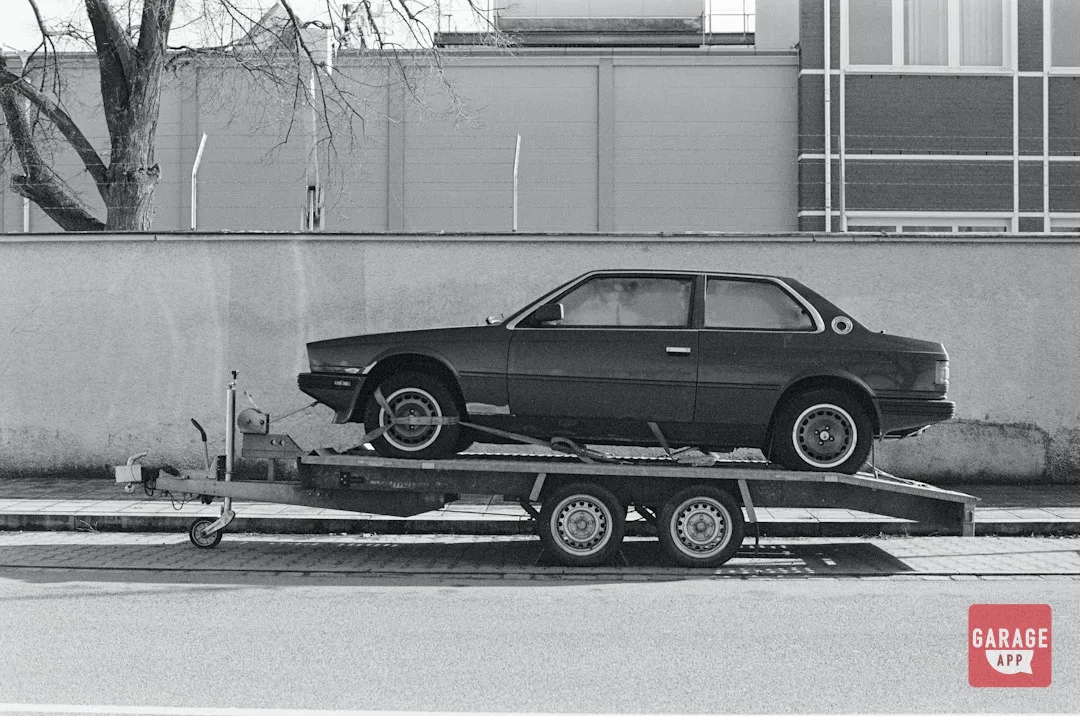
The enclosed vs open car transport decision has a short answer: ship enclosed if a rock chip, rain, or road salt would genuinely hurt. Enclosed transport typically costs about 30 to 60 percent more than open, and most sources say that premium is worth it for classic, exotic, collector, or freshly restored cars.
Then comes the part nobody warns you about. You just won a car online at 11:47 p.m., the seller wants it gone by Friday, and your inbox fills with "quotes" from companies you've never heard of. This guide covers how to ship a classic car without regretting it: which trailer type fits your car, what drives the enclosed shipping cost, and how to vet whoever shows up with the truck. If you're newer to this world, our owner's guide to classic, exotic, and collector vehicles covers the bigger picture of living with a collector vehicle.
Enclosed vs Open Car Transport at a Glance
Open trailers are the double-deck rigs you pass on the interstate, and they move the large majority of vehicles in the U.S. Enclosed carriers are the boxes that look like a race team's hauler. Within enclosed, you'll hear about soft-sided, hard-sided, and dedicated single-car trailers, and they aren't the same service.
| Type | Protection | Capacity | Loading | Typical use |
|---|---|---|---|---|
| Open | Exposed to weather, road debris, and salt | Up to roughly 9 or 10 cars | Ramps, cars often chained | Daily drivers, dealer inventory, new cars |
| Soft-sided enclosed | Curtain walls block weather and most debris | About 2 to 7 cars | Often lift gate and soft-tie straps | Classics and collector cars on a budget |
| Hard-sided enclosed | Rigid walls and roof, best shielding | About 2 to 7 cars | Often lift gate and soft-tie straps | Exotics, concours cars, fresh restorations |
| Single-car enclosed | Full enclosure, no other cars aboard | 1 car | Lift gate common, dedicated handling | High-value, very low, or one-off cars |
Notice what's missing: dollar figures. Any number you read online is a snapshot of one route in one month. A coast-to-coast run in February and a regional hop in July aren't priced on the same planet, so get real quotes for your car and your dates.
When Open Is Fine, When Enclosed Is a Must
Plenty of honest old cars ride open every day and arrive fine. A driver-grade Mustang with some patina going 400 miles in June? Open is a reasonable call, and the savings could fund new tires. But a few situations push us firmly into enclosed territory.
- Value. If a repaint would cost more than the shipping premium, the math is already done. Our take on whether a car is a driver or investment helps frame this.
- Clearance. Lowered cars, splitters, and long overhangs need a lift gate. Steep ramps on open rigs are where front lips go to die.
- Fresh paint. Paint that's weeks old is still soft. A highway pebble at 70 mph leaves a mark you'll see every time you detail the car.
- Non-runners. Project cars need a winch and a driver who is patient with them. Ask specifically, and if the car has been sitting, review a proper maintenance cadence before it moves.
- Winter routes. Anything crossing the salt belt between November and March should be covered. Salt spray gets into seams you didn't know existed.
Ask whether your car will ride on the top or bottom deck of an open trailer. Top deck means fluids from cars above can't drip on yours. Some carriers will commit to top-deck placement on request.
Insurance: Read the Fine Print Before Pickup
Federal rules require carriers to carry insurance, but the number that matters to you is the per-vehicle cargo limit, not the policy total. A carrier can have a large aggregate policy spread across a full trailer and still cap any single car well below what yours is worth.
- Ask for the carrier's certificate of insurance, issued directly by their insurer, and confirm the per-vehicle cargo limit covers your car's value.
- Check deductibles and exclusions. Some policies exclude acts of nature or damage the driver doesn't note at delivery.
- Call your own collector policy provider and ask whether the car is covered in transit. Agreed-value policies often handle this differently than standard auto.
We dig into agreed value and storage coverage in our insurance and storage guide. Read it before the truck shows up, not after.
Vetting a Carrier Before You Hand Over Keys
Most of the top search results for collector car transport are run by brokers, which is worth knowing as you read them. Brokers aren't bad, but you should know who's actually putting their straps on your car.
- Run an FMCSA lookup. Every interstate carrier and broker should have a USDOT number and usually an MC number. Search them on the FMCSA's public database and check authority status, insurance on file, and safety record.
- Know if it's a broker or a carrier. A carrier owns trucks. A broker posts your job to a load board and sells it to a carrier. Ask directly, and if it's a broker, ask for the assigned carrier's name and run that one too.
- Ask about equipment. Lift gate or ramps? Soft-tie wheel straps or chains through the frame? Hard or soft sides? Get answers in writing.
- Insist on a written, photographed bill of lading. At pickup, walk the car with the driver and mark every existing chip and scratch on the inspection report. Repeat at delivery before you sign anything.
Never sign a clean delivery receipt in the dark or in the rain. If you can't inspect properly, write "subject to inspection" on the bill of lading and photograph everything the next morning.
Prepping the Car for Pickup
Good prep protects you if something goes wrong and smooths things out if nothing does.
- Photograph everything in good light: all four corners, each panel, wheels, underside, interior, and the odometer. Timestamped photos back up your provenance and documentation too.
- Remove personal items and loose parts. Most carrier policies don't cover contents.
- Note any leaks on the paperwork so a drip isn't blamed on the trip, or on the car below yours.
- Leave roughly a quarter tank of fuel.
- Charge the battery, set tire pressures, and disable or note any alarm.
- Fold mirrors, lower or remove antennas, and secure convertible tops.
- Hand over a spare key, not your only one.
Auction Week: Book Before You Bid
January is peak season. Arizona auction week in Scottsdale and Mecum Kissimmee in Florida pull thousands of cars toward a few zip codes, and they all have to leave again. Enclosed capacity gets tight fast, and pricing follows demand.
If you're bidding in person or on platforms like those in our Bring a Trailer vs Cars & Bids comparison, line up a carrier before the hammer falls. Get quotes for a likely destination and ask how quickly they can book. Our guide to reading the market covers bidding strategy, and the biggest car shows list helps you plan around other events that strain trailer capacity.
Build shipping into your maximum bid. A great hammer price on a car three time zones away isn't a great deal if enclosed transport in January eats the difference.
Where GarageApp Fits
Two things make shipping less stressful: good records and good referrals. The GarageApp Virtual Garage gives you a place to store condition photos and records for each car, so your pre-pickup documentation lives somewhere you can find it on delivery day. Our guide to building your digital car garage walks through setup.
For referrals, nothing beats another owner who has shipped the same car. On GarageApp you can message owners directly and ask who they trusted, or post in marque owner groups. Owners in single-marque clubs tend to know which drivers handle low-slung cars with care, and that firsthand word beats any five-star review on a broker's site.